Fukuoka in November
November is arguably Fukuoka's most rewarding month: cool, mostly dry air, autumn colour across the city parks, and the only competitive sumo tournament staged in Kyushu all year.
Short answer
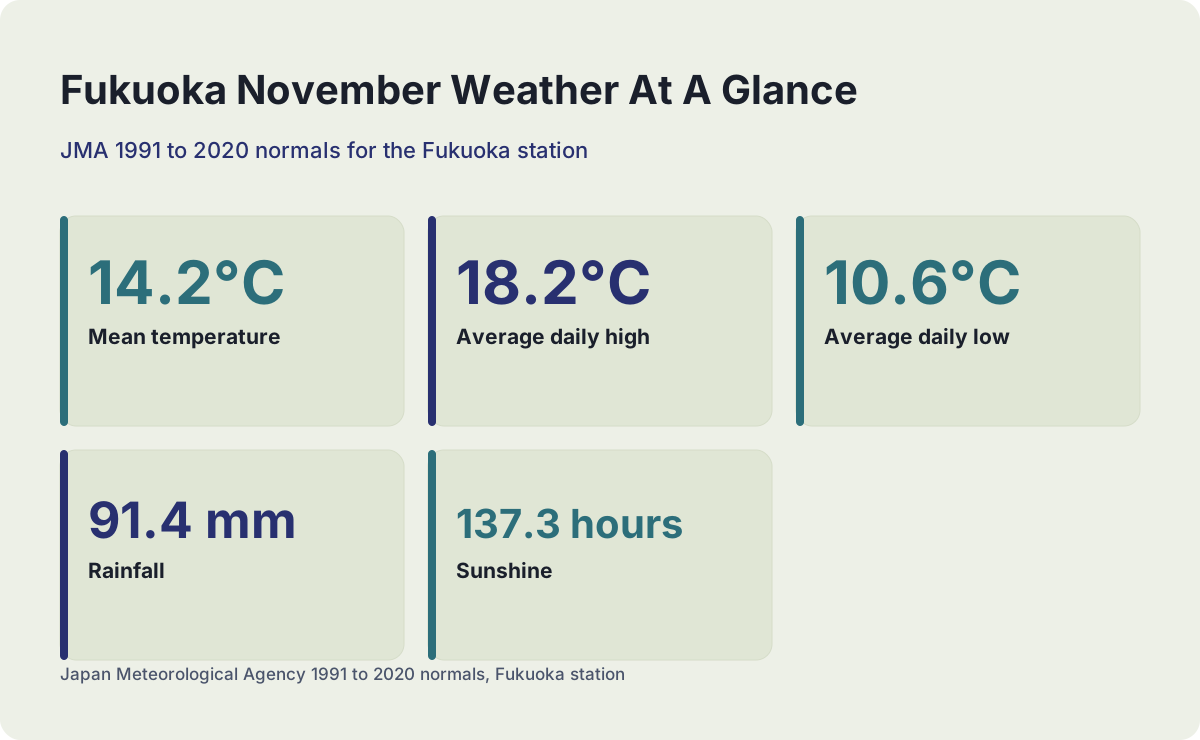
November in Fukuoka averages 14.2°C with a 18.2°C daytime high and about 91.4 mm of rain, making it one of the driest comfortable months of the year. Autumn colour peaks mid to late November, the Kyushu Basho sumo tournament runs through the month, and yatai food stalls are at their most pleasant in the cool evenings.
Fukuoka in November is the city at its most liveable. The summer humidity has gone, the typhoon season that runs roughly July through October is winding down, and the Japan Meteorological Agency's 1991 to 2020 normals put the month at a mean of 14.2°C with only 91.4 mm of rain, drier than every month since March. Locals treat it as reward season, and the calendar agrees: this is the one month of the year when top-division sumo is competitively staged in the city, when the parks turn red and gold, and when the riverside food stalls are at their most comfortable.
What Is the Weather Like in Fukuoka in November?
November is Fukuoka's driest comfortable month, with a mean temperature of 14.2°C, daytime highs around 18.2°C, overnight lows of 10.6°C and roughly 91.4 mm of rain spread across the month. Sunshine runs to about 137.3 hours, and the typhoon risk that shapes late summer is largely over by mid-month.
Those figures come from the Japan Meteorological Agency's 1991 to 2020 normals for the Fukuoka station, which you can read on the JMA climate statistics page. The short version: expect long-sleeve weather by day, a light jacket after dark, and rain on some days but nothing like the 299.1 mm July delivers. A curious detail of Fukuoka's climate is that July, not the June rainy season, is actually the wettest month of the year, which is one reason November feels so dependable by comparison.
The transition happens quickly. Early November can still feel mild, with afternoons touching 20°C on a sunny day, while the last week of the month regularly needs a proper coat after sundown. The sea off Hakata Bay has spent all summer absorbing heat, which keeps overnight temperatures from falling as fast as they do inland, so the city cools a little more gently than the mountains behind it.
| November in Fukuoka | Figure | What it means for you |
|---|---|---|
| Mean temperature | 14.2°C | Long sleeves by day |
| Average daily high | 18.2°C | Pleasant for walking all day |
| Average daily low | 10.6°C | Light jacket or coat at night |
| Rainfall | 91.4 mm | Driest month since March |
| Sunshine | 137.3 hours | Mostly bright, crisp days |
For a deeper comparison of how November sits against the rest of the year, see the site's best time to visit Fukuoka guide and the month-by-month breakdown in Fukuoka weather explained.
What to Do in Fukuoka in November?
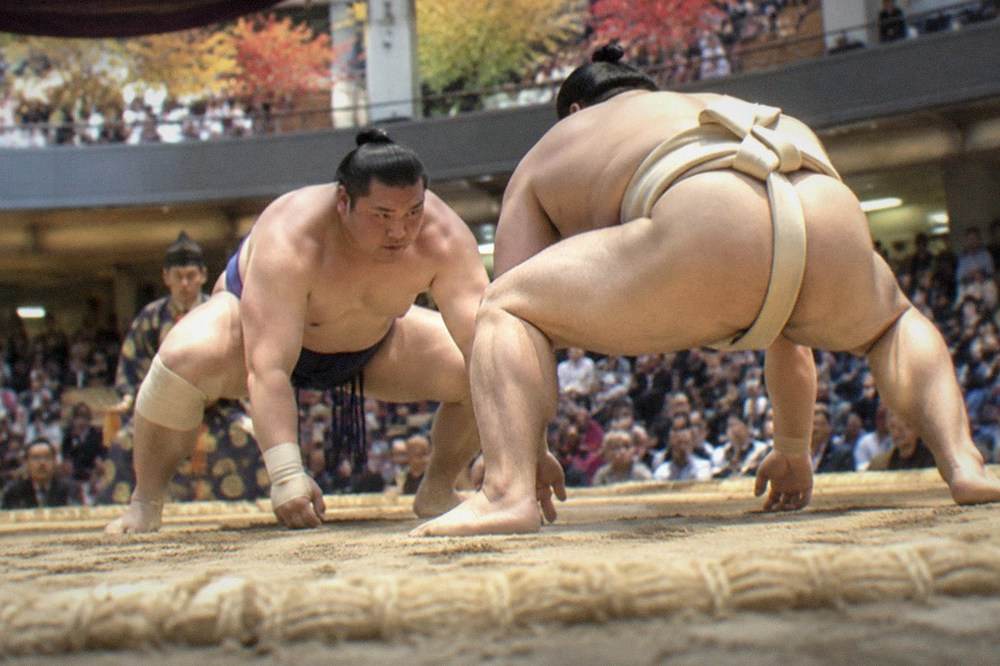
The November headline is the Kyushu Basho, the annual November grand sumo tournament held in Fukuoka and the only time all year top-division sumo is competitively staged in the city. Around it: autumn colour at Ohori Park and Maizuru Park, illuminations starting mid-month, oyster and motsunabe season at the yatai, and comfortable day trips to Dazaifu, Yanagawa and the Itoshima coast.
The sumo tournament deserves the top of any November list. Fukuoka is the host city for the November basho, one of the six annual grand tournaments, and the whole city leans into it: wrestlers and stables base themselves here for the fortnight, morning practice sessions are visible around Hakata, and the arena days build toward the finish. A guided seat makes the logistics simple, and there are a few ways to do it, from a tournament viewing tour to a morning practice visit combined with Hakata's old town.
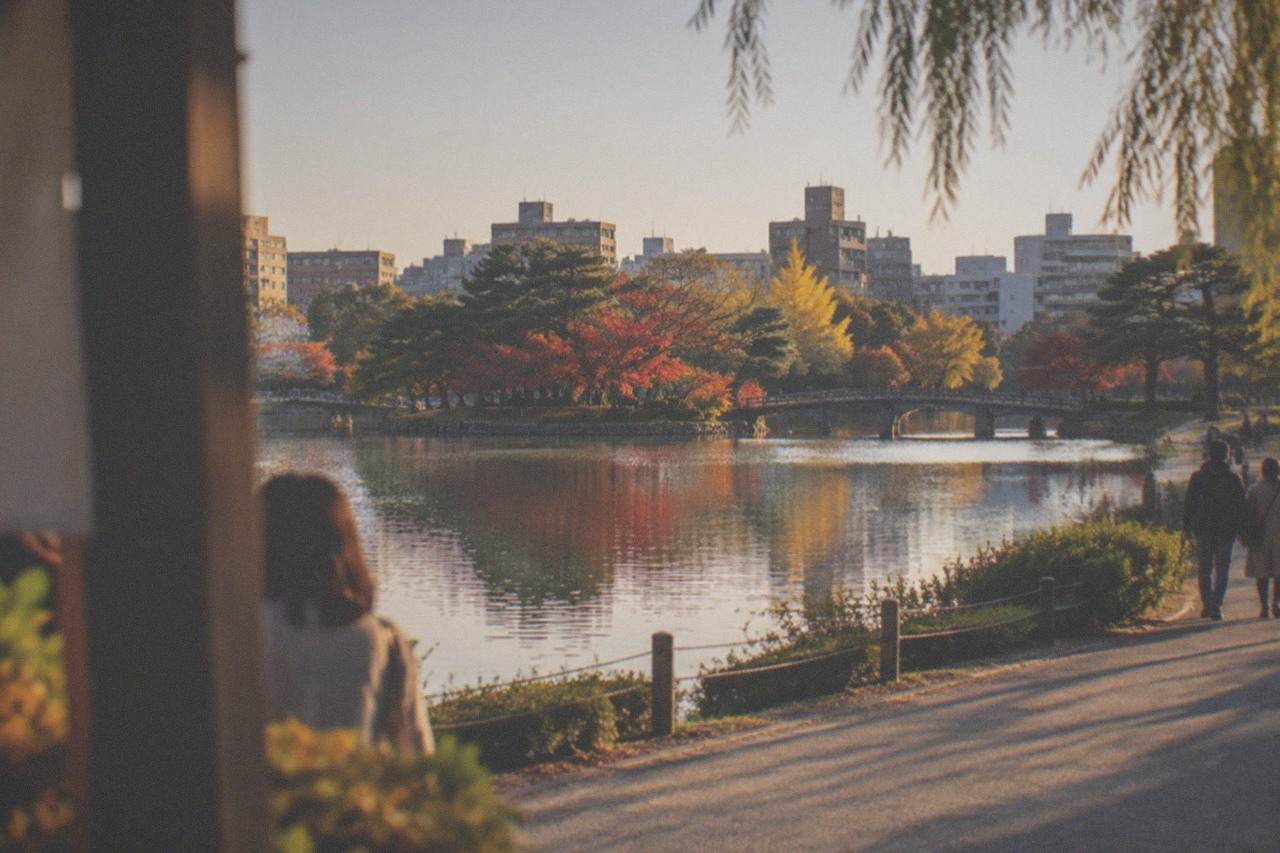
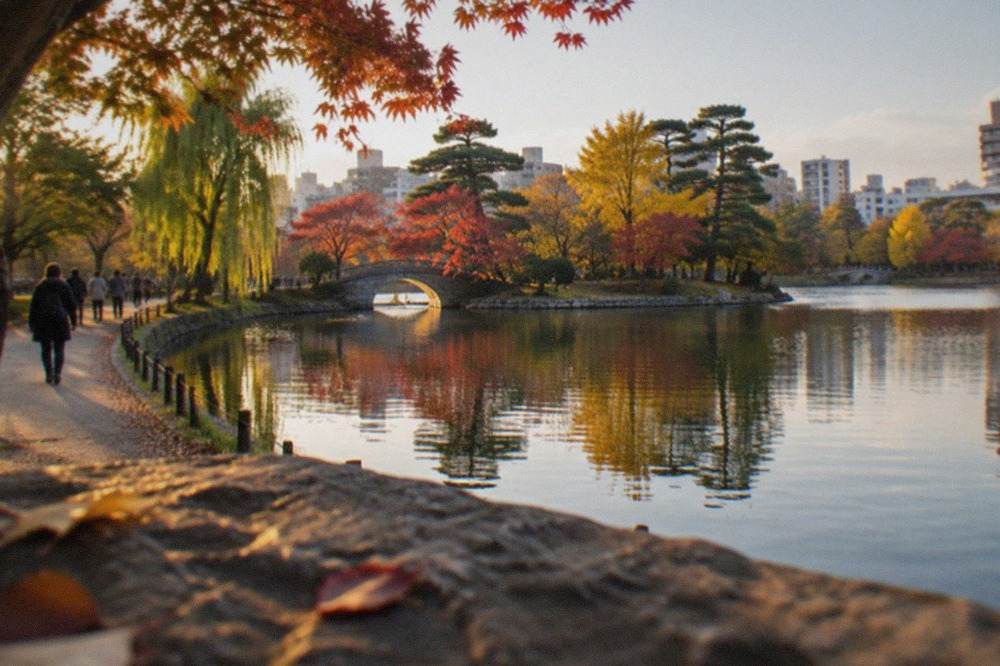
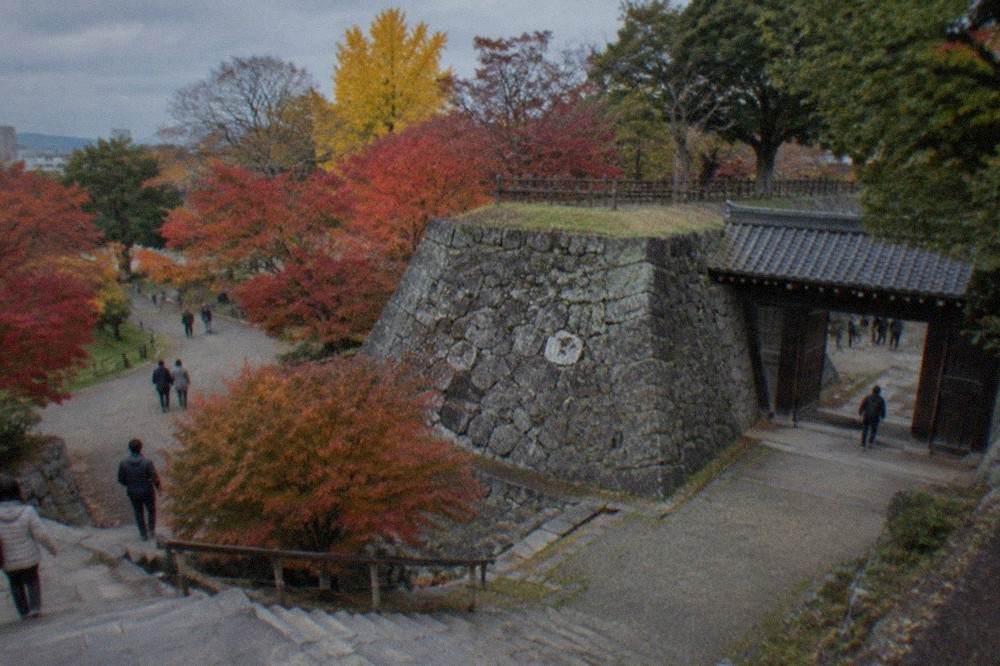
Beyond the sumo, November is prime park season. Ohori Park's water and tree line are the classic autumn frame in the city centre, and Maizuru Park around the Fukuoka Castle ruins holds its colour longer than most. The castle site has a live story this year: the Tenshudai, the main keep base, is closed to entry from May 26, 2026 until the end of December 2026 for an archaeological excavation, prompted by a document found in December 2024 describing a keep that may never have existed. The city's official castle site publishes the closure notice. The rest of the park remains open and free, and the dig itself has become something of a spectator attraction.
Evenings shift toward light. Fukuoka Tower begins its seasonal illuminations in early November, moving into a Christmas tree theme as the month goes on, and the city-wide Christmas Advent program starts opening markets and light displays around the same time. The tower's observation decks are open 9:30 to 22:00 with last admission at 21:30, and admission is ¥1,000 for adults, ¥500 for elementary and junior high students and ¥200 for children aged four and over.
| November activity | Where | Why November |
|---|---|---|
| Kyushu Basho sumo | Fukuoka Kokusai Center area | Only annual tournament in the city |
| Autumn leaves | Ohori Park, Maizuru Park | Peak colour mid to late November |
| Seasonal illuminations | Fukuoka Tower and citywide | Start early to mid November |
| Yatai food stalls | Nakasu, Tenjin, Nagahama | Cool evenings suit stall dining |
| Dazaifu day trip | 30 minutes by Nishitetsu | Komyozenji maples at their best |
Is November the Sumo Month in Fukuoka?
Yes. The Kyushu Basho is the November grand sumo tournament, it is staged in Fukuoka every year, and it is the only one of the six annual grand tournaments held in Kyushu. Morning practice viewing around the city's sumo stables runs at other times of year, but competitive top-division sumo in Fukuoka happens only in November.
That makes the month a genuine reason to time a trip. Tournament days run across roughly two weeks, with the highest-ranked wrestlers appearing in the late afternoon and evening, so a single afternoon ticket delivers several hours of escalating bouts. The arena is a short subway ride from Hakata, and the surrounding streets fill with chanko hot pot restaurants, the wrestler's stew, for the duration.
If you want the sumo experience without a tournament ticket, a morning practice and Hakata old town tour gets you inside a stable's training session instead, paired with a walk through the historic Hakata streets. There is also a sumo show with chanko hot pot option for travellers who want the pageantry and the meal in one sitting. All three take bookings, and the tournament-viewing tour in particular sells out on the strongest days, so check availability early in your planning.
Where Are the Best Autumn Leaves in Fukuoka?
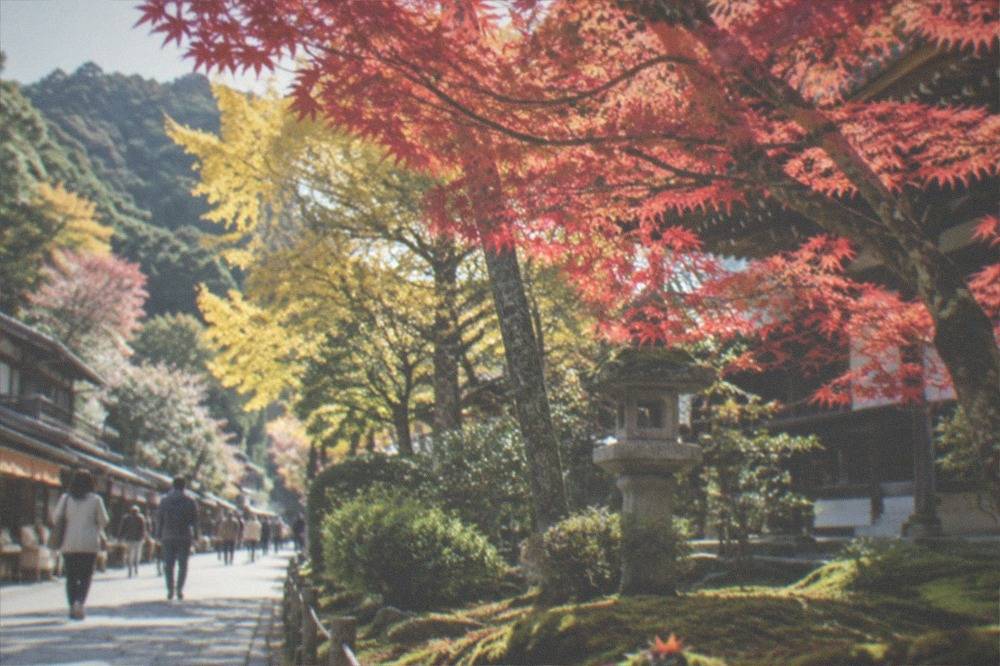
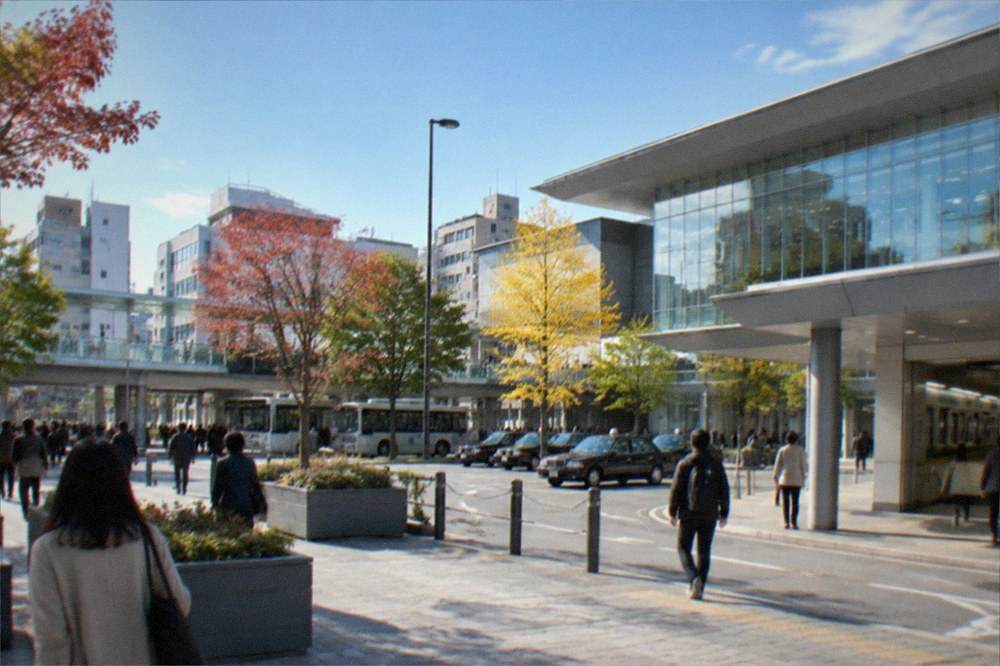
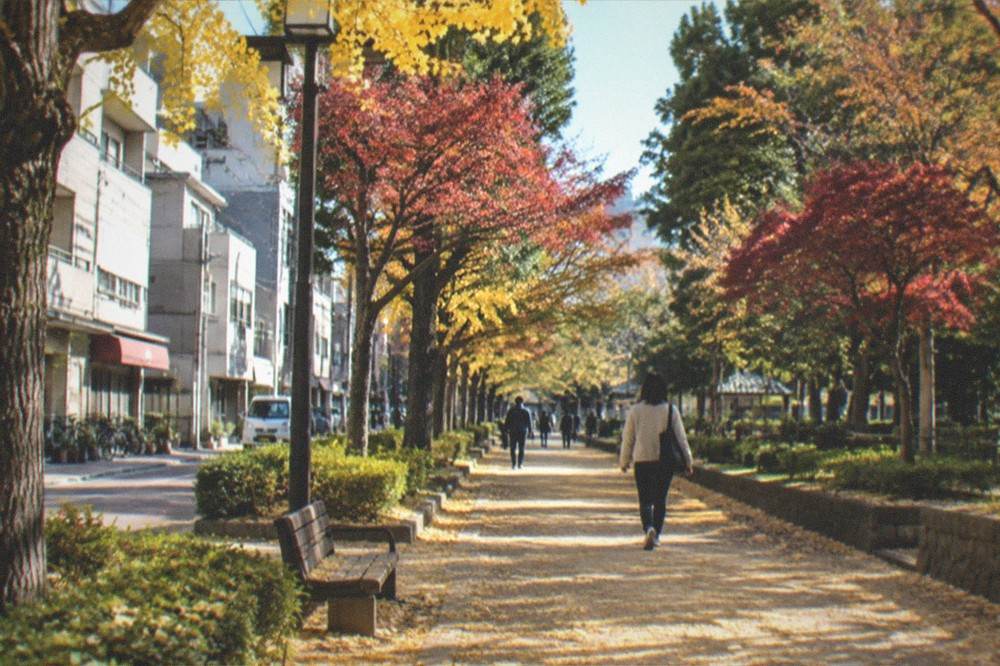
Fukuoka's autumn colour peaks mid to late November and runs into early December, with Ohori Park and Maizuru Park the reliable city-centre spots, Nishi Park a hillside favourite, and Komyozenji's moss garden at Dazaifu the standout half-day trip. The city parks often hold their colour longer than outlying areas, so a late-month visit loses little.
Inside the city, Ohori Park wraps its pond in gingko and maples, and the Japanese Garden on its museum side is a compact, manicured take on the season at ¥250 for adults and ¥120 for children, closed Mondays. Maizuru Park, wrapped around the castle ruins, carries about a thousand cherry trees that go gold rather than red, and its stone walls photograph well with colour behind them. Nishi Park, on a hill west of the centre, is a nationally recognised sakura spot in spring that turns quietly good in autumn, with views over Hakata Bay.
The strongest half-day trip is Dazaifu, about 30 minutes from Tenjin on the Nishitetsu line with one transfer at Futsukaichi. Komyozenji's moss and maple garden is the autumn picture everyone takes there, and neighbouring Kamado Shrine is a dependable maple and gingko pairing. The site's Dazaifu day trip guide covers the trains, and the full colour calendar is in where to see Fukuoka's autumn leaves.
| Spot | Type | Peak window | Cost |
|---|---|---|---|
| Ohori Park | City park, pond-side | Mid to late November | Free |
| Maizuru Park | Castle ruins, stone walls | Mid to late November | Free |
| Ohori Park Japanese Garden | Landscaped garden | Mid to late November | ¥250 adult |
| Nishi Park | Hillside, bay views | Late November | Free |
| Komyozenji, Dazaifu | Moss and maple garden | Mid to late November | Small garden fee |
What Should You Eat in Fukuoka in November?
November is when Fukuoka's cold-weather food arrives: motsunabe, the offal hot pot the city claims as its own, oysters from nearby waters, and Hakata ramen eaten at a yatai stall in a cool evening breeze. About 100 licensed yatai operate across the city, concentrated in Nakasu, Tenjin and Nagahama, and the ordinance governing them requires every stall to post its prices visibly.
That price-posting rule is worth knowing. The city's yatai basic ordinance bans vague "market price" pricing, so a stall must display what its dishes cost where you can see it before you sit. It removes the main anxiety visitors have about stall dining, and it is the honest answer to whether a yatai will overcharge you: the price is on the wall, and city inspectors check periodically. The stalls take walk-ins, you cannot book a seat at one, and many close in rain or strong wind, so a dry November evening is exactly when to go. Other pages covering the same trip are gathered on Fukuoka Japan Travel Guide.
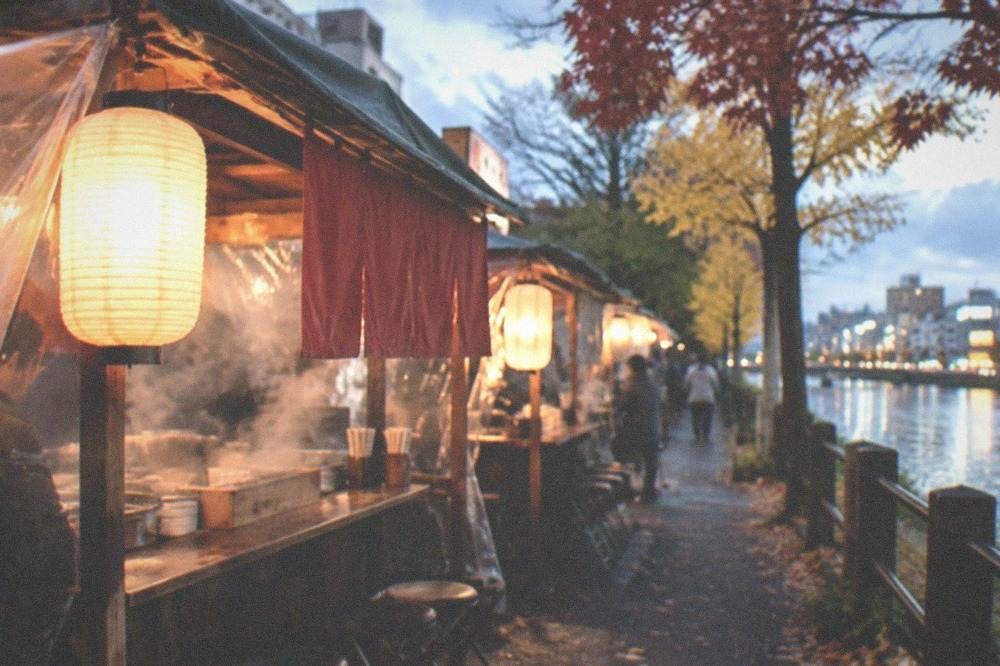
Motsunabe is the definitive November dish: a bubbling pot of beef or pork offal, cabbage, garlic and chili, cooked at your table. It exists because Hakata winters are damp and the dish fixes exactly that. Hakata ramen, the tonkotsu pork-bone broth with thin noodles and the kaedama noodle refill custom, needs no season but tastes better when the air has a chill in it. The full eating map is in the Fukuoka food guide, and the stall-by-stall breakdown is in the complete yatai guide.
If you would rather have a guide handle the ordering, two tours fit November well. A private Nakasu food stall tour with tastings walks the riverside stalls with a local making the choices, rated 4.7 from 70 reviews and from $94 per person. An evening tour covering yatai, izakaya and karaoke, from $99 per person and rated 5.0 from 29 reviews, stretches the night further.
What Day Trips Work Best in November?
November is the best month of the year for Kyushu day trips: Dazaifu for maples, Yanagawa for canal boats under late colour, Itoshima for oyster season on the coast, and the long-haul trips to Takachiho Gorge, Mount Aso and Yufuin, which all sit at their autumn best. Full-day destinations like Takachiho and Aso need the full day they are sold as, not a half-day plan.
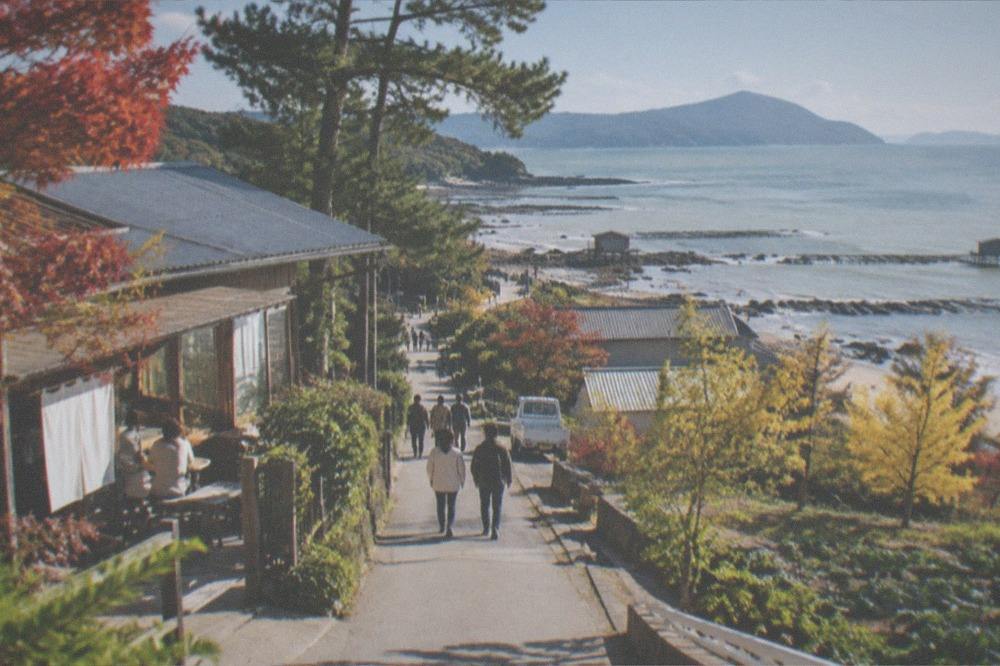
The Itoshima coast west of the city is a November sleeper. The peninsula's oyster shacks open for the season, the beaches are empty, and the light in late afternoon is the best the coast gets. An Itoshima hidden gems day tour, from $69 per person and rated 4.6 from 31 reviews, bundles the coastline's shrines, beaches and food stops without needing a car.
The biggest November day trip is Takachiho Gorge in Miyazaki Prefecture, where the columnar basalt cliffs and the gorge boat ride sit inside autumn colour that peaks this month. A Miyazaki and Takachiho day tour from Fukuoka, from $94 per person and rated 4.6 from 78 reviews, is the straightforward way to do it; the gorge is a long drive from the city and the tour price covers what would otherwise be a rental car and a full day of route planning and parking.
For a wider view of what fits in a day from Hakata, the site's day trips from Fukuoka guide ranks the options, and the Kyushu overview sets the geography.
How Many Days Do You Need in Fukuoka in November?
Four to five days is the sweet spot for November: two days for the city itself, including an evening at the yatai and a tournament afternoon if your dates align with the basho, one day for Dazaifu or Yanagawa, and one or two for a big Kyushu day trip like Takachiho or Aso. Three days works if you skip the long-distance trips and stay in the city.
The reason November rewards the extra day is that the month stacks: sumo, autumn leaves and the start of the illuminations all overlap, so a short trip forces choices a March visit would not. A first-timer's split that works well is one full city day covering Ohori Park, the castle ruins, Kushida Shrine and the Hakata old town, a second day built around the sumo afternoon with Nakasu at night, then Dazaifu with Komyozenji, then a coast or gorge day. The Fukuoka 4 day itinerary lays this out hour by hour, and shorter options start at the weekend itinerary.
Where you base matters less in November than in summer, because walking between neighbourhoods is pleasant again. Hakata Station keeps you closest to the sumo venue and the subway, Tenjin keeps you in the eating and shopping middle, and Nakasu puts the yatai row at your door. The trade-offs are laid out in where to stay in Fukuoka.
| Days | What fits in November |
|---|---|
| 2 | City highlights, one yatai evening, one park |
| 3 | Add Dazaifu or Yanagawa, plus an illumination night |
| 4 | Add a Kyushu day trip, e.g. Itoshima or Yufuin |
| 5 | Add the Takachiho or Aso long day, plus a sumo afternoon |
How Do You Get Around Fukuoka in November?
The subway is the backbone: single fares run from ¥210 for up to 3 km to ¥380 beyond 19 km, a one-day pass is ¥640 for adults, and the airport-to-Hakata leg costs ¥260 within the official 3 to 7 km band. The Fukuoka Tourist City Pass, at ¥2,500 city-only or ¥2,800 with Dazaifu, covers subway, buses, trains and ferries for a day, but only for overseas visitors on short-stay visas, with a passport checked at the counter.
That passport check is the detail most guides miss. The pass is sold at the airport, the Hakata and Tenjin bus terminals and subway customer centres, and the Dazaifu version excludes the Tabito liner bus, so plan the Dazaifu leg on the regular Nishitetsu trains. If you are only doing city days, the ¥640 subway day pass usually beats the Tourist City Pass unless your itinerary is bus-heavy.
Getting in is painless whatever the direction. Fukuoka Airport sits unusually close to the city centre, and the ¥260 subway fare into Hakata is one of the cheapest airport transfers in Japan. There is no JR Fukuoka Station: the city's main rail hub is Hakata Station, and Hakata is a ward of Fukuoka, the same city, not a separate destination. Arrivals from the north come in via the routes covered in Tokyo to Fukuoka, and the airport logistics are in Fukuoka Airport to the city.
What Should You Pack for Fukuoka in November?
Pack for 18°C afternoons and 10.6°C nights: layers, a light coat or jacket for evenings, one compact umbrella or rain layer for the month's 91.4 mm of rain, and comfortable walking shoes for park and shrine paths. By the last week of the month, expect to wear the coat all day.
The layering advice is genuine, not filler. Early November afternoons can feel warm in the sun on a sheltered street and cold in the wind off Hakata Bay within the same hour, and the yatai experience happens outdoors at night, seated on a bench in the open air. A warm mid-layer under a windproof coat covers the sumo-to-yatai evening that is November's signature itinerary. Beyond that, the month needs nothing exotic: no summer gear, no serious cold-weather kit, just the middle of your wardrobe.
| Item | Why in November |
|---|---|
| Light coat or jacket | Evenings at 10.6°C, colder late month |
| Warm mid-layer | Outdoor yatai dining, stadium evenings |
| Compact umbrella | 91.4 mm of rain across the month |
| Comfortable walking shoes | Parks, shrine approaches, castle walls |
| Camera or good phone | Peak autumn colour and illuminations |
For a fuller checklist, the site's Fukuoka packing list covers the whole year, and whether the month suits you at all is argued in is Fukuoka worth visiting in November.
Common Questions About Fukuoka in November
What To Do In Fukuoka In November?
Watch the Kyushu Basho sumo tournament, see autumn colour at Ohori Park, Maizuru Park and Dazaifu's Komyozenji, eat motsunabe and Hakata ramen at a yatai in the cool evenings, and catch the start of the seasonal illuminations at Fukuoka Tower and around the city.
Is November a good month to visit Fukuoka?
Yes. The month averages 14.2°C with about 91.4 mm of rain, the driest stretch since March, and it stacks sumo, autumn leaves and early illuminations into the same fortnight. Late November is when the autumn colour peaks.
Is the sumo tournament in Fukuoka in November?
Yes. The Kyushu Basho is the November grand sumo tournament and Fukuoka is its host city. It is the only time all year that top-division sumo is competitively staged here; morning practice visits run at other times.
When do the autumn leaves peak in Fukuoka?
Mid to late November in the city, running into early December in parks like Ohori and Maizuru, which hold colour longer. Around Dazaifu and Komyozenji the peak is mid to late November.
What should I wear in Fukuoka in November?
Layers for 18.2°C afternoons and 10.6°C nights: long sleeves by day, a light coat after dark, and a warm mid-layer for outdoor yatai dining. Bring a compact umbrella for the month's rain.
Is Fukuoka rainy in November?
Not especially. The month averages 91.4 mm of rain, less than half of July's 299.1 mm and drier than every month since March. Some days will be wet, but the month is not a washout.