Fukuoka in December
December in Fukuoka is cold, dry and bright by Japanese winter standards, with illuminations, hot pot food and some of the year's cheapest sightseeing crowds. Here is what the official climate record actually says, and how to plan around it.
Short answer
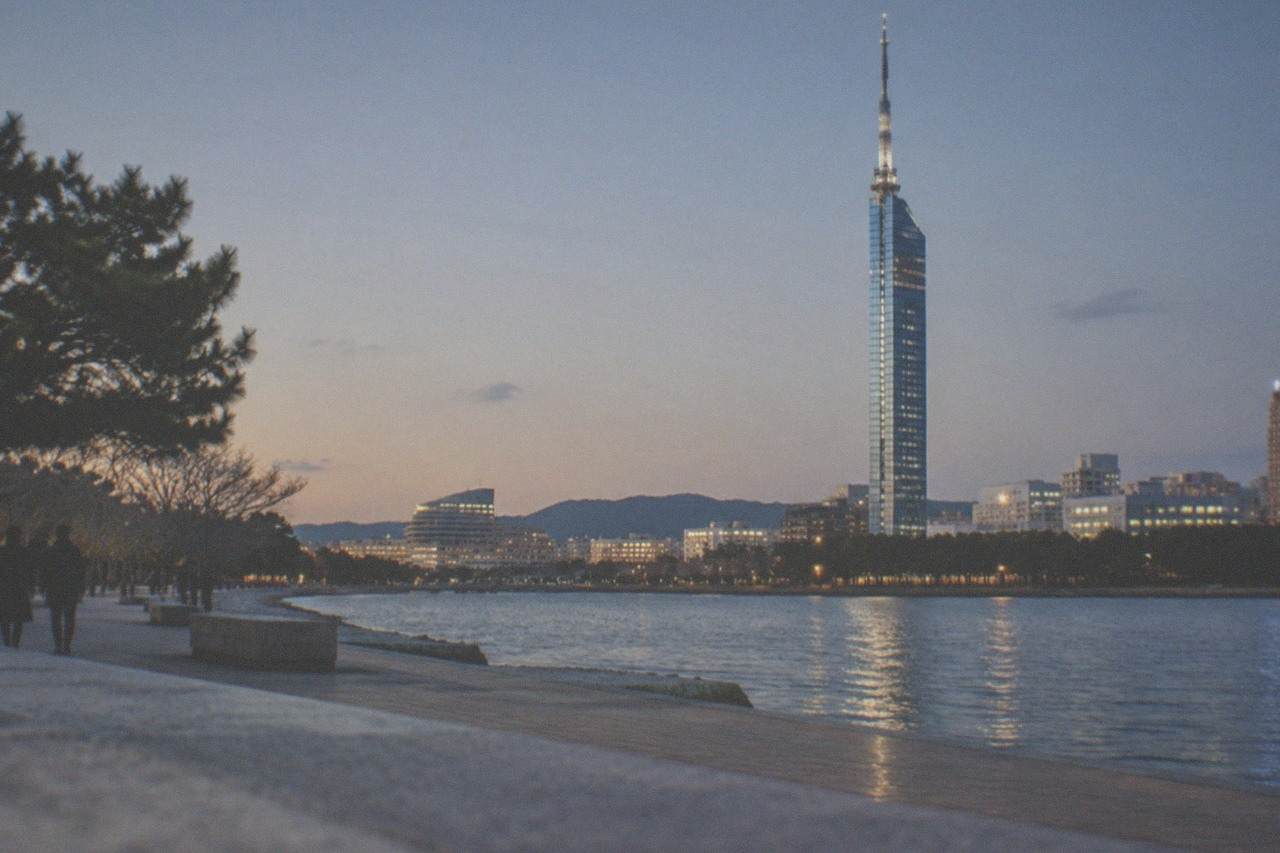
Snow in Fukuoka in December is rare. The Japan Meteorological Agency's 1991 to 2020 normals put December's mean temperature at 9.1 degrees Celsius with 67.5 mm of rain, the driest month of the year. Expect a cold, bright, largely snow-free city, with illuminations, winter hot pots and easy day trips.
Fukuoka in December is the city at its most manageable. The summer humidity is long gone, the typhoon season that runs roughly July through October has ended, and the Japan Meteorological Agency's 1991 to 2020 normals record just 67.5 mm of rain for the month, the lowest of any month in the city's official climate table. Crowds thin out between the autumn-leaf rush of late November and the New Year holiday, hotel rates in mid-December sit below their Golden Week and festival peaks, and the evenings fill with illuminations, steaming bowls of tonkotsu ramen and motsunabe hot pots.
This guide covers the honest version of December in Fukuoka: what the weather really does, whether snow is a factor, what stays open, what to eat, which day trips work, and how to pack for a month that is colder than most visitors from Southeast Asia expect but far milder than most visitors from northern Europe or North America fear.
Does It Snow in Fukuoka in December?
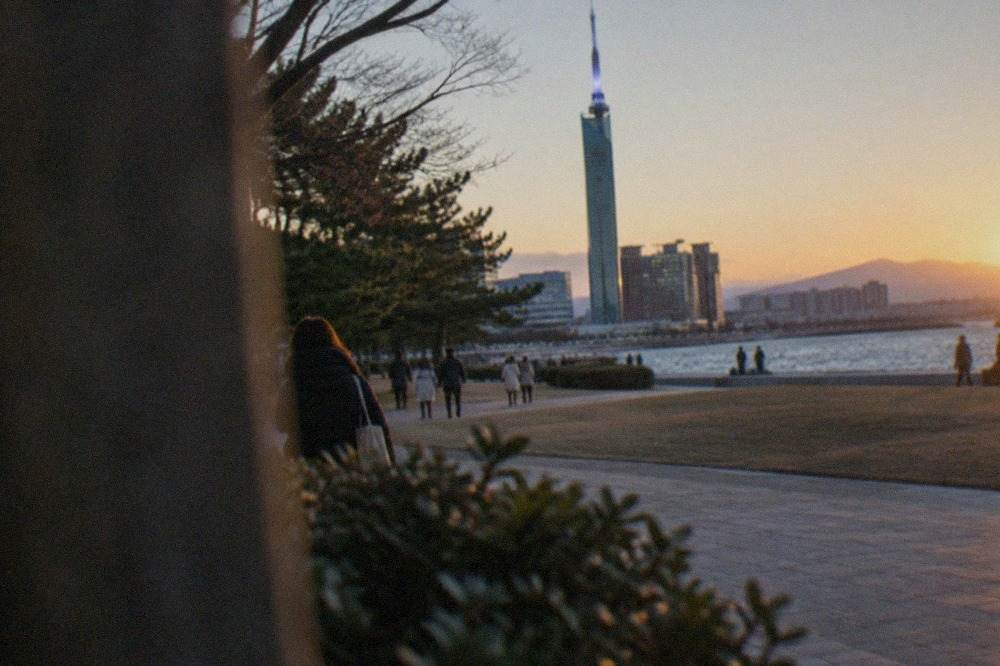
No, snow in Fukuoka in December is rare enough that most visits see none at all. Fukuoka sits on Hakata Bay on the Genkai Sea side of northern Kyushu, and the official climate normals give December a mean of 9.1 degrees Celsius, a daily maximum of 12.6 and a daily minimum of 5.8, all well above freezing. Snowfall does occur in the city some winters, but it is typically a light, brief dusting that melts on contact with the ground.
The reason is geography. The cold air masses that dump heavy snow on the Sea of Japan coast, on places like Niigata and Kanazawa, lose most of their moisture crossing the Sea of Japan and the mountains of northern Kyushu before they reach Fukuoka's bay-side position. What arrives is dry, clear, cold air. That is why December delivers 112.2 sunshine hours in the official normals, more than January or February, and why the month is the driest on the calendar at 67.5 mm. The full monthly table behind these figures is published by the Japan Meteorological Agency's Fukuoka station normals.
When snow does fall in Fukuoka, it is usually in January or February rather than December, and even then it rarely settles on the city streets for more than a few hours. The practical consequences for a December visitor are small. Trains and the subway run normally. Roads are not treated with salt as a matter of course because there is almost nothing to treat. If you are hoping to see snow, the reliable answer is to head uphill: the mountains inland from Fukuoka, and ski areas in Oita and Kumamoto prefectures further south, hold snow through the winter while the city stays bare.
What Is the Weather Like in Fukuoka in December?
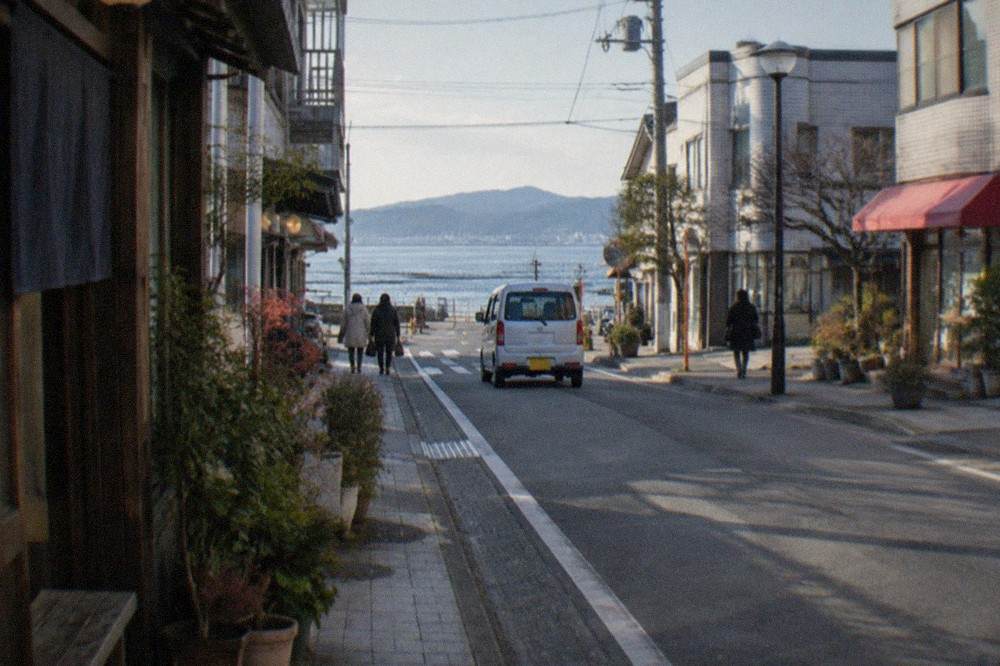
December is Fukuoka's driest and one of its sunniest winter months. The official 1991 to 2020 normals for the Fukuoka station record a mean temperature of 9.1 degrees Celsius, daily highs of 12.6, overnight lows of 5.8, 67.5 mm of rain and 112.2 hours of sunshine. Rain falls on far fewer days than in the summer, skies are often clear, and the air is dry enough that the cold feels sharper in the shade and milder in direct sun than the raw numbers suggest.
The month cools steadily as it goes. Early December often feels like a crisp extension of autumn, with afternoons comfortable in a light jacket in the sun. By the last week, highs closer to 10 degrees and nights dropping toward 2 to 4 degrees are normal, and the wind off Hakata Bay can make the waterfront feel several degrees colder than the sheltered shopping streets of Tenjin. None of this is severe by the standards of northern Honshu or Hokkaido, but visitors arriving from tropical climates consistently underestimate it.
| December figure (JMA normals, 1991 to 2020) | Value |
|---|---|
| Mean temperature | 9.1 °C |
| Mean daily maximum | 12.6 °C |
| Mean daily minimum | 5.8 °C |
| Precipitation | 67.5 mm |
| Sunshine hours | 112.2 h |
| Wettest month for comparison (July) | 299.1 mm |
One point worth knowing, because almost every other guide gets it backwards: July, not June, is Fukuoka's wettest month, with 299.1 mm against June's 249.6 mm in the same official table. December's 67.5 mm is less than a quarter of July's figure. If you are choosing between a summer visit and a December visit on weather grounds, the data argues for December more strongly than most people expect. The full month-by-month picture is in the Fukuoka weather guide, and the seasonal trade-offs across the whole year are compared in the best time to visit Fukuoka.
What Are the Best Things to Do in Fukuoka in December?
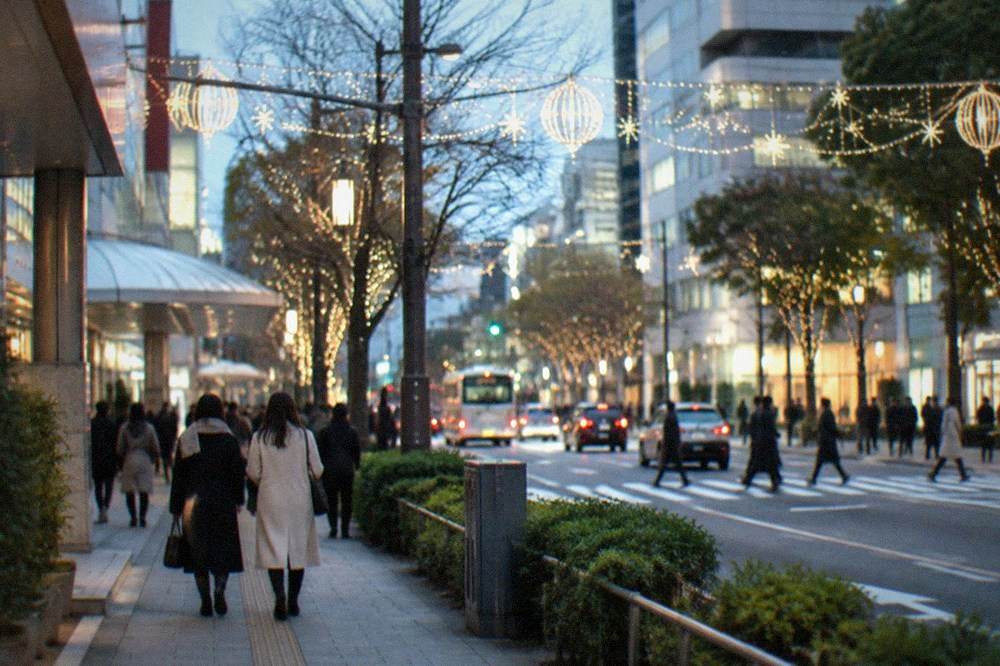
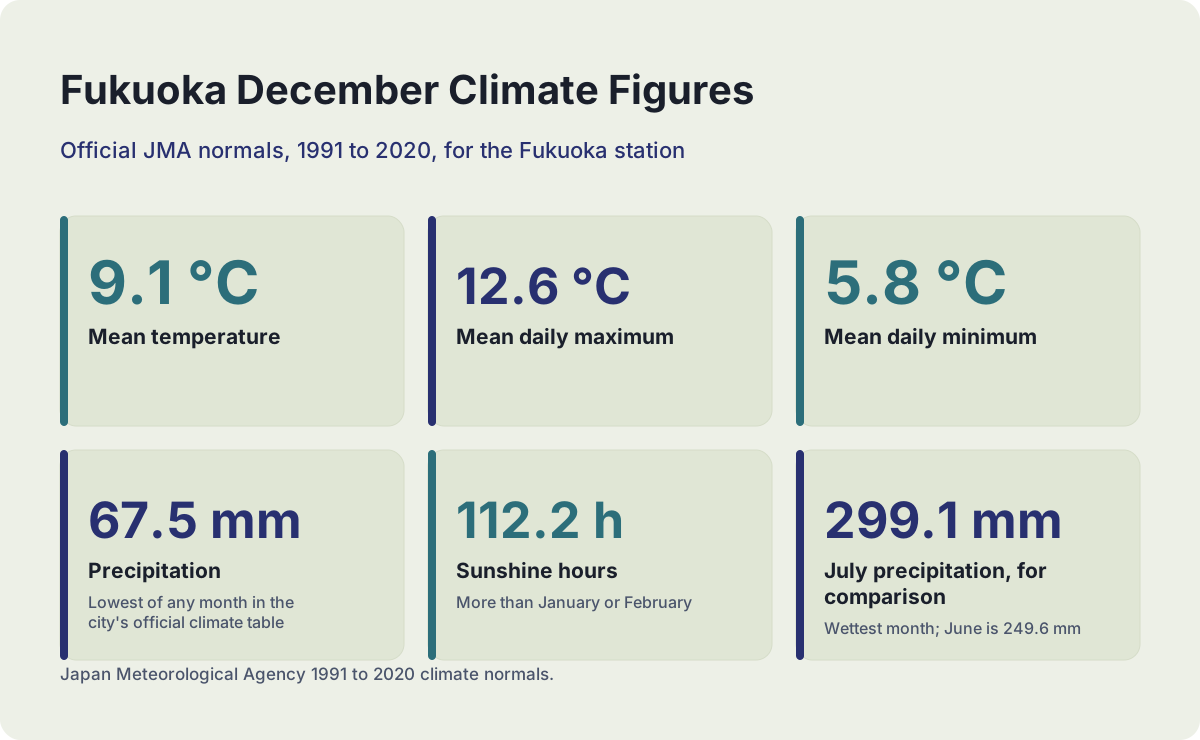
The best December activities in Fukuoka are the illuminations at Fukuoka Tower and across the city centre, indoor culture at the two city art museums and teamLab Forest, year-end food in Nakasu and the yatai stalls, and the free shrines and temple quarters of Hakata Old Town. Fukuoka Tower's exterior illumination switches to a Christmas tree theme from early November into December, and its observation deck at 123 metres is heated.
Start with the illuminations, because they are the month's signature. Fukuoka Tower runs seasonal exterior displays, with a Christmas tree motif from early November into December, and the surrounding city participates through the Fukuoka Christmas Advent programme, with markets and light displays at multiple venues, typically from early or mid-November to December 25. Nakasu's riverside Hikari no Advent illuminations often run from early November into early January, so the lights are still up for a New Year visit. The tower's admission is ¥1,000 for adults, ¥500 for elementary and junior high students and ¥200 for children aged 4 and over, and it is open 9:30 to 22:00 with last admission at 21:30, per the tower's own admission page.
Indoor options matter more this month than in May. The Fukuoka Art Museum in Ohori Park charges just ¥200 for its collection exhibition, is free for junior high students and younger, and is free for residents over 65. The Fukuoka Asian Art Museum in Hakata's Riverain Center is free to enter, with only the Asia Gallery charging, at the same ¥200 / ¥150 rates. Both are closed one weekday a week, Mondays for the Art Museum and Wednesdays for the Asian Art Museum, so plan around that. teamLab Forest, inside the BOSS E-ZO Fukuoka building next to the PayPay Dome, is a warm, dry, two-hour answer to a cold afternoon.
Cultural workshops are a December sweet spot, and a calligraphy session is the easiest to book. The Fukuoka Japanese Calligraphy Experience runs about two hours from $32 per person, is held indoors in the Tenjin area, and is rated 4.9 from 7 reviews. It suits the season: you sit on a heated floor, you learn a brush skill with a thousand-year history, and you leave with something you wrote yourself.
For a fuller indoor-and-outdoor mix, a private guide can route the day around the cold spots and the warm ones. The Fukuoka Private Tour with a Local: Highlights & Hidden Gems runs 2 to 8 hours from $65 per person and is rated 4.9 from 164 reviews, one of the larger review pools among the city's private guides.
Is December a Good Month for Dazaifu and Day Trips?
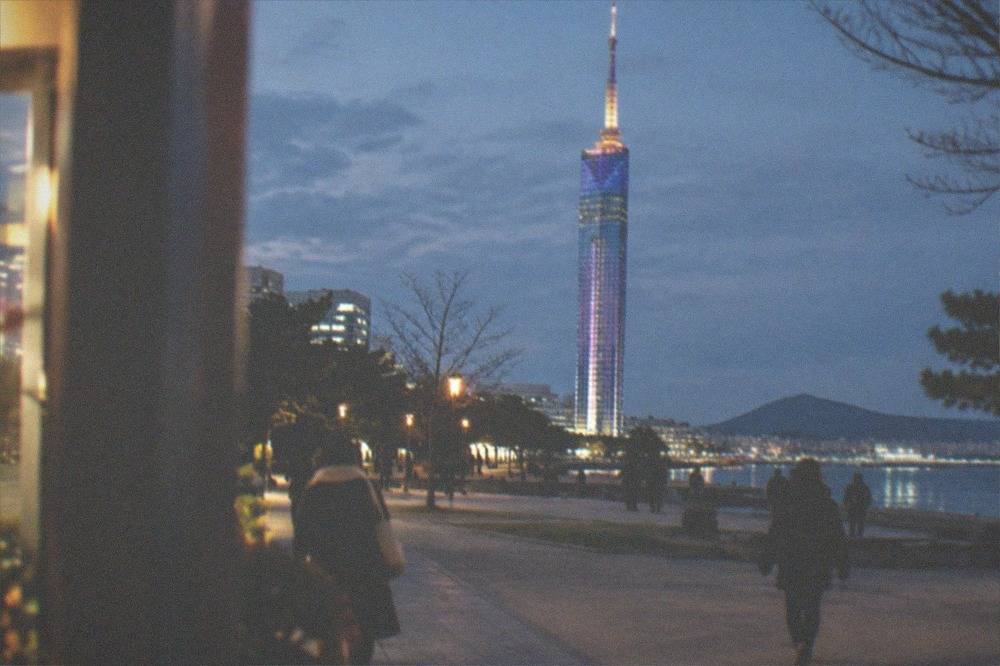
Yes, December is one of the best months for Fukuoka's day trips. The dry, clear air makes the views from Takachiho Gorge, Mount Aso and the Itoshima coast sharper than in the humid summer, the autumn colours linger into early December at Dazaifu's Komyozenji, and the crowds between late November and the New Year holiday are the year's thinnest. Dazaifu Tenmangu has no entrance fee, and the Nishitetsu run from Tenjin reaches it in about 30 minutes with one transfer at Futsukaichi.
Dazaifu is the classic half-day. The shrine's own FAQ states plainly that there is no entrance fee, and its approach street of teahouses serving umegae mochi is at its most atmospheric with a cold-weather crowd, when the grilled rice cakes come off the griddle steaming. The autumn-leaf window around Komyozenji and Kamado Shrine runs to mid and late November, so early December can still catch the tail of the colour. The same Nishitetsu line continues to Yanagawa, where the river boats run year-round and the canalled old town is quiet in winter. The Dazaifu day trip guide covers the routing in detail.
Full-day trips into Kyushu work well in December because the roads and skies are at their most reliable. The Takachiho Gorge tours are the most reviewed of the lot: the Takachiho Gorge and Amaterasu Railway tour with optional boat runs from $48 per person and is rated 4.8 from 713 reviews, one of the deepest review pools in the city's roster. The Mount Aso tours, from $46 per person, trade summer's clouded crater views for winter's clear ones, though mountain roads can close if weather turns. Beppu's hells, the steaming hot spring ponds, are arguably better photographed in cold air, when the steam column rises visibly. The full menu, with distances and seasons, is in day trips from Fukuoka.
| Day trip | Winter character | Typical tour price from |
|---|---|---|
| Dazaifu and Yanagawa | Calm crowds, late autumn colour, steaming umegae mochi | $50 per person |
| Takachiho Gorge | Clear, sharp gorge views; optional boat ride | $48 per person |
| Mount Aso | Clearest crater views of the year; possible road closures in bad weather | $46 per person |
| Beppu and Yufuin | Steam clouds rise visibly in cold air; onsen towns at their best | $48 per person |
| Itoshima coast | Empty beaches, clear Genkai Sea views | $69 per person |
The Itoshima peninsula deserves a specific December mention. In summer its beaches draw crowds; in December you get the same coastline, the same oyster shacks opening for the winter oyster season, and almost nobody else. The Itoshima day trip guide covers the beaches and the fishing ports, and the guided Hidden Gems version runs 8 hours 30 minutes from $69 per person, rated 4.6 from 31 reviews.
What Should You Pack for Fukuoka in December?
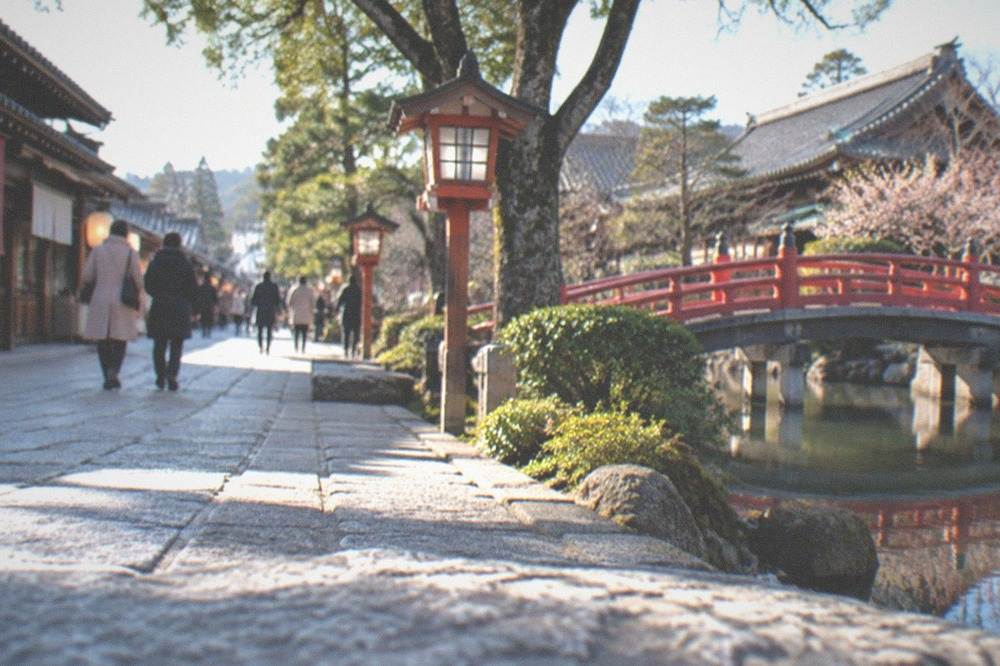
Pack for a dry cold that hovers in the single digits Celsius: a proper insulated coat, warm layers you can shed indoors, closed shoes, and something for the wind off Hakata Bay if you plan waterfront evenings. You do not need snow boots, a heavy down parka or thermal underwear for the city itself, though the mountains on day trips run colder. Hand warmers, sold in every convenience store, are the local answer to long illumination-viewing sessions.
The Japanese indoor-outdoor swing is the thing to plan around. Shops, trains and museums are heated to a level that makes a thick coat uncomfortable within minutes, so a coat over lighter layers beats a single heavy garment. The subway and Nishitetsu trains are warm; the walks between them are not. If your December plan includes the Fukuoka Tower deck, the Momochi waterfront or a night cruise, the bay wind is the real cold source, and it cuts through a light jacket.
| Item | Why December needs it |
|---|---|
| Insulated coat | Highs of 12.6 °C average, nights near 5.8 °C, colder on the waterfront |
| Layerable knitwear | Heated indoors everywhere; shed layers on trains and in malls |
| Scarf and gloves | For illumination evenings and open-deck viewing |
| Comfortable closed shoes | Dry but cold pavement; no snow gear required |
| Compact umbrella | 67.5 mm of rain, the driest month, but not a dry one |
| Hand warmers | Sold at convenience stores; standard kit for illumination viewing |
One packing note that saves money: almost everything on this list can be bought in Fukuoka for less than checked-baggage fees on some carriers, and the city's luggage-storage options mean you can shop on your last day without hauling bags. The Fukuoka packing list goes into more depth, and the luggage storage guide covers the coin lockers at Hakata Station and the private services around it.
What Should You Eat in Fukuoka in December?
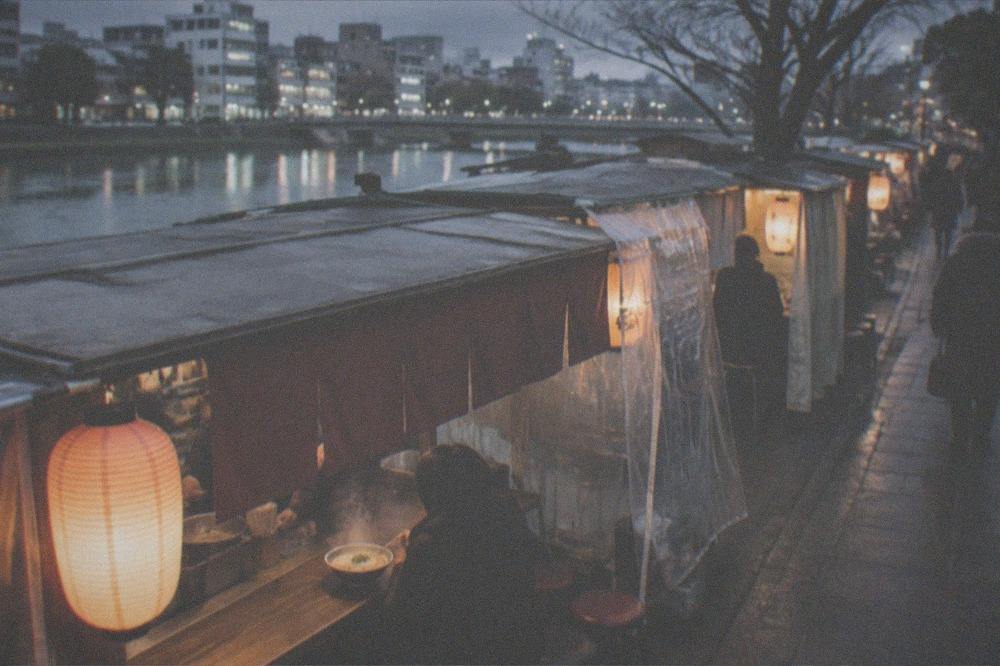
December is motsunabe season. Fukuoka's signature beef offal hot pot is a cold-weather dish, the yatai stalls are at their best when the steam rises into cold air, and the winter oyster season on Itoshima and the year-end sake releases make this the city's most rewarding eating month. Hakata ramen's tonkotsu broth, rich and pork-bone-white, also lands differently in December than in the humid summer, when many locals find it too heavy.
The yatai are the emblematic answer. Fukuoka has about 100 licensed food stalls, more than any other Japanese city, concentrated in Nakasu along the Naka River, in Tenjin along Watanabe-dori and Showa-dori, and in Nagahama near the old fish market. They set up from 17:00 and may occupy their plots until 4:00 the next day under the city's ordinance, though most open around 18:00 to 18:30 and close in the small hours. Rain and strong wind close many of them, and no stall is required to open any given night, which is part of the deal.
The city's own yatai ordinance, in force since 2013, requires every stall to display its prices where customers can easily see them, and bans vague "market price" pricing: a dish priced on the day's market cost must show that day's actual price. City inspectors check periodically, as the city's official yatai Q&A page makes clear. That is the honest answer to the question every visitor quietly has, whether the bill will be a surprise, and it is a better answer than almost any competing guide gives.
You cannot book a yatai stall; they take walk-ins only, and the wait for a seat at a popular Nakasu stall on a December evening is part of the experience. What you can book is a guided crawl, which trades the wait for a local who knows which stall does the best yakitori and how to order. The evening tours covering yatai, izakaya and karaoke run 3 to 4 hours from $99 per person and are rated 5 from 29 reviews, a small but perfect pool. The private Nakasu stall tour with tastings runs 2 hours from $94, rated 4.7 from 70 reviews. The etiquette, the areas and the ordering mechanics are all in the Fukuoka yatai guide.
Beyond the stalls, December is when the city's restaurants roll out their winter menus. Motsunabe restaurants in Hakata and Nakasu fill with year-end office parties, and a shared bubbling pot is the natural December dinner. The broader Fukuoka food guide maps the signature dishes, and the guided food tours page lists the crawls that cover Hakata's old town and the Nishinakasu drinking quarter.
Sake deserves a December highlight too. Year-end is when breweries ship their new-season pressings, and a tasting with appetizers in Nishinakasu, from $51 per person for two hours with three small dishes, is a warm, seated way to spend a cold evening. It is rated 4.6 from 7 reviews, a genuinely new listing with a small pool.
Where Should You Stay and How Do You Get Around in December?
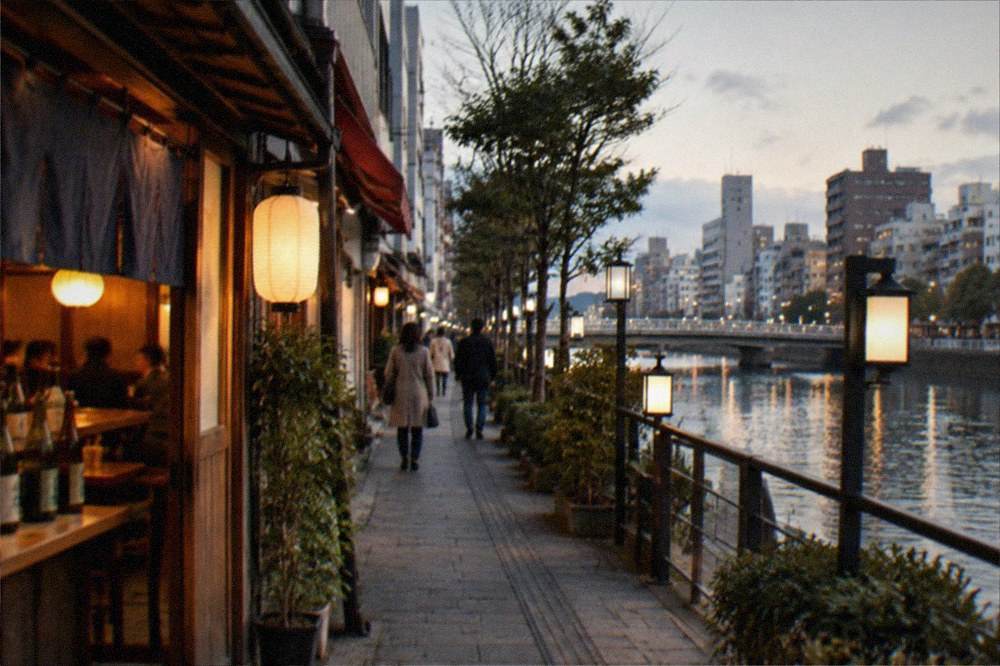
Stay in Hakata or Tenjin in December, both for the heated indoor connections and because the illuminations, yatai and year-end markets are all in or between those two districts. Hakata Station is the city's rail hub, there is no JR Fukuoka Station because Hakata is the station and Hakata is a ward of Fukuoka, the same city. The subway from Fukuoka Airport to Hakata costs ¥260, and the airport is unusually close to the centre, which makes December's short days easier to manage.
The Hakata-versus-Tenjin choice is covered in depth in where to stay in Fukuoka, but December tilts it slightly. Short days mean you will do more in the dark, and Hakata's station-city complex, with Canal City Hakata's shops open until 21:00 and restaurants until 23:00 every day of the year, lets you move between dinner, illuminations and bed mostly underground or under cover. Tenjin wins for the underground mall and the after-work energy of the yatai rows.
Getting around is cheap and simple. A subway one-day pass costs ¥640 for adults and covers all three lines from first train to last train, with discounts at partner facilities on the day of use. The Fukuoka Tourist City Pass, at ¥2,500 for the city version and ¥2,800 with Dazaifu included, is restricted to overseas tourists on short-stay visas and requires a passport check at the counter, a detail most competing guides still miss because they quote prices years out of date. The getting around Fukuoka guide compares every pass honestly. Arriving from elsewhere in Japan, the Tokyo to Fukuoka, Osaka to Fukuoka and Kyoto to Fukuoka routes all land at Hakata, and the airport-side details are in Fukuoka Airport and the airport to city guide.
What December Events and Closures Should You Plan Around?
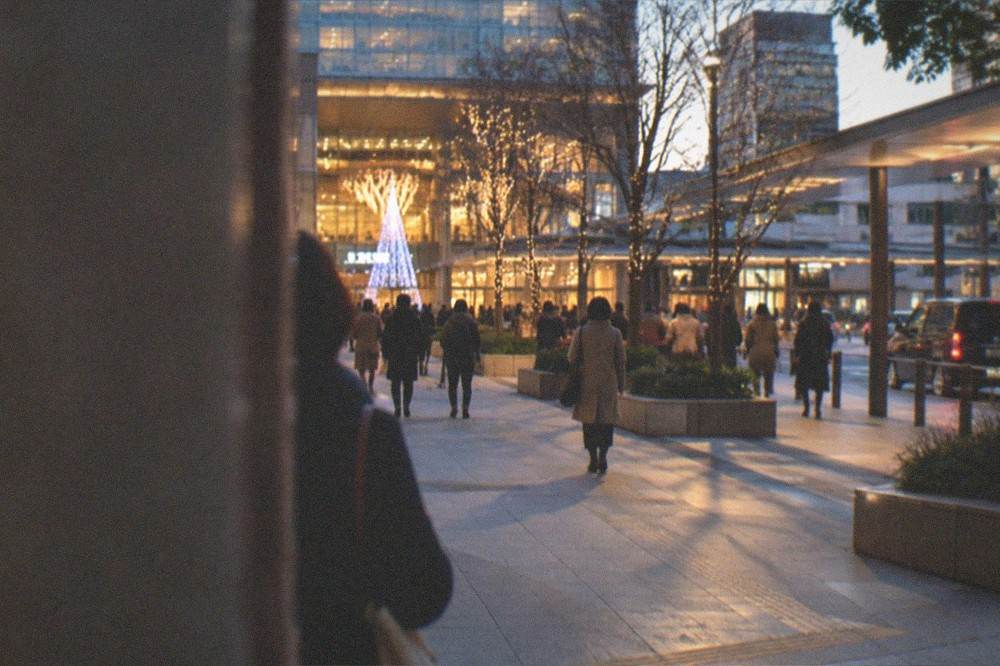
December's events are the illuminations and the Christmas Advent markets running to December 25, followed by the New Year run-up, when shrines prepare for their busiest week and some museums close from late December into early January. The Fukuoka Art Museum closes December 28 to January 4 and the Asian Art Museum December 26 to January 1, and Fukuoka Castle's Tenshudai is closed until the end of December 2026 for an archaeological excavation. Plan indoor museum visits for mid-month and shrine visits for the New Year atmosphere.
The castle closure deserves a sentence of its own because it is a genuinely good story. The Tenshudai, the stone base of the main keep, has been closed to entry since 26 May 2026 and stays closed until the end of December 2026, because a document discovered in December 2024 described a keep that may never have existed, and the city tripled its excavation area in 2026 to find out. The rest of Maizuru Park and the castle ruins remain free to wander. Whether the "phantom keep" was real is still an open question, which is not something you can say about most castle sites.
The New Year run-up changes the city's rhythm. From around December 29 or 30, offices empty, department stores run year-end sales, and the focus shifts to osechi preparation and the first shrine visit of the year. Kushida Shrine, Hakata's parish shrine, fills with vendors and visitors in the first days of January. If your trip spans the New Year, expect crowded trains on January 1 and 2, many small restaurants closed for a few days, and shrines at their most alive. The Fukuoka festivals guide covers the January calendar, including Tamaseseri at Hakozakigu on January 3, when loincloth-clad teams scramble for a sacred wooden ball.
| Date or window in December | What happens | Planning note |
|---|---|---|
| Early to mid-December | Illuminations at peak, thinnest sightseeing crowds | Best window for museums and day trips |
| To December 25 | Christmas Advent markets and tower displays | Markets end on the 25th, lights often run into January |
| December 26 to 28 | Museums begin year-end closures | Asian Art Museum closes the 26th, Art Museum the 28th |
| December 29 to 31 | Year-end sales, offices close, small restaurants shut | Book dinners ahead; department stores busy |
| January 1 to 3 | Shrine visits, Tamaseseri on January 3 | Trains crowded; shrines at their liveliest |
For a full seasonal comparison, including why the cherry-blossom crowds of late March and the Yamakasa festival crowds of July price differently, the month-by-month breakdown in the best time to visit Fukuoka is the companion piece to this page. This site's Fukuoka Japan Travel Guide homepage ties the whole calendar together.
A night cruise is one more December option worth weighing: the bay lights, the tower illumination and the city skyline from the water, in three hours from $96 per person. It is a genuinely new listing with no rating published yet, which is worth knowing before you book. The Fukuoka viewpoints guide covers the land-based alternatives if the bay wind sounds unappealing.
If you would rather stay on dry land, the trio below covers the three December experiences this guide keeps coming back to: a warm indoor workshop, the tower that anchors the illuminations, and a seated sake tasting for the cold evenings. All three are short, city-centre and easy to fit around a day of walking.
Common Questions About Fukuoka in December
Does It Snow In Fukuoka In December?
Snow in Fukuoka in December is rare. The city's official climate normals put December's mean temperature at 9.1 degrees Celsius with overnight lows averaging 5.8, well above freezing, and 67.5 mm of precipitation, the driest month of the year. When snow does fall in the city it is usually January or February, and it rarely settles.
Is December a good time to visit Fukuoka?
Yes. December is dry, bright and uncrowded relative to the festival months, with illuminations across the city, hot pot food at its peak and day trip views at their clearest. The trade-offs are short daylight hours and cold evenings, and a few museum closures at the very end of the month.
How cold does Fukuoka get in December?
The official 1991 to 2020 normals give December a mean of 9.1 degrees Celsius, daily highs of 12.6 and overnight lows of 5.8. The waterfront feels colder in the wind off Hakata Bay, and the first days of the month are noticeably milder than the last.
Are the yatai food stalls open in December?
Yes, the roughly 100 licensed stalls operate through winter, opening around 18:00 to 18:30 and running into the small hours. They close for rain, strong wind and at each operator's discretion, so no stall is guaranteed on a given night. The city ordinance requires every stall to display its prices clearly, so the bill should not surprise you.
What is there to do in Fukuoka on a rainy December day?
The indoor options are strong: teamLab Forest, the two city art museums at ¥200 each, Canal City Hakata, the Tenjin underground mall, and indoor cultural workshops like the calligraphy experience. The Fukuoka Asian Art Museum building is free to enter, with only the Asia Gallery charging.
Do the day trips from Fukuoka run in December?
Yes, and December is one of the better months for them. The dry, clear air sharpens the views at Takachiho Gorge, Mount Aso and on the Itoshima coast, and crowds are thin before the New Year. Mountain roads can close in bad weather, so keep a flexible plan for the Aso tours.