Watching Baseball in Fukuoka
Fukuoka is one of Japan's genuine baseball cities, and its team plays indoors, which changes how you plan a trip around a game more than most visitors expect.
Short answer
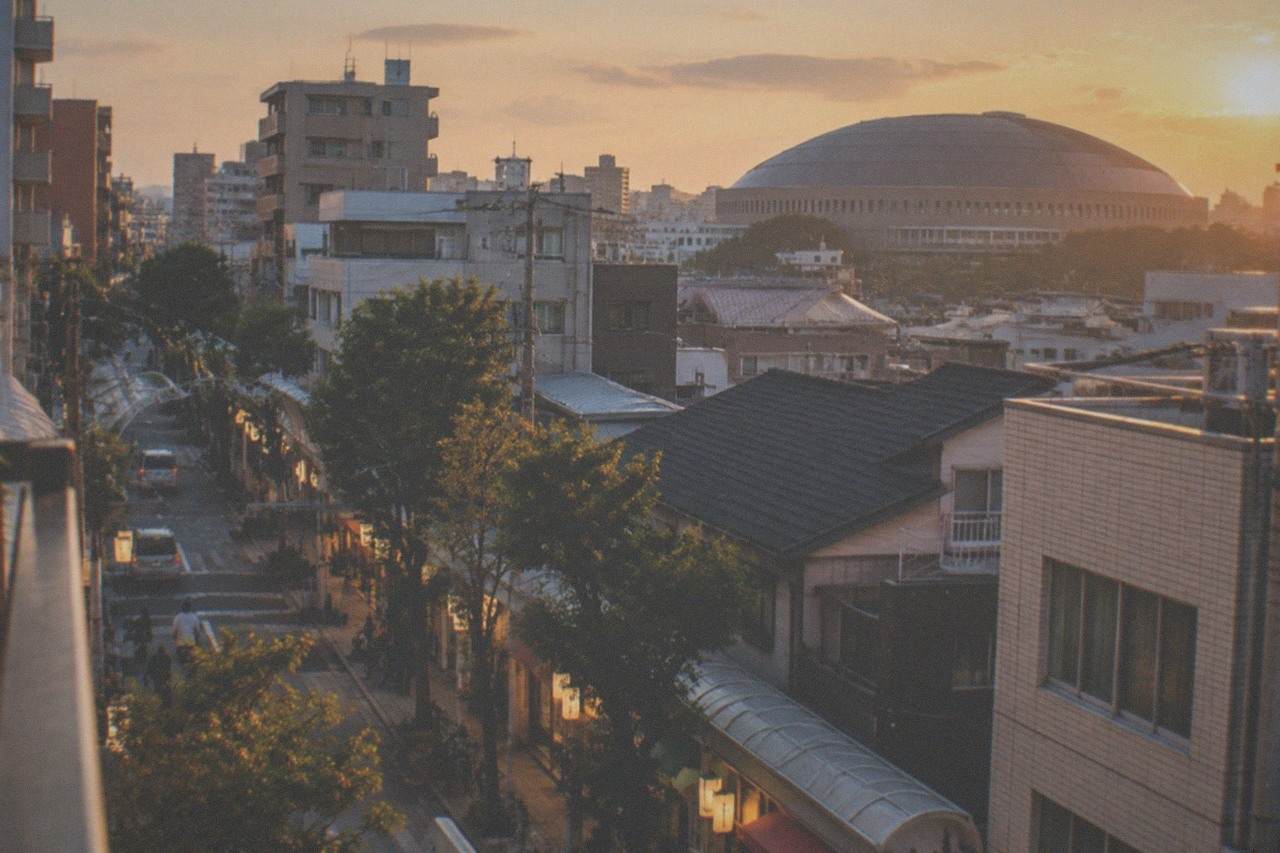
The SoftBank Hawks play at Mizuho PayPay Dome in western central Fukuoka, reachable on the city subway, with the wider Chikko and Momochi area offering parks, museums and waterfront walks around a game. Tickets are sold through the club's own channels and prices vary by seat and opponent, so no single figure applies.
Baseball in Fukuoka is not a niche interest tucked behind the ramen and the yatai. It is one of the things the city does most seriously. The SoftBank Hawks are the local NPB club, they play their home games at Mizuho PayPay Dome on the western side of the city centre, and the whole area around the ballpark shifts into a different rhythm on game days. Because the dome is a fully indoor stadium, a Hawks game is also one of the few big nights out in Fukuoka that rain cannot cancel, which matters more here than in most Japanese cities, as the weather section below explains.
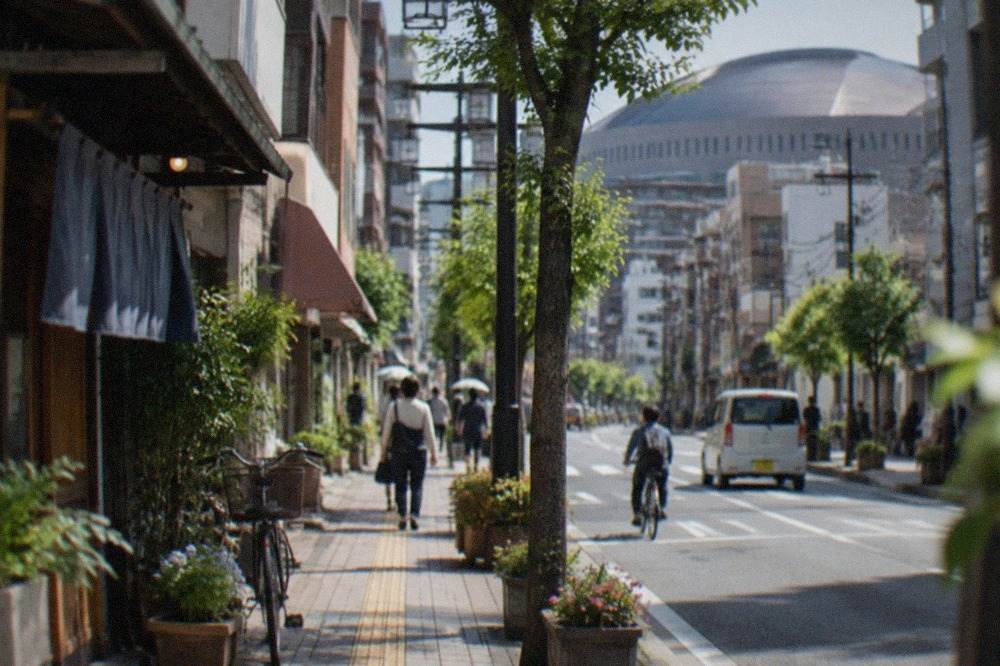
This guide runs through where the Hawks play, how the season works, how to reach the dome, how tickets are actually sold, and what to do with the rest of a game day in the neighbourhood around it. It also covers what to do when the team is on the road, because a Fukuoka trip planned around baseball does not have to end when the schedule says the Hawks are away. For the venue itself in depth, the site carries a full page on Mizuho PayPay Dome, and for the wider question of which month to travel in, see the best time to visit Fukuoka.
Where Can You Watch the Fukuoka SoftBank Hawks Play at the Dome?
The Hawks play their home games at Mizuho PayPay Dome, an indoor ballpark in the Chikko area on the western edge of central Fukuoka, a short subway ride from both Hakata Station and Tenjin. The venue sits within walking distance of Ohori Park and the Momochi waterfront, so a game slots easily into a day built around the city's west side rather than requiring a dedicated expedition.
The dome is the club's permanent home and has been for decades, which means the surrounding neighbourhood has grown up around game-day rhythms. Bars, restaurants and shops in the Chikko and Momochi direction see steady traffic before first pitch and after the last out. Unlike open-air ballparks, the roof means the schedule is not hostage to the weather; a July downpour that empties the yatai rows does nothing to a dome game.
The Hawks are a Pacific League club and one of the most consistently strong teams in Japanese professional baseball, which shows in the atmosphere: home crowds are large, loud and well drilled in the chants for each player. For a visitor, the spectacle is as much the crowd and the organised cheering sections as the game itself. If you have never watched a Japanese baseball game, the noise, the trumpets and the team-coloured banners are a genuine cultural experience, not just sport.
The venue page linked above covers the building's layout, its history and its non-baseball events in detail. The rest of this guide stays on the practical question: how you, as a visitor with limited Japanese and a trip to plan, actually get to a game and enjoy the evening.
When Is the Baseball Season in Fukuoka?
NPB's regular season runs from late March or early April through to October, with the Hawks playing home games at the dome across that whole span. The climax of the Japan-wide calendar is the postseason in autumn, and Fukuoka's summer games coincide with the city's biggest festivals, so the season overlaps neatly with almost every good reason to be in Fukuoka.
The practical consequence for a traveller is that there is no bad month in the season to visit, only different trade-offs. Spring games arrive with the cherry blossom window, which in Fukuoka typically means first bloom in late March and full bloom at the end of March into early April. Summer games sit alongside Hakata Gion Yamakasa, the city's great July festival, which runs July 1 to 15 each year and culminates in the Oiyama race on the morning of July 15. Autumn games overlap with the climb toward the postseason and with the autumn leaf season, which colours the city's parks from mid to late November.
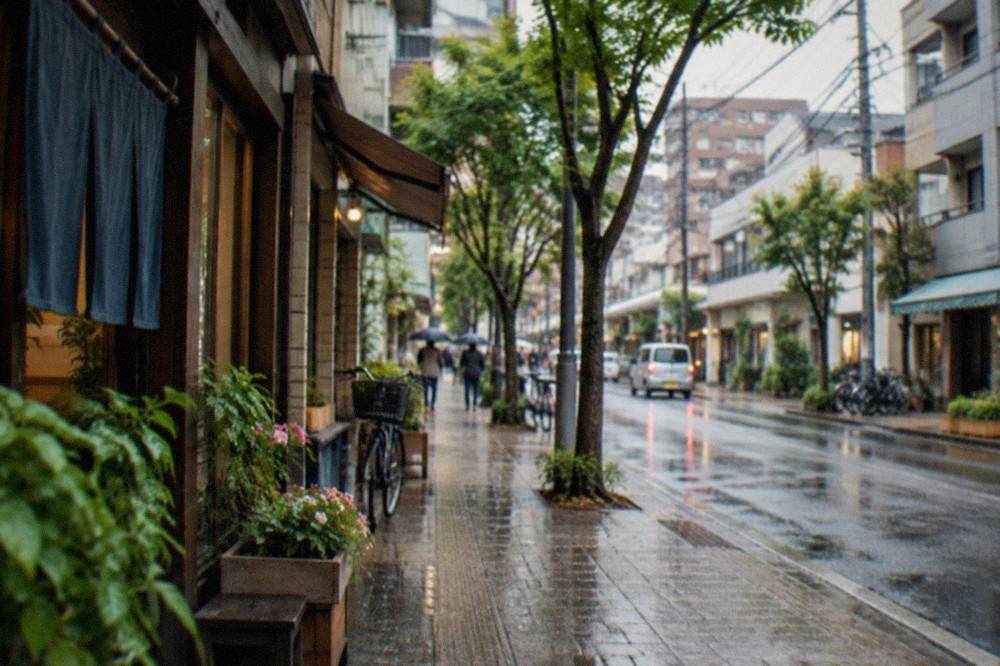
One weather point is worth making, because it runs against what most guides imply. The Japan Meteorological Agency's 1991 to 2020 normals for the Fukuoka station show that July, not June, is the city's wettest month: 299.1 mm of rain against June's 249.6 mm, even though June is the tsuyu rainy season and July is festival month. An indoor ballpark is therefore a genuinely useful thing to have in your back pocket in midsummer. A dome game is one of the few big evening plans in Fukuoka that survives a downpour intact.
A note on the calendar: specific game dates, opponents and start times are published by the club through its own official channels, and they change across the season. Do not plan a trip around a game you have not confirmed exists on the date you will be in the city. The club's schedule pages are the source of truth.
How Do You Get to Mizuho PayPay Dome?
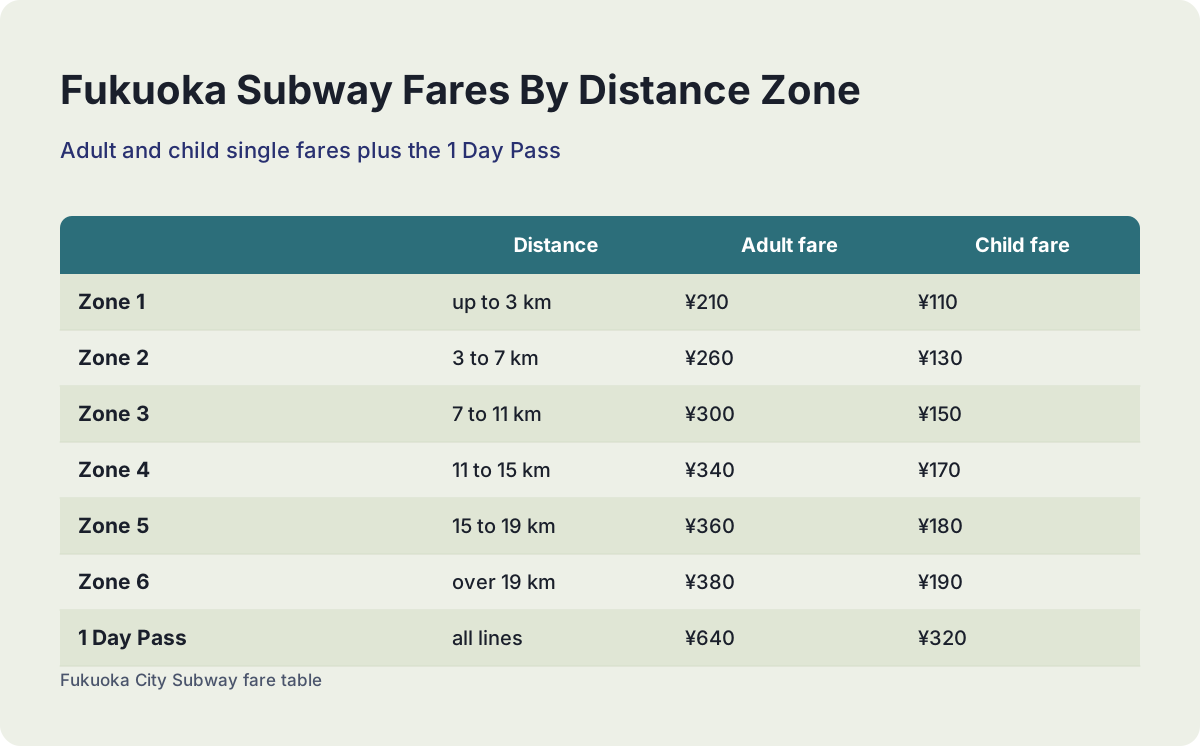
The dome is served by the Fukuoka City Subway, with Tojinmachi the closest station on the Kuko (Airport) line, and the ride from Hakata or Tenjin is a few stops on a system that is cheap, signed in English and extremely visitor-friendly. A single adult subway fare starts at ¥210 for the shortest zone and rises by distance, and a one-day pass costs ¥640 if you plan to ride more than a couple of times.
The subway is the answer for almost every visitor. Fukuoka's three-line system connects the airport, Hakata, Tenjin, Nakasu-Kawabata and the western side of the city where the dome sits, and the whole network is covered by the standard Japanese IC cards as well as the local Hayakaken card. The official fare table is worth knowing in outline:
| Subway fare zone | Distance | Adult fare | Child fare |
|---|---|---|---|
| Zone 1 | up to 3 km | ¥210 | ¥110 |
| Zone 2 | 3 to 7 km | ¥260 | ¥130 |
| Zone 3 | 7 to 11 km | ¥300 | ¥150 |
| Zone 4 | 11 to 15 km | ¥340 | ¥170 |
| Zone 5 | 15 to 19 km | ¥360 | ¥180 |
| Zone 6 | over 19 km | ¥380 | ¥190 |
The one-day pass, officially the 1 Day Pass, costs ¥640 for adults and ¥320 for children, is valid on all three lines from first to last train, and is sold at station ticket machines and customer service centres as well as the international tourist information offices at Tenjin, Hakata Station and Fukuoka Airport. Holders also get discounts at partner facilities on the day of use. The Fukuoka subway guide covers the network in full, and getting around Fukuoka puts the subway in context against buses and the Nishitetsu rail lines.
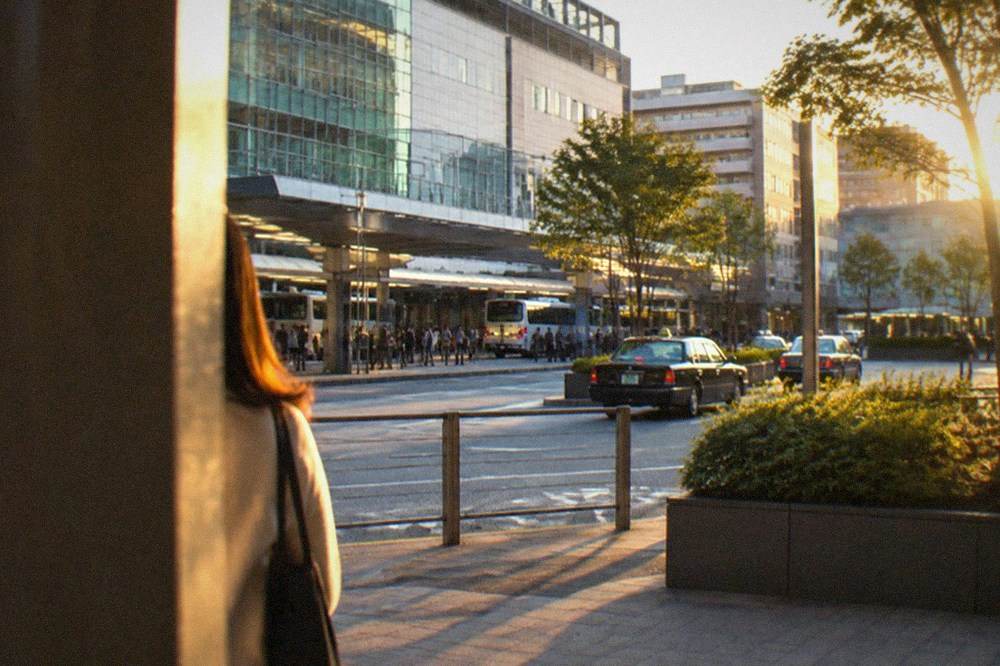
If you are staying near Hakata Station, the dome trip is a single line change at most, and the station itself is straightforward: there is no JR Fukuoka Station anywhere in Japan, the city's main rail hub is Hakata, and Hakata is a ward of Fukuoka, not a separate destination. Competing guides routinely get this wrong. The Hakata station guide untangles the rail, subway and bus layers.
Visitors from overseas on a short-stay visa have one more option worth knowing: the Fukuoka Tourist City Pass, run by the city's own tourist board, costs ¥2,500 for the city version and ¥2,800 for the version that extends to Dazaifu, and covers subway, buses, trams-in-area, trains and ferries for one day. A passport is checked at the counter, and the pass is restricted to overseas tourists on a short-stay visa. Most competing guides still quote a stale price a fraction of these figures; the current ones are on the official city pass page. The Fukuoka airport to city guide covers the arrival leg, including the verified ¥260 subway fare from the airport into Hakata.
Those three options are the site's picks for filling a Fukuoka itinerary around the edges of a game, and each has its own logic: a full-day Kyushu excursion with entry tickets included, an indoor art experience that pairs naturally with a dome evening, and a gorge-and-railway day trip for the day before or after. The sections below come back to when each one fits.
How Do You Actually Get Hawks Tickets?
Hawks tickets are sold through the club's own official ticketing channels, online and at the dome, with prices varying by seat category, opponent and date, so no single figure honestly covers a ticket; expect the cheapest seats to sell first for big games and plan to buy as early as your travel dates allow. The club publishes seat maps and availability in English-friendly formats on its official site.
The honest framing matters here. Ticket prices for NPB games move with demand, and a visitor's cost depends on which game, which seat class and how early the purchase happens. Rather than quote a number that will be wrong for half the readers who check it, this guide points you at the club's own channels, which show live availability and pricing for each game. What can be said firmly is the practical sequence: confirm the schedule first, pick a date, then buy through the official ticketing route rather than relying on same-day availability, which is genuinely unreliable for popular opponents and for games in the postseason run.
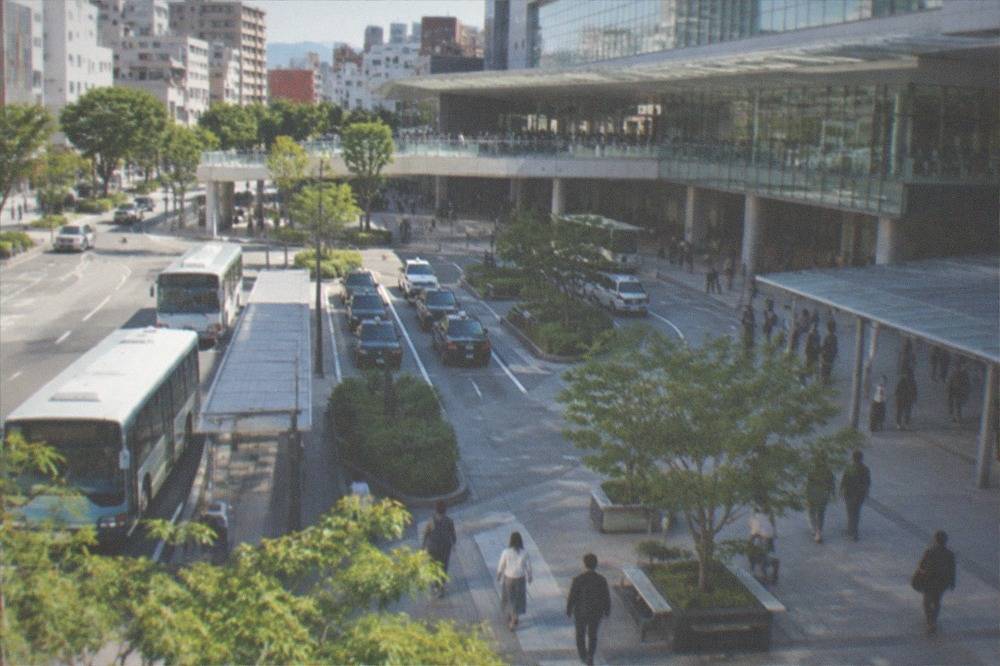
A few things make a Japanese ballpark different from a North American or European one, and they affect your ticket choice. The organised cheering sections are assigned by player and by section, so sitting among the home fans means sitting inside a wall of coordinated chants, trumpets and balloons for three hours. It is wonderful if you want the full experience and exhausting if you do not; families and visitors who prefer a calmer seat should look at the seat map before choosing. Concourse food inside the dome is a genuine part of the evening, and the surrounding neighbourhood's restaurants fill up fast after the final out, so either eat early or expect a wait.
For the wider food question in this city, which extends far beyond the ballpark, the Fukuoka food guide and the yatai guide cover the stalls, the signature dishes and the etiquette. One verified detail worth carrying with you: Fukuoka's own city ordinance requires every yatai to display its prices where customers can easily see them, and bans vague "market price" pricing on dishes, so a stall cannot legally spring a number on you at the bill. There are about 100 licensed stalls across the city, concentrated in Nakasu, Tenjin and Nagahama.
What Is a Game Day Like Around the Dome?
A Hawks game day is best treated as a full afternoon-evening on Fukuoka's west side: Ohori Park and its Japanese garden, the art museums, the Momochi waterfront and the dome itself cluster close enough to walk or ride between, so you can build a whole day that ends at first pitch without crossing the city twice.
The geography is the key. The dome sits near the western edge of the central city, a short distance from Ohori Park, one of Fukuoka's most-loved green spaces, whose Japanese Garden charges a modest admission of ¥250 for adults and ¥120 for children, free for visitors 65 and over and for children under 6. The Fukuoka Art Museum sits on the park's edge, with collection admission of ¥200 for adults and ¥150 for university and high school students, free for junior high school and younger, and free for residents 65 and over from Fukuoka, Kitakyushu, Kumamoto or Kagoshima with ID. The museum closes Mondays and is open 9:30 to 17:30, with late Friday and Saturday hours from July to October. Other pages covering the same trip are gathered on Fukuoka Japan Travel Guide.
| Stop near the dome | What it is | Admission | Notes |
|---|---|---|---|
| Ohori Park | Large landscaped park with a lake loop | Free, open dawn to dusk | The Japanese Garden inside charges separately |
| Ohori Park Japanese Garden | Traditional garden with teahouse | ¥250 adult, ¥120 child | Under 6 free; 65 and over free |
| Fukuoka Art Museum | City art museum on the park edge | ¥200 collection admission | Closed Mondays; free under 15 |
| Fukuoka Tower | 234 m waterfront tower | ¥1,000 adult, ¥500 school age, ¥200 age 4 and over | Closes 28-29 June 2027; open 9:30 to 22:00 |
| Momochi Seaside Park | Beach and waterfront promenade | Free grounds | A short ride or walk from the dome |
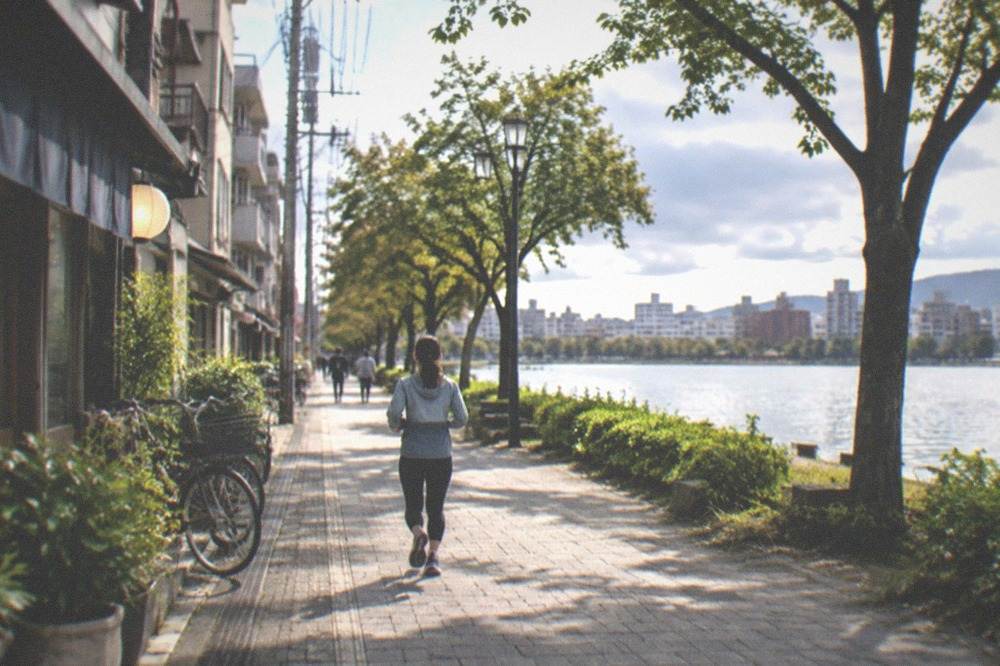
Fukuoka Tower, at 234 m with observation decks at 123 m, 120 m and 116 m, is the obvious evening bookend if your game is an afternoon one: it stays open until 22:00 with last admission at 21:30, and its seasonal exterior illuminations are a reason to go after dark in their own right. Note its one annual closure, 28 and 29 June 2027. The tower and the waterfront are covered further in the Fukuoka viewpoints guide.
The Fukuoka with kids guide is worth a look if you are bringing children to a game; the dome is one of the most family-friendly big-venue experiences in the city precisely because it is weatherproof and compact, and the surrounding park-and-waterfront cluster gives you a full fallback day if a child's attention runs out mid-game.
Where Should You Stay for a Baseball Trip to Fukuoka?
Hakata around the station and Tenjin in the city centre are the two areas that put you within a few subway stops of the dome while keeping you in the middle of Fukuoka's food and nightlife; staying near the dome itself puts you closer to the ballpark but further from the yatai rows, the izakaya and the evening energy that most visitors come for.
The trade-off is simple. Hakata Station is the transport hub: the Shinkansen, the subway's Kuko line that serves both the airport and the dome's stop, and the bus terminals all meet there, and it is the natural base if you are arriving by rail from elsewhere in Japan. The where to stay in Fukuoka guide breaks the neighbourhoods down properly, including the Hakata-versus-Tenjin question, which is the single most common accommodation decision in this city.
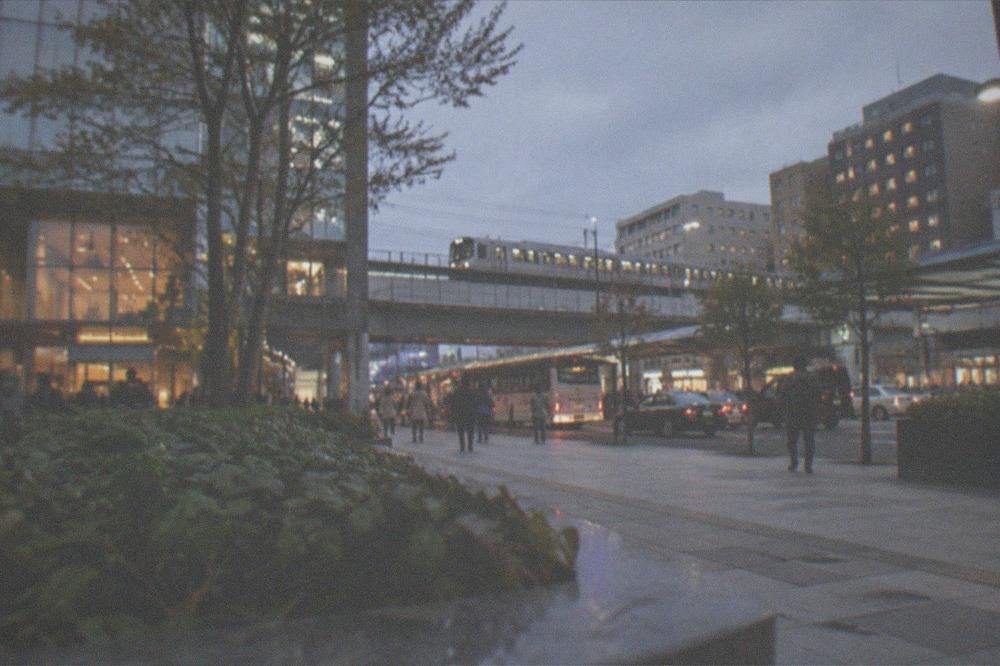
Tenjin is the shopping and dining heart, with the underground mall and the Daimyo and Imaizumi food streets, and it shares the subway spine with Hakata, so the dome is equally easy from either. Nakasu, the entertainment district along the Naka River, sits between the two and is where the most photogenic yatai row is found. If your trip is baseball-first, the west side around Ohori and Momochi is quieter and walks you to the ballpark, but it thins out after dark compared with the centre.
Arrival logistics shape the choice too. Fukuoka Airport is unusually close to the city centre, and the subway fare from the airport into Hakata is a verified ¥260, within the official 3 to 7 km fare band. The Fukuoka airport guide covers the terminals and the transfer. If you are coming from Tokyo, Osaka or Kyoto by rail, the Tokyo to Fukuoka, Osaka to Fukuoka and Kyoto to Fukuoka guides cover the long-haul legs, all of which arrive at Hakata Station, which is another point in Hakata's favour for a baseball trip.
What If the Hawks Are on the Road?
A Fukuoka trip planned around baseball does not collapse when the schedule sends the Hawks away: the city is the natural base for day trips across Kyushu, with Dazaifu, Yanagawa, Itoshima and the coast all within easy reach, and full-day tours to Beppu, Yufuin, Takachiho and Mount Aso running regularly from the city, so an away-day fixture list is easy to build.
The nearest classic half-day trips need no tour at all. Dazaifu Tenmangu, the shrine of learning a short Nishitetsu ride from Tenjin, has no entrance fee, and the Dazaifu day trip guide covers the rail route and the Umegae mochi stalls on the approach. Yanagawa's canal boats, Itoshima's coast and the day trips from Fukuoka guide round out the short-haul options.
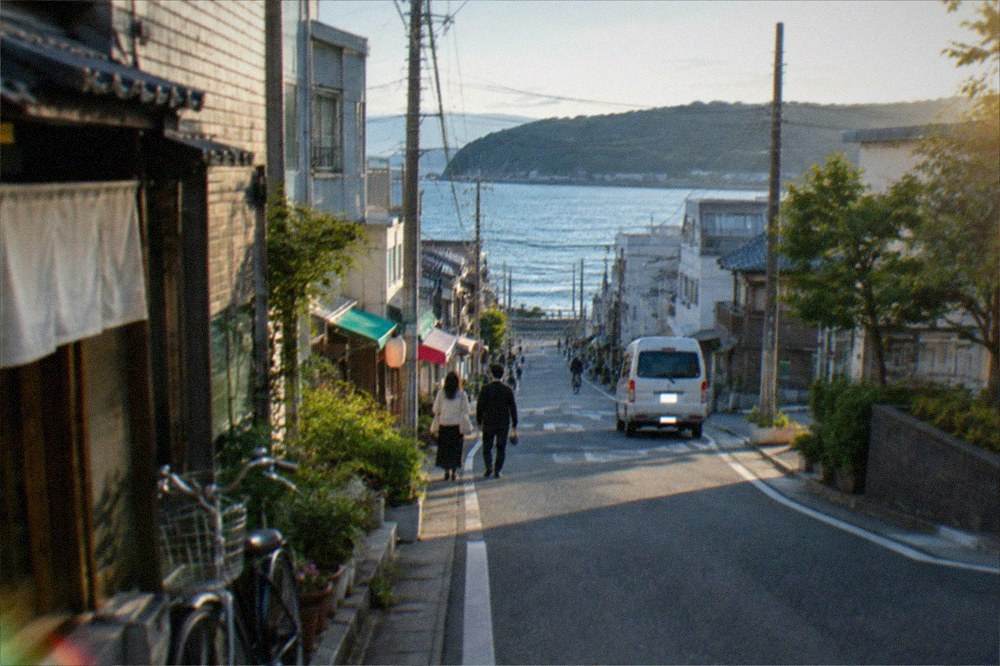
For full-day excursions, the roster of guided options is broad, and two stand out for a baseball-centred trip because they compress a lot of Kyushu into a single day without any planning burden. The Beppu Hells and Yufuin day trip, with entry tickets to the hot spring "hells" included, runs about a full day from Fukuoka and is rated 4.7 from 285 reviews, from $48 per person. It is the strongest pick for a rest day between home games, because it moves you from a domed stadium to steaming volcanic pools and back inside one daylight window.
The other natural pairing is the Takachiho Gorge and Amaterasu Railway tour, rated 4.8 from 713 reviews and from $48, an 11-hour day that trades the ballpark's noise for a basalt gorge and a cliff-edge railway. It suits the day before a night game poorly, because it is long, but it is ideal for the day after one.
Back in the city, if the away day falls on a wet or hot afternoon, teamLab Forest is the indoor option that behaves like the dome does: weatherproof, visually spectacular and bookable as a simple e-ticket, rated 3.8 from 14 reviews and from $27. It shares the teamLab Forest Fukuoka page with the site's full write-up, and the Fukuoka rainy day itinerary builds a whole day around it.
How Does a Baseball Trip Fit the Fukuoka Weather Year?
Plan a baseball trip around the season's structure rather than a single "best month": spring offers blossom and mild temperatures, July and August are hot and wet but the dome is immune, and autumn delivers the most comfortable temperatures of the season alongside the postseason run, with the JMA normals showing October at a mean of 19.6°C and only 94.5 mm of rain.
The climate table for Fukuoka, from the Japan Meteorological Agency's 1991 to 2020 normals, tells the story of a baseball season month by month. April, the season's first full month, averages a mean of 15.4°C with 118.2 mm of rain. July, mid-season, is the wettest month at 299.1 mm with a mean of 27.4°C, and August is the hottest at 28.4°C mean but drier, at 210.0 mm, with 200.9 sunshine hours, the second sunniest month of the year after May. By October the rains have fallen away to 94.5 mm.
| Month | Mean °C | Rainfall mm | What it means for a game trip |
|---|---|---|---|
| April | 15.4 | 118.2 | Blossom season around the ballpark, mild evenings |
| May | 19.9 | 133.7 | Comfortable, Dontaku festival early in the month |
| June | 23.3 | 249.6 | Tsuyu rainy season; dome games unaffected |
| July | 27.4 | 299.1 | Wettest month; Yamakasa runs July 1 to 15 |
| August | 28.4 | 210.0 | Hottest month, strong sunshine, indoor venue helps |
| September | 24.7 | 175.1 | Late-summer heat easing; typhoon season active |
| October | 19.6 | 94.5 | Comfortable and dry; postseason atmosphere |
Typhoon season in western Japan runs roughly July through October and is a real planning factor, though the dome means your game survives what your beach day might not. The Fukuoka weather guide and the typhoon season guide cover the practicalities, and the summer months and their festival overlap are covered on the site's seasonal pages.
What Should You Eat Before or After a Game?
Fukuoka's food culture is the best pre- and post-game dining argument any baseball city in Japan can make: tonkotsu ramen born in this city, motsunabe hot pots, mentaiko, and a licensed yatai street-food scene of about 100 stalls that runs late into the night, so the hours after the final out belong as much to the food as to the game.
The signature dishes are covered in depth across the site's food pages, but the short version for a game night: tonkotsu is the pork-bone ramen style that originated in Hakata, and the Hakata ramen guide explains the kaedama noodle-refill custom that goes with it. Motsunabe, the beef-offal hot pot, is the winter classic and the motsunabe guide lists where to find it. Mentaiko, the spiced pollack roe, is the souvenir and the bar snack, and the Fukuoka street food guide ties the whole scene together.
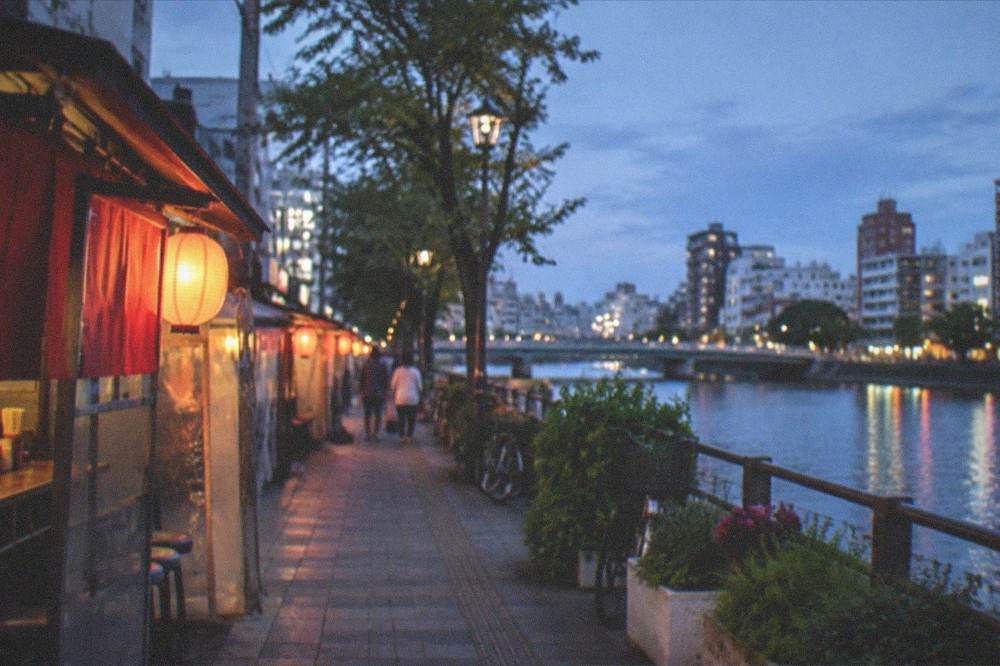
The yatai are the post-game move if you are staying central. Stalls set up from around 17:00 and may keep going into the small hours, though each stall keeps its own hours and many close in rain or strong wind, which is the honest framing rather than a fixed schedule. The yatai etiquette guide covers the seating, the ordering and the price-display rules mentioned above. If you would rather have someone lead the evening, the Fukuoka food tours guide lists the guided crawls, including the private Nakasu stall tour with tastings, rated 4.7 from 70 reviews. The Fukuoka nightlife guide covers everything that happens after the eating ends.
Common Questions About Watching Baseball in Fukuoka
Where can you watch the Fukuoka SoftBank Hawks play at the dome?
The Hawks play their home games at Mizuho PayPay Dome in the Chikko area on Fukuoka's west side, a short subway ride from Hakata and Tenjin, with Tojinmachi the closest station on the Kuko line.
How much are SoftBank Hawks tickets?
Ticket prices vary by seat category, opponent and date, and the club sells through its own official ticketing channels, which show live pricing and availability for each game. No single figure covers a ticket honestly; buy early for popular fixtures.
When is the Japanese baseball season?
The NPB regular season runs from late March or early April through October, with the postseason in autumn. The Hawks play home games at the dome across that whole span, overlapping the cherry blossom season, the July festivals and the autumn leaf season.
Is the dome indoors, and does that matter?
Yes, Mizuho PayPay Dome is a fully indoor stadium, so games are not affected by rain. This matters more in Fukuoka than in most Japanese cities, because July is the city's wettest month in the official climate normals, ahead of June.
What else is near the dome on a game day?
Ohori Park and its Japanese Garden, the Fukuoka Art Museum, Fukuoka Tower and the Momochi waterfront all sit within a short walk or ride of the ballpark, making the west side a full afternoon before an evening game.
What if the Hawks are away during my trip?
Fukuoka is the natural base for day trips across Kyushu: Dazaifu and Yanagawa for half days, and guided full-day tours to Beppu and Yufuin, Takachiho Gorge or Mount Aso, several of which include entry tickets and run year-round from the city.
The short version of this whole guide: pick a month in the season, confirm the schedule on the club's official channels, buy the ticket early, stay in Hakata or Tenjin so the subway puts you a few stops from the gate, and let the rest of the day fill itself with the parks, the tower and the food streets of Japan's most livable baseball city.