Best Bars in Fukuoka
Fukuoka drinks in three registers: quiet cocktail bars in Daimyo and Imaizumi, loud izakaya lanes in Nakasu, and about 100 licensed yatai food stalls along the rivers and main streets. This guide maps all three.
Short answer
Fukuoka's best cocktail bars cluster in Daimyo, Imaizumi and Yakuin, west of Tenjin, while Nakasu and the riverside hold the izakaya and yatai action. The subway fare from the airport is ¥260, a one-day subway pass is ¥640, and the city's yatai ordinance requires every stall to post its prices.
Fukuoka drinks later, cheaper and closer together than almost any city in Japan, and it does so in three distinct registers. The first is the quiet cocktail and craft bar scene tucked into the backstreets of Daimyo, Imaizumi and Yakuin, where a single counter and eight seats count as a full house. The second is the izakaya crush of Nakasu and the Tenjin lanes, all lanterns, shouting and shared tables. The third is the yatai: about 100 licensed food stalls, more than any other Japanese city, lined up along the Naka River and the main business streets, serving ramen and grilled skewers to strangers sitting elbow to elbow.
This guide walks through all three, because a good night out in Fukuoka usually uses more than one. It covers where the cocktail bars actually are, how the areas differ, what to drink beyond the cocktail list, how the yatai fit into the evening, what the weather does to a bar-hopping plan, and how to get home when the trains stop. A word on names before anything else: Hakata is a ward of Fukuoka and the name of the city's main station. Hakata and Fukuoka are the same city, so a bar ten minutes from Hakata Station is a bar in central Fukuoka, and nothing in this guide requires travelling between two places.
What Makes Fukuoka's Bar Scene Different?
Fukuoka's bar scene is unusually compressed and unusually late. The cocktail counters, the izakaya lanes and roughly 100 licensed yatai stalls all sit within a couple of kilometres of each other, between Tenjin, Nakasu and Hakata Station, so a single evening can move from a quiet gin counter to a riverside food stall without a taxi. Few Japanese cities pack that range into one walkable district, and fewer still keep it running past midnight.
The compression is the thing visitors notice first. In Tokyo or Osaka a night out usually commits to one neighbourhood, because the next cluster of bars is a train ride away. In Fukuoka the whole scene hangs off a short spine: Tenjin in the middle, Nakasu across the Naka River to the east, Daimyo, Imaizumi and Yakuin immediately west, and Hakata Station a few subway stops beyond that. The city's own growth figures explain part of the energy. Fukuoka's population passed 1.66 million in the 2025 census, the fastest growth of any of Japan's designated cities, and the city centre absorbs a disproportionate share of the young arrivals who fill these bars on weeknights.
The second difference is the yatai. Fukuoka has more of these licensed street stalls than anywhere else in the country, and the city regulates them directly: a 2013 ordinance requires every stall to display its prices where customers can easily see them, and bans the vague "market price" label on anything whose cost changes daily, so the day's actual price must be posted instead. City inspectors check periodically. That makes a yatai one of the few street-food formats anywhere where price transparency is a legal requirement rather than a courtesy, which is worth knowing before you sit down.
The third difference is the airport. Fukuoka Airport sits inside the city boundary, on the subway's Kuko line, and the fare into Hakata is ¥260, verified from the operator's official 3 to 7 km fare band. Being that close to the centre changes the shape of a trip: you can land, drop bags, and be at a bar counter in Daimyo without the hour-long transfer that Tokyo or even Osaka demands. Our Fukuoka airport to city guide covers the transfer in detail.
Where Are the Best Cocktail Bars in Fukuoka?
The best cocktail bars in Fukuoka are found in Daimyo, Imaizumi and Yakuin, the three low-rise districts immediately west of Tenjin, with a secondary cluster around Nakasu and the Hakata Station streets. Daimyo is the established core, Imaizumi is where the newer craft counters open, and Yakuin draws a slightly older, quieter crowd. All three are within a 15 minute walk of each other.
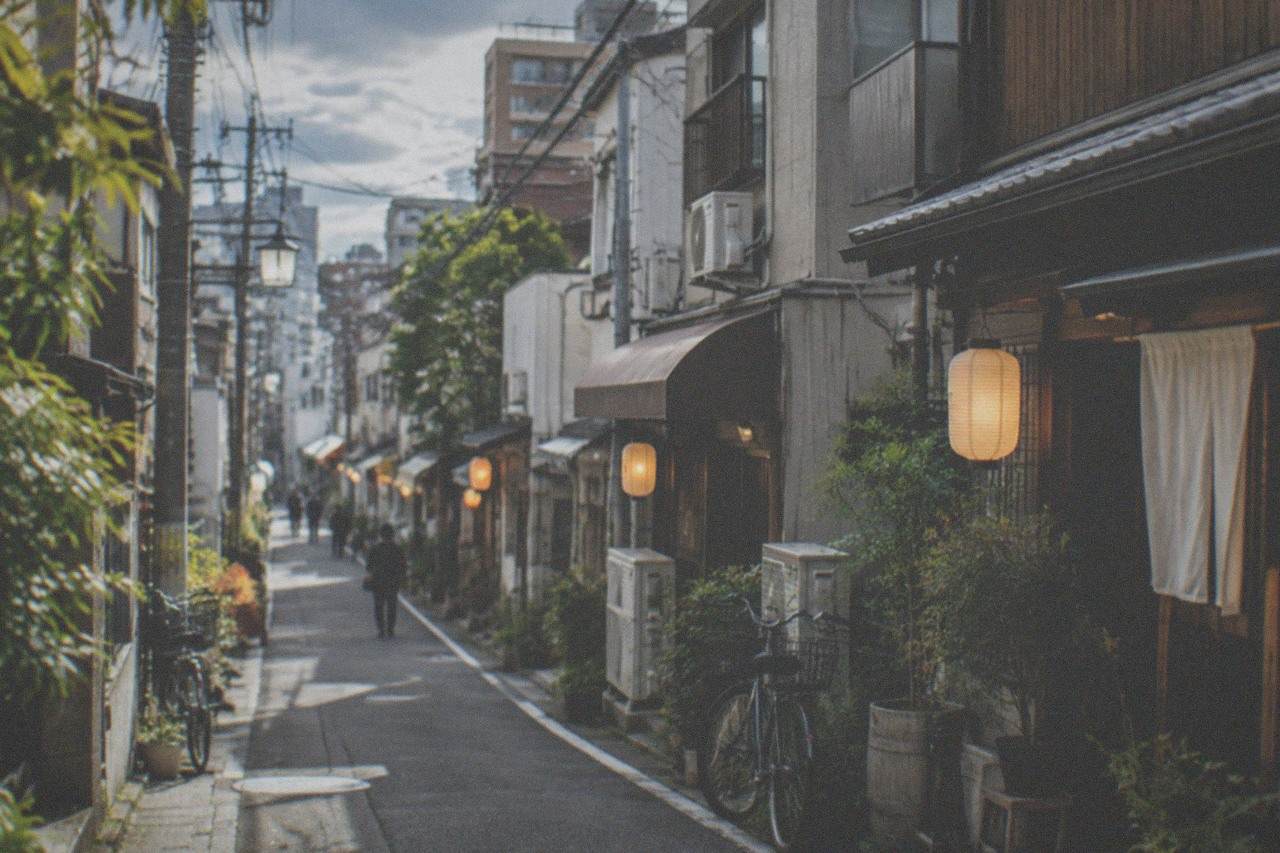
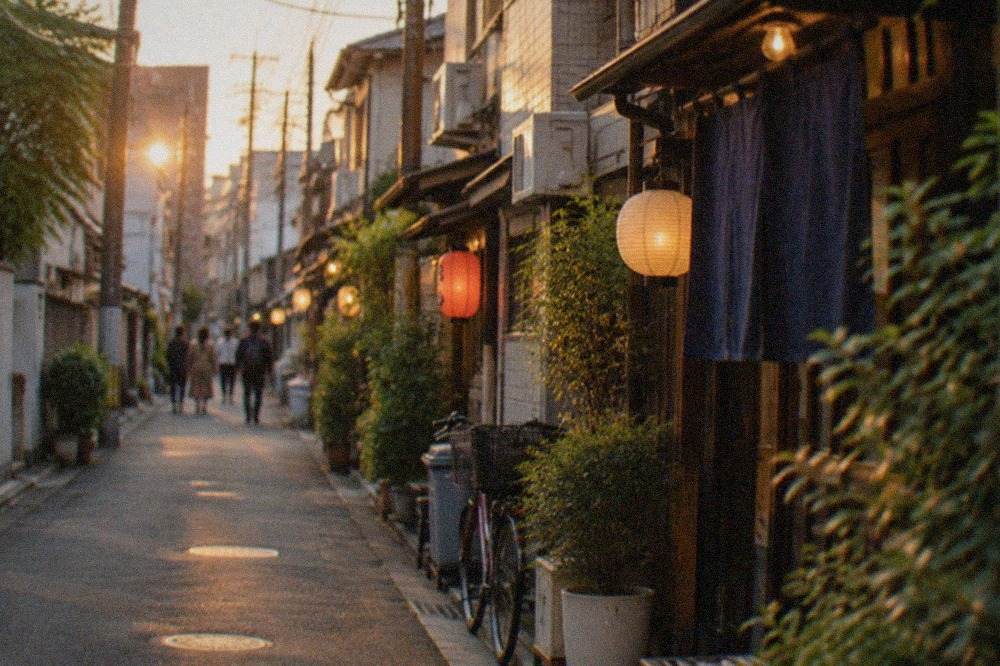
Daimyo is the name to start with. It is a grid of narrow streets west of Tenjin, once the city's fashion district, and its old shop-houses now hold a dense mix of bars, coffee roasters and record shops. The bars here are small on purpose: a counter, a bartender, a bottle shelf and a handful of seats. The area rewards walking without a plan, because the best counters are unmarked or signed only in Japanese, and the sign you came looking for is often on the second floor of a building whose ground floor sells clothing. Nothing needs booking hours ahead, but a popular eight-seat counter fills the moment the first salaryman finds it, so arrive early for a guaranteed stool.
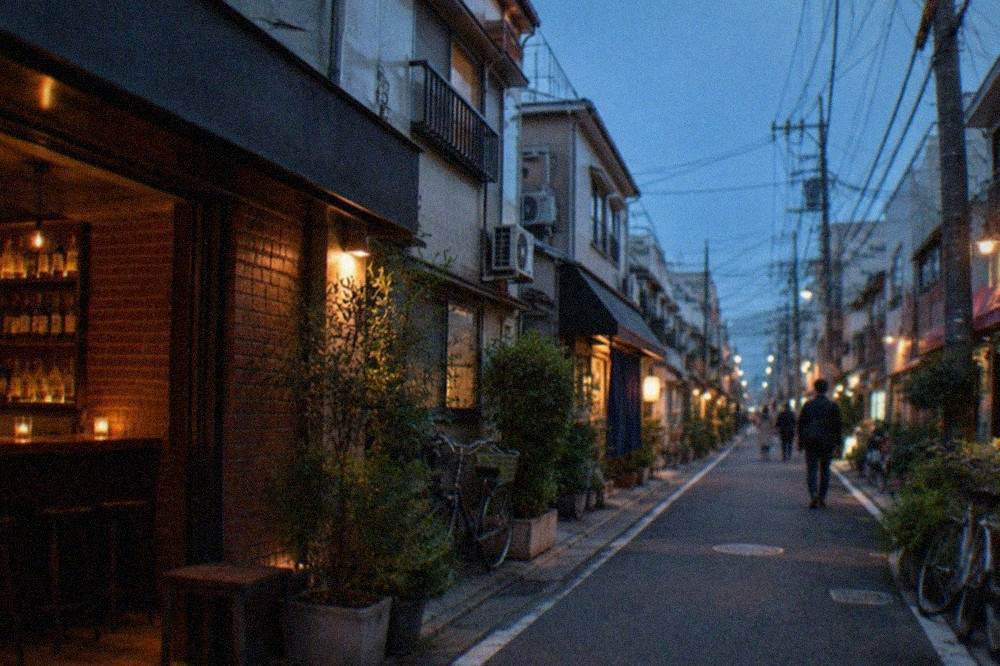
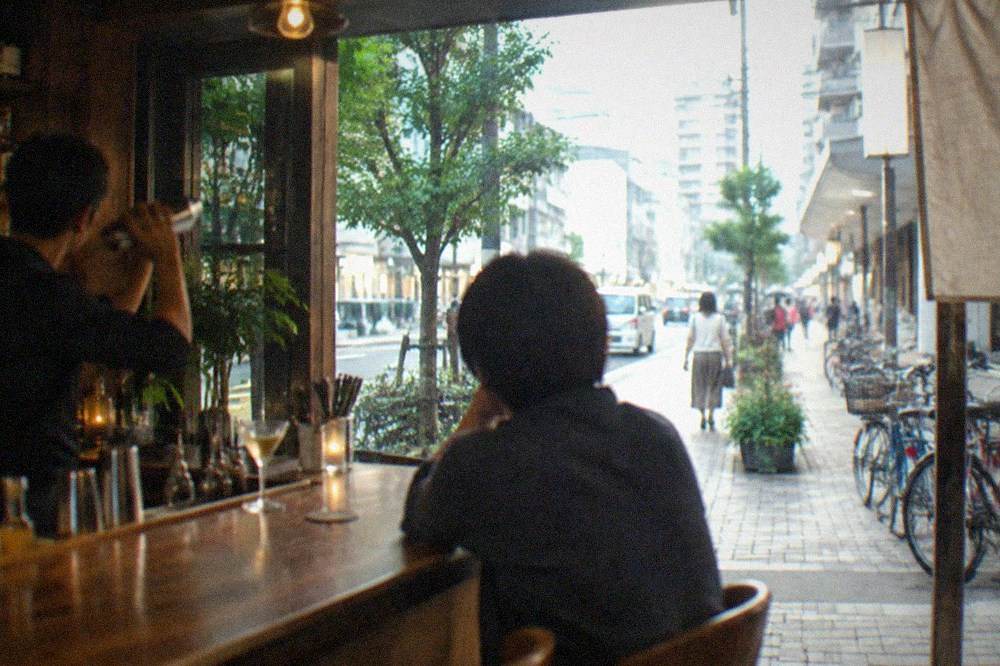
Imaizumi, just south of Daimyo, is the newer layer. The counters here skew towards craft: Japanese gin, local shochu bases and seasonal fruit, which Fukuoka's position in Kyushu supplies generously. Yakuin, a few blocks further south, is where the scene matures: wine bars, quiet whisky counters and places that expect you to stay for two hours rather than two drinks. The through-line for all three districts is that they are residential as well as commercial, so the crowd is local first and visitor second, and the bartenders tend to speak enough English to steer an order even when the menu is entirely Japanese.
Nakasu, across the Naka River, plays a different role in the evening. It is Fukuoka's loudest nightlife district, and its cocktail bars sit alongside izakaya, karaoke and the riverside yatai row that appears in every photograph of the city. A sensible route runs west to east: start in Daimyo or Imaizumi while the counters are quiet, finish in Nakasu where the energy peaks late. Our Fukuoka nightlife guide maps the whole district, and if you are choosing where to sleep so the walk home is short, the where to stay in Fukuoka guide compares Hakata, Tenjin and Nakasu for exactly this kind of night.
If you would rather have a local make the first three decisions for you, these are the three experiences worth a look before your trip.
The first is a private guided walk through the Nakasu food stalls with tastings included, which solves the "which stall, what dish" problem in a single evening. The second is a contrast pick for a different kind of day: the Yufuin no Mori sightseeing train paired with Dazaifu, for a daylight excursion before the bar night begins. The third is a private arrival transfer from the airport, which matters on the first evening when you are tired, jet-lagged and carrying luggage, and the subway's last departure is closer than it looks.
How Do You Bar-Hop Between Daimyo, Tenjin and Nakasu?
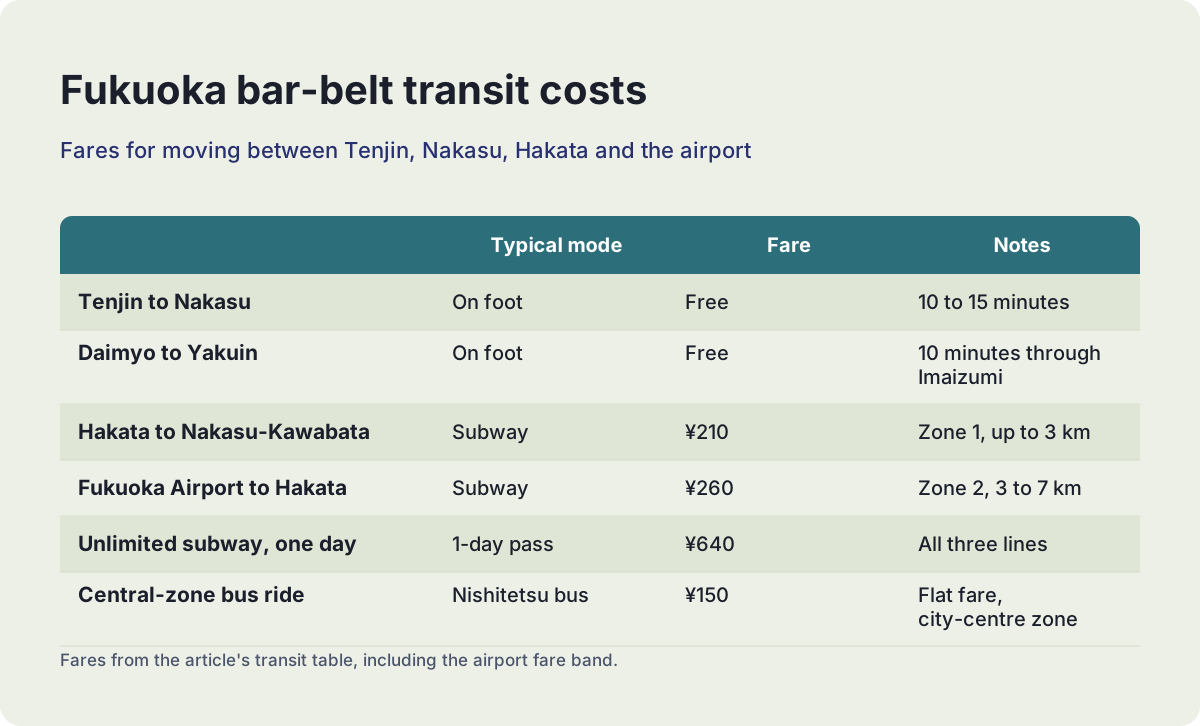
Everything in Fukuoka's bar belt is walkable, and the subway covers the rest. Daimyo, Imaizumi, Yakuin, Tenjin and Nakasu form a connected strip you can cross on foot in under half an hour, while Hakata Station is two subway stops from Nakasu-Kawabata. A one-day subway pass costs ¥640, and single fares run from ¥210 to ¥380 by distance.
The honest answer is that you will barely use transit. The five districts named above sit inside a rectangle roughly two kilometres long, and the walk from a Daimyo counter to a Nakasu stall crosses one river and takes about fifteen minutes, which is part of the pleasure: the city centre at night is safe-feeling, well-lit and busy until late. When you do need the subway, the fare table is distance-banded: ¥210 for up to 3 km, ¥260 for 3 to 7 km, ¥300 for 7 to 11 km, ¥340 for 11 to 15 km, ¥360 for 15 to 19 km and ¥380 beyond, with children paying roughly half. The airport ride into Hakata falls in the ¥260 band, and the operator's official fare page confirms the full table.
| Trip | Typical mode | Fare | Notes |
|---|---|---|---|
| Tenjin to Nakasu | On foot | Free | 10 to 15 minutes across the Naka River |
| Daimyo to Yakuin | On foot | Free | 10 minutes through Imaizumi |
| Hakata to Nakasu-Kawabata | Subway | ¥210 | Zone 1, up to 3 km |
| Fukuoka Airport to Hakata | Subway | ¥260 | Zone 2, 3 to 7 km |
| Unlimited subway, one day | 1-day pass | ¥640 | All three lines, valid first to last train |
| Central-zone bus ride | Nishitetsu bus | ¥150 | Flat fare within the city-centre zone |
The one-day subway pass at ¥640 pays for itself on the third ride, and it also carries discounts at partner facilities on the day of use. There is also the Fukuoka Tourist City Pass, which is genuinely useful and widely misquoted: it costs ¥2,500 for the city version and ¥2,800 for the city plus Dazaifu version, far above the stale ¥820 figure some older guides still print, and it is sold only to overseas visitors on a short-stay visa, with a passport checked at the counter. It covers subway, Nishitetsu trains and buses, some JR lines and ferries for one day. For a bar night specifically it is overkill, but for the day before the bar night it is worth the passport detour. The getting around Fukuoka guide and the Fukuoka subway guide cover the full system.
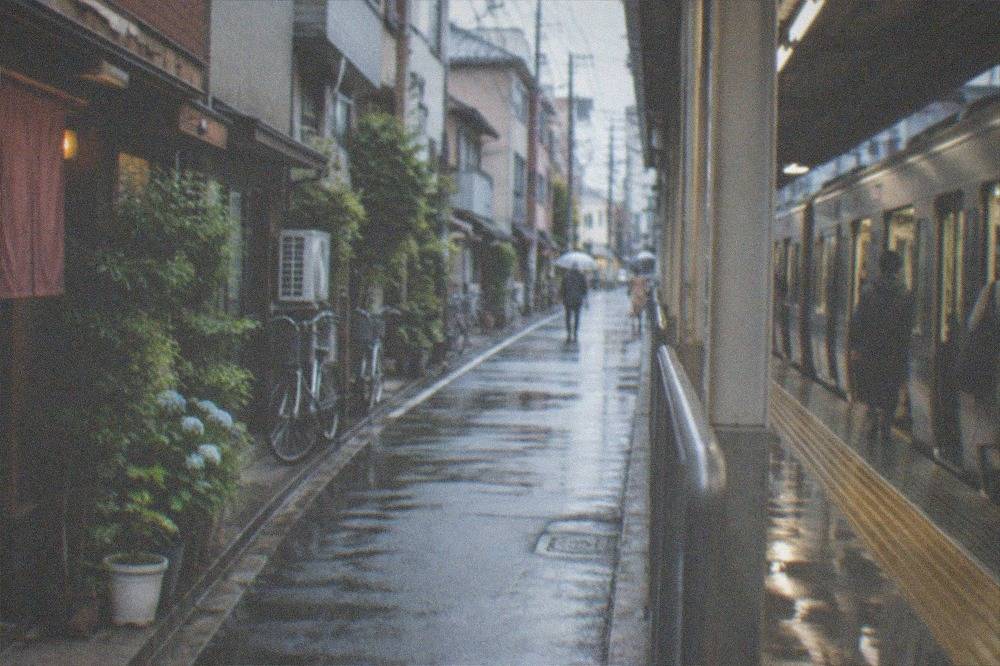
One timing note matters more than any fare: the subway stops running before the last bars empty, and the exact final departures vary by line and station, so check the operator's timetable for your stop rather than trusting a general figure. If your last drink looks like ending after the last train, either move the final round to within walking distance of your hotel, or budget for a taxi. This is the single most common way a good Fukuoka night goes slightly wrong, and it is entirely avoidable with a glance at the schedule earlier in the evening.
What Should You Drink Beyond the Cocktail List?
Order what Kyushu makes: shochu, sake from the Yame and Itoshima areas nearby, and fruit-based cocktails built on local produce. Shochu is the regional default spirit, served straight, on the rocks or diluted with hot water, and Fukuoka's bartenders treat it as a base spirit the way a Tokyo bar treats gin. A Kyushu bar list read without the shochu section is half a list.
Shochu first, because it is the one you will be offered. Kyushu is the spirit's heartland, and Fukuoka's bars pour sweet-potato, barley and rice versions as house standards. The polite move at a counter with no English menu is to ask for the bartender's recommendation and name a base: imo for sweet potato, mugi for barley, kome for rice. Served rokku (on the rocks) or oyu-wari (cut with hot water), it is a slow-drinking spirit that suits the small-counter format, and the bartenders here are proud of their local bottles in a way that produces good conversation rather than a sales pitch.
Sake is the second pillar. Fukuoka prefecture's Yame area, inland to the south, produces respected tea and equally respected sake, and the Itoshima peninsula to the west supplies both breweries and the seafood that goes with them. A tasting flight is the efficient way in, and Fukuoka has a proper one: a guided sake tasting in Nishinakasu that pours three cups alongside three appetizers, rated 4.6 from 7 reviews on the live listing, which is a small pool but an honest one. It runs about two hours and costs from $51 per person, and it doubles as a dinner's first act.
| Order this | You will get | Where it fits the night |
|---|---|---|
| Shochu, rokku | Kyushu spirit on the rocks | The quiet counter in Daimyo |
| Shochu, oyu-wari | Shochu cut with hot water | Late evening, cold night |
| Yame sake flight | Local sake with appetizers | Nishinakasu, early evening |
| Fruit cocktail | Seasonal local fruit as the base | Imaizumi craft counters |
| Highball | Whisky and soda, endlessly refillable | Izakaya and yakitori bars |
| Umeshu | Plum wine, sweet, low-alcohol | Anywhere, as a gentle opener |
The fruit cocktail deserves a word, because it is a Fukuoka speciality in practice even if no ordinance declares it. Northern Kyushu grows amanatsu, strawberry and loquat in quantity, and the craft counters in Imaizumi build seasonal drinks around whatever the markets are carrying. Ask what is in season and you get a different drink in April than in October. If you want the food side of the same instincts, the Fukuoka food guide covers the dishes worth ordering beside the drinks, and the Fukuoka food tours overview rounds up the guided options.
How Do Yatai Fit Into a Bar Night?
A yatai is a licensed street food stall, and Fukuoka has about 100 of them, more than any other city in Japan, concentrated in Nakasu, Tenjin and Nagahama. They open in the early evening and run into the small hours, they seat a handful of strangers side by side, and the city ordinance requires every stall to post its prices openly, with no "market price" labels permitted.
The yatai is the format that makes a Fukuoka night different from a night anywhere else, and the mechanics are worth understanding before you sit down. Stalls prepare from around 5 p.m., open around 6 p.m. or slightly later, and pack up in the small hours; the city permits road occupancy from 5 p.m. to 4 a.m., though each operator keeps their own hours and many do not open every night. Rain and strong wind close a lot of them, because a canvas stall in a typhoon-season city has no other option. There is no city-mandated closing day, so the honest advice is to check what is open on the night rather than expecting a fixed schedule.
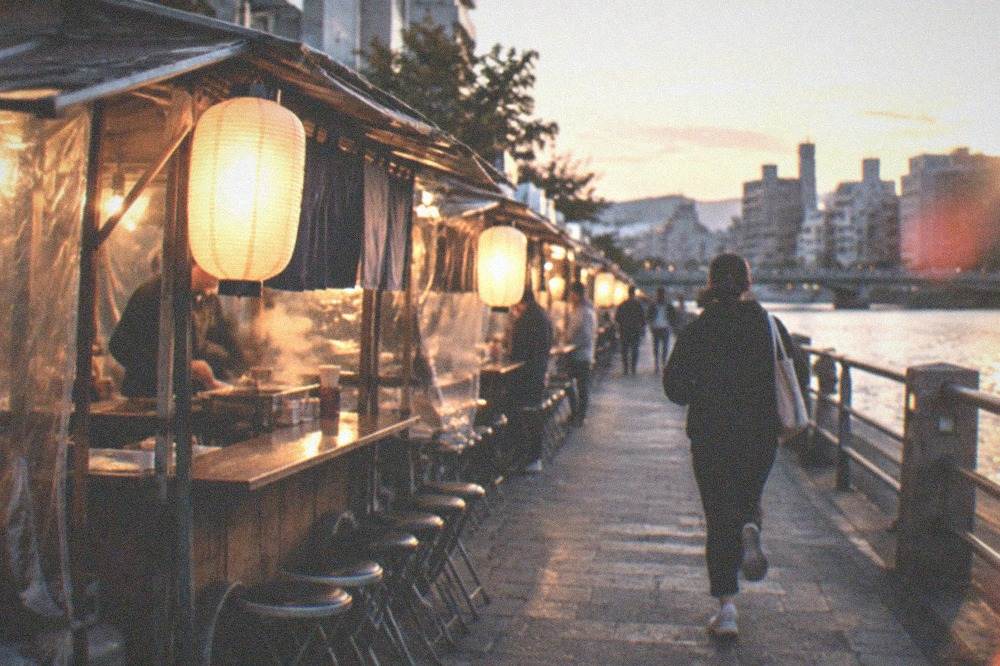
The three areas each have a character. Nakasu's row along the Naka River by Seiryu Park is the photogenic one, the postcard line of lanterns reflected in the water, and the most visitor-facing. Tenjin's stalls are scattered along Watanabe-dori and Showa-dori in the business district, drawing after-work locals, with some newer "neo-yatai" among them. Nagahama, near the old fish market streets, is the traditional ramen row. The city publishes no per-area counts, so treat any precise figure you read elsewhere with suspicion: the official line is "about 100" across the city, held steady by a public recruitment system that replaces retiring operators, with a sixth recruitment round in 2026 covering 23 plots for stalls operating from around April 2027.
The pricing rule is the part almost no other guide mentions, and it changes how relaxed you can be. The city's yatai Q&A page spells it out: prices must be displayed where customers can easily see them, and where a dish's cost varies with the day's market, the day's actual price must be shown rather than a "market price" label, which is explicitly banned. So the fear of an unmarked bill at a street stall, reasonable in many countries, is not the risk here that a first-time visitor assumes. The etiquette of sitting, ordering and leaving is covered in full in our yatai guide.
You cannot book a yatai stall; they take walk-ins only, and that is the whole point of the format. What you can book is a guide who walks you into the right stalls and translates the order, and for the Nakasu row that is exactly what the private food stall tour with tastings does: from $94 per person, rated 4.7 from 70 reviews, about two hours. For a visitor with no Japanese, on a first night, it converts the most intimidating part of the scene into the easiest one.
When Is the Best Time of Year for a Bar Trip?
The best months for a bar-centred trip to Fukuoka are October, November and March, when evenings are mild and the streets are busy. July is the city's wettest month, not June, with 299.1 mm of rain against June's 249.6 mm, and typhoon season runs roughly July through October, so late-summer plans need indoor backups.
The rainfall fact surprises people, because June is the tsuyu rainy season and every guide assumes it is the wet month. The Japan Meteorological Agency's 1991 to 2020 normals for the Fukuoka station say otherwise: July delivers 299.1 mm, more than any other month, while June carries 249.6 mm. July is also Yamakasa month, when the city stages its biggest festival from July 1 to 15, culminating in the Oiyama race at 4:59 a.m. on the 15th, so the rain and the crowds arrive together. A bar trip in July trades dry evenings for the most electric atmosphere the city produces all year.
| Month | Mean temp | Rainfall | What it means for a bar night |
|---|---|---|---|
| January | 6.9 °C | 74.4 mm | Cold, quiet, perfect for hot oyu-wari shochu |
| April | 15.4 °C | 118.2 mm | Mild, blossom season, busy counters |
| July | 27.4 °C | 299.1 mm | Wettest month, Yamakasa festival, huge crowds |
| August | 28.4 °C | 210.0 mm | Hottest, 200.9 sunshine hours, late nights |
| October | 19.6 °C | 94.5 mm | Mild, drier, ideal walking weather |
| November | 14.2 °C | 91.4 mm | Cool, autumn colour, comfortable bar-hopping |
August is the sleeper pick. It is hotter than July, at a mean of 28.4 °C, but drier than both June and July, with 210.0 mm of rain and 200.9 sunshine hours, the second sunniest month of the year after May. The yatai suffer in the heat but the indoor counters do not, and Fukuoka's summer nights are built for them. October and November are the safest bets: means of 19.6 °C and 14.2 °C respectively, rainfall of 94.5 mm and 91.4 mm, and the autumn-colour season in Ohori Park and Maizuru Park gives the daylight hours a purpose. The best time to visit Fukuoka guide and the Fukuoka weather guide unpack the full year, and the typhoon-season page is worth a read if your dates fall between July and October.
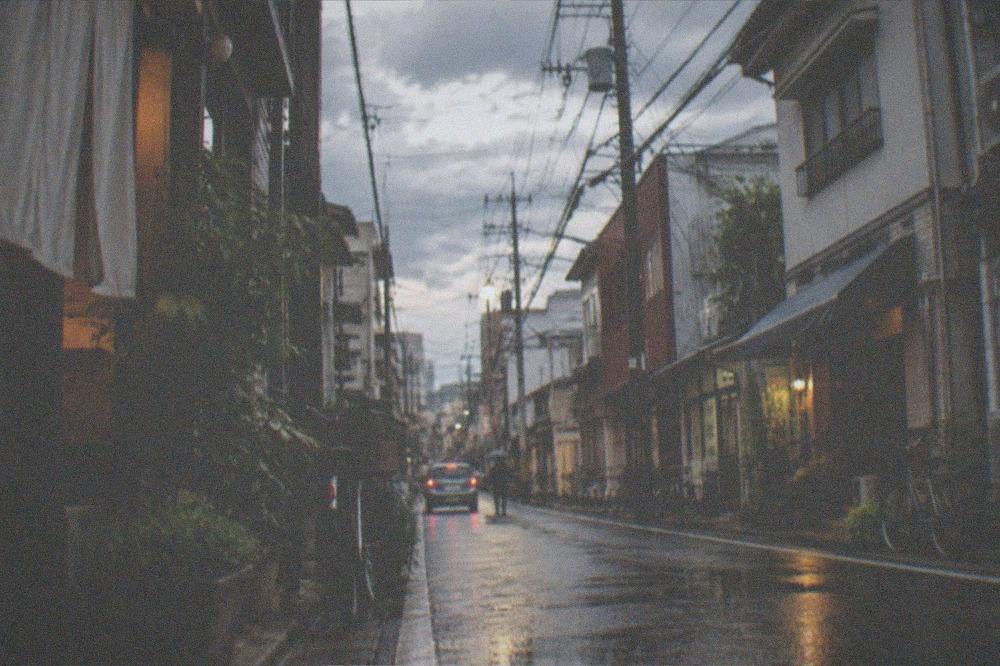
One seasonal note for the walk between bars: Fukuoka's summer humidity means a fifteen-minute stroll in August arrives damp, and the winter wind off Hakata Bay is sharper than the 6.9 °C January mean suggests. Neither stops the scene, and both are solved by the same tactic: pick two or three bars within five minutes of each other and treat the walk as part of the evening rather than a commute.
How Late Do Fukuoka Bars Stay Open, and How Do You Get Home?
Fukuoka's bars keep Japan's late-city hours: many counters in Daimyo and Nakasu run past midnight, and the yatai trade into the small hours, but the subway stops before the last bars empty, so plan the final leg before the final round. The airport is unusually close to the centre, a ¥260 subway ride from Hakata, which makes a late start feasible even on a departure night.
The shape of the night is the thing to plan, not the individual bars. Start in Daimyo or Imaizumi between 6 and 8 p.m., when the counters are quiet and the bartenders have time to talk. Move east through Tenjin as the streets fill, cross the river into Nakasu after 9 p.m., and end at a yatai stall for a final bowl, because sitting with strangers under a lantern at midnight is the note this city likes to end on. Reverse the order and you will peak too early and walk home through a closing city.
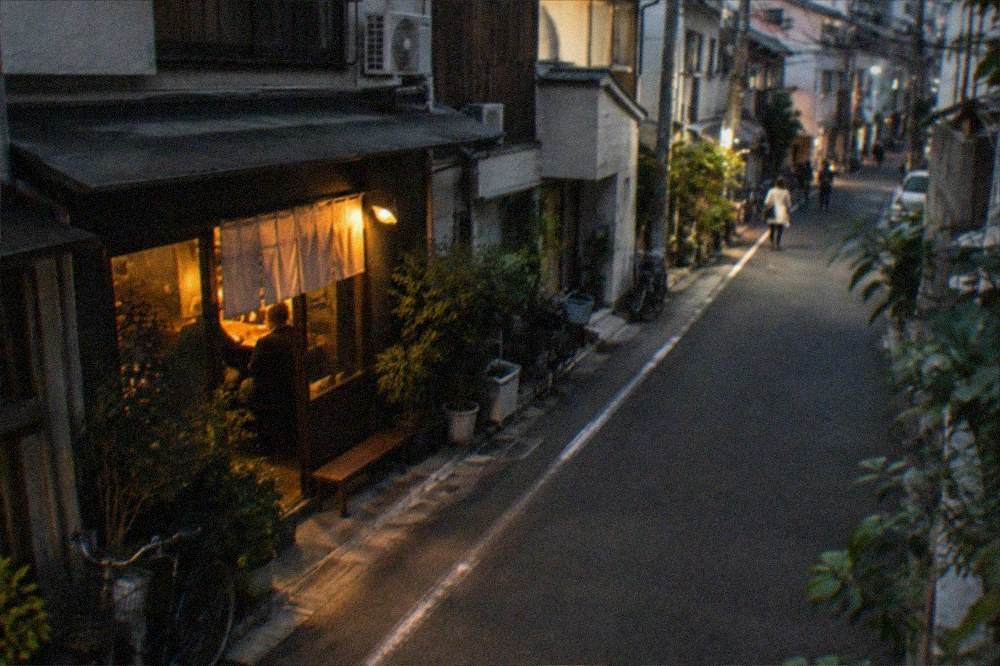
Getting home has three honest options. If your hotel is in Hakata, Tenjin or Nakasu, you walk; the districts are that close. If it is not, the subway is the cheap and reliable choice until it stops, and the exact last-departure time for your station is on the operator's timetable, worth checking once at the start of the night rather than guessing at 11:45 p.m. Taxis exist and are metered, and for a 5 a.m. Yamakasa finish or a 2 a.m. yatai close they are the only option, so keep some cash for that leg. The Hakata Station area guide is useful if your hotel sits on that side of the centre.
For the evening before a departure, there is a calmer option that pairs a bar night with a daylight classic: a guided tour built around the Yufuin no Mori sightseeing train and Dazaifu, from $70 per person, rated 4.7 from 54 reviews, about eight hours, returning you to the city with the evening free. And if the trip is ending rather than beginning, a private arrival transfer from the airport, from $149 per person, rated 5 from 2 reviews, is the reverse service for the outbound leg. A final practical note for anyone flying out the next morning: the Fukuoka luggage storage guide exists precisely for the last-day problem of a suitcase and a bar night.
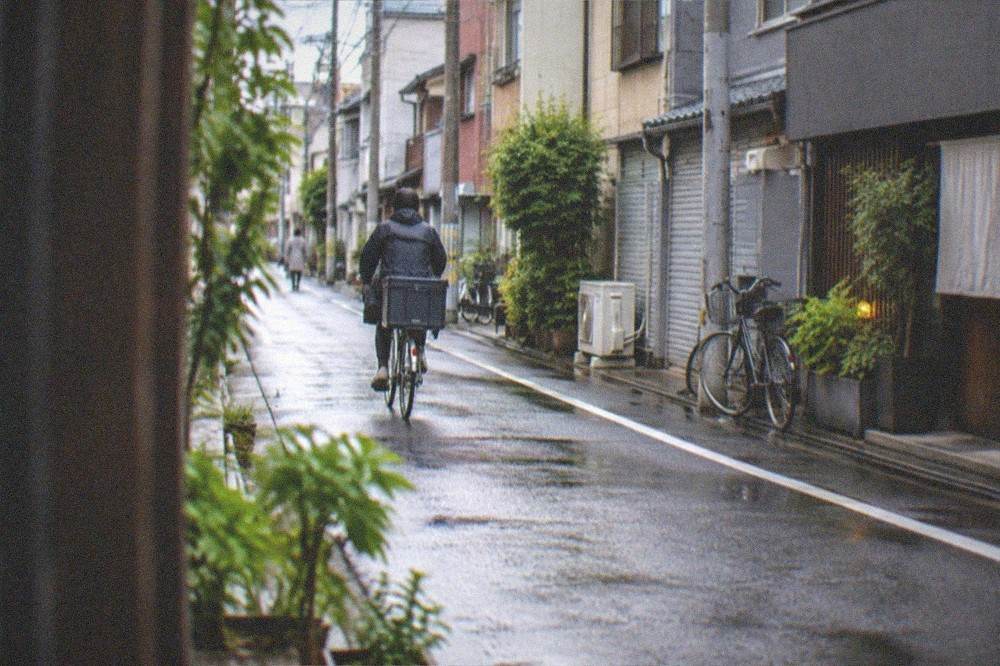
Fukuoka rewards the visitor who treats the whole evening as one continuous walk rather than a series of destinations. The bartenders in Daimyo will draw you a map to a stall in Nakasu, the stall owner will tell you which counter to try tomorrow, and the city is small enough that the advice is all within walking distance. This site, Fukuoka Japan Travel Guide, covers each of these districts in its own page if you want to go deeper before you go out.
Common Questions About Bars in Fukuoka
Where Are The Best Cocktail Bars In Fukuoka?
In Daimyo, Imaizumi and Yakuin, the three districts immediately west of Tenjin, with a secondary cluster around Nakasu and the streets near Hakata Station. Daimyo is the established core, Imaizumi holds the newer craft counters, and Yakuin is quieter and more wine- and whisky-leaning. All three are within walking distance of each other.
Do I need to book Fukuoka bars in advance?
Mostly no. The cocktail counters are small and fill on a first-come basis, so arriving early is the booking. Yatai stalls cannot be booked at all; they take walk-ins only. The exception is a guided experience such as a private food stall tour or a sake tasting, where a reservation is required.
Can I pay by card at Fukuoka bars and yatai?
Card and IC acceptance varies stall to stall and bar to bar; some yatai now take cards and QR payments, but cash is still the safe default for street stalls and small counters. Carry yen for the evening, especially for the last leg home.
Is Fukuoka good for solo bar-hopping?
Yes, and the counter format is the reason. Almost every cocktail bar in Daimyo and Imaizumi is built around a counter where solo drinkers are expected, and a yatai stall seats strangers side by side by design. It is one of the easiest bar cities in Japan to drink in alone.
How do I get back to my hotel after the last bar?
Walk if you are staying in Hakata, Tenjin or Nakasu, since the districts are close together. Otherwise take the subway before its last departure, checking the operator's timetable for your station, or budget for a metered taxi for the very late hours.
What is the best month for a bar trip to Fukuoka?
October and November, when evening temperatures sit between 14.2 and 19.6 °C and rainfall runs 94.5 mm and 91.4 mm respectively. August is a good hot-weather alternative with 200.9 sunshine hours, while July, the wettest month at 299.1 mm, trades comfort for the Yamakasa festival crowds.