Kego
Kego is the small central Fukuoka district that sits between Tenjin's shopping blocks and Ohori Park's water, a few minutes on foot from both. Most visitors pass through it without ever learning its name, which is a fair description of its charm.
Short answer
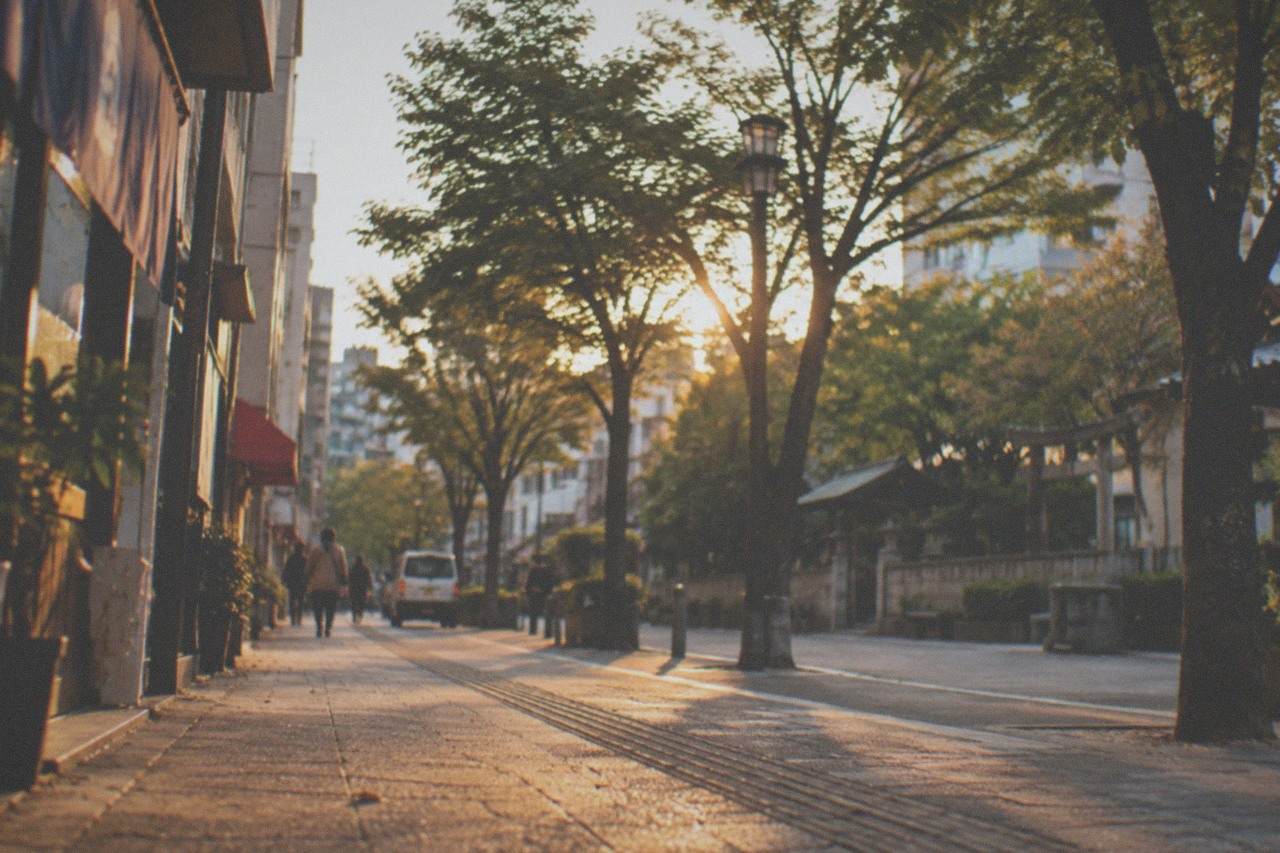
Kego is a compact district of Chuo-ku best known for Kego Shrine, the pocket-sized Kego Park where locals play outdoor go and shogi, and Kego-dori, the green avenue that links Tenjin with the Ohori Park side of the city. It is a walk-through neighbourhood rather than a destination, useful as a base or a calm shortcut.
Kego rarely appears on a first-time visitor's itinerary, and that is exactly why it rewards a second look. The district occupies the low ground between Tenjin, Fukuoka's busiest shopping and business core, and the water and greenery of Ohori Park to the west. Its name travels on two small landmarks, Kego Shrine and Kego Park, and one long green avenue, Kego-dori, which is one of the more pleasant walks in the entire city centre. Hakata and Fukuoka are the same city, and Hakata is the ward and the station name, so nothing on this page involves travelling between two places. Kego simply sits in the middle of Fukuoka's Chuo-ku, close to everything, famous for almost nothing, and quietly likeable for it.
What Is Kego Known For?
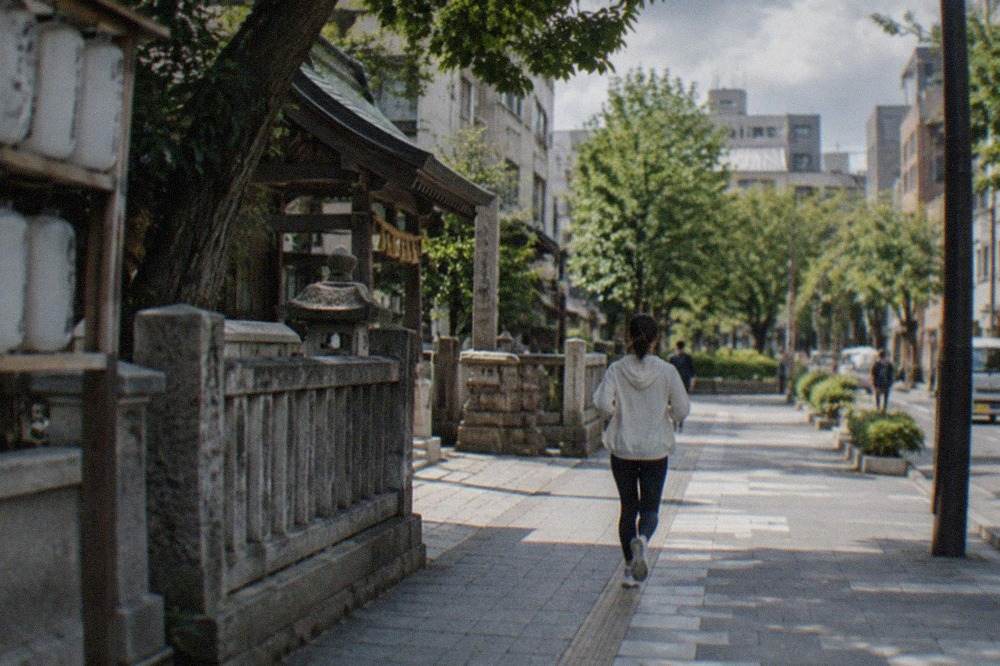
Kego is known for three things: Kego Shrine, a small neighbourhood shrine that gives the district its name; Kego Park, a compact green square where retired locals gather for outdoor games of go and shogi; and Kego-dori, a leafy avenue that runs from the Tenjin side toward the Ohori Park and Akasaka side of the city. None of the three is a headline attraction, and together they make the district a calm, walkable pocket in the middle of Japan's fastest-growing major city.
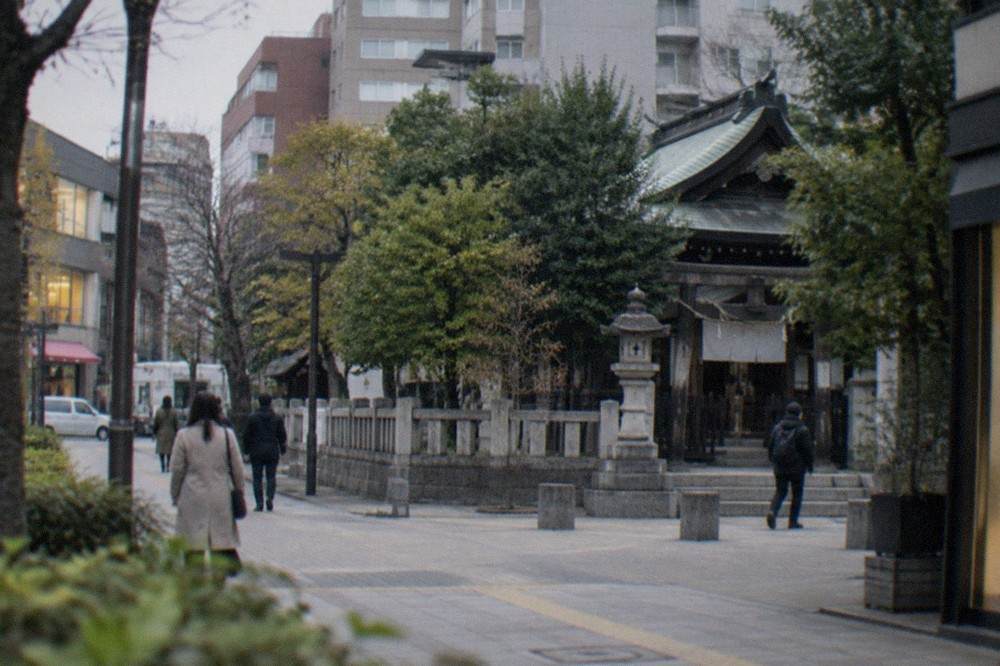
The shrine is the historical anchor. It is a working neighbourhood shrine rather than a tourist sight, the kind of place where people from the surrounding blocks drop in on their way somewhere else. That character is the point. Visitors who have already seen the grand approach at Kushida Shrine or the plum-tree associations of Dazaifu often find that a small local shrine tells them more about how Fukuoka actually lives.
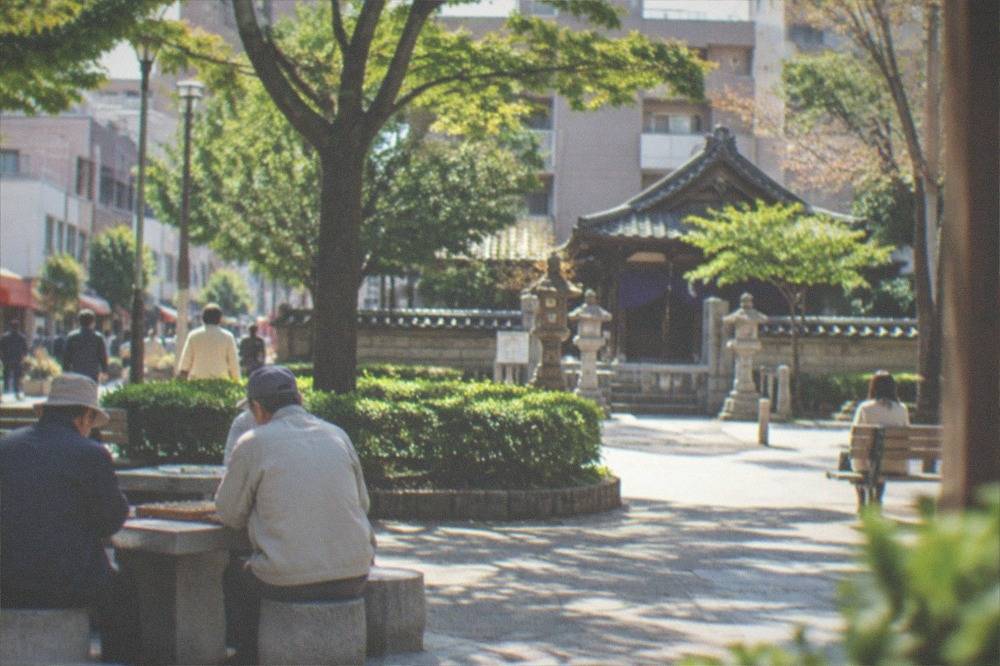
Kego Park is the district's other signature. It is small, flat and unglamorous, and on most days a cluster of regulars sets out boards for go and shogi under the trees while office workers eat lunch on the benches around them. It is one of those genuinely local scenes that costs nothing to watch and photographs better than a dozen curated attractions. The park also functions as the district's informal plaza, the piece of open ground a dense central neighbourhood needs.
The third element, Kego-dori, ties the district together. The avenue is a green corridor with mature trees, and walking it is the natural way to move between Tenjin's retail blocks and the museum and parkland around Ohori Park. Many visitors walk Kego-dori without knowing its name, because it is simply the pleasant route their map app chose. Knowing the name mostly means knowing where to look for coffee, small restaurants and a calmer pace two blocks off the Tenjin crowds.
Where Is Kego and How Do You Get There?
Kego sits in Chuo-ku, Fukuoka's central ward, immediately west and south of Tenjin and roughly between the Tenjin shopping core, the Daimyo and Imaizumi cafe quarters, and Ohori Park to the west. The subway's Nanakuma line serves the district, and the whole area is comfortably walkable from Tenjin in a few minutes on flat ground. Most visitors reach it on foot from Tenjin or Ohori Park rather than by any other means.
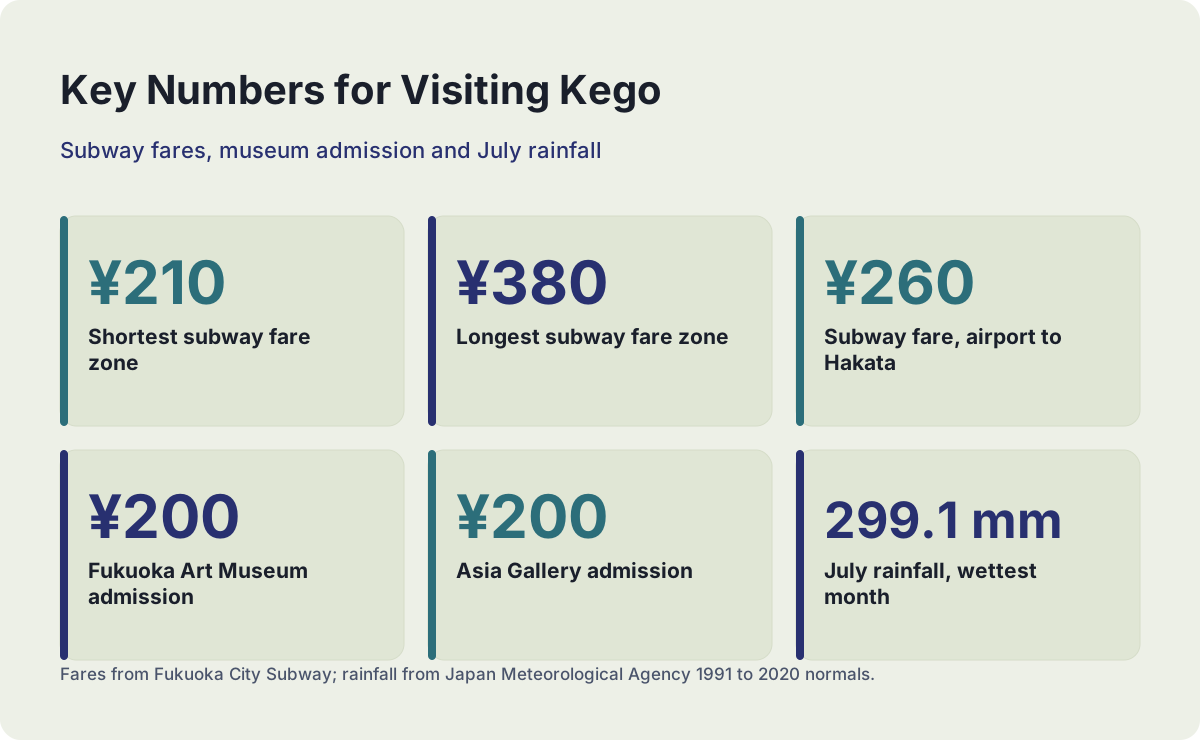
The Nanakuma line is the one subway line that passes through this side of the city, running from Hashimoto to Hakata, and its stations in the Ropponmatsu and Yakuin direction bracket the district. Fukuoka City Subway fares are distance-based and officially run from ¥210 for the shortest zone up to ¥380 for the longest, as set out on the city subway's own fare page. A one-day pass costs ¥640 for adults if you plan to ride more than a couple of times in a day.
If you are arriving from the airport side, the airport is unusually close to the city centre, which is one of Fukuoka's genuine advantages over almost every other Japanese city. The subway fare from Fukuoka Airport to Hakata is ¥260, and from there the whole central grid is compact. There is no JR Fukuoka Station; the station is Hakata, and from Hakata the subway or a short walk from Tenjin brings you into Kego without any complicated transfer.
On foot, the district is hard to miss. Walk west out of Tenjin along any of the quieter streets and you cross into it within a few blocks. The neighbouring quarters each have their own page on this site if you want the fuller picture: Daimyo for boutiques and bars, Imaizumi for coffee and small restaurants, and Yakuin for the residential, local-eats side that continues south. Kego is effectively the hinge between all of them.
| Approach | Best for | What to expect |
|---|---|---|
| On foot from Tenjin | Almost everyone | Flat, quick, passes through the shopping edge first |
| On foot from Ohori Park | Park and museum visitors | Green approach along Kego-dori |
| Nanakuma line subway | Arrivals from the south and west | Distance-based fares from ¥210 |
| Bus along the central corridors | Stops near Tenjin, then walk | Central flat fare zone applies |
| Bicycle | The most efficient option | Flat terrain, calm side streets |
Cycling deserves its own line in that table. Central Fukuoka is flat, compact and largely calm off the main arterials, which is why a guided ride such as the Hakata bike tour in the picks below works so well here: it strings Kego-dori, the riverside and the old town together in a single loop.
What Can You See and Do Around Kego?
The honest answer is a short list done well: visit Kego Shrine, sit or people-watch in Kego Park, walk the length of Kego-dori, and use the district as your calm base for the bigger sights around it, which include Ohori Park, the Fukuoka Art Museum, the Fukuoka Castle ruins in Maizuru Park and the shopping core of Tenjin. Kego itself is a half-day neighbourhood at most, and its value comes from what surrounds it.
Start with the shrine. Give it twenty unhurried minutes rather than a rushed five, because its interest is in the details: the neighbourhood offerings, the seasonal decorations, the way the surrounding blocks treat it as part of daily life rather than as a monument. If your trip includes the big-name shrines and temples already, this is where you see the ordinary version of the same tradition.
Then take the park. Kego Park's outdoor game tables are its claim to modest fame, and watching a slow, silent game of go between regulars who have clearly played each other for years is one of those travel moments no ticket buys. Bring a drink, take a bench, and give it as long as it holds your attention. In the cherry blossom season the park's few trees join the city-wide display, and the big concentrations at Maizuru Park, with its roughly 1,000 trees around the castle ruins, are a short walk west.
From there, walk Kego-dori west toward the water. The avenue delivers you to the edge of the Ohori Park and Akasaka district, where the two city art museums sit. Both are inexpensive: the Fukuoka Art Museum's collection exhibition is ¥200 for general admission with junior high school and younger free, and the Fukuoka Asian Art Museum building is free to enter, with only the Asia Gallery charging, at the same ¥200 general rate. Under-15s are free at both, and residents of Fukuoka and neighbouring cities aged 65 and over enter free with ID.
The castle side is worth flagging for anyone visiting in 2026. The Tenshudai, the stone base of Fukuoka Castle's main keep, is closed to entry from 26 May 2026 until the end of December 2026 for an archaeological excavation. The dig was prompted by a document found in December 2024 describing a keep that may never have been built, and the city has since expanded the excavation area. The park and the rest of the castle ruins at Maizuru Park remain free and open while the work continues, so the closure costs you one viewpoint, not the visit.
How Does Kego Compare with Its Neighbouring Districts?
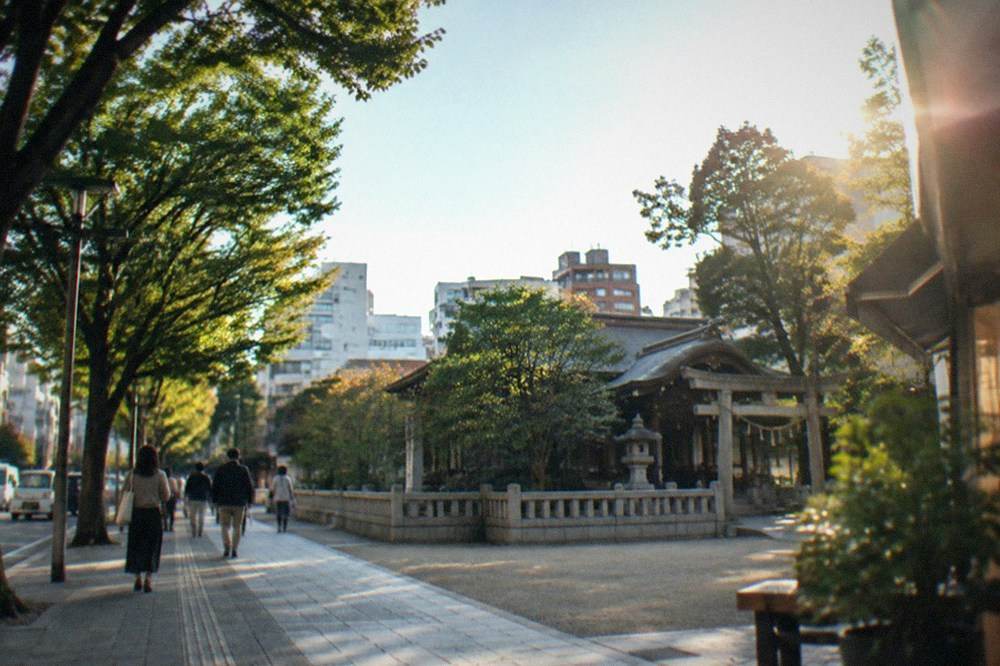
Kego is the quiet, less-defined middle of central Fukuoka: Tenjin to the east handles the big retail and business, Daimyo and Imaizumi to the south carry the boutiques and coffee scene, Ohori-Akasaka to the west has the museums and parkland, and Yakuin to the south-west is residential with a strong local restaurant strip. Kego is smaller, calmer and less defined than any of them, so it suits sleeping and eating rather than a full day out.
The comparison matters most when you are choosing where to base yourself. Tenjin puts you on top of the shopping and the underground mall but on top of the noise too. Daimyo and Imaizumi give you atmosphere and a superb cafe crawl, at a price in both yen and decibels. Ohori-Akasaka gives you morning walks around the water. Kego gives you a bit of all four at a walking distance and usually a quieter night, and its restaurant strip along the southern edge holds its own against the better-known quarters.
| District | Character | Best for | Noise level |
|---|---|---|---|
| Kego | Shrine, small park, green avenue | A calm central base | Low |
| Tenjin | Department stores, underground mall | Shopping, transport hub | High |
| Daimyo | Boutiques, bars, street style | Evening, fashion, design | Medium to high |
| Imaizumi | Coffee roasters, small restaurants | Brunch and cafe crawls | Low to medium |
| Ohori-Akasaka | Park, museums, offices | Morning walks, art | Low |
| Yakuin | Residential with local eateries | Eating where locals eat | Low |
For a fuller sense of how these pieces fit together, the Tenjin area guide covers the shopping core and the Ohori-Akasaka guide covers the park and museum side. If you are building a whole trip rather than a single day, the three-day Fukuoka itinerary slots Kego into day one or two as the connective tissue between the sights.
The bike tour above is the single best way to make sense of how these central districts lock together, because the distances between them are short enough that walking them all is tiring and driving them is pointless. A guide also takes you down the riverside lanes and old-town alleys that a first-time visitor's map app tends to skip.
Where Should You Eat in and Around Kego?
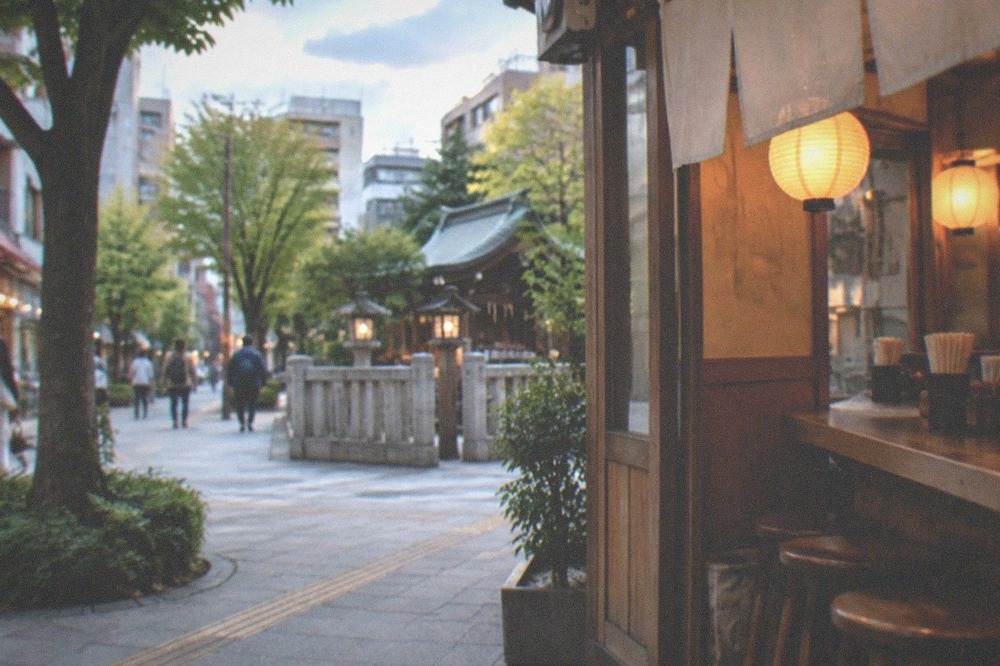
Kego's own food identity is low-key and mostly Japanese: small izakaya, neighbourhood noodle shops, and a scattering of cafes along and just off Kego-dori, with the heavier concentration of restaurants sitting on its southern and eastern edges where it blends into Imaizumi and Yakuin. The district is five minutes on foot from some of the best eating in Fukuoka, so the honest advice is to treat Kego as where you sleep and start, and eat in whichever neighbouring quarter suits the mood.
The Fukuoka food canon is never far away. Tonkotsu ramen in the Hakata style, motsunabe hot pot, mentaiko pollock roe and the hitokuchi gyoza that Nakasu made famous are all served within a short walk or a couple of subway stops of Kego. The city's famous yatai food stalls, of which the city says there are about 100 across Fukuoka, more than any other Japanese city, cluster in Nakasu, Tenjin and Nagahama rather than in Kego itself, so a stall dinner means a ten-minute walk east.
One thing worth knowing before you sit down at any yatai: a city ordinance requires every stall to display its prices where customers can easily see them, and any dish priced on the day's market cost must show that day's actual price rather than a vague "market price" label. The city's own yatai Q&A page sets out the rules on its official site. Stalls take walk-ins only, you cannot book a stall, and rain or strong wind closes many of them, so check the evening sky before you commit to the plan.
For a sit-down dinner nearer to Kego, the blocks toward Imaizumi and Yakuin are the productive direction. Small counter restaurants, wine-focused izakaya and the city's celebrated specialty coffee scene all sit within a few minutes' walk. Lunch is the easier meal in Kego itself, because the office population around Tenjin supports a dense layer of teishoku set-lunch places that empty out after two in the afternoon.
| Meal | Where to look | Neighbourhood character |
|---|---|---|
| Breakfast | Kego-dori cafes, Tenjin department store floors | Quiet, quick, cheap |
| Lunch | Set-lunch shops toward Tenjin edge | Office crowds, fast turnover |
| Coffee | Imaizumi, two to five minutes south | Roaster-driven, excellent |
| Dinner, casual | Izakaya around the southern edge | Local, unfussy, cash-friendly |
| Dinner, occasion | Daimyo or Nakasu | Louder, later, book ahead |
| Yatai stall night | Nakasu riverside, ten minutes east | Walk-in only, weather dependent |
Budgeting is straightforward in this part of the city because the range is wide rather than high. A noodle lunch and a coffee can cost less than a museum ticket, while a full izakaya evening in Daimyo can cost several times that. The shopping and souvenir side of the site covers edible gifts if you are planning to carry flavours home.
Is Kego a Good Place to Stay?
Kego is a genuinely good base for a first or second Fukuoka trip if your priority is a quiet night within walking distance of everything central: Tenjin's shopping, Ohori Park's morning loop, the Daimyo and Imaizumi food quarters and the museums are all on foot, and Hakata Station and the airport are a short subway ride away. It is a poor choice only if you want to be inside the nightlife itself, in which case Nakasu or the Daimyo bar strip will suit you better.
The practical argument is geometry. Kego sits close to the centre of the rectangle most visitors actually use, bounded by Hakata Station to the east, Ohori Park to the west, Nakasu to the north and Yakuin to the south. Sleeping here shortens every walk slightly, and the district's low-rise, low-noise character means the shortening does not cost you sleep. Travelers who base themselves in Hakata near the station trade that calm for zero-transfer access to day-trip trains, which is the one genuine argument for the other side.
Every real hotel you consider in or near Kego should be checked against its own listing rather than against a guide's summary, because rates in central Fukuoka move with the event calendar at the nearby baseball dome and with the convention trade. Baseball crowds and festival weekends fill the central wards fast, and the two biggest festivals, Hakata Dontaku in early May and Hakata Gion Yamakasa in the first half of July, draw enormous crowds into the very streets around Kego.
That July point deserves a planning note. July is Fukuoka's wettest month in the official Japan Meteorological Agency 1991 to 2020 normals, with 299.1 mm of rain against June's 249.6 mm, despite June being the tsuyu rainy-season month. July is also Yamakasa month, when the district sits within easy reach of the festival's Kushida Shrine heart. Neither fact argues against visiting; both argue for packing an umbrella and booking early.
| If you want | Better base than Kego | Why |
|---|---|---|
| Zero-transfer day trips | Hakata Station area | Limited express and Shinkansen access |
| Nightlife on your doorstep | Nakasu or Daimyo | Bars and stalls until late |
| Park mornings | Ohori-Akasaka | Direct park access |
| Cafe-crawl culture | Imaizumi | The roaster cluster |
| A quiet, central compromise | Kego | Walkable to all of the above |
How Does Kego Fit Into a Fukuoka Itinerary?
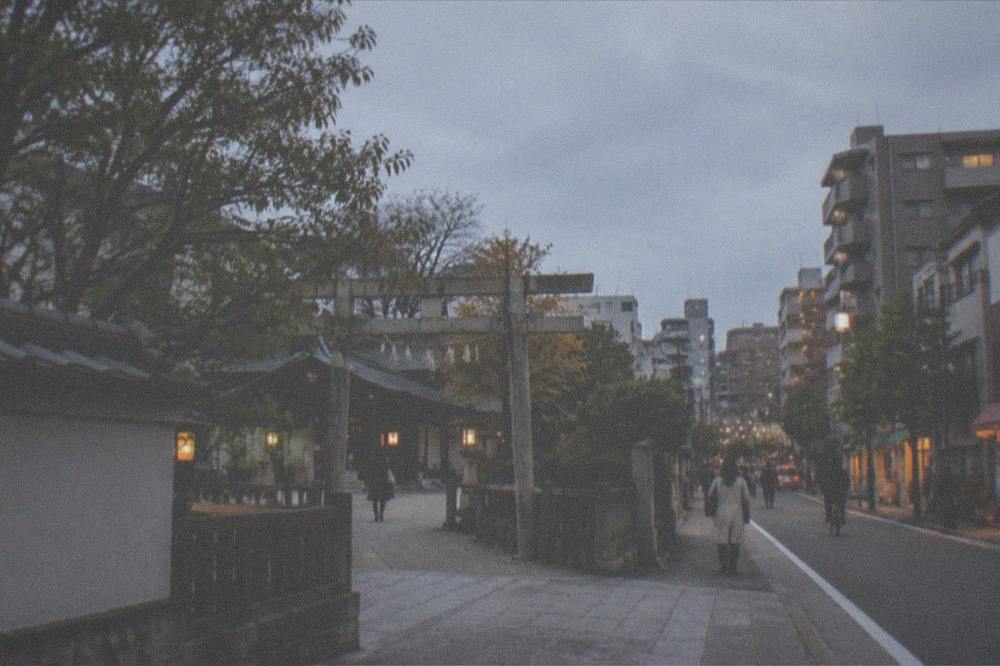
Slot Kego into a first or second day rather than giving it a day of its own. A workable pattern is Ohori Park and the art museums in the morning, Kego-dori and Kego Shrine as the walk back into Tenjin at midday, lunch and shopping in Tenjin, then Daimyo or Imaizumi in the evening. On a longer trip, Kego works as your fixed base while day trips run out of Hakata Station to Dazaifu, Yanagawa, Itoshima and points beyond.
The morning-to-evening arc above is the one most visitors stumble into anyway, because it follows the geography. Ohori Park's pond loop is the city's best morning walk, the Japanese garden inside the park charges a modest ¥250 for adults and ¥120 for children with under-6s free, and from the park's eastern edge the green avenue carries you into Kego without ever crossing a busy arterial. By the time you reach Tenjin you have earned your lunch.
For the evening, a guided walk adds context that a map cannot. The Fukuoka Essentials history and culture tour covers the city's core story in a half day, and the private personalized walking tour with a local does the same in two hours for travellers who want to ask questions. Both pick up from the central area, so Kego-based visitors lose no time reaching the meeting point.
Day trips are where basing yourself centrally pays off. Dazaifu and Yanagawa sit on the Nishitetsu rail line out of Tenjin, Itoshima's coast runs west by bus or rental car, and the bigger Kyushu loops to Yufuin, Beppu, Takachiho and Kumamoto all depart from Hakata. The day trips guide on this site ranks them properly. Kego's contribution to all of this is simply that it is close to both Tenjin's Nishitetsu station and Hakata's JR hub without being on top of either.
When Is the Best Time to Visit Kego?
Late March to early April brings the cherry blossom and the year's best walking weather, May offers warm, dry days around the Dontaku festival, October and November deliver the most comfortable temperatures of the autumn, and mid-November into early December is when the park and garden maples turn. Summer is hot and July is the wettest month, while winter is mild, quiet and good value. There is no bad month, only trade-offs.
The official climate normals for Fukuoka make the case with numbers. August is the hottest month with a mean daily maximum of 32.5 degrees Celsius, May is the sunniest at 204.1 hours, and the autumn months combine comfortable daytime highs in the low twenties with steadily falling rainfall. Winter days average a maximum of 10.2 degrees in January, which is cold enough for a coat and mild enough that the city's outdoor eating scene never fully closes.
The seasonal events around Kego are worth timing a trip around if festivals appeal. Hakata Dontaku fills the central streets on 3 and 4 May each year with parades and dancing, the Yamakasa festival runs 1 to 15 July with its famous early-morning float race, and the Hojoya festival at Hakozakigu runs 12 to 18 September with hundreds of food stalls along the shrine approach. The Hakata area guide covers the station-side festival heartland in detail.
| Season | Conditions | What it means for Kego |
|---|---|---|
| Spring | Mild, blossom late March to early April | Peak walking weather, crowds at blossom spots |
| Early summer | Tsuyu rain in June, hot and wetter still in July | Umbrella weather, festival energy |
| Late summer | Hot, 32.5 C mean August maximum | Evening activity, indoor middays |
| Autumn | Comfortable, maples mid-November onward | The best all-round season |
| Winter | Mild, quiet, January max 10.2 C | Low crowds, warm bowls of ramen |
Whatever the month, the district rewards the slow approach. Kego is not a sight you tick off; it is a set of streets you use, and the visitors who enjoy it most are the ones who let a morning drift from the park to the shrine to a coffee and only then notice how much ground they have covered.
For everything beyond the district's edges, this Fukuoka Japan Travel Guide carries the full set of neighbourhood, attraction and itinerary pages, and the trio below covers the three experiences that pair most naturally with a Kego base: a guided ride through the central streets, a full-day loop into the dramatic side of northern Kyushu, and the cheap, quick ticket up Fukuoka Tower for the view over the whole grid you have just walked.
Common Questions About Kego
What Is Kego Known For?
Kego is known for Kego Shrine, the small Kego Park where locals play outdoor go and shogi, and Kego-dori, the tree-lined avenue connecting Tenjin with the Ohori Park side of the city. It is a calm, walkable pocket of central Fukuoka rather than a headline attraction district.
Is Kego worth visiting?
Yes, as a walk-through rather than a destination. Give it an unhurried hour between Ohori Park and Tenjin, and it delivers a shrine, a genuinely local park scene and one of the nicer streets in the city centre.
How far is Kego from Tenjin?
Kego begins a few blocks west and south of the Tenjin shopping core, and the whole district is comfortably walkable from Tenjin on flat ground. Most visitors reach it entirely on foot without noticing they have changed neighbourhoods.
Can you reach Kego by subway?
Yes. The Nanakuma line serves this side of the city, with adult single fares distance-based from ¥210 to ¥380 across the network's zones, and a one-day pass at ¥640. From the airport side, the fare to Hakata is ¥260 and the centre is a short ride onward.
Where do you eat near Kego?
Small izakaya and cafes sit in and around the district, with the densest eating in the neighbouring Imaizumi and Yakuin quarters to the south and the yatai food stalls of Nakasu about ten minutes' walk east. Stall dining is walk-in only and weather dependent.
Is Kego a good place to stay in Fukuoka?
It suits travellers who want a quiet night within walking distance of Tenjin, Ohori Park, Daimyo and Imaizumi. Choose Nakasu or Daimyo instead if you want nightlife on your doorstep, or Hakata Station if day trips are the priority.