Fukuoka Airport Layover Itinerary
Fukuoka Airport sits closer to its city centre than almost any other airport in Asia, which turns even a half-day layover into a genuine sightseeing window rather than a wait in a departure lounge.
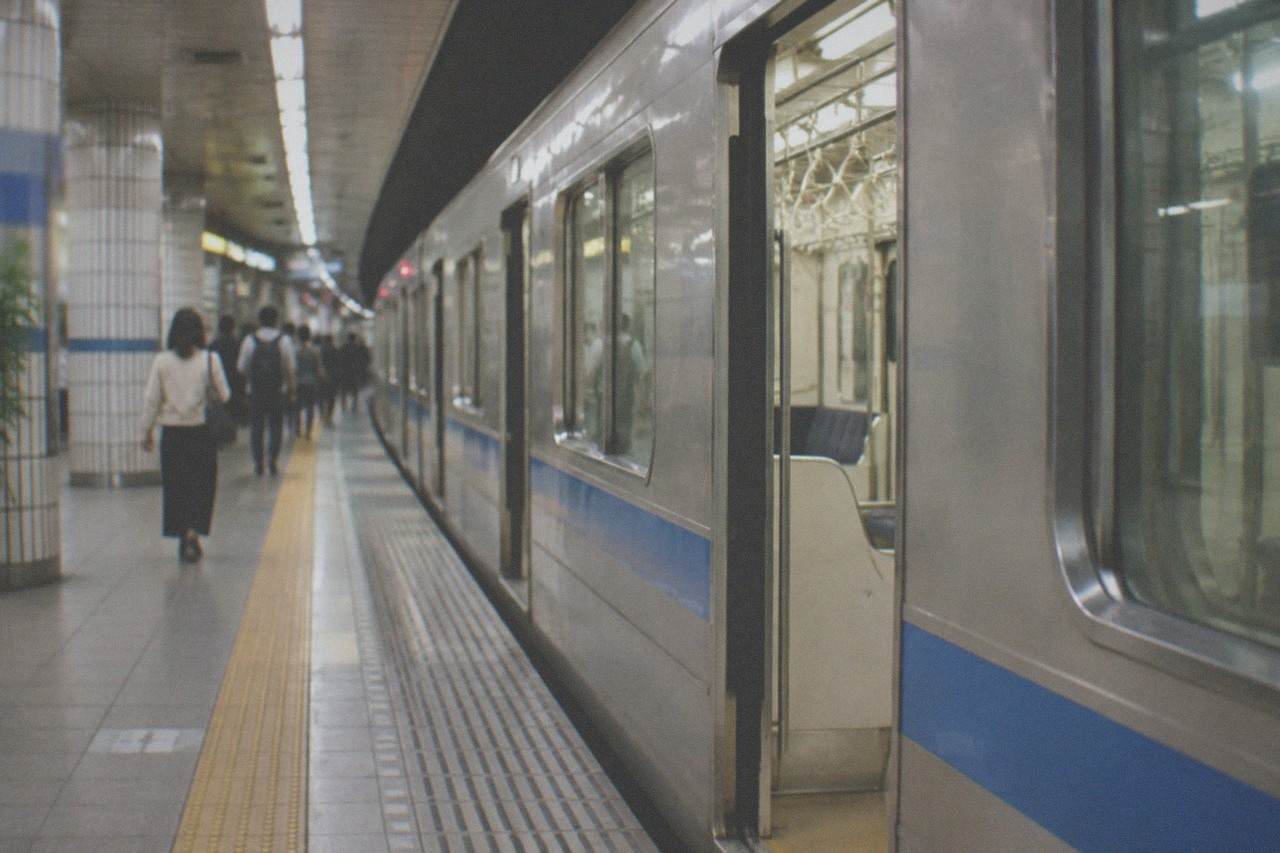
Short answer
Yes, you can leave Fukuoka Airport during a layover, and the subway fare to Hakata is a verified ¥260. With three hours you can reach Kushida Shrine, with six you can add Ohori Park and a yatai dinner, and with ten you can reach Dazaifu. Allow roughly two to three hours to re-enter the airport, clear security and reach your gate.
Fukuoka Airport is unusual among major Asian hubs: it sits inside the city it serves, on the Kuko subway line, a handful of stops from Hakata Station. The airport's own access pages confirm how close it is to the centre, and the subway fare table makes the cost plain. What that means for a transit passenger is simple. A layover here is not dead time. It is a compressed version of one of Japan's most food-focused cities, reachable for the price of a coffee, and this itinerary breaks down exactly what fits into three hours, six hours, ten hours or an overnight.
Can You Leave Fukuoka Airport During a Layover?
Yes, in almost every case you can leave Fukuoka Airport during a layover, provided your baggage and onward boarding pass situation allows it. Japan has no rule keeping transit passengers inside the terminal, and the airport is on the city subway, so the practical question is time, not permission. The verified subway fare from the airport to Hakata is ¥260, and the city centre is unusually close, so even a four-hour window supports a real excursion outside the terminal.
The permission question has two parts. The first is immigration: if you are flying internationally and your layover ends with another international flight, you still pass through entry control to leave the airport, which means your passport and any visa requirements for Japan apply. Travellers from most visa-exempt countries can do this in minutes. The second part is baggage. If your checked bag is tagged through to your final destination and you hold an onward boarding pass, you walk out with your cabin bag only. If you must collect luggage, or your airline requires re-checking it, the airport's baggage counters and the coin lockers in both terminals handle the gap, and the free inter-terminal shuttle bus between the international and domestic terminals runs about every ten minutes according to the airport's access information.
One naming point matters before you plan anything, because it is the single most common error in guides to this city. There is no JR Fukuoka Station. Fukuoka's main rail hub is Hakata Station, and Hakata is a ward of Fukuoka, not a separate city. You do not travel "from Hakata to Fukuoka"; you travel within Fukuoka, from the airport to the Hakata district. Every itinerary below is written with that geography in mind, and the fuller background is in the guide to getting from Fukuoka Airport to the city.
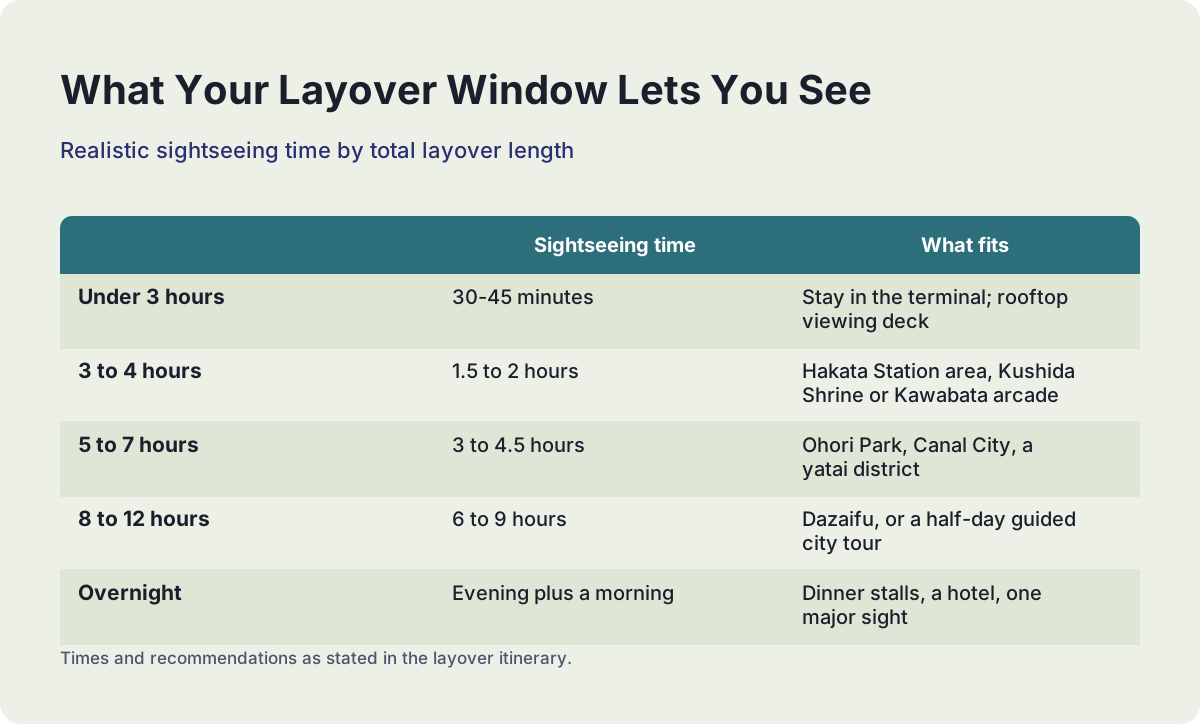
Budget your window like this before you commit to any plan.
| Layover window | Realistic sightseeing time | What comfortably fits |
|---|---|---|
| Under 3 hours | 30-45 minutes | Stay in the terminal; domestic terminal rooftop viewing deck |
| 3 to 4 hours | 1.5 to 2 hours | Hakata Station area, Kushida Shrine or Kawabata arcade |
| 5 to 7 hours | 3 to 4.5 hours | Ohori Park, Canal City, a yatai district |
| 8 to 12 hours | 6 to 9 hours | Dazaifu, or a half-day guided city tour |
| Overnight | Evening plus a morning | Dinner stalls, a hotel, one major sight before departure |
The rule of thumb behind that table: subtract two and a half hours from your layover for an international departure, and ninety minutes for a domestic one. That remainder is what you can safely spend outside. If the subtraction leaves less than an hour, stay airside.
How Much Layover Time Do You Actually Need?
Plan on a minimum of five hours total before a city excursion is worth the risk, and eight hours before you attempt anything beyond the immediate city centre. The subway fare is only ¥260 and trains run frequently, so transport is never the constraint. The constraint is the buffer you need to return through security, and the fact that Dazaifu, Itoshima and the wider Kyushu day trips each consume four to six hours of actual sightseeing once you add the journeys out and back.
The arithmetic is easier than it looks. A city-centre outing costs you about twenty minutes each way on the subway plus waiting, so a six-hour layover gives you roughly three hours on the ground in Hakata or Tenjin. A Dazaifu outing costs closer to fifty minutes each way using the Nishitetsu railway with a transfer at Futsukaichi, so the same six-hour layover leaves you barely ninety minutes at the shrine, which is thin. This is why the itineraries below are split by window rather than by interest: the window decides the destination.
Weather deserves a line in the budget too. Fukuoka's climate data from the Japan Meteorological Agency shows July is the city's wettest month, at 299.1 mm against June's 249.6 mm, which surprises visitors who assume the rainy season month is the wet one. A wet layover shrinks your options toward indoor plans, and a dedicated rainy day itinerary covers those in depth.
If your layover is long but awkward, say nine hours arriving at dawn, the honest advice is to split it: a morning in the city, a bag in a locker, lunch near the station, and a return to the airport with time to shower and eat before a long-haul leg. A structured version of that pattern exists in the one-day city itinerary, which you can strip down to fit a shorter window.
There is also a category of layover where a tour beats independent planning outright. If you land without a data connection, without yen in hand, or simply too tired to read a rail map, a guided option converts a stressful window into a managed one. The selection above pairs the airport transfer that solves the arrival problem with two full-day formats for genuinely long layovers.
Getting from Fukuoka Airport to the City Centre
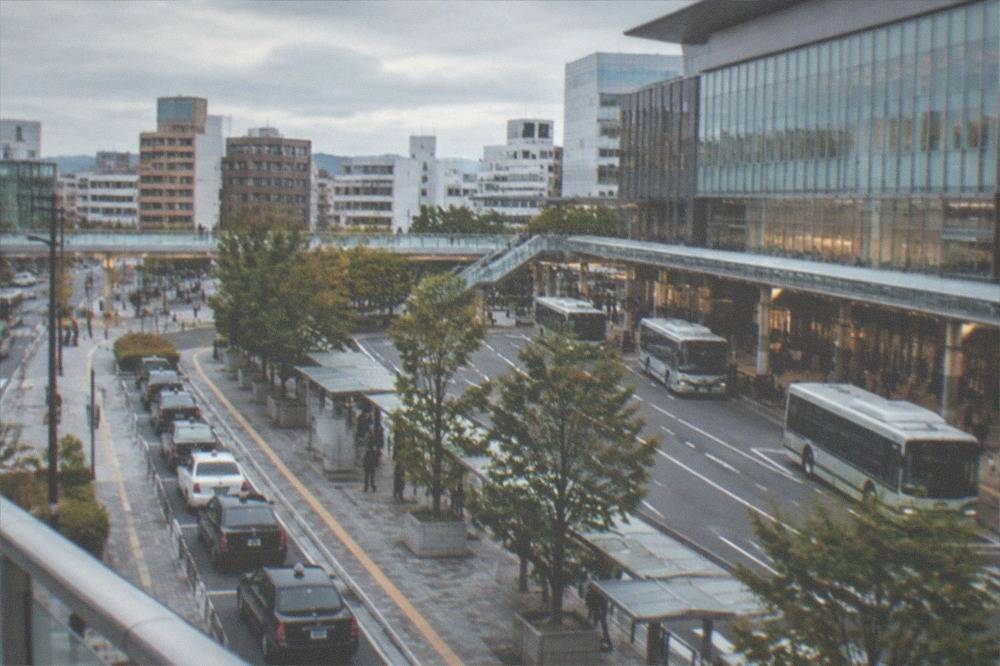
The subway is the answer for nearly every layover: the Kuko line runs from the airport into the centre, the fare to Hakata is ¥260 for an adult, and the airport is unusually close to the city it serves. A one-day subway pass costs ¥640, so it only pays off from your fourth ride onward. No official page publishes a journey time in minutes, so treat the distance as short rather than quoting a number that circulates unverified online.
The fare structure is distance-banded and published by the city subway operator: ¥210 for up to 3 km, ¥260 for 3 to 7 km, ¥300 for 7 to 11 km, ¥340 for 11 to 15 km, ¥360 for 15 to 19 km and ¥380 beyond that, with child fares roughly half. The airport-to-Hakata leg falls in the ¥260 band, and airport-to-Tenjin costs the same because both sit within the 3 to 7 km range. The full fare table is on the official subway fare page, and the practical details of the ride, ticket machines and IC cards are covered in the Fukuoka Airport to city guide.
| Journey | Line | Adult fare | Notes |
|---|---|---|---|
| Fukuoka Airport to Hakata | Kuko line | ¥260 | Hakata is the main rail hub; no JR Fukuoka Station exists |
| Fukuoka Airport to Tenjin | Kuko line | ¥260 | Tenjin is the shopping and business core |
| Any subway ride, all day | All three lines | ¥640 day pass | Pays off from the fourth ride |
| Tenjin to Dazaifu | Nishitetsu railway | Not verified for this page | Transfer at Futsukaichi; use the Tabi Kippu from Nishitetsu counters |
IC cards work here the way they do across Japan: Suica, PASMO and ICOCA are accepted alongside the local Hayakaken on the subway, so a card you already hold will tap you through. If you have none, a paper ticket from the machine is perfectly fine for a layover, and the tourist information offices at Tenjin, Hakata Station and the airport itself sell the ¥640 day pass over the counter.
One pass deserves a specific mention because most competing guides still quote its old price. The Fukuoka Tourist City Pass, run by the city's own tourism operation, now costs ¥2,500 for the city version and ¥2,800 for the version that adds Dazaifu, with child fares at half. It covers subway, buses, trams and designated ferries for one day, and it is restricted to overseas visitors on short-stay visas, with a passport checked at purchase, as the official pass page states. For a single layover with two or three subway rides, the day pass or single tickets are cheaper. For a layover you intend to spend riding buses around the centre, the Tourist City Pass earns its price.
The transfer above is the alternative when the subway is the wrong tool: a group with luggage, a late arrival, or a passenger who values a fixed meet-and-greet over a ticket machine. It runs from the international terminal into the city and is rated 5 from 2 reviews, a small pool, so read the listing's own description rather than relying on the score. For everyone else, the subway remains the fastest and cheapest option out of the terminal.
The Three-Hour Layover: Hakata Station and Kushida Shrine
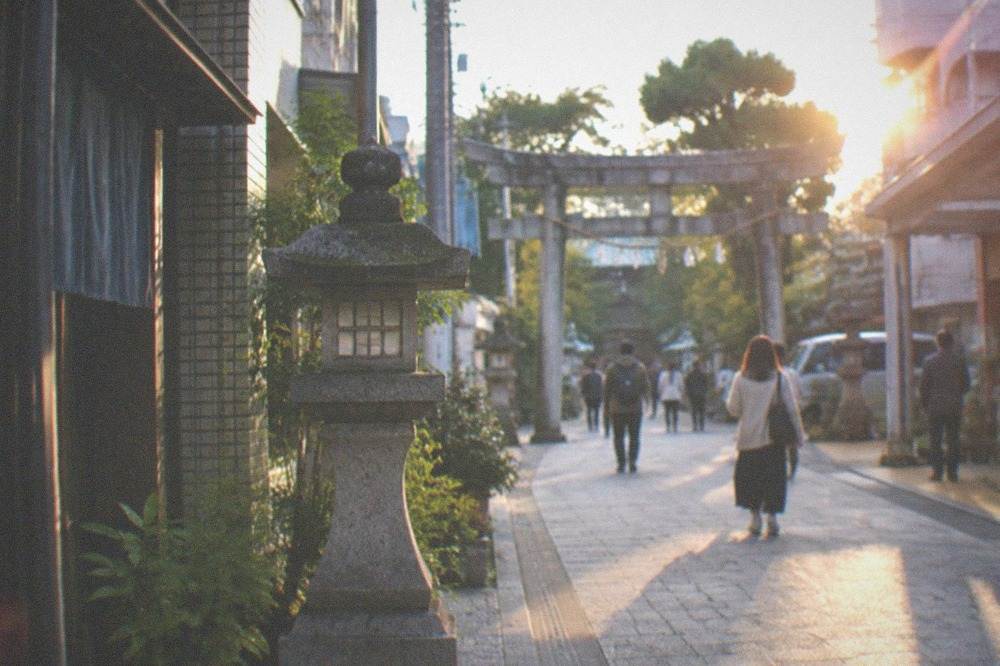
A three-hour layover supports about ninety minutes outside the terminal, and the highest-value ninety minutes in Fukuoka sits around Hakata Station and Kushida Shrine. The shrine grounds are free to enter, the walk from the station takes roughly ten to fifteen minutes, and the Kawabata shopping arcade runs between the two, so a single loop delivers a shrine, an old merchant street and a ramen or gyoza stop without a single transfer.
Leave the airport on the Kuko line, exit Hakata Station from the Chikushi side, and walk toward the Naka River. Kushida Shrine, the tutelary shrine of Hakata and the spiritual centre of the Yamakasa festival each July, is free to enter and compact enough that fifteen unhurried minutes cover the grounds. Its full background, including the festival floats, is in the Kushida Shrine guide. From the shrine, the Kawabata shopping arcade stretches back toward the river, a covered traditional street with coffee shops, a knife store and the Hakata Machiya Folk Museum nearby, which reconstructs a Meiji-era merchant house.
Timing discipline is everything on this loop. Fix your return train before you leave the station, work backward from your boarding time, and keep the last thirty minutes at the airport for security. The classic failure of a short layover is not distance, it is the unplanned extra stop. Choose one food commitment, not two: either a bowl of tonkotsu ramen near the station, Hakata being the birthplace of that style, or hitokuchi gyoza in the arcade. If you have a fourth hour, add Tochoji temple and its Great Buddha, a short walk north, which is free to enter.
If even this loop feels rushed, remember the airport itself is not a bad place to be stuck. The Fukuoka Airport guide covers the domestic terminal's rooftop viewing deck and the food floors of both terminals, which beat the average hub lounge for a two-hour wait.
The Six-Hour Layover: Ohori Park, Canal City and a Yatai Dinner
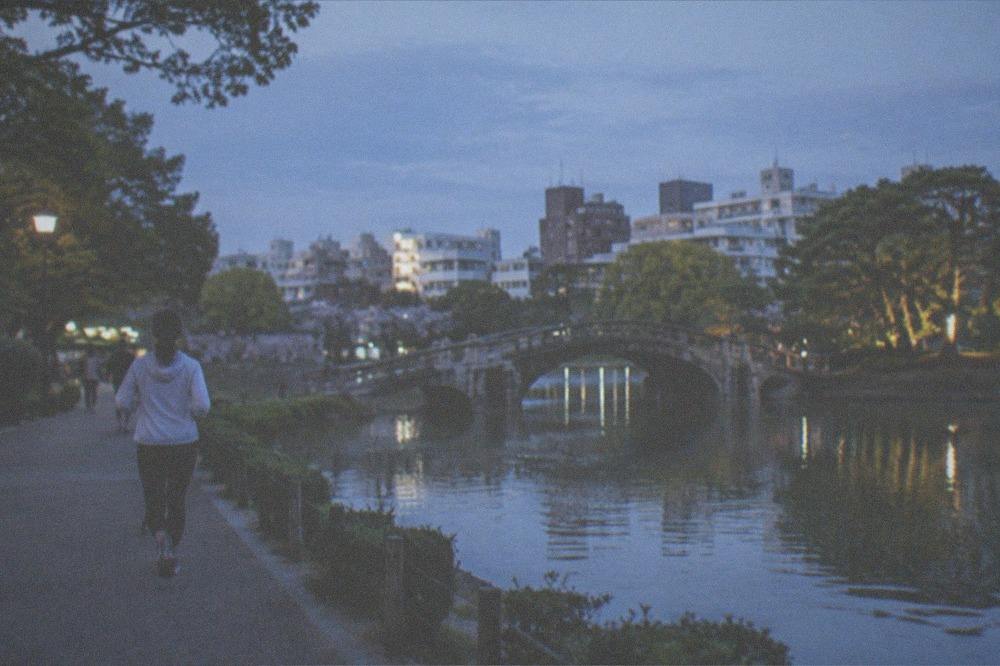
A six-hour layover gives you three to four real hours, which is enough for one park, one shopping-and-food complex and an evening stall, in that order. Ohori Park and its Japanese Garden sit two subway rides from Hakata, Canal City Hakata sits between the park and the station, and the yatai stalls open from early evening, so this window naturally becomes a walk from green space to dinner with almost no backtracking.
Start at Ohori, Fukuoka's central park, built around a large pond with a two-kilometre walking path. The park itself is free, and the Japanese Garden inside it charges ¥250 for adults and ¥120 for children, with free entry for visitors 65 and over and for those with a disability certificate plus a carer. Last entry is 17:45 in the May to September season and 16:45 from October to April. The details, including the garden's hours and closures, are in the Ohori Park guide. From Ohori, take the subway toward Nakasu-Kawabata and walk to Canal City Hakata, a canal-cut shopping complex that is free to enter, open every day of the year, with shops from 10:00 to 21:00 and restaurants from 11:00 to 23:00.
By early evening the yatai become the reason you planned a six-hour window rather than a four-hour one. Fukuoka has about 100 licensed food stalls, more than any other Japanese city, and the city's ordinance requires each stall to display its prices where customers can easily see them, with market-price wording banned outright. That last point is genuinely useful: you can read a stall's menu and know what the meal costs before you sit down. The stalls cluster in Nakasu along the Naka River, in Tenjin along Watanabe-dori and Showa-dori, and in Nagahama near the old fish market area. You cannot book a stall; they take walk-ins only, and rain closes many of them. Seating is tight, elbow to elbow, which is part of the format. Everything else covered here is indexed on Fukuoka Japan Travel Guide.
| Stop | Time to allow | Cost basis |
|---|---|---|
| Ohori Park loop | 45-60 minutes | Free; garden ¥250 adult, ¥120 child |
| Canal City Hakata | 45-60 minutes | Free entry; food and shops priced by tenant |
| Yatai dinner | 60-90 minutes | Prices posted per city ordinance; cash is safest |
| Subway legs | 15-20 minutes each | ¥260 per adult single in the 3 to 7 km band |
If walking that route alone sounds like work, a guided evening solves it. The Fukuoka Essentials tour, a half-day city walk rated 4.9 from 48 reviews, covers the history-and-culture core with a local guide, and there is a fuller comparison of formats in the night itinerary.
That tour runs three to six hours and starts from $74 per person, which makes it a realistic single-booking answer to a long afternoon layover: one decision, one meeting point, and a guide who handles the pacing you would otherwise be doing in your head. For travellers who prefer to move at their own speed, the self-guided table above does the same route for the price of three subway fares and dinner.
The Ten-Hour Layover: Dazaifu or a Taste of Wider Kyushu
Ten hours is the threshold where a layover stops being a city walk and becomes a day trip, and the two strongest candidates are Dazaifu, the shrine and museum town southwest of the city, and the wider Kyushu circuits that bus tours reach from Hakata. Dazaifu Tenmangu charges no entrance fee, opens from 6:00 or 6:30 depending on season, and closes between 18:30 and 19:30 by month, while guided day tours from Fukuoka run from eight to eleven hours and start from under $50 per person.
Dazaifu works as an independent trip: take the subway to Tenjin, change to the Nishitetsu railway, transfer at Futsukaichi, and the whole journey is under an hour from the city core. The shrine's own FAQ states plainly that there is no entrance fee, and the approach street, lined with teahouses selling umegae mochi, plus the Kyushu National Museum next door, fill a half day comfortably. The Dazaifu day trip guide covers the full route, and the Dazaifu Tenmangu guide covers the shrine itself. One caution: a long layover in late November lands you in Dazaifu's maple season, when the approach and the moss garden at nearby Komyozenji are at their best, and also at their most crowded.
The alternative is a bus day tour, and the roster here is deep. The Yufuin no Mori and Dazaifu day tour, rated 4.7 from 54 reviews and running eight hours from $70, pairs the famous sightseeing train with the shrine town. The Mount Aso and Kurokawa Onsen tour, rated 4.6 from 101 reviews, reaches a volcano, grasslands and one of Kyushu's best onsen villages in ten hours. The Takachiho Gorge tour with the optional boat ride, rated 4.8 from 713 reviews, is the longest-haul favourite at eleven hours. All of these depart from the Fukuoka area, which means they fit a layover only if your window is genuinely ten hours or more, and you should confirm the departure point against your arrival terminal before booking.
For a layover that lands mid-morning and departs in the evening, that Yufuin no Mori tour is the best single fit in the roster: it returns you to the city with hours to spare before a night flight, and the train itself is part of the attraction. If your window is tighter, drop back to the six-hour plan and spend the surplus on a longer dinner rather than risking a highway delay on the way back to your gate.
An Overnight Layover: Evening Stalls, a Hotel and One Morning Sight
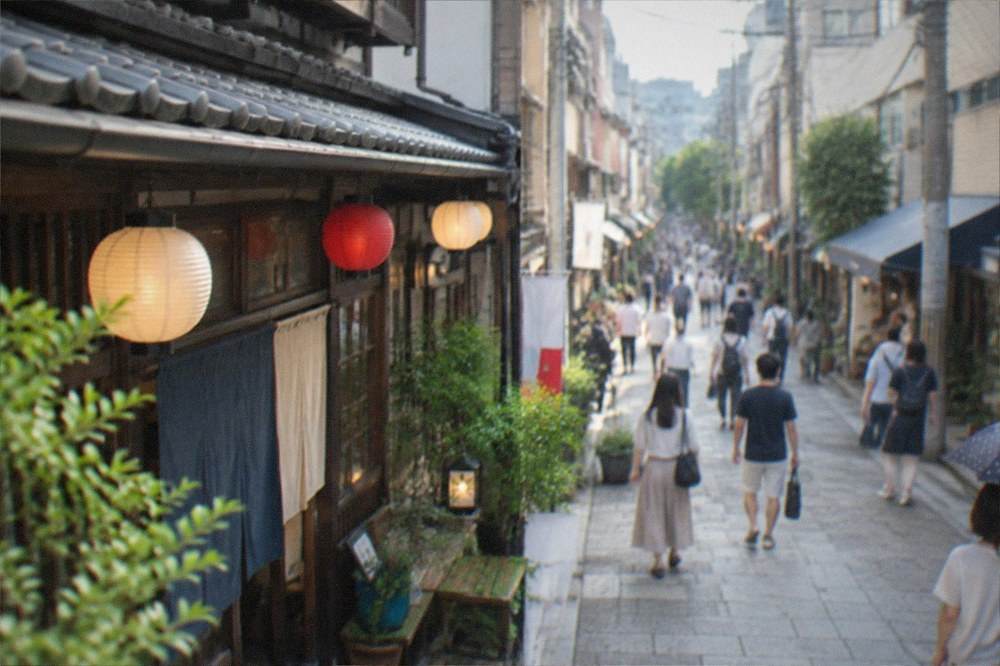
An overnight layover in Fukuoka is a gift rather than a burden, because the city's two best experiences, the yatai stalls and the morning shrine visits, happen on opposite sides of midnight. Spend the evening at the stalls in Nakasu or Tenjin, sleep within a subway ride of the airport, and give the morning to Ohori Park or a quiet Hakata temple before a relaxed ride back. Budget the return for two hours before an international departure and you will still arrive unhurried.
The evening needs no itinerary beyond a district. Nakasu, along the Naka River, is the photogenic stall row and the most tourist-facing; Tenjin's scattered stalls along Watanabe-dori and Showa-dori lean local and after-work; Nagahama near the old fish market area is the traditional ramen territory. Since stalls take walk-ins only, the plan is simply to arrive from around 18:00, when most open, and move on if a stall is full. The etiquette, the price-display rule and what to order are covered in detail in the yatai etiquette guide.
For the morning, choose one sight and defend the choice. Ohori Park at opening is the calmest major park experience in the city, and the Japanese Garden opens at 9:00. Alternatively, walk the Hakata old town loop of Kushida Shrine, Tochoji and Shofukuji, all free to enter, which sits within walking distance of Hakata Station and therefore of your ride back to the airport. Shofukuji, Japan's first Zen temple, is a quiet garden stop that most transit visitors never reach.
| Overnight segment | Where | Time to allow |
|---|---|---|
| Arrival and hotel drop | Hakata or Nakasu | 45-60 minutes from the airport |
| Yatai dinner | Nakasu, Tenjin or Nagahama | 2 hours from around 18:00 |
| Morning sight | Ohori Park or Hakata old town | 90-120 minutes |
| Return to airport | Kuko line | Allow 2 hours before an international flight |
Where to sleep is a question of energy rather than luxury, and the trade-offs between staying beside Hakata Station and staying in Tenjin are laid out in the where to stay in Fukuoka guide. For a layover, the honest answer is Hakata: one subway ride from the airport on arrival, one ride back on departure, and the stalls of Nakasu in walking distance.
Luggage, Check-In and Getting Back Through Security
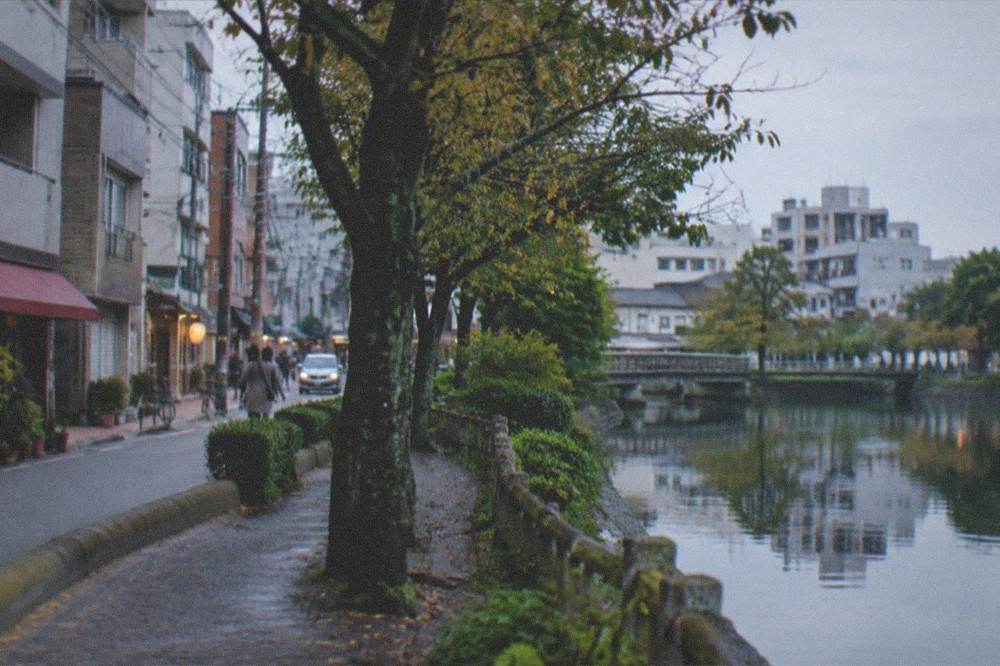
Treat the return to the airport as the fixed point of the whole plan: allow two to two and a half hours before an international departure and ninety minutes for a domestic one, and work every sightseeing decision backward from that. Baggage can stay in three places, the through-checked hold, a coin locker at Hakata Station or in the terminal, or with you, and the lockers at the station are the single most useful facility for a layover, because they sit at the midpoint of almost every route above.
The locker bank at Hakata Station covers everything from cabin-size to large suitcases, and the station's size means you will pass your locker on the way back from any of the itineraries above. If your airline does not through-check and you must re-check a bag, confirm the counter's closing time before you leave the airport on arrival, because a check-in desk that shuts at 18:00 changes a ten-hour layover into a six-hour one. Some airlines serving Fukuoka offer early bag drop or city-centre check-in; this varies by carrier, so ask at the transfer desk rather than assuming.
Re-entry is straightforward but not instant. The international terminal processes departing passengers through standard security and emigration, and queues build in waves around the departure banks of Asian carriers. The free inter-terminal shuttle takes about ten minutes if your onward flight leaves from the domestic terminal, a detail the airport's own access page confirms. Inside security, the food and shopping options are respectable, so a final bowl of ramen airside is a realistic consolation if you cut the city leg too close for comfort.
Two seasonal cautions close the planning picture. Typhoon season in this part of Japan runs roughly July through October, and a storm can slow trains and fill the airport on short notice, so watch the forecast on any layover in that window and keep your plans flexible. And if your layover falls on the last Monday and Tuesday of June 2027, note that Fukuoka Tower is closed those two days, its only annual closure, so swap in Ohori Park instead.
For windows beyond a single day, the patterns here scale directly: a two-day city itinerary extends this layover logic, a three-day version adds Dazaifu and Yanagawa properly, and the Kyushu itinerary from Fukuoka is the right frame once your transit becomes a stay.
Common Questions About Fukuoka Layovers
Can You Leave Fukuoka Airport During A Layover?
Yes. Transit passengers may exit the airport provided they clear entry control, which for most nationalities is a routine stamp. The verified subway fare to Hakata is ¥260, and the city centre is unusually close to the terminal, so even a four-hour window supports a short excursion.
How much time do I need to leave Fukuoka Airport safely?
Subtract two to two and a half hours from your layover for an international departure, or ninety minutes for a domestic one. Whatever remains is your sightseeing time. If that is under an hour, stay in the terminal; if it is three or more, the city is comfortably within reach.
Can I visit Dazaifu during a Fukuoka layover?
Only on a layover of eight hours or more. The journey involves the subway to Tenjin, the Nishitetsu railway and a transfer at Futsukaichi, and Dazaifu Tenmangu itself charges no entrance fee. A six-hour window leaves too little time at the shrine to be worth the risk.
Where do I leave my luggage during a Fukuoka layover?
Use the coin lockers at Hakata Station if your bag is not through-checked. They sit at the midpoint of nearly every layover route, and the station is one subway ride from the airport. If you must re-check a bag, confirm the check-in counter's closing time before you leave the terminal.
Is the Fukuoka Tourist City Pass worth it on a layover?
Usually not for a short one. The pass costs ¥2,500 for the city version, ¥2,800 with Dazaifu, and requires a passport check, as it is restricted to overseas visitors on short-stay visas. A layover with two or three subway rides is cheaper on single fares of ¥260 or a ¥640 subway day pass.
Can I eat at a yatai during an evening layover?
Yes, if your window reaches into the evening. The stalls open from around 18:00, take walk-ins only and cannot be booked, and each must post its prices visibly under the city's ordinance. Rain closes many stalls, so have a Canal City or station-area dinner as a backup.