Fukuoka Bay Cruises
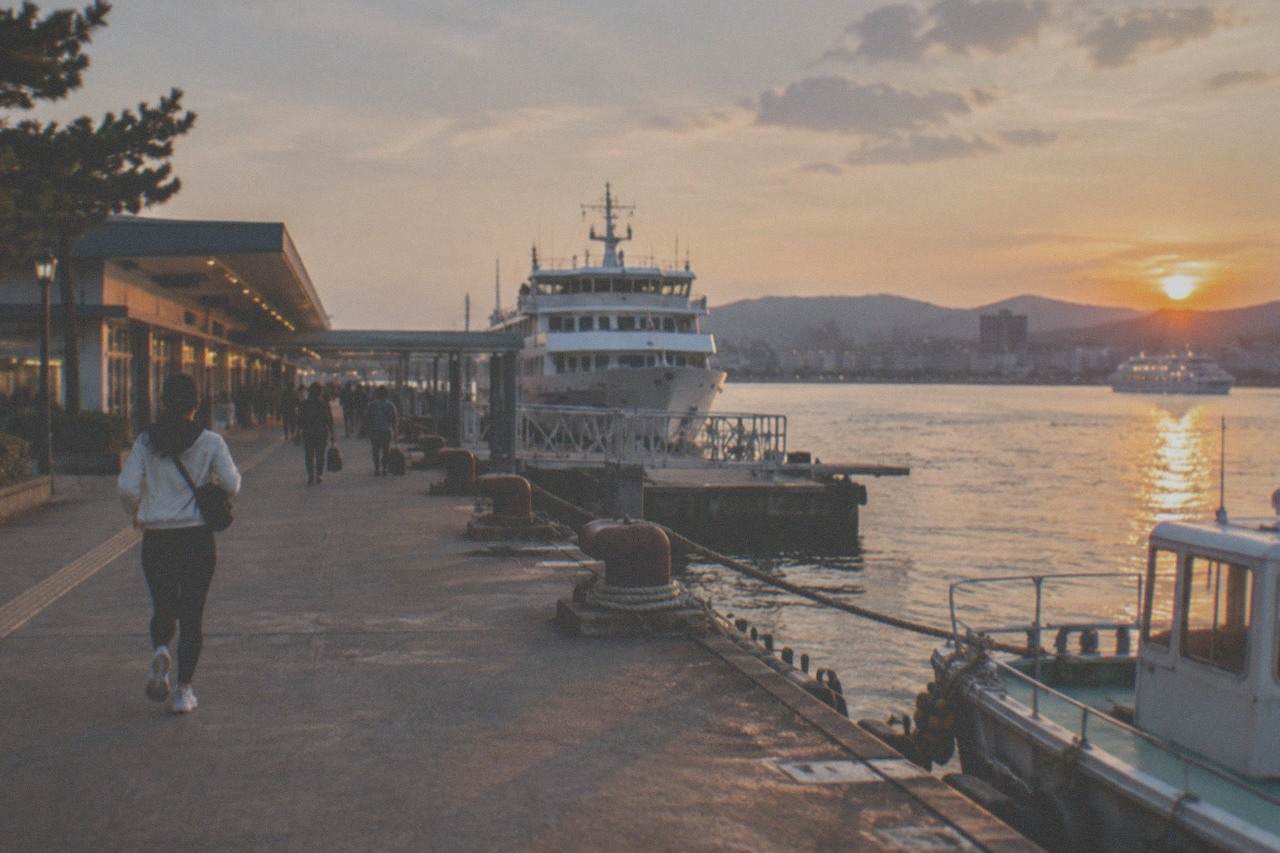
Fukuoka grew up facing water. Hakata Bay sits between the city core and the Genkai Sea, and a surprising amount of what makes this city legible, the port, the islands, the tower, the illuminated bridges, is best read from a boat rather than a rooftop.
Short answer
A Fukuoka bay cruise puts you on Hakata Bay, the body of water between the city and the Genkai Sea. The bookable night cruise runs about 3 hours from around $96 per person and is rated 5 from 4 reviews. It passes waterfront geometry, island silhouettes and city light that no land viewpoint can frame in one view.
Fukuoka is one of very few Japanese cities whose centre genuinely faces open water. Hakata Bay sits immediately north of the downtown wards, opening onto the Genkai Sea rather than the Pacific, and it is the reason the city exists where it does: this was a port town long before it was an office district. Hakata and Fukuoka are the same city, one name for the ward and station, one for the whole, and the bay laps at both. Most visitors experience that water only in fragments, from Momochi Seaside Park, from the deck of Fukuoka Tower, from a ferry window on the way to Nokonoshima. A cruise stitches those fragments together, and there are things it shows you that no land position can.
What Do Fukuoka Bay Cruises Pass That You Cannot See from Land?
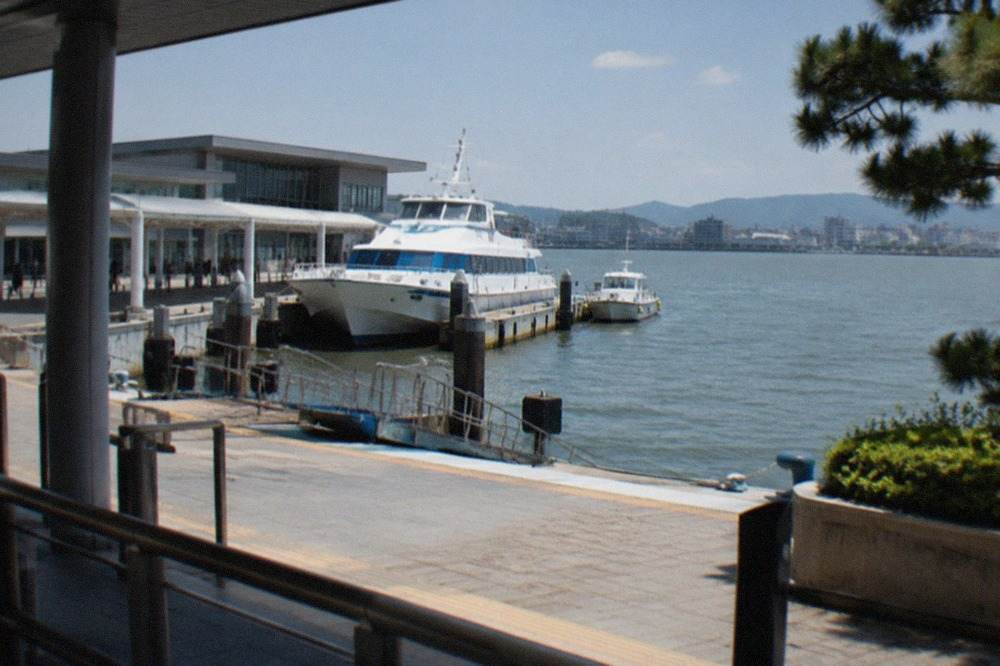
The short answer is geometry. From the water you see the whole sweep of the bay in one frame: the Uminonakamichi sand spit curling along the northern edge, Nokonoshima and Shikanoshima sitting at the mouth, the Momochi shoreline stacked with tower and dome, and the working port of Hakata running down to the city lights. No single land viewpoint can hold all of that, because from land you are always inside one edge of the picture. A boat crosses the frame.
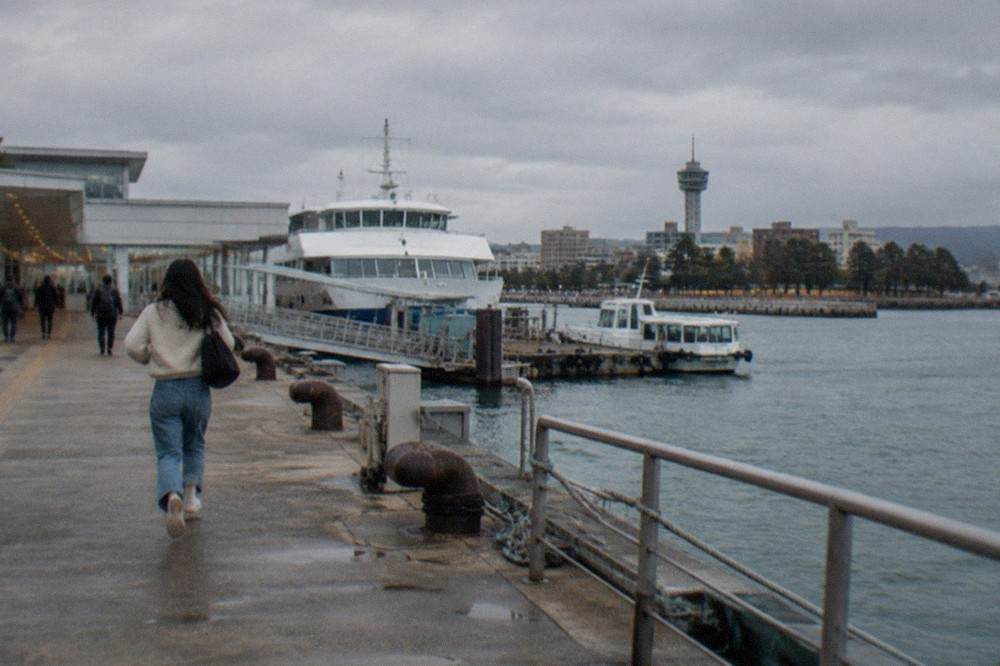
That is not a poetic point, it is a practical one. Fukuoka's best known land views are vertical: Fukuoka Tower lifts you 116 to 123 metres up, and the observation decks are superb, but they look down at the bay as a map. A cruise looks across it at water level, which is the only angle from which the bay reads as a harbour rather than a coastline. The islands stop being green smudges and become places with shape and distance. The port infrastructure, the ferry terminals, the breakwaters, the cruise ship berths at Hakata Port, becomes visible as a system, and Hakata Port is a genuinely busy one, with over two hundred cruise ship calls in a recent year by the city's own records.
The second thing only a boat gives you is the night version. Fukuoka's waterfront illuminates heavily after dark: the tower itself, the bridges over the Naka River, the Nakasu entertainment district stacked along the water, the ferris wheel lights at Bayside Place. From land each of those is a separate visit. From the water they line up into a single illuminated shoreline, reflected, which is precisely what the bookable night cruise sells and why it exists. The roster lists it as a 3 hour experience from $96 per person, rated 5 from 4 reviews, a small review pool so far, which is worth knowing when you read that rating.
The third is motion through the scene. The Genkai Sea side of the bay has real swell and weather, and the contrast between the sheltered inner water near the port and the open water past the islands is something you feel rather than see. That is also the honest caveat: a bay cruise is weather dependent, and typhoon season, which runs roughly July through October in this part of Japan, can cancel sailings outright. If a cruise is the centrepiece of one of your evenings, it is worth having a fallback plan, and the Fukuoka nightlife guide covers indoor options in the same districts the cruise departs from.
Which Fukuoka Bay Cruise Should You Book?
For most visitors the night cruise is the right pick: it is the only rostered cruise experience that is actually on the water in the dark, it runs about 3 hours from $96 per person, and it is rated 5 from 4 reviews. If your interest is daytime scenery rather than city lights, the coastal day tours to Motonosumi Shrine and the Kanmon Bridge cover the Genkai Sea coast by land instead, and a private customisable tour can build a waterfront afternoon around your own list.
The honest starting point is that Fukuoka's bookable cruise inventory is narrow. There is essentially one dedicated cruise product on this site's roster, the night cruise, plus a family of coastal and island tours that get you onto the water in other ways: a river boat in Yanagawa, a ferry to Nokonoshima, an island park and wagyu barbecue combination. If you arrive expecting a dozen competing bay cruise operators, as you would find in a bigger cruise market, you will not find that here, and it is better to know it now than at the ticket counter.
What the comparison really turns on is what you want the water to do for you. The night cruise is an experience of the city from the water: lights, reflections, the skyline laid out. The Motonosumi and Kanmon Bridge day tour is an experience of the coast: it travels out along the Genkai Sea side toward Yamaguchi Prefecture, and the "million dollar view" in its name is the viewpoint over the Kanmon Strait, the narrow channel between Kyushu and Honshu. The private customisable tour is neither, strictly, but a local guide building your day can easily include Momochi, the Ohori Park area and a ferry leg, which gets you onto the bay without a formal cruise at all.
Here is how the three compare on the numbers that matter for planning:
| Experience | Format | From (per person) | Rating | Duration |
|---|---|---|---|---|
| Night cruise | On-the-water evening cruise | $96 | 5 from 4 reviews | 3 hours |
| Motonosumi Shrine and Kanmon Bridge day tour | Coach day tour with coastal viewpoints | $50 | 4.7 from 37 reviews | 9 hours |
| Fully customisable private tour with a local guide | Private walking or transit-based tour | $59 | 4.9 from 106 reviews | 2 to 6 hours |
One more planning note that competitors rarely make: check where the departure point is before you book, and check it against where you are staying. The bay is big, the cruise berths and the ferry terminals sit at different points along it, and the difference between a departure near Hakata and one near Meinohama can be half an hour of transit each way at night. The where to stay in Fukuoka guide breaks down the districts, and Hakata Station is the natural anchor for anything departing from the port side of the bay.
What Does the Night Cruise Actually Include?
The night cruise runs about 3 hours, departs in the evening, and is priced from $96 per person, rated 5 from 4 reviews on the operator's live listing. Because the review pool is still small, treat the rating as an early signal rather than a settled verdict. What the format reliably delivers is the illuminated Fukuoka shoreline from the water, the angle no rooftop bar replicates, over a single evening.
Three hours is longer than most first-time visitors expect, and it shapes how the evening works. This is not a thirty minute harbour loop; it is a substantial chunk of your night, which means you should plan dinner around it rather than hoping to squeeze both. The yatai food stalls of Nakasu and Nagahama, about a hundred of them across the city under the municipal licensing system, open in the early evening, and a stall dinner before a cruise departure is the natural pairing. The Fukuoka yatai guide covers how the stalls work, and one genuinely useful rule from the city's own ordinance: every stall must post its prices visibly, and a dish priced on the day's market must show that day's actual price rather than a vague "market price" label, so you can read your costs before you sit down.
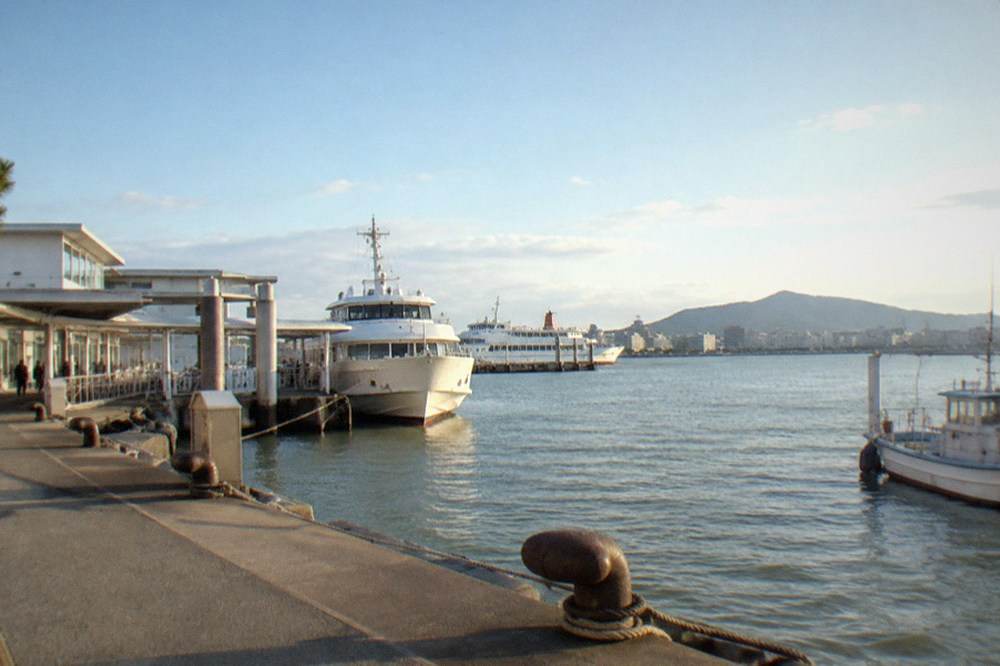
The cruise itself is best understood as a moving viewpoint. The inner bay near the port is sheltered, so the ride is generally calm, and the route keeps the city on one side, which is where the photography is. Fukuoka Tower is the single most recognisable lit structure on the shoreline, a 234 metre lattice tower whose observation decks sit at 116, 120 and 123 metres; from the water you see it whole, which is the view the tower itself cannot give you. Beyond it, the Momochi shoreline and the dome district stack up, and the Naka River bridges and the Nakasu lights sit behind the port as you turn.
Practical points worth knowing before you commit an evening. Cancellation terms matter on a weather dependent product, and the operator's listing states its own policy, so read it at the point of booking rather than assuming. Typhoon season, roughly July through October, is when cancellations cluster, and summer evenings, while atmospheric, are also the warmest and most humid of the year: the Japan Meteorological Agency's 1991 to 2020 normals put August's mean at 28.4 degrees with daily maxima averaging 32.5. If you would rather cruise in cooler air, late autumn into winter delivers that, at the cost of shorter evenings.
Where Do Bay Cruises and Ferries Depart from, and How Do You Get There?
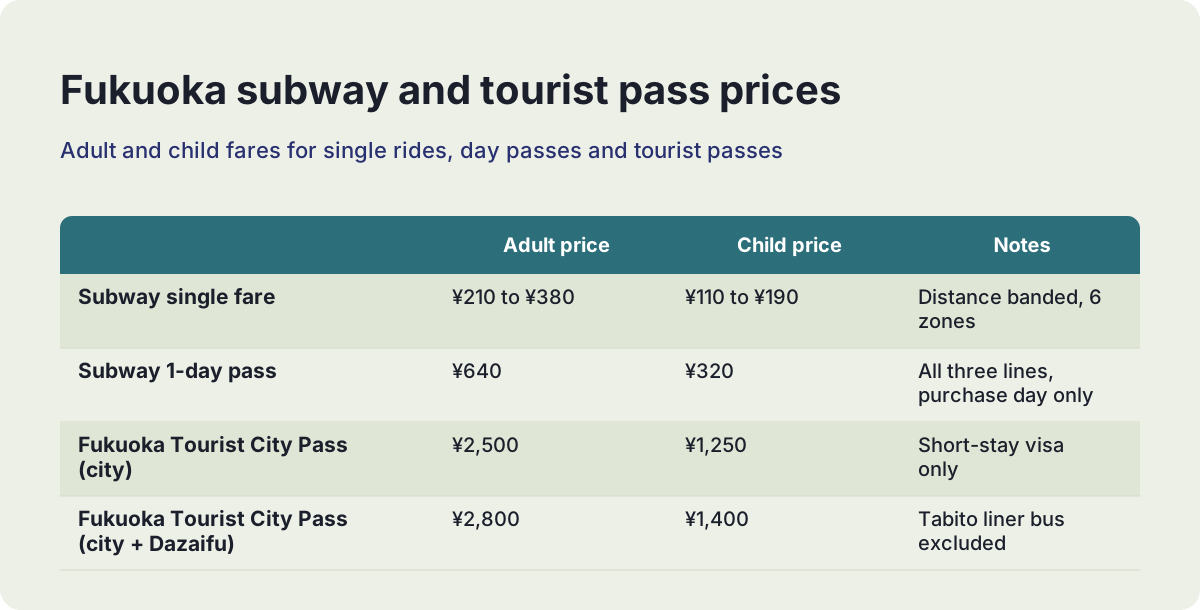
The bay's passenger infrastructure clusters at a few points: the Hakata Port area on the city side, including Bayside Place and the ferry terminals, and Meinohama on the western edge for the Nokonoshima ferry. The subway reaches both, the airport-to-Hakata fare is a verified ¥260, and a subway day pass costs ¥640 for adults if you are hopping between waterfront spots in one day.
Getting to the water is the easy part of this plan, and it is worth having the fares straight because a couple of them are widely misquoted. The Fukuoka City Subway runs three lines, including the Kuko line that serves Fukuoka Airport, and single fares are distance banded from ¥210 for up to 3 km to ¥380 beyond 19 km, per the operator's own fare table at the official subway fare page. The airport-to-Hakata leg falls in the 3 to 7 km band, which is where the verified ¥260 figure comes from. What you should not repeat is the "five minutes to Hakata" claim that nearly every guide prints: no official page states a journey time, and this site does not publish one. The airport is genuinely close to the centre, that part is true and sourced.
For a day built around the bay, the day pass arithmetic is simple. The subway 1-day pass is ¥640 for adults and ¥320 for children, valid on all three lines from first to last train on the day of use, and it is sold at station machines and customer service centres. There is also the Fukuoka Tourist City Pass, which is the figure most competitors get badly wrong: it costs ¥2,500 for the city version and ¥2,800 for the city plus Dazaifu version, with a passport check at the counter, because it is restricted to overseas visitors on short-stay visas. Older guides still quote ¥820 or ¥1,340, prices that no longer exist. If you are assembling a bigger Kyushu rail plan around the bay days, the JR Kyushu rail pass guide covers the intercity side.
| Ticket | Adult price | Child price | Notes |
|---|---|---|---|
| Subway single fare | ¥210 to ¥380 | ¥110 to ¥190 | Distance banded, 6 zones |
| Subway 1-day pass | ¥640 | ¥320 | All three lines, purchase day only |
| Fukuoka Tourist City Pass (city) | ¥2,500 | ¥1,250 | Passport check, short-stay visa only |
| Fukuoka Tourist City Pass (city + Dazaifu) | ¥2,800 | ¥1,400 | Tabito liner bus excluded |
On the water itself, the regular ferries are the budget way onto the bay. The Nokonoshima ferry runs from Meinohama on the western side, and the island is a genuine half-day destination with its flower park, though the park's opening hours and admission are not published in an official form this site could verify, so check the operator's own channels before committing a morning. The Uminonakamichi spit on the bay's northern edge carries the Marine World aquarium and a large seaside park; the park's gate takes cash only, which is an unusual detail in 2026 and worth knowing before you arrive, and junior high school age and under enter free. The getting around Fukuoka guide puts all of these modes in one frame if you are planning a multi-stop waterfront day.
What Can You See of Hakata Bay Without a Boat?
You can see a great deal of the bay from land, and Fukuoka is unusually generous with free and cheap viewpoints: Fukuoka Tower's decks at ¥1,000 for adults, the Momochi shoreline, Ohori Park's lake, and the islands reached by ferry. What land cannot give you is the composite view, the whole bay in one frame, which is exactly the gap a cruise fills.
The tower first, because it is the benchmark. Admission is ¥1,000 for high school age and above, ¥500 for elementary and junior high, and ¥200 for ages four and up, with hours from 9:30 to 22:00 and last admission at 21:30, all stated on the operator's own charge page at the official Fukuoka Tower site. One closure to plan around: the tower shuts for its annual maintenance on 28 and 29 June 2027. From the upper deck the bay reads as a map, and on clear evenings the Genkai Sea horizon is visible beyond the islands. The Fukuoka viewpoints guide ranks the full set of land vantage points, several of which cost nothing.
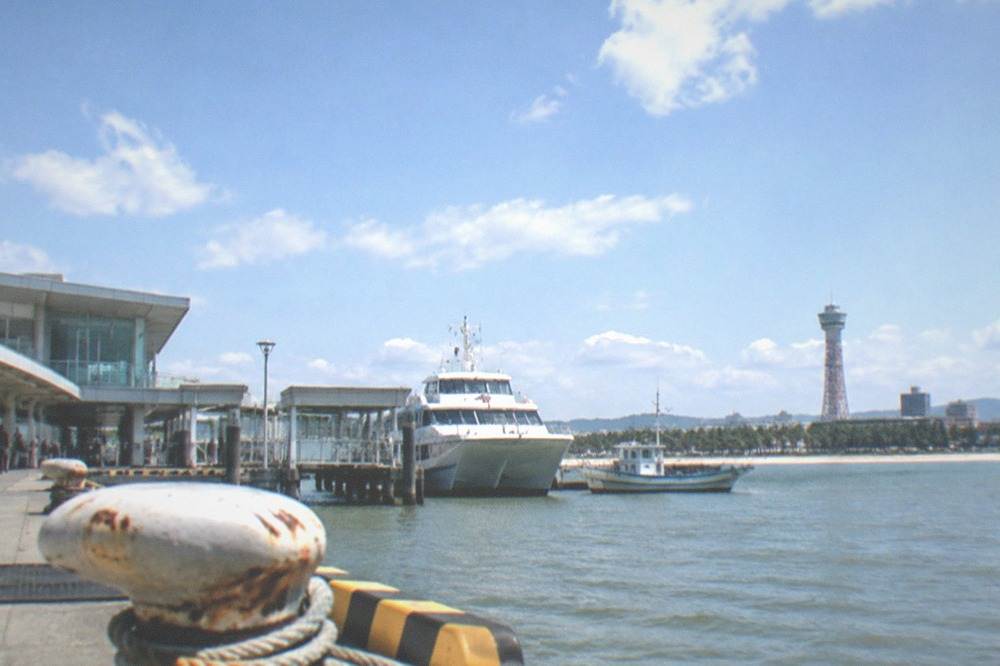
The free land options deserve more credit than they usually get. Momochi Seaside Park puts you at water level on the city side, facing straight across at Uminonakamichi. Ohori Park, a former moat turned lake, is not the bay itself but it is water in the city, and the Japanese Garden beside it charges just ¥250 for adults and ¥120 for children, with free entry at 65 and over. The castle ruins in Maizuru Park are free to wander, with one current exception: the Tenshudai, the main keep base, is closed from 26 May 2026 until the end of December 2026 for an archaeological excavation prompted by a document found in December 2024 that describes a keep which may never have been built. That closure expires at the end of 2026 and is not permanent.
| Viewpoint | Water you see | Cost | Best time of day |
|---|---|---|---|
| Fukuoka Tower decks | The whole bay from 116 to 123 m | ¥1,000 adult | Sunset into night |
| Momochi Seaside Park | The bay at water level, city side | Free | Late afternoon |
| Ohori Park lake | City water, not the bay | Free | Morning |
| Nokonoshima Island Park | The bay from an island, looking back | Admission applies, verify before visiting | Daytime |
| Cruise deck | The bay in motion, both shorelines | From $96 with the night cruise | Evening |
The honest comparison is this: land viewpoints give you height and stability, and the tower's night view is genuinely one of the better city views in Japan. A boat gives you the shoreline as a continuous object, plus the parts of the harbour that no viewpoint faces: the breakwaters, the ferry lanes, the working port. If your time in the city is short, the 5 day Fukuoka itinerary sequences the land viewpoints and leaves one evening free for the water, which is the right order.
When Is the Best Time of Year for a Bay Cruise?
Any month works, but the trade-offs differ sharply. Summer evenings are warm and lively, with August averaging a 28.4 degree mean, but July is Fukuoka's wettest month at 299.1 mm of rain, wetter than June despite June being the tsuyu rainy season, and typhoon season runs roughly July through October. Late autumn and winter give cooler, clearer air and earlier nightfall, which is when the illuminated skyline from the water is at its sharpest.
That July figure surprises people, and it should, because almost every guide assumes the rainy season month of June is the wet one. The Japan Meteorological Agency's 1991 to 2020 normals for the Fukuoka station say otherwise: July averages 299.1 mm against June's 249.6 mm. July is also Yamakasa month, when the city's biggest festival runs from July 1 to 15 and the streets around Kushida Shrine fill with float crews, so a July visit trades weather risk for the most atmospheric fortnight of the Fukuoka calendar. Neither fact makes July a bad month to cruise; it makes it a month to book with a cancellation policy in mind.
| Month | Mean temp | Daily max | Rain (mm) | Cruise planning read |
|---|---|---|---|---|
| March | 10.8 | 15.0 | 103.7 | Cool evenings, cherry blossom season begins late March |
| May | 19.9 | 24.4 | 133.7 | The sunniest month, 204.1 hours, comfortable evenings |
| July | 27.4 | 31.2 | 299.1 | Wettest month, Yamakasa festival, typhoon season begins |
| August | 28.4 | 32.5 | 210.0 | Hot, humid, lively, 200.9 sunshine hours |
| November | 14.2 | 18.2 | 91.4 | Cool, clear, early nightfall, good light for photos |
| December | 9.1 | 12.6 | 67.5 | Cold but dry, illuminations along the waterfront |
For a night cruise specifically, the seasons do something interesting to the product. In summer, nightfall comes late and the cruise sails in warmer air, but the city lights matter less against a bright sky. In November and December, darkness arrives before 18:00, the waterfront illuminations switch on early, and the same cruise becomes a genuinely photogenic hour of reflections. The best time to visit Fukuoka guide and the Fukuoka weather guide expand the seasonal logic for the rest of your trip, including the December illuminations, which run city wide and make the water-side view unusually rewarding.
How Does a Bay Cruise Fit Into a Longer Fukuoka Trip?
Treat the cruise as one evening inside a water themed thread rather than a standalone event. A sensible five day shape gives the first two days to the city core around Hakata and Tenjin, one full day to Dazaifu or the coastal day tours, one day to the islands and the Uminonakamichi spit by ferry, and one evening to the night cruise, ideally near the end of the trip when the skyline means something to you because you have walked it.
That last point is the quiet argument for booking the cruise late in a stay. A first night skyline is pretty. A fifth night skyline, seen from the water after you have eaten at the stalls in Nakasu, climbed the tower, walked Ohori Park and ridden the ferry, is a summary, and it lands differently. The Fukuoka food guide and the Kyushu overview cover what fills the days on either side of that evening.
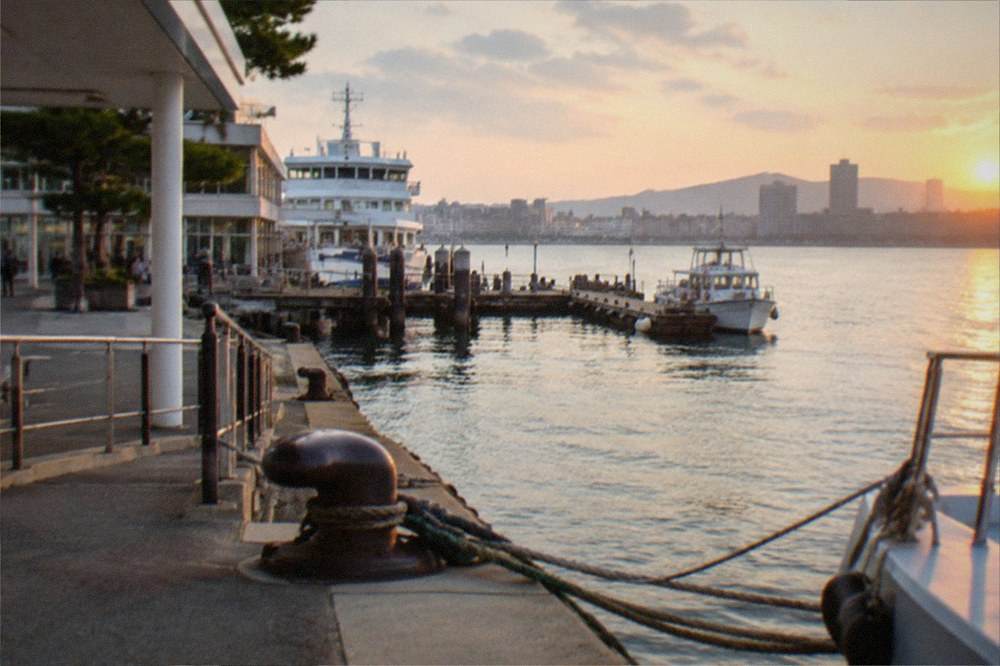
For families, the bay thread works well because the components are cheap and forgiving. The subway makes the ferry terminals easy, under 15s enter the city art museums free, and the seaside park and aquarium on the Uminonakamichi spit are a full child-friendly day, with the caveat again that the park gate takes cash only. The Fukuoka with kids guide sequences a version of this. For solo travellers and couples, the same thread compresses: an afternoon on Nokonoshima, a stall dinner, then the cruise, is a single strong day built entirely around the bay.
The day tour alternative deserves its own word. If your interest in "the water" is really an interest in the Genkai Sea coast, the Motonosumi Shrine and Kanmon Bridge tour takes you along it by road, ending at the strait between Kyushu and Honshu, for from $50 per person and a 4.7 rating from 37 reviews over 9 hours. It is not a cruise, and it should not be bought as one, but it covers coastal scenery a bay cruise never reaches, and some visitors prefer its red torii gates rising from the sea to any amount of city reflection.
The private option rounds the set out. A customisable private tour with a local guide, from $59 per person and rated 4.9 from 106 reviews, can be shaped around a waterfront day: Momochi in the morning, Ohori Park, a ferry leg, and a guide who can tell you which parts of the port you are looking at. It is the flexible pick if the cruise schedule does not match yours, or if you want the bay explained rather than just shown.
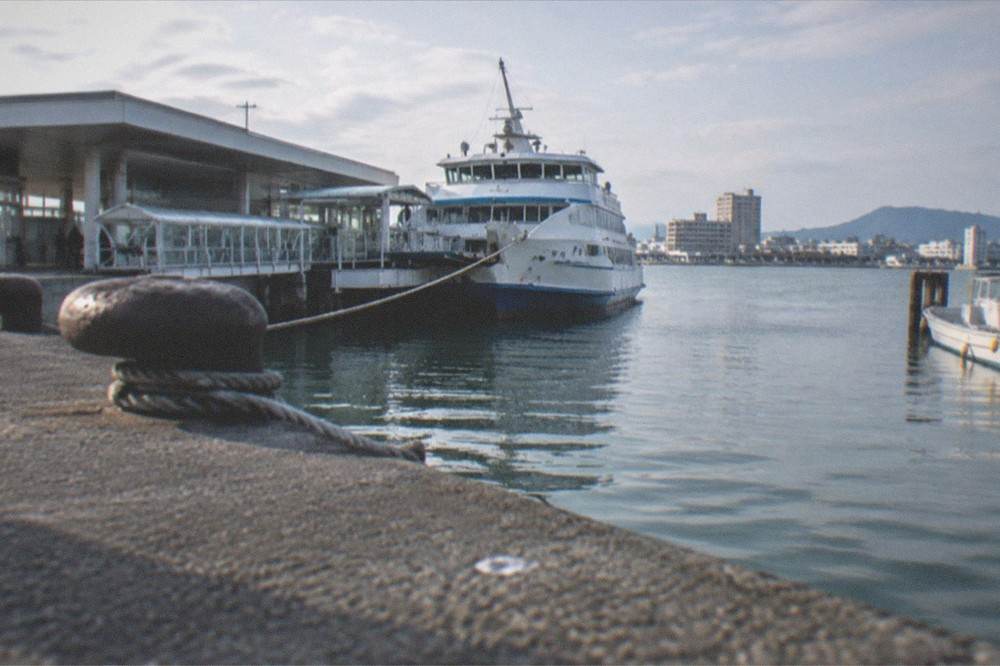
One final framing thought. Fukuoka's identity is unusually bound up with its bay for a Japanese city of this size: the port brought the trade, the trade brought the food culture, the food culture brought the visitors, and the visitors now arrive through an airport and a cruise port that both sit on the water. This Fukuoka Japan Travel Guide treats the bay as the organising feature of the city, and a cruise is the one product that puts you on that feature rather than beside it. Three hours, one evening, and the city reorganises itself into a shape you can hold in your head.
Common Questions About Fukuoka Bay Cruises
What Do Fukuoka Bay Cruises Pass That You Cannot See From Land?
They pass the composite view: the full sweep of Hakata Bay in one frame, with the Uminonakamichi spit, Nokonoshima and Shikanoshima, the Momochi shoreline, the working port and the illuminated city all visible together. Land viewpoints like Fukuoka Tower show the bay as a map from above; a cruise shows it as a shoreline from water level, including breakwaters, ferry lanes and port infrastructure that no viewpoint faces.
How long is the Fukuoka night cruise?
About 3 hours, priced from $96 per person and rated 5 from 4 reviews on the operator's live listing. Because it is a substantial evening commitment, plan dinner around it rather than after it; the yatai stalls of Nakasu and Nagahama, which must post their prices visibly under the city ordinance, are the natural pre-cruise meal.
When is the best month for a bay cruise?
November and December offer cool, clear air, early nightfall and the waterfront illuminations, which is when the night skyline photographs best. July is the wettest month in the JMA normals at 299.1 mm, wetter than June, and typhoon season runs roughly July through October, so summer bookings should account for possible cancellation. May is the sunniest month and comfortable for daytime water activities.
Can you see the bay without taking a cruise?
Yes, extensively. Fukuoka Tower's observation decks at 116 to 123 metres cost ¥1,000 for adults and frame the whole bay from above, Momochi Seaside Park puts you at water level for free, and the ferries to Nokonoshima and along the bay are cheap ways onto the water. What none of these give you is the moving, water level view of the entire illuminated shoreline in one continuous scene.
Is Hakata Bay the same as the sea around Fukuoka?
Hakata Bay is the body of water immediately north of the city, and it opens onto the Genkai Sea, not the Pacific. Nokonoshima and Shikanoshima sit in the bay, and the Uminonakamichi sand spit forms much of its northern edge. Hakata and Fukuoka are the same city: Hakata is the ward and the station name, Fukuoka the city, so a cruise on Hakata Bay is a cruise on Fukuoka's front door.
Do bay cruises get cancelled for weather?
They can, and the honest planning answer is to book with the operator's cancellation terms in mind and keep a fallback evening. Typhoon season, roughly July through October, is when cancellations cluster, and rain or strong wind closes even the land side yatai stalls on bad nights. The operator's live listing states its own policy, which is the one that governs your booking.