Munakata Taisha Day Trip
Munakata Taisha sits on the Genkai Sea coast north of Fukuoka, a shrine complex tied to three sacred islands and inscribed as a UNESCO World Heritage site. This guide covers what it is, how to reach it from Hakata, and how to fold it into a day trip.
Short answer
Munakata Taisha is a Shinto shrine complex on the Genkai Sea coast north of Fukuoka, reachable from Hakata by JR train and local connections. Grounds are open daily. A realistic day trip budget using a ¥640 subway day pass or the ¥2,500 Tourist City Pass keeps transport simple, with guided Kyushu day tours from $48 as an alternative.
Munakata Taisha is one of the least visited and most quietly significant sites within day-trip range of Fukuoka. The shrine complex sits on the coast of the Genkai Sea in Munakata City, roughly an hour north of Hakata by rail, and it was inscribed on the UNESCO World Heritage list as the Sacred Island of Okinoshima and Associated Sites in the Munakata Region. Where Dazaifu draws crowds with plum mochi and shopping streets, Munakata Taisha draws a fraction of the visitors for a site of far greater archaeological weight. This guide explains what the shrine is, why UNESCO inscribed it, how to get there from Fukuoka without a car, and how to build a full day around it.
What Is Munakata Taisha and Why Is It a UNESCO Site?
Munakata Taisha is a cluster of three Shinto sanctuaries, Hetsumiya on the Kyushu mainland, Nakatsumiya on the island of Oshima, and Okitsumiya on the island of Okinoshima, that together preserve a thousand-year tradition of worshipping three goddesses of the sea. UNESCO inscribed the whole landscape, the islands, the shrines and the ritual offerings recovered from Okinoshima, as a World Heritage site because the archipelago preserves an unbroken record of ritual practice from the fourth to the ninth centuries.
The reason this site matters to archaeologists is the island of Okinoshima itself. Sitting in the strait between Kyushu and the Korean peninsula, the island was a stopping point for maritime traffic crossing to the continent, and travellers deposited offerings there for centuries: mirrors, sword fittings, gilt bronze ornaments, and glass vessels, many traded from as far away as the Asian mainland and Persia. The ritual deposits were found essentially untouched because the island was considered too sacred for ordinary settlement, farming or tree cutting. That combination of reverence and isolation preserved a sequence of offerings that documents how Japanese ritual changed as continental exchange intensified.
The three goddesses, collectively the Munakata deities, are recorded in Japan's earliest written chronicles as the daughters of the sun goddess Amaterasu, and the Munakata clan that administered the shrines held both religious and maritime power in northern Kyushu for centuries. The shrines still sit within a landscape of forest, coast and islands that has changed remarkably little, which is exactly the argument UNESCO accepted: the property is not a monument but a living ritual landscape, and worship continues there today on much the same terms as it has for over a millennium.
For a visitor, the practical consequence is that you do not need to set foot on Okinoshima to experience the site, and in almost all cases you cannot. The island is closed to the public, and the shrines you can visit are Hetsumiya on the mainland, which is the transport hub and holds the treasure house, and Nakatsumiya on Oshima, reached by a short ferry crossing. Most day trippers see Hetsumiya and the Shinpu Niiyama shrine path behind it, and that alone fills a rewarding half day.
How Do You Get to Munakata Taisha from Fukuoka?
The standard route is the JR Kagoshima Line from Hakata Station towards Nogata or Mojiko, getting off at Togo Station, from where the shrine's main sanctuary is a short bus or taxi ride away. There is no JR Fukuoka Station, the station in central Fukuoka is called Hakata, and every northbound coastal train leaves from there. The JR fare is set by the operator's own tariff, so check it before you travel.
Hakata is the rail hub for the whole city. Fukuoka and Hakata are the same city, Hakata is the ward and the station name, so a reader staying in Tenjin simply rides the subway to Hakata first and then transfers to the JR line. The subway fare from Tenjin to Hakata falls in the ¥210 zone for the shortest hops, and the city's official fare table prices the whole network from ¥210 for up to 3 km to ¥380 for over 19 km, with child fares roughly half. The Fukuoka City Subway publishes its full fare table at its official fare page, and it is worth a look before you decide whether a pass beats single tickets.
| Leg | Operator or line | Where you change | What to know |
|---|---|---|---|
| Tenjin or Nakasu to Hakata | Fukuoka City Subway | Direct | Adult fares run ¥210 to ¥380 by distance zone |
| Hakata to Togo | JR Kagoshima Line, northbound | Direct train, no change | Fare set by the JR tariff, check before travel |
| Togo to Hetsumiya | Local bus or taxi | Direct | Short hop; buses are infrequent, taxis wait at the station |
| To Oshima (Nakatsumiya) | Ferry from the mainland port | Ferry terminal transfer | Crossings depend on weather, confirm on the day |
If you are relying on public transport, treat the bus connection at Togo as the weak link. Local services in Munakata City are thin outside commuting hours, so many travellers take a taxi for the short run to the shrine and either walk or taxi back. A car makes the whole trip trivial, and the coastal route north from Fukuoka towards Kitakyushu is straightforward, but a rail day trip is entirely practical with a little planning.
One pass deserves special mention for overseas visitors. The Fukuoka Tourist City Pass, sold for ¥2,500 for the city version and ¥2,800 for the city plus Dazaifu version, is restricted to overseas tourists on a short-stay visa and a passport is checked at the counter. The city's tourism office publishes the full coverage and sales points at its official city pass page. It covers subway, buses, trams and ferries within its designated zones, which handles the Fukuoka end of your journey, though the JR line to Togo sits outside it and needs a separate ticket.
For readers who would rather not manage train, bus and ferry logistics in a language they do not read, a guided day tour removes the connections entirely. The three options below are drawn from the site's verified roster.
What Can You Actually See at Munakata Taisha?
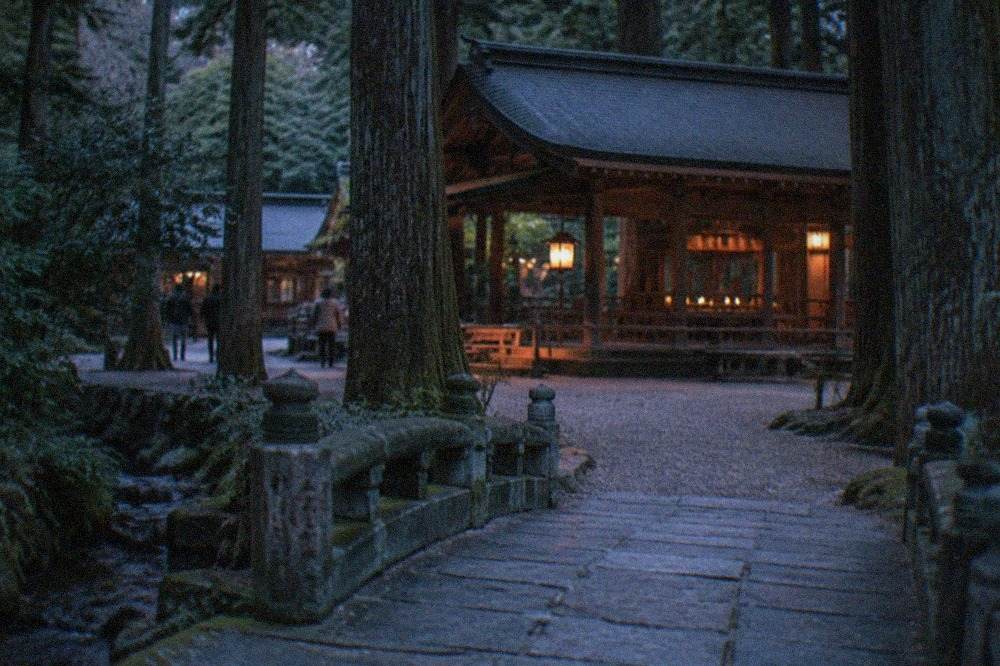
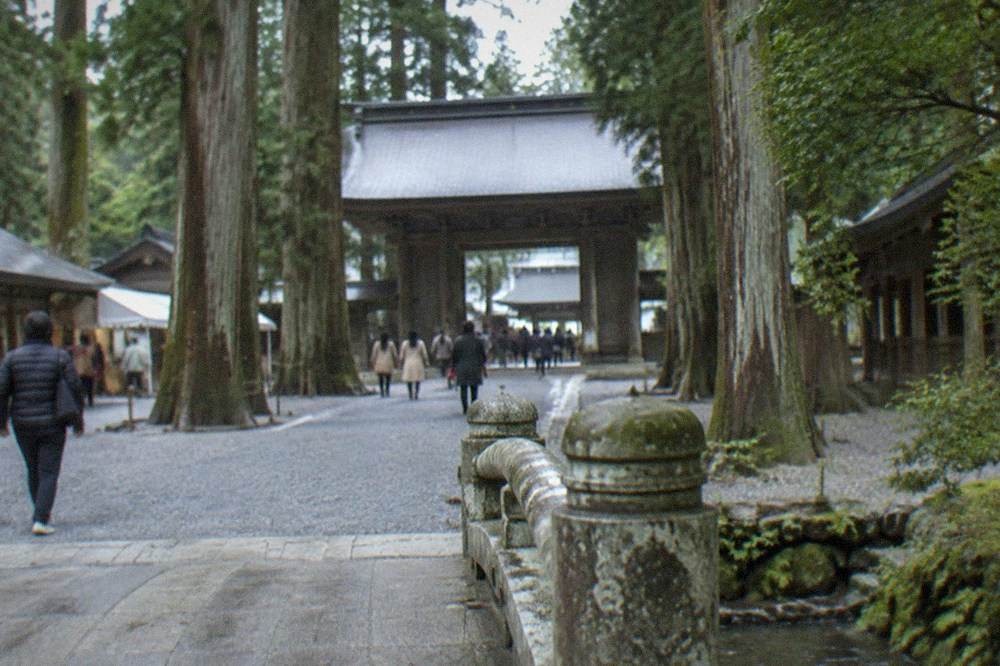
The visitable heart of the complex is Hetsumiya, the mainland sanctuary, where a broad approach through forest leads to the main hall, an auxiliary worship site on a hill behind it, and a treasure house displaying a selection of the Okinoshima ritual offerings. Allow two to three hours on site at a comfortable pace. Admission to the shrine grounds follows standard Shinto practice and is free, while the treasure house charges a modest entry fee that you pay at the door.
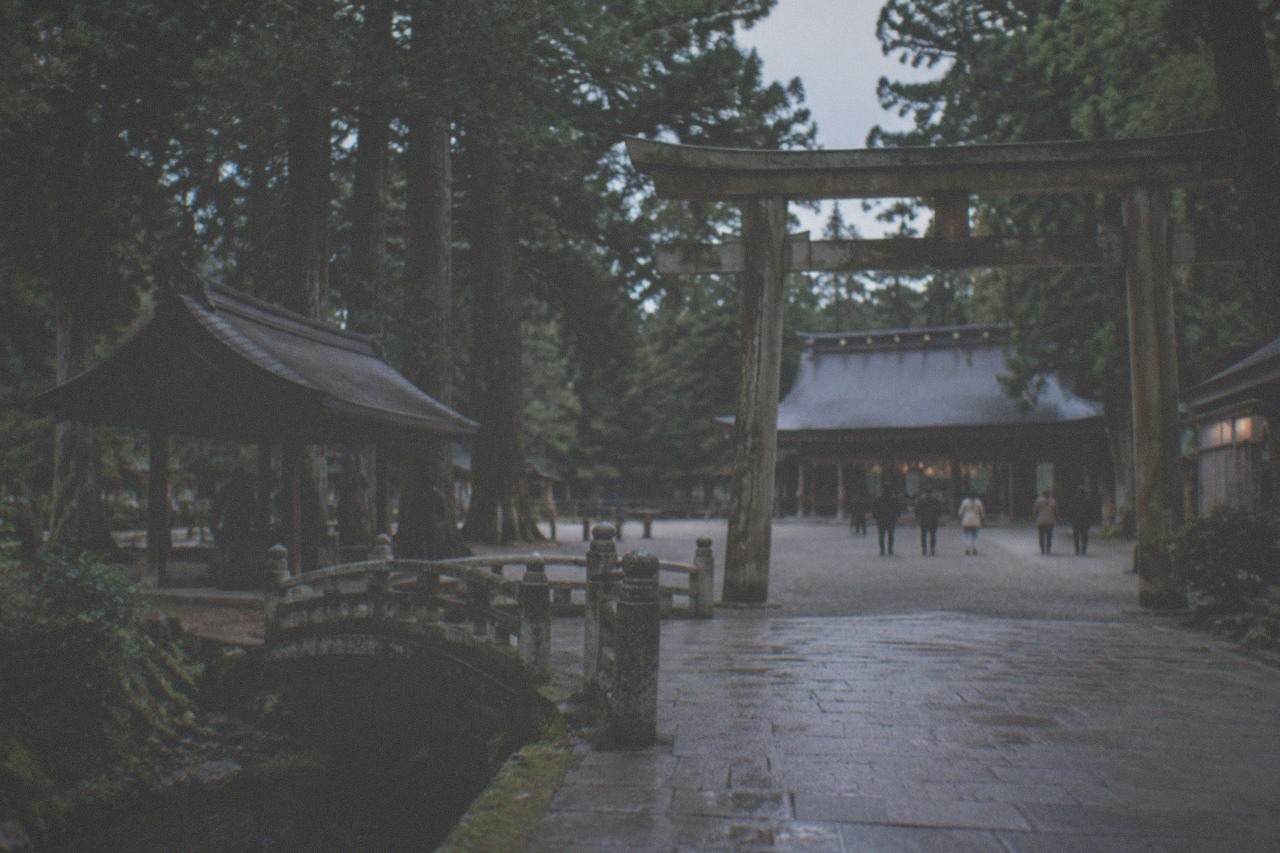
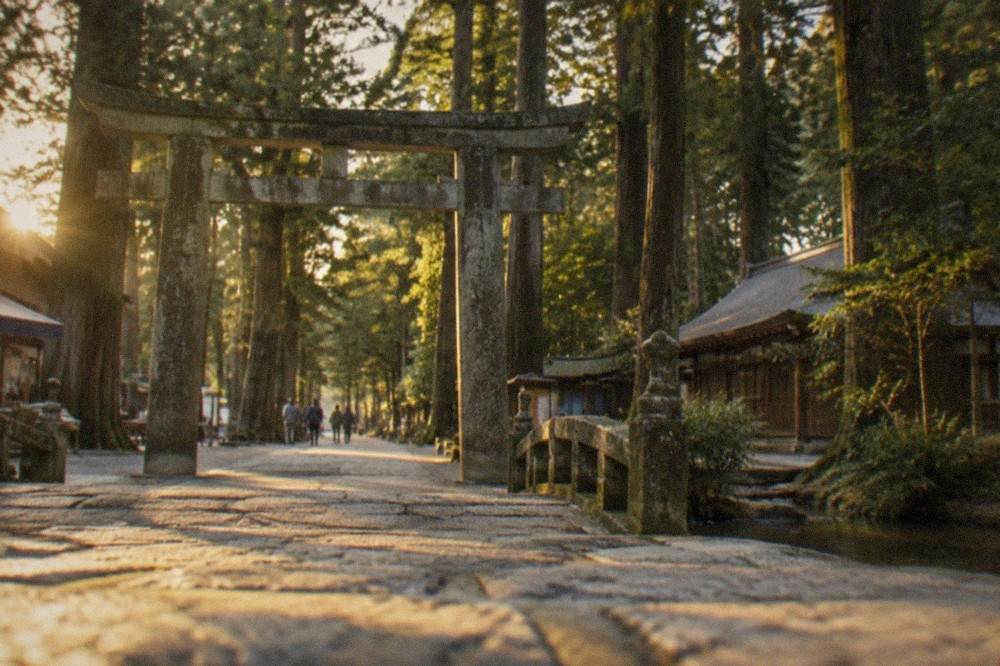
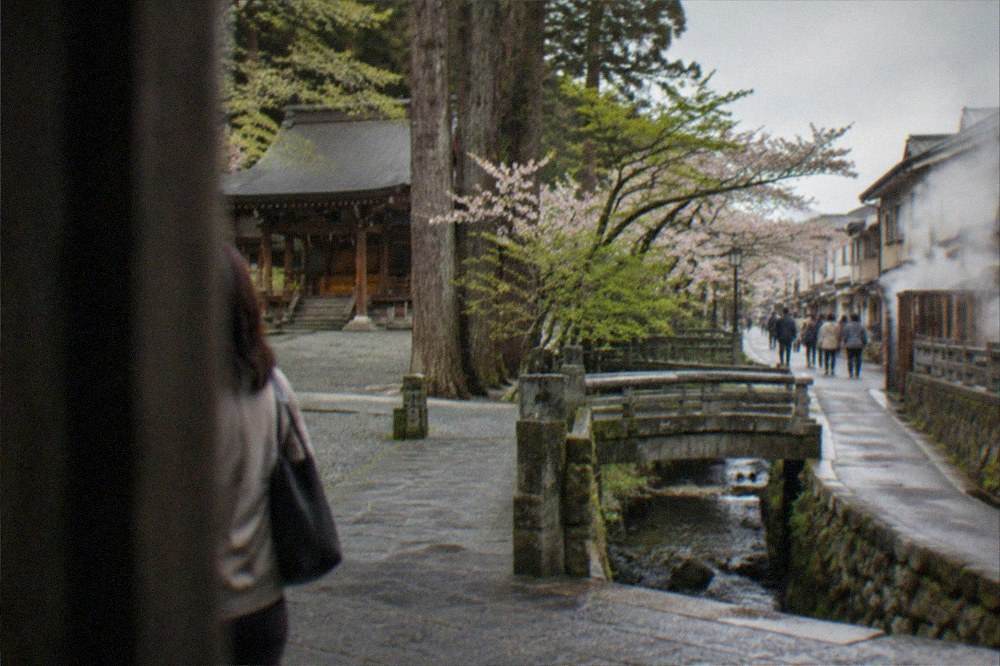
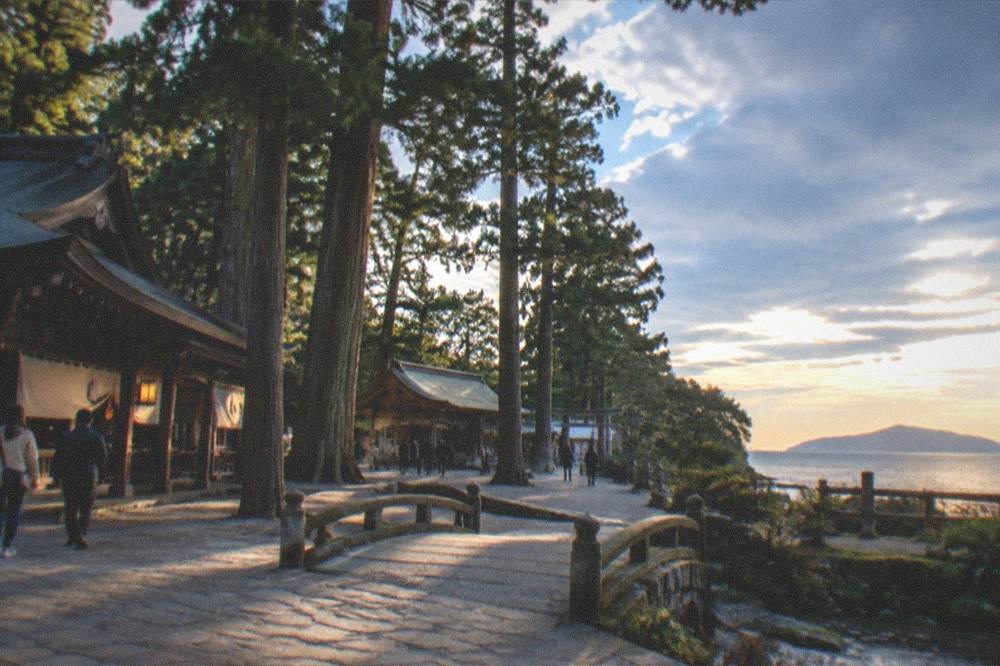
The approach to Hetsumiya is the part that stays with most visitors. A long, straight walk through tall trees, punctuated by torii gates, opens onto the sanctuary buildings in a clearing. Behind the main hall, a path climbs through the forest to the Shinpu Niiyama shrine, an auxiliary sanctuary set among the trees, and the climb rewards you with a quieter, more atmospheric corner of the site than the main approach. Wear shoes you can walk uphill in.
The treasure house is where the UNESCO inscription becomes tangible. The Okinoshima deposits include items that travelled enormous distances to reach a small island in the Genkai Sea: gilt bronze fittings, iron weapons deposited as offerings, and some of the earliest glass vessels found in Japan. Seeing even a fraction of the collection explains why the island was inscribed rather than the shrines alone. Photography rules inside the hall vary by exhibit, so ask at the desk.
Oshima, the middle island, holds the Nakatsumiya sanctuary and is a genuine half-day add-on if the ferries are running and the weather holds. The crossing is short but the sea between the mainland and Oshima is exposed, and sailings are suspended in rough weather, which is common from July through October, the typhoon season. If Oshima matters to you, keep your plan flexible and check the ferry status the morning you travel.
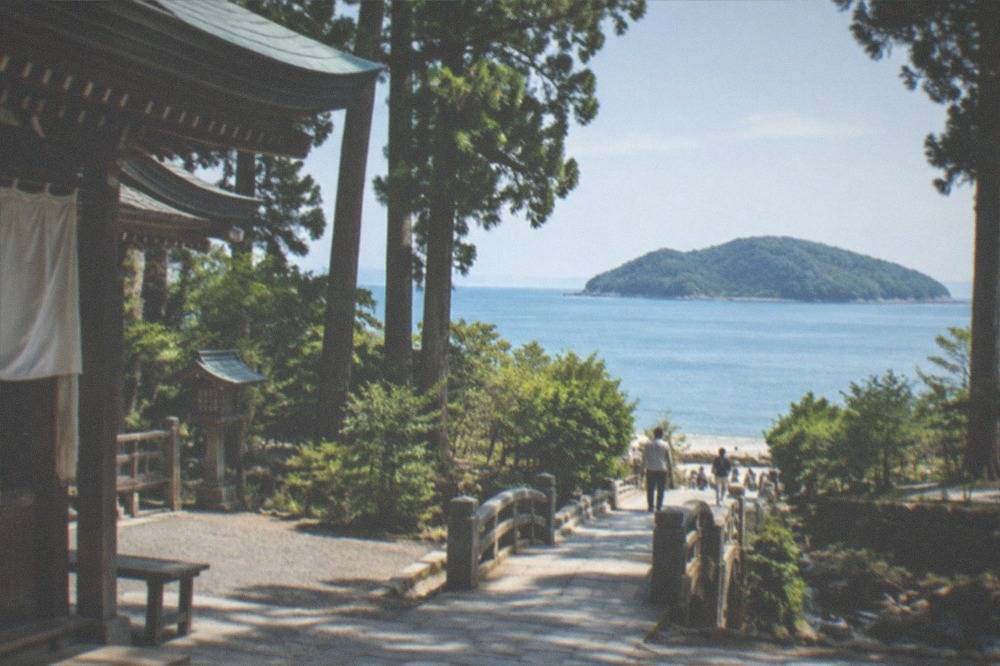
Okinoshima itself, the Okitsumiya sanctuary and the heart of the World Heritage property, is not open to tourism. Access is limited to ritual purposes, and even the limited visits that occur follow strict traditional rules. The island has no visitor infrastructure and the local community intends to keep it that way, a position that was central to the UNESCO nomination. Do not build a trip around reaching it, because you will not.
How Much Time Does a Munakata Taisha Day Trip Take?
A Hetsumiya-only visit fits comfortably into a half day, roughly four to five hours door to door from Hakata including transfers. Adding Oshima turns it into a full day of eight to nine hours, and adding a second coastal stop such as the Mojiko retro district or the Karatsu coast stretches it to a very full day. Most visitors are best served by a half-day shrine visit plus one nearby coastal stop rather than trying to see everything.
The half-day shape is the one to aim for on a first visit. Leave Hakata in the morning, reach the shrine by late morning, spend two to three hours across the main approach, the hillside sanctuary and the treasure house, and be back in Fukuoka by mid afternoon. That leaves your evening free for the Naka River food stalls in Nakasu, where about 100 licensed yatai operate across the city, the largest concentration anywhere in Japan.
| Day plan | Time on site | What it includes | Best for |
|---|---|---|---|
| Half day | 2 to 3 hours | Hetsumiya approach, main hall, hillside sanctuary, treasure house | First-time visitors, rail travellers |
| Full day | 4 to 6 hours | Half-day plan plus the ferry to Oshima and Nakatsumiya | Confident navigators, fair-weather days |
| Coastal double | 6 to 8 hours | Shrine in the morning, Kitakyushu or the Karatsu coast in the afternoon | Travellers with a car or a guided tour |
If you are weighing Munakata Taisha against better-known day trips, be honest about your transport appetite. A Dazaifu day trip is a single Nishitetsu train from Tenjin and needs no planning at all, which is why it is the most popular trip from the city. Munakata asks more of you and returns something quieter. Readers planning a multi-day stay can slot the shrine into a wider plan using the site's three-day Fukuoka itinerary as a base, or compare it against the full set of day trips from Fukuoka.
Travellers who prefer a guide to handle a full day out of the city have a solid option in the fully customisable private format. The Fukuoka Customized Private Tour in 1 Day with Licensed Guide runs about six hours from $160 per person, rated 4.9 from 71 reviews, and a licensed guide can build the day around coastal Fukuoka if you ask when booking.
When Is the Best Time of Year to Visit?
The most comfortable months are October through December and March through May, when the Japan Meteorological Agency's 1991 to 2020 normals show daily means between roughly 10 and 20 degrees Celsius and monthly rainfall at its lowest of the year. July is the wettest month of the year in Fukuoka, wetter than the June rainy season, and the July to October typhoon season is a real factor for any coastal or island itinerary, including the Oshima ferry.
The climate data for Fukuoka, the reference station for the whole region, carries one genuinely surprising fact that most guides repeat wrongly. June is the tsuyu rainy season, so it is the month every guide warns about, but the official normals show July is actually wetter: 299.1 mm against June's 249.6 mm. August, by contrast, is hotter than July and considerably drier, with 210.0 mm of rain and 200.9 hours of sunshine, the second sunniest month after May.
| Month | Mean temp | Rainfall | Verdict for a shrine visit |
|---|---|---|---|
| March | 10.8 °C | 103.7 mm | Cool, quiet, early blossoms |
| May | 19.9 °C | 133.7 mm | Warm and the sunniest month |
| July | 27.4 °C | 299.1 mm | Wettest month, typhoon season begins |
| October | 19.6 °C | 94.5 mm | Comfortable, clear coastal views |
| November | 14.2 °C | 91.4 mm | Autumn colour on the shrine approach |
| December | 9.1 °C | 67.5 mm | Cold but among the driest months |
The seasonal point that matters most for this specific trip is the ferry. The crossing to Oshima runs only in settled weather, and the western Pacific typhoon season runs roughly from July through October. Neither the typhoon season nor the rainy season makes the coast unvisitable, but both are planning factors: keep the island leg of your day flexible, and have a mainland fallback such as the treasure house and the hillside sanctuary path if the boats stop.
What Should You Budget for the Day?
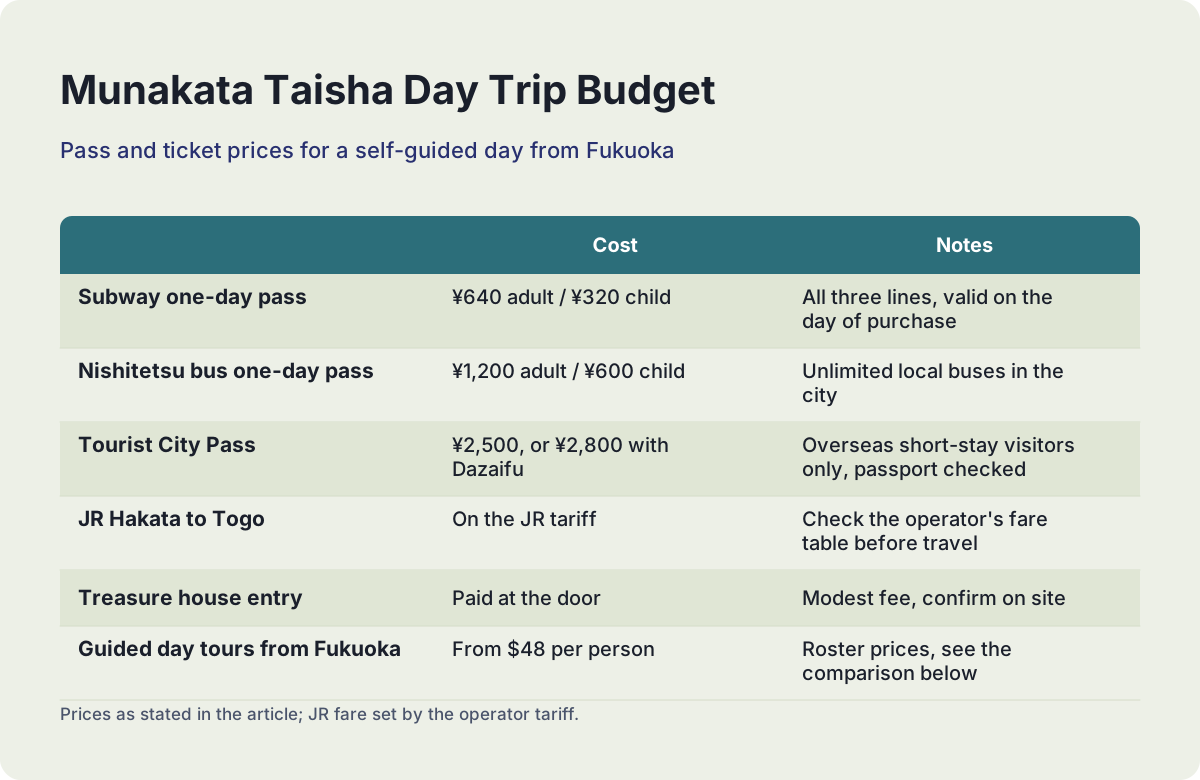
Transport is the main variable: a subway day pass is ¥640, the Nishitetsu bus day pass is ¥1,200, and the Tourist City Pass is ¥2,500 or ¥2,800 with a passport check, while the JR leg to Togo is priced on JR Kyushu's own tariff. Shrine grounds are free to enter and the treasure house charges at the door. A self-guided day therefore runs cheap, and guided day tours from Fukuoka start from $48 per person on this site's roster.
Self-guiding is the budget option and a pleasant one. Your costs are a subway fare or pass, a JR ticket, a bus or taxi hop, a modest museum entry, and lunch. Food around Munakata City is local and inexpensive, and the shrine's own surroundings are quiet rather than commercial, so do not expect the snack stalls that line the approach at Dazaifu Tenmangu.
| Item | Cost | Notes |
|---|---|---|
| Subway one-day pass | ¥640 adult / ¥320 child | All three lines, valid on the day of purchase |
| Nishitetsu bus one-day pass | ¥1,200 adult / ¥600 child | Unlimited local buses in the city |
| Tourist City Pass | ¥2,500, or ¥2,800 with Dazaifu | Overseas short-stay visitors only, passport checked |
| JR Hakata to Togo | On the JR tariff | Check the operator's fare table before travel |
| Treasure house entry | Paid at the door | Modest fee, confirm on site |
| Guided day tours from Fukuoka | From $48 per person | Roster prices, see the comparison below |
The guided alternative deserves a fair comparison rather than a reflex. A tour handles the JR transfer, the thin bus network and the ferry timing, which are precisely the parts of a Munakata trip that cost you energy. Against that, a private guide is a bigger spend and a small-group coach tour follows a fixed route. The table below compares the day-trip formats on this site's verified roster.
| Tour | Format | From (per person) | Rating |
|---|---|---|---|
| Takachiho Gorge and Amaterasu Railway | Small-group day trip | $48 | 4.8 from 713 reviews |
| Mt. Aso and Takachiho Gorge | Small-group day trip | $48 | 4.7 from 674 reviews |
| Miyazaki, Takachiho Gorge and Shrines | Small-group day trip | $59 | 4.6 from 384 reviews |
| Beppu Hells tickets included with Yufuin | Small-group day trip | $48 | 4.7 from 285 reviews |
| Mt. Aso volcano and Kusasenri grasslands | Small-group day trip | $46 | 4.7 from 224 reviews |
| Full-day private tour with licensed guide | Private, customisable | $160 | 4.9 from 71 reviews |
Note that none of these coach tours goes to Munakata Taisha itself. The shrine is not on the standard tour circuit, which is either its appeal or its limitation depending on what you want from your day. A private customisable tour is the one guided format that can realistically include it.
What Else Can You Combine with Munakata Taisha?
The natural pairings are the coastal destinations on the same JR line and beyond: Kitakyushu and the Mojiko retro district to the east, the Karatsu coast and its castle to the west, and the pottery towns of Arita and Imari further along the Saga coast. With a car, a Munakata morning plus an afternoon in Kitakyushu is the most efficient double, since both sit on the northern coastal corridor.
Travellers with two spare days can chain the coast. A Kitakyushu day trip pairs well because the JR line you ride to Munakata continues towards Kokura, and the Kokura day trip adds a castle and a riverside market town. Going the other way, a Karatsu day trip delivers one of Kyushu's most photogenic coastal castles, and a Saga day trip opens up the pottery country of Arita and Imari, whose kilns supplied the same maritime trade routes that carried offerings to Okinoshima a millennium and a half ago.
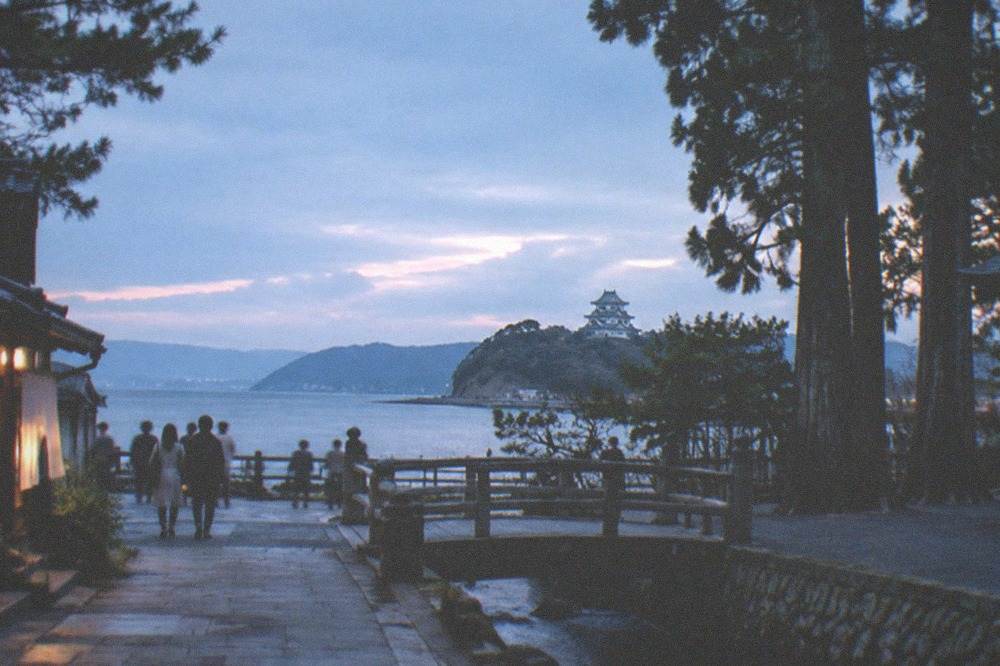
There is also a thematic pairing worth naming: Munakata Taisha and Dazaifu make an interesting contrast within one trip. Dazaifu Tenmangu is the shrine of scholarship, set in a busy, tourist-facing town, while Munakata Taisha is a shrine of the sea, set in working coastal country. The site's Dazaifu day trip guide covers the other half of that pairing, and readers with five days can use the five-day Fukuoka itinerary to fit both without rushing.
For travellers who want a guided day that captures the same mood, tea country and canal towns, the YokaBus format is the closest match on the roster. The multi-departure YokaBus Tea Fields Yame and Yanagawa River Boat tour runs about nine and a half hours from $92 per person, rated 4.9 from 29 reviews, and it pairs the Yame tea fields inland of Fukuoka with a river boat through the canal town of Yanagawa, a slower, more rural day than the volcano circuits.
What Should You Know Before You Go?
Bring cash, wear walking shoes, and expect a quiet, working-coast setting rather than a polished tourist district. The shrine grounds involve a forest approach and a hillside path, the nearest ATM and lunch options cluster around Togo Station and the shrine's own small rest house, and the ferry to Oshima is weather-dependent. There is no luggage storage worth relying on, so travel light.
A few practicalities deserve their own paragraph. The hillside sanctuary path is a genuine uphill walk on uneven ground, so it is not a stroller-friendly site, and the forest approach means you will be walking in shade, which is a blessing in summer but carries mosquitoes in the warmer months. The site is sacred and active, so follow the usual shrine etiquette: bow at the torii, keep your voice down on the approach, and ask before photographing rituals or the interior of halls. Visitors planning a longer stay around the region will find more context in the one-day Fukuoka itinerary and the rainy-day itinerary, which is worth a look given how wet July in particular can be.
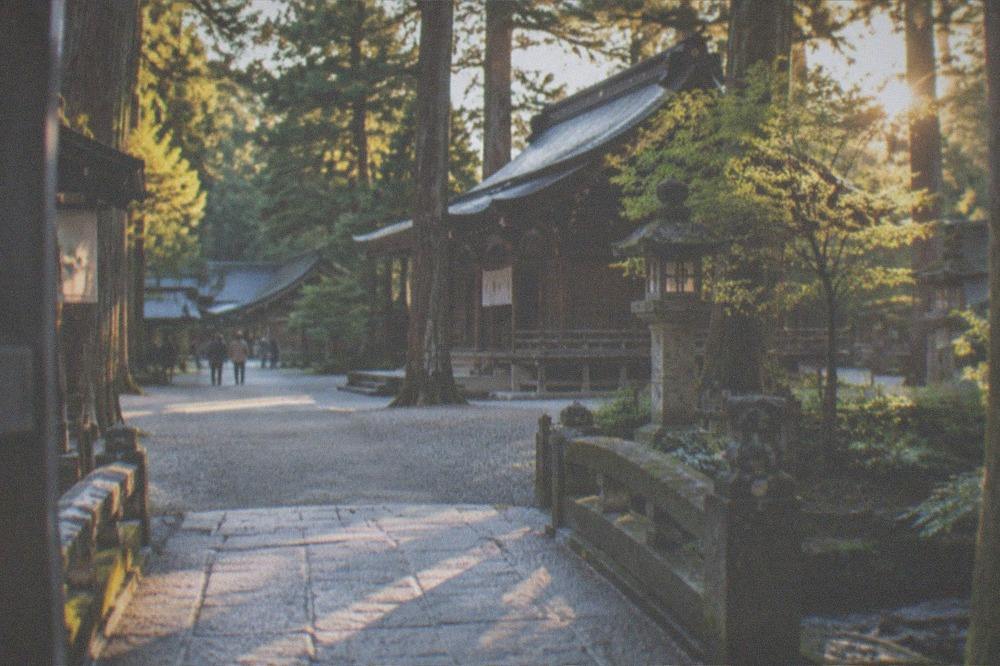
If the weather turns, the treasure house is your refuge, and it is the single best rainy-day asset on the site because it holds the substance of the UNESCO inscription. A wet morning at Hetsumiya with a long look at the Okinoshima offerings is a genuinely good day, and the coastal light after rain is often the best photography light you will get all trip.
Readers who enjoy pairing a shrine day with something more modern can also consider the Yufuin and Beppu format, which trades the coast for onsen towns and a brewery museum. The Fukuoka: Yufuin and Beppu Tour with Sapporo Brewery and AoT Museum runs about nine and a half hours from $55 per person, rated 4.7 from 51 reviews, and it suits travellers who want a full guided day without the self-navigation a Munakata trip requires.
Is a Munakata Taisha Day Trip Worth It?
For most travellers, yes, with a condition: it is worth it if you want the archaeology, the forest approach and the quiet, and less worth it if you want atmosphere, food streets and easy transport. It is the most intellectually rewarding day trip in Fukuoka's orbit and simultaneously one of the least convenient, which is why the site remains uncrowded while Dazaifu heaves. Choose it deliberately rather than by default.
The honest comparison is with what else your day could be. Dazaifu gives you a beautiful shrine, a famous approach and excellent food in an easy thirty-minute train ride. Munakata gives you a World Heritage ritual landscape, a thousand years of maritime religion, and a coast most foreign visitors never see, in exchange for a transfer and a bus hop. If you have only one day trip in your schedule, this Fukuoka Japan Travel Guide would send a first-time visitor to Dazaifu and a second-time visitor here.
Whichever way you build the day, the guided options below cover the main formats out of the city, from small-group coach days to fully private itineraries.
Common Questions About Munakata Taisha
What Is Munakata Taisha And Why Is It A UNESCO Site?
It is a group of three Shinto sanctuaries tied to the worship of three sea goddesses, inscribed by UNESCO together with the sacred island of Okinoshima and its archaeological deposits. The island preserved ritual offerings spanning the fourth to ninth centuries, an unbroken record of early Japanese ritual shaped by maritime trade with the Asian mainland.
Can You Visit Okinoshima Island?
No. Okinoshima is closed to general tourism and access is limited to ritual purposes under strict traditional rules. Visitors experience the site through Hetsumiya on the mainland and, if the ferry runs, Nakatsumiya on Oshima.
How Do You Get To Munakata Taisha From Fukuoka?
Take the JR Kagoshima Line from Hakata Station to Togo Station, then a short bus or taxi ride to the main sanctuary. Hakata is the city's main station, there is no JR Fukuoka Station. Check the JR fare table before travel.
How Long Does A Visit Take?
Two to three hours covers the approach, the main hall, the hillside sanctuary and the treasure house. A half day door to door from Hakata is realistic; adding the Oshima ferry makes it a full day.
When Is The Best Time To Visit?
October to December and March to May, when temperatures are comfortable and rainfall is lower. July is statistically the wettest month in the region and the July to October typhoon season can stop the Oshima ferry.
Is Munakata Taisha Free To Enter?
The shrine grounds follow standard Shinto practice with free entry, and the treasure house charges a modest fee at the door. Your main costs are transport and lunch.