Kokura Day Trip
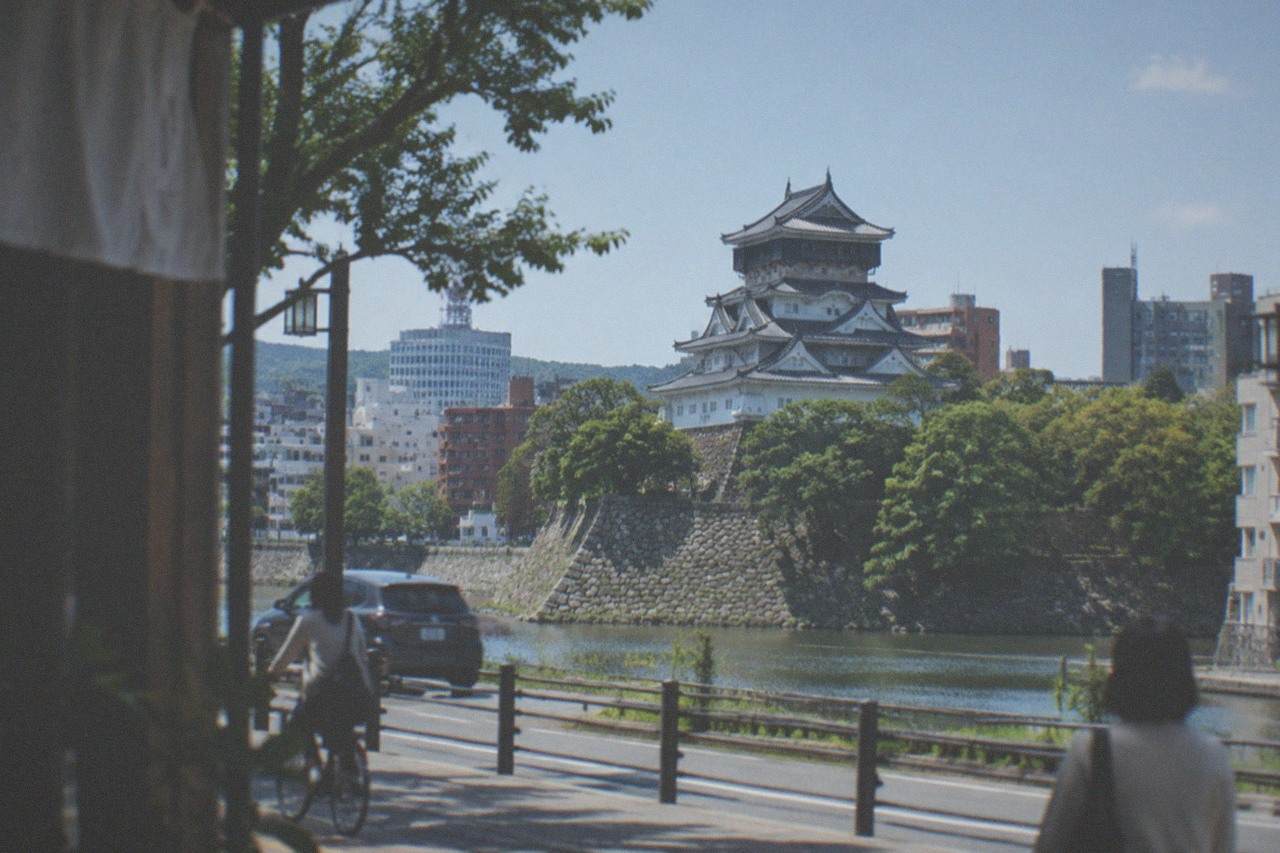
Kokura is the front door to Kitakyushu and one of the easiest day trips from Fukuoka: a few minutes on the Shinkansen from Hakata, a real castle, a river that threads the old town, and the Kanmon Strait within reach.
Short answer
Kokura sits one Shinkansen hop from Hakata Station in Fukuoka and packs a castle, a castle-town river district, a covered shopping arcade and the Kanmon Strait into a walkable core. One day covers Kokura Castle, the Murasaki River walk, Tanga Market and, with tight planning, the Mojiko Retro waterfront across the strait's western side.
Kokura is the seat of Kitakyushu, the city that sits at the mouth of the Kanmon Strait on the Genkai Sea side of northern Kyushu, and it is the closest thing Fukuoka has to a second downtown. The Shinkansen covers the Hakata to Kokura leg in a matter of minutes, which puts a genuine castle-town core, a river that runs through the middle of the shopping district, and one of Japan's great straits within reach of a morning train. Most visitors treat it as a stop on the way to Honshu and walk straight from the bullet train to the bullet train back. That is a mistake, because Kokura rewards a full day, and this guide lays out exactly how to spend it.
How Do You Get from Fukuoka to Kokura?
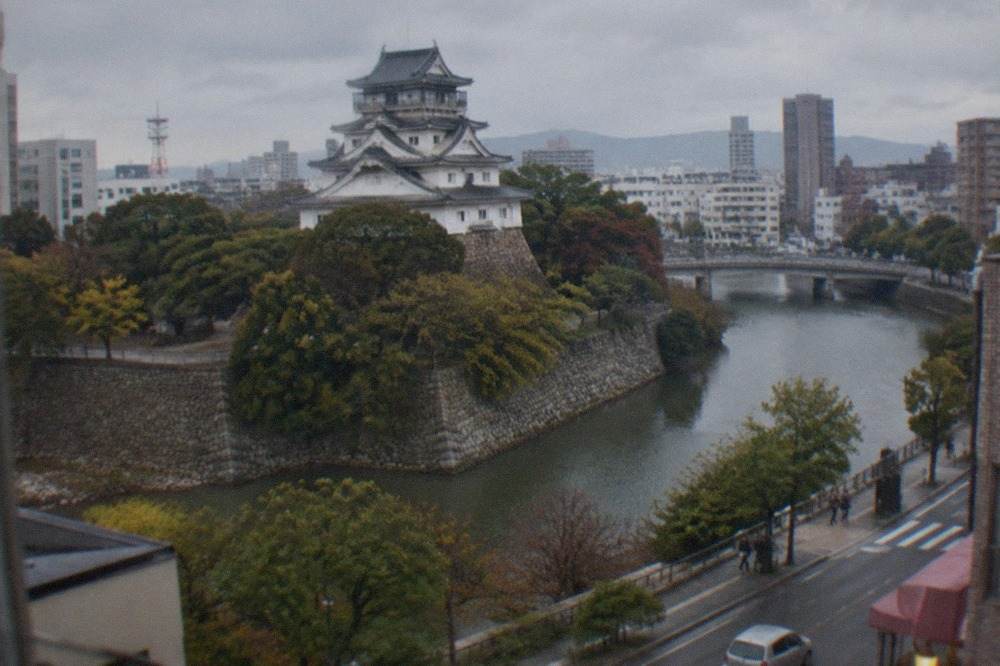
The run from Hakata Station to Kokura Station is one of the shortest Shinkansen legs in Japan, and there is no JR Fukuoka Station to depart from: the station in Fukuoka city is Hakata, in the Hakata ward of the same city. From Hakata you board the Shinkansen, and from Kokura Station everything in this guide is walkable or a short local hop. Conventional JR lines also connect the two, more slowly, and a Fukuoka Tourist City Pass does not cover the Shinkansen.
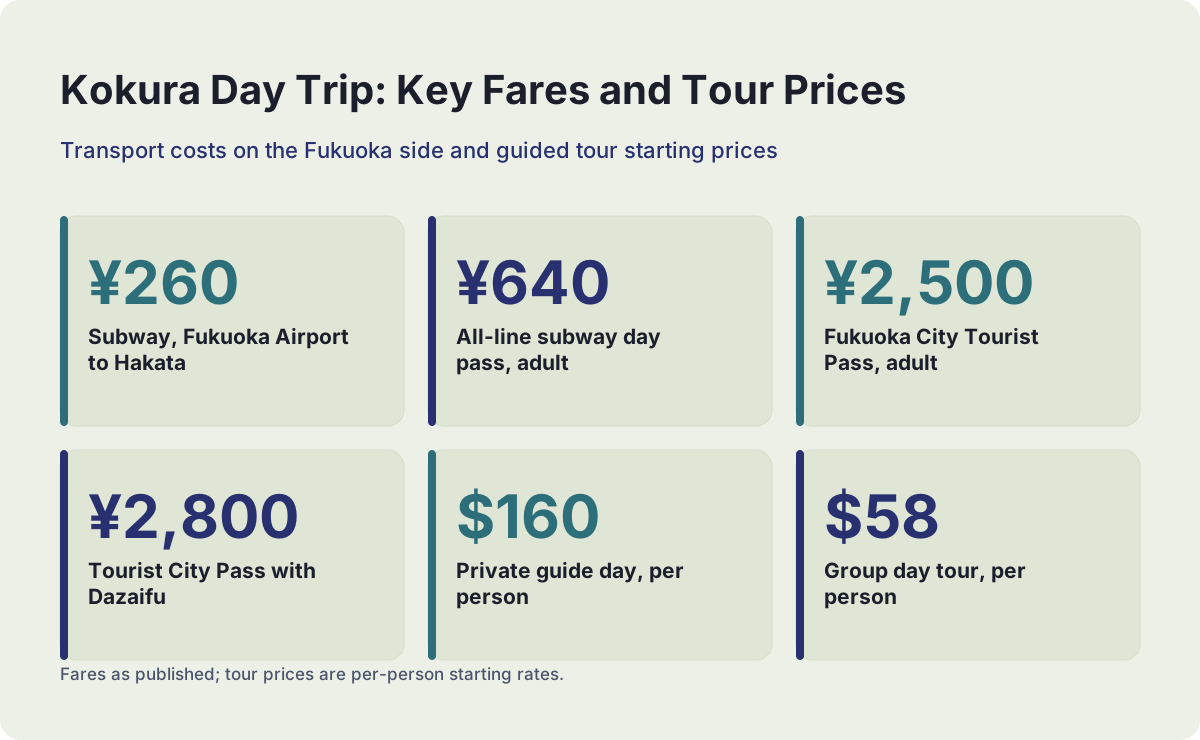
Hakata and Fukuoka are not two places. Hakata is the ward and the station; Fukuoka is the city that contains it. Every train on this route leaves from Hakata Station, and the first thing to get right is that there is no such thing as JR Fukuoka Station. Getting to Hakata Station itself is trivial from anywhere in the city: the subway runs from Fukuoka Airport to Hakata for ¥260, the officially published fare for that distance band, and the airport is unusually close to the centre, which is one of Fukuoka's real advantages as a base.
The Shinkansen between Hakata and Kokura is operated by JR West on the Sanyo line, which matters if you are holding a JR Kyushu pass: that pass does not cover this leg, because it is not a JR Kyushu service. The JR Kyushu rail pass page spells out what the passes do cover, and the Northern Kyushu 3-day pass runs ¥14,000 booked online against ¥15,000 at a counter, with the 5-day version at ¥16,000 and ¥17,000. If Kokura is your only cross-strait excursion, a pass is poor value; single tickets win. If you are stringing together Kokura, Dazaifu and a run down to Aso or Beppu in the same week, the arithmetic changes.
Conventional JR trains also run the corridor and cost less, at the price of a slower ride. For a day trip the Shinkansen is the sensible default: the frequency is high, the leg is short, and you arrive directly above the Kokura city centre with the castle a flat walk away. For wider inspiration, our day trips from Fukuoka overview ranks the whole region, and the Hakata station area guide covers the departure end in detail.
| Option | Route | Best For | Watch Out For |
|---|---|---|---|
| Shinkansen | Hakata to Kokura, nonstop | Speed and frequency; the standard choice | JR Kyushu passes do not cover this JR West leg |
| Conventional JR | Hakata to Kokura via local lines | Budget travel, flexible timing | Slower; check the last return trains |
| Fukuoka Tourist City Pass | Subway, buses, some JR within Fukuoka city | Getting to Hakata Station from your hotel | Does not extend to Kokura; passport checked at sale |
| Subway day pass | All Fukuoka lines, ¥640 adult | Moving around Fukuoka before departure | Only useful on the Fukuoka side |
What Is There to Do in Kokura in One Day?
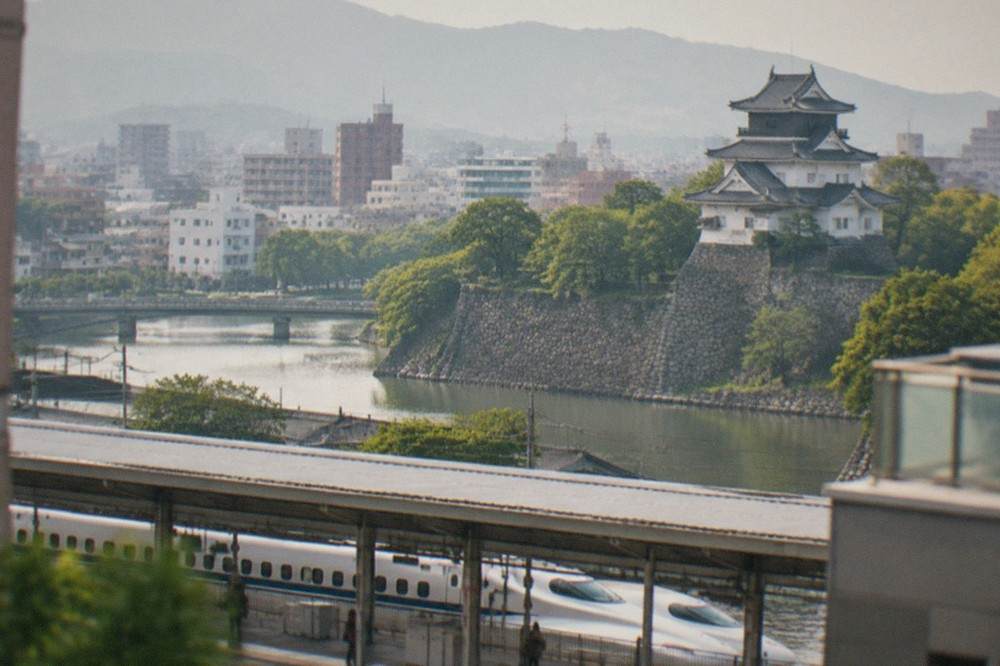
A full Kokura day walks the castle and its garden, follows the Murasaki River through the old castle-town grid, eats at Tanga Market, and ends either in the covered Kokura Castle arcade or across the water at the Mojiko Retro district. All of it fits inside a compact, flat radius around Kokura Station, so the day is about pacing rather than travel. Start at the castle, work downhill to the river, and let the afternoon decide itself.
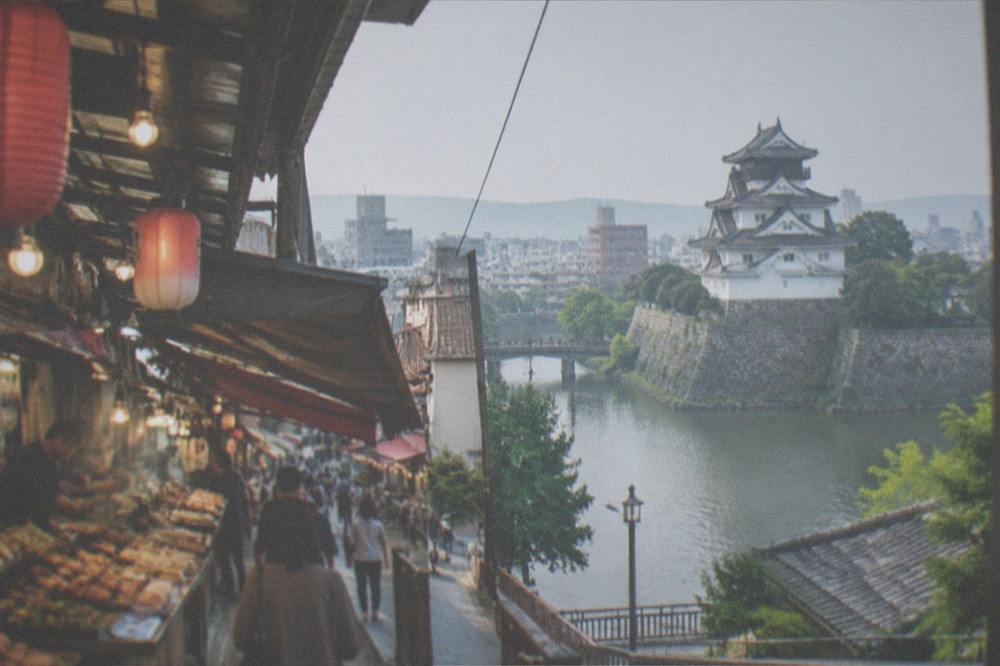
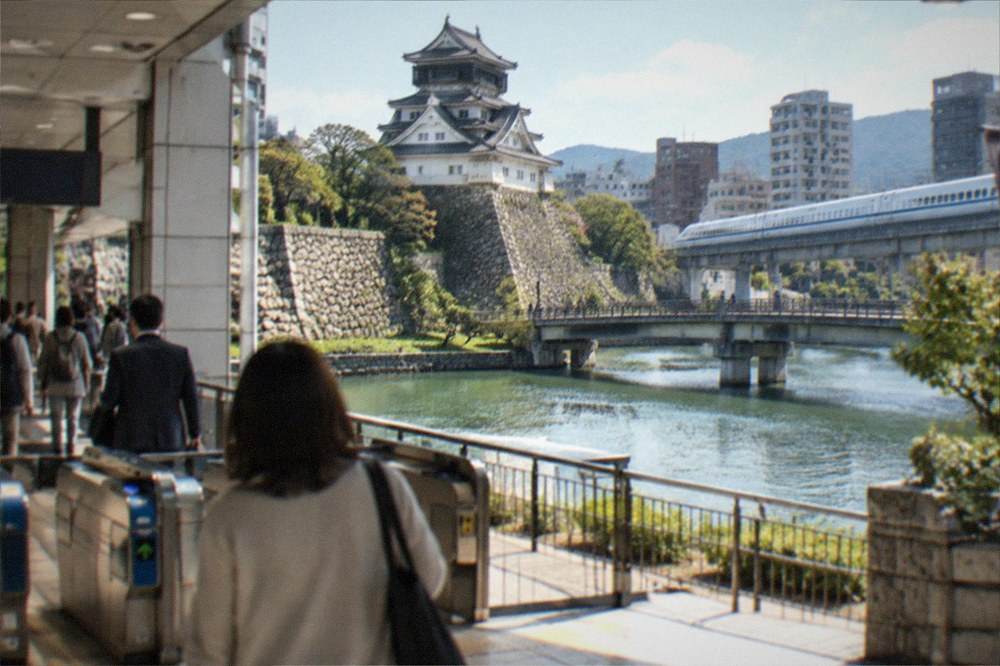
Kokura's core is unusually legible for a Japanese city of its size. The castle sits in Katsuyama Park at the top of the old town; the Murasaki River, narrow and stone-banked, cuts through the shopping district immediately south of it; and Tanga Market, the covered food arcade, sits a few minutes further on. This means a single walking line, castle to river to market, covers the historic half of the day without a single transit ride.
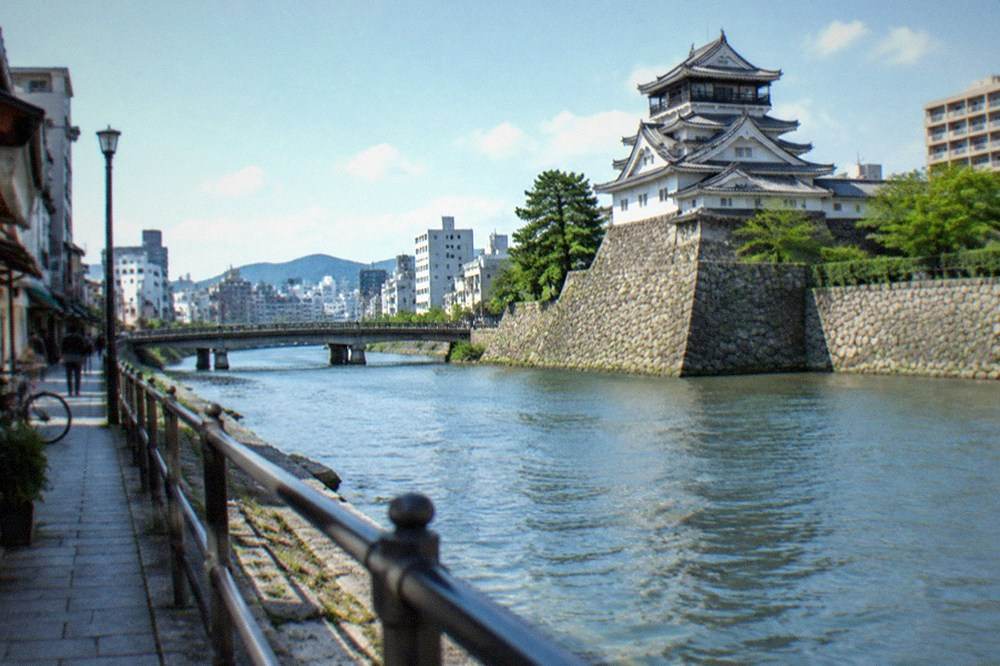
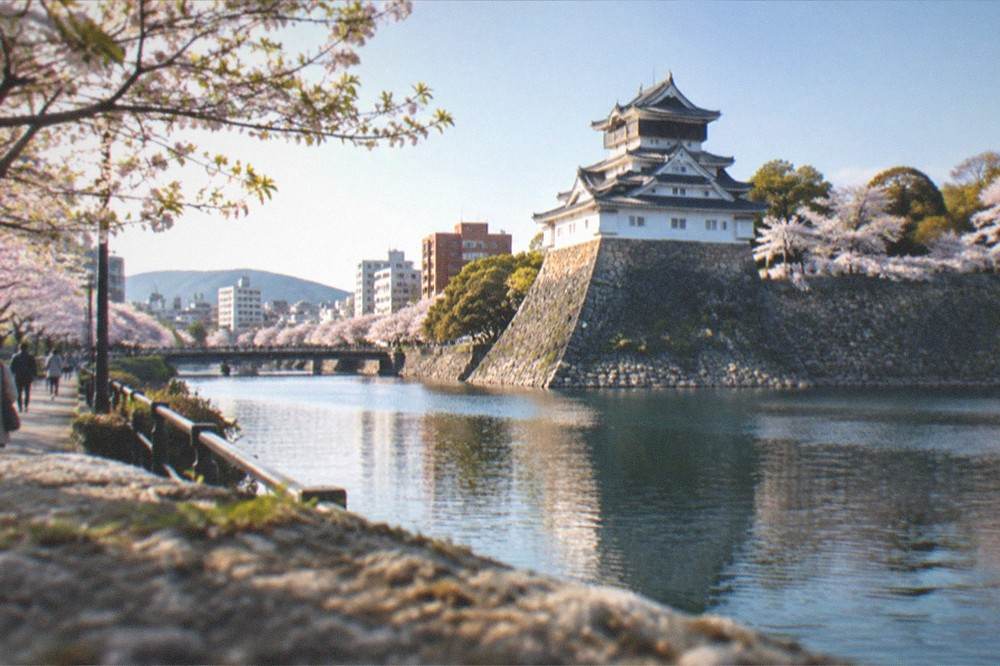
The order matters. The castle grounds and the surrounding park are at their best in the morning light, and the riverside walkway, the Murasaki River Bekkaku Promenade, is where the postcard view of the keep reflected in the water comes from. Locals treat the riverbank as a lunch spot and an evening stroll; the cherry trees along it make late March and early April the single most photogenic window, with first bloom typically arriving in the last week of March in this part of Kyushu. By afternoon the arcades and Tanga Market take over, and the market in particular is better visited hungry.
If you would rather outsource the logistics, three guided options bracket this itinerary. A private, fully customized day with a licensed guide from $160 per person can have the guide meet you at Kokura Station and shape the route around you. Two group day tours into deeper Kyushu, from $58 and from $94 per person, are the better fit if Kokura is a warm-up and the volcano country or Takachiho Gorge is the real goal.
| Time | Stop | Notes |
|---|---|---|
| Morning | Kokura Castle and Katsuyama Park | Grounds open early; the keep and garden are the decision points |
| Late morning | Murasaki River walk and the old town grid | Flat, shaded, the classic keep-reflection photo spot |
| Lunch | Tanga Market | Covered arcade of food stalls; go hungry |
| Early afternoon | Kokura Castle arcade and Uomachi shopping streets | Covered, weatherproof retail core |
| Late afternoon | Mojiko Retro across the strait side | Optional; see the section below |
| Evening | Return to Kokura Station and the Shinkansen to Hakata | Check the last trains before you linger |
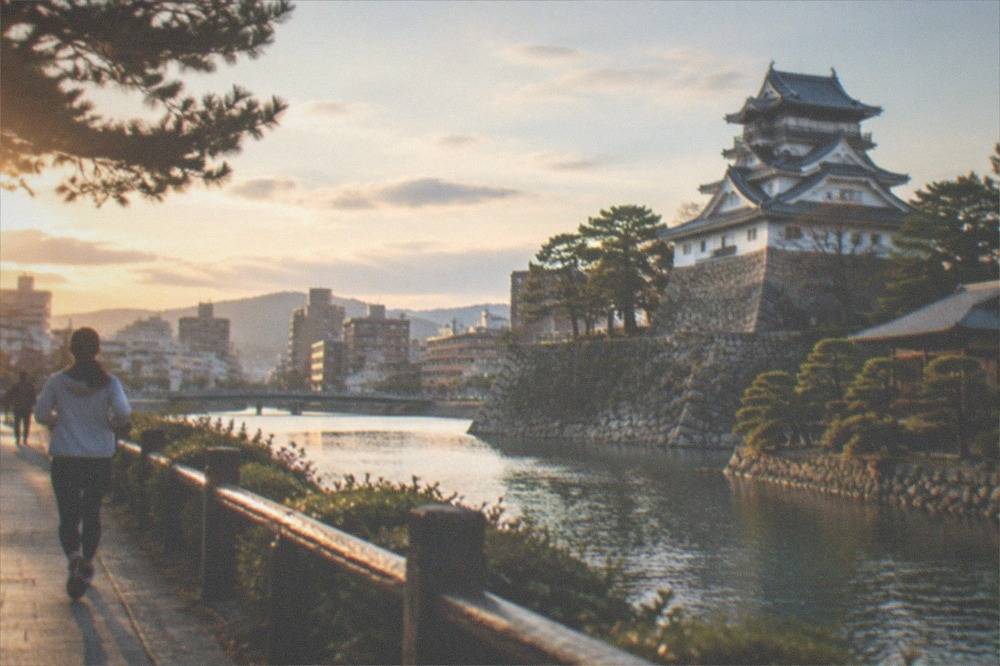
What Makes Kokura Castle Worth the Train Ride?
Kokura Castle is a rebuilt keep rather than a survivor, but the site is genuine: the lord's residence garden beside it is one of the better castle gardens in Kyushu, the grounds are free to wander, and the keep's interior doubles as a small museum of the castle's history. It is not Fukuoka Castle, whose ruined keep base is currently closed for an excavation, and that contrast is precisely why it is worth the ride.
The keep you see today is a mid-twentieth-century concrete reconstruction, and honesty about that is part of the appeal: unlike many reconstructed keeps that fake a period interior, Kokura's houses a straightforward historical museum, and the top floor gives a view over the city to the strait. The surrounding Katsuyama Park holds the real atmosphere, especially the Sho Rantei garden, a reconstruction of the villa garden that belonged to the Mori family who once ruled from this castle. Garden and keep charge separately at the gate; check the posted rates when you arrive rather than trusting any guide that quotes a number from memory, because the operators adjust them.
The comparison with Fukuoka's own castle is instructive and a little strange. Fukuoka Castle's Tenshudai, the stone base of its keep, is closed from 2026-05-26 until the end of December 2026 because of an archaeological excavation prompted by a document found in December 2024 that describes a keep which may never have existed; the grounds and Maizuru Park remain open and free, and the closure expires 2027-01-01. So for the whole of 2026, the castle experience in this region is arguably better in Kokura than in Fukuoka itself, a reversal nobody planned. Our Fukuoka Castle ruins guide covers the excavation story in full.
Around the castle, the old castle-town street plan survives in the grid south of the river, and the Kokura Castle arcade stitches the historic quarter to the modern retail core without you ever needing to cross a hostile road. Give the castle block three hours: grounds, keep, garden, and the walk down to the river.
| Sight | What It Is | Time Needed | Entry |
|---|---|---|---|
| Kokura Castle keep | Concrete reconstruction with a history museum inside | 45 to 60 minutes | Paid at the gate; check posted rates |
| Katsuyama Park | Castle grounds and lawns | 30 minutes | Free |
| Sho Rantei garden | Reconstructed lord's villa garden | 45 minutes | Paid at the gate; check posted rates |
| Murasaki River promenade | Stone-banked riverside walk below the castle | 30 to 45 minutes | Free |
| Tanga Market | Covered food and shopping arcade | 60 to 90 minutes | Free entry; pay as you eat |
What If One Day in Kokura Leaves You Wanting More of Kyushu?
Kokura is the northern gateway to Kyushu, and the same Hakata base that puts Kokura minutes away also puts the Aso caldera, Takachiho Gorge and the grasslands of central Kyushu within a long day's reach. If the strait whets your appetite for the island's interior, a guided full-day tour from Fukuoka is the practical way to see volcano country without renting a car.
The Aso tour is the natural follow-on. It runs about ten hours, costs from $58 per person, and covers the volcano, the Kusasenri grasslands, an onsen stop and Aso Shrine, rated 4.6 from 27 reviews on the operator's listing. That is a very different day from Kokura: where this trip is flat, urban and short, that one is high, green and long, and the two together make a good pairing for a Fukuoka week. The Takachiho alternative, from $94 per person and rated 4.6 from 78 reviews, trades the volcano for a gorge and a shrine in Miyazaki.
Both tours depart from the Fukuoka side, so the planning sequence is the reverse of this page: you sleep in Fukuoka, ride out at dawn, and come back after dark. Kokura, by contrast, forgives a late start, which is exactly why it works as a rest-day trip between two harder excursions. If you are building a multi-day plan, our Fukuoka 3 day itinerary slots day trips into the wider route, and the Kyushu itinerary from Fukuoka is the reference for the full island.
Is Mojiko Worth Adding to a Kokura Day Trip?
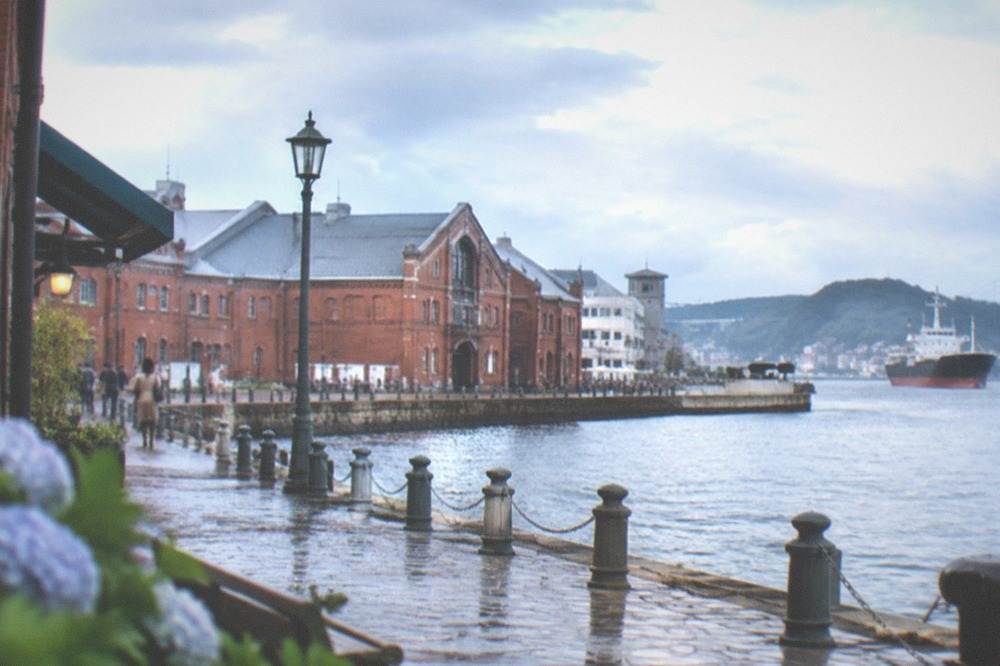
Mojiko Retro, the old port district on the Kitakyushu side of the Kanmon Strait, is close enough to Kokura to add to the same day and different enough to feel like a second trip: red-brick warehouses, a beautifully preserved early twentieth-century station building, and the strait itself, crossed by a pedestrian tunnel under the water to Honshu. It is the best late-afternoon move on this itinerary if your legs still work.
The Kanmon Strait is the reason Kokura exists at all. It is the narrow water that separates Kyushu from Honshu, one of Japan's busiest shipping channels, and Mojiko is the historic port town that grew on its western Kitakyushu bank. The retro district is compact, a few blocks of Meiji and Taisho era commercial buildings now holding cafes, a maritime museum and the striking old Mojiko Station. Walking the under-strait pedestrian tunnel to Shimonoseki on the Honshu side, or riding the ferry that runs the same crossing, is a genuine two-prefectures-in-an-afternoon stunt, and the tunnel in particular is a story people retell. The full index of guides sits on Fukuoka Japan Travel Guide.
The fit with Kokura is a question of pace. Both districts are walkable, but doing the castle morning properly and then Mojiko in the afternoon means a lot of kilometres on foot, and the last Shinkansen back to Hakata does not wait for slow walkers. The compromise most itineraries use is Kokura for the castle, river and market, then the local train to Mojiko for the golden hour on the water, then back to Kokura Station for the ride home. Our Mojiko day trip guide treats the port town as a destination in its own right, and the Kitakyushu day trip guide covers how the two stack together with the industrial heritage sites between them.
If the strait pulls you further, a guided day tour from Fukuoka that reaches the Motonosumi Inari shrine and the Kanmon Bridge viewpoint runs from $50 per person, rated 4.7 from 37 reviews, and handles the coastal logistics that defeat most self-drivers.
Where and What Should You Eat in Kokura?
Kokura's food identity runs through Tanga Market's stall counters, the Murasaki River's riverside yakitori spots, and the city's own dishes: Karashi Mentaiko, the spicy cod-roe condiment that Fukuoka's neighbour made famous, and local udon. The market is the one unambiguous recommendation, because it concentrates a dozen small counters into one covered lane.
Tanga Market has been the neighbourhood's kitchen since before the war, a covered arcade of fishmongers, greengrocers and standing food counters a short walk south of the station. It is small by the standards of Japan's great markets, which is an advantage: you can walk its length in ten minutes and still have time to eat your way back. The counters do a brisk lunch trade with local office workers, and the honest strategy is to look at what the person in front of you ordered.
The regional thread is mentaiko, the spiced pollock roe that most English guides credit to Fukuoka, though the commercial history runs through this whole corner of northern Kyushu. Whatever the attribution, Kokura eats it on rice, in onigiri and folded into pasta, and the market and the arcades both sell vacuum packs that travel. Our mentaiko guide unpacks the dish, and the Fukuoka food guide covers the wider regional table, including motsunabe and goma saba, for the Fukuoka end of the trip.
For dinner before the train, the arcades between the station and the river hold the yakitori counters and izakaya that make the Kokura evening, and the riverside terrace seats on the Murasaki are at their best in the warmer months. In July and August the evenings here run hot, with mean daily minimums above 24 degrees Celsius in Fukuoka's JMA normals for the region, so plan the last hours somewhere with shade and a cold drink.
How Much Does a Kokura Day Trip Cost?
The transport is cheap for a Shinkansen day trip and the sights are mostly free or modestly priced, so a Kokura day lands well under most guided tours: budget for the round-trip train, a paid keep and garden entry checked at the gate, and food. The Fukuoka-side extras, the subway to Hakata and any city pass, are small fixed costs you can plan exactly.
On the Fukuoka side, the subway from the airport to Hakata is ¥260 and the all-line subway day pass is ¥640 if you are moving around the city first. The Tourist City Pass, at ¥2,500 adult for the Fukuoka City version and ¥2,800 with Dazaifu included, is restricted to overseas visitors on short-stay visas with a passport check at the counter, and it does not cover the Shinkansen to Kokura, so it only earns its price on a heavy Fukuoka sightseeing day. The official city pass page lists exactly what each version covers.
The Kokura side is where the day stays cheap. The castle grounds, the river walk and Tanga Market entry all cost nothing; the keep and the garden charge at the gate, and the honest advice is to check the posted rates on arrival rather than carry a number from a guide that may be a season out of date. Lunch at the market and dinner at a counter are the two real spends, and both scale with your appetite.
| Item | Typical Planning Range | Notes |
|---|---|---|
| Subway, Fukuoka Airport to Hakata | ¥260 | Official zone fare, adult single |
| Fukuoka subway day pass | ¥640 adult | All three lines, day of purchase |
| Tourist City Pass | ¥2,500 / ¥2,800 adult | Passport checked; short-stay visa holders only; no Shinkansen coverage |
| Shinkansen, Hakata to Kokura | Check live fares at booking | JR West service; not covered by JR Kyushu passes |
| Kokura Castle grounds, river, Tanga Market | Free | Open public space |
| Castle keep and garden entry | Paid at the gate; check posted rates | Operators adjust seasonally |
| Guided Kyushu day tours from Fukuoka | From $46 to $160 per person | Roster prices; ratings and review counts on each listing |
For comparison shopping among the guided options, a North Kyushu tour that reaches Akiyoshido Cave and the Motonosumi Inari shrine runs from $65 per person, rated 4.8 from 56 reviews, and makes a good alternative for travellers who would rather not plan the strait logistics themselves.
When Is the Best Time of Year for a Kokura Day Trip?
Spring and autumn are the strongest windows: late March into early April puts cherry blossom on the Murasaki River banks and in Katsuyama Park, and mid to late November into early December brings reliable leaf colour to the castle garden. Summer works but runs hot and carries the typhoon season, roughly July through October, which is a real planning factor rather than a reason to stay away.
The cherry blossom window in this part of Kyushu typically opens in the last week of March, with full bloom from the end of the month into the first days of April, and the riverside promenade below the castle is the local hanami strip. The JMA's 1991 to 2020 normals for the Fukuoka station, the nearest reference for the region, put March at a mean of 10.8 degrees Celsius and April at 15.4, which is picnic weather. November, at a mean of 14.2 with 91.4 mm of rain, is the driest comfortable month in the table and the one locals would pick.
The counterintuitive fact worth knowing before you book is that July, not June, is the wettest month on the northern Kyushu coast: 299.1 mm against June's 249.6 mm in the JMA normals, even though June carries the tsuyu rainy-season label. July is also Yamakasa month in Fukuoka, with the Oiyama race on July 15, so a July trip can pair a soaked Kokura afternoon with one of Japan's great festivals back in Hakata. Typhoon season runs roughly July through October; the Japan Meteorological Agency's live typhoon feed is the source to watch, not a guide's hard-coded warning.
Winter is quiet and workable. January sits at a mean of 6.9 degrees Celsius, cold but not punishing, and the covered arcades mean a wet day in Kokura is more survivable than in most Japanese cities. Our best time to visit Fukuoka guide runs the whole year month by month if the trip dates are still open.
Should Kokura Be Your Only Kitakyushu Stop?
For a first visit, yes: Kokura holds the castle, the river, the market and the arcades, and doing them properly fills a day. But Kitakyushu is a large, industrial, spread-out city, and travellers with a second day, or a car, should consider the Kawachi wisteria garden in season, the Hiraodai karst plateau, and the Yahata steel-heritage sites. One day in Kokura is a complete trip; two days in Kitakyushu is a different, deeper one.
The honest framing is that Kokura is the showpiece and the rest of Kitakyushu is specialist interest. The historic Yahata steelworks site, a UNESCO industrial-heritage listing, is a short train ride away and genuinely interesting to the right visitor. The Kawachi Fujien wisteria garden is spectacular for a few weeks in late April and early May and ordinary outside them, and it is pay-at-gate with no published figure we can honestly quote. Hiraodai's limestone plateau is a half-day hike for the outdoors-inclined.
The decision that faces most Fukuoka-based travellers is Kokura versus the other regional day trips, and the honest ranking is: Kokura for the castle-and-town experience, Dazaifu for the shrine, Yanagawa for the canal boats, and Itoshima for the coast. None of them disappoints, and a five-day Fukuoka stay can fit three of them comfortably using our Fukuoka 5 day itinerary. This page, the one you are reading, is the northern option: the shortest ride, the only real castle keep, and the only one that ends with a strait you can walk under.
Common Questions About a Kokura Day Trip
What Is There To Do In Kokura In One Day?
Kokura Castle and its lord's-villa garden, the Murasaki River promenade, the covered Kokura Castle arcade and Uomachi shopping streets, Tanga Market for lunch, and, if your legs allow, the Mojiko Retro waterfront district in the late afternoon. Everything except Mojiko sits in a flat, walkable radius around Kokura Station.
How do you get from Fukuoka to Kokura?
Take the subway or a bus to Hakata Station, then the Shinkansen to Kokura. There is no JR Fukuoka Station; Hakata, in the Hakata ward of Fukuoka city, is the departure point. The subway from Fukuoka Airport to Hakata costs ¥260, and the Shinkansen leg is a JR West service not covered by JR Kyushu passes.
Is Kokura Castle a real castle?
The site is real and the keep is a mid-twentieth-century reconstruction that houses a history museum. The grounds, the stone bases and the reconstructed Sho Rantei garden give the castle-town atmosphere, and the grounds are free to enter. The keep and garden charge separately at the gate.
Can you combine Kokura and Mojiko in one day?
Yes, with discipline. Do the castle, river and market first, then take the short local train to Mojiko for the waterfront and the strait, and return to Kokura Station for the last comfortable Shinkansen back to Hakata. It is a lot of walking, so drop one block if the day is hot.
What should you eat in Kokura?
Lunch at Tanga Market's covered counters, karashi mentaiko in or on almost anything, local udon, and yakitori or an izakaya counter in the arcades near the station before the train home. The market is the one food stop that should not be skipped.
When is the best month for a Kokura day trip?
Late March into early April for cherry blossom along the Murasaki River, or mid to late November into early December for autumn colour in the castle garden. July is the wettest month on this coast, ahead of June, and typhoon season runs roughly July through October, so check the JMA's live feed before booking.