Hiroshima from Fukuoka
Hakata Station is the Shinkansen gateway for all of Kyushu, and Hiroshima sits directly on the same Sanyo line that runs east towards Osaka. That makes Hiroshima one of the most practical long-distance day trips you can stage out of Fukuoka, provided you understand which rail company sells the ticket and which passes do and do not apply.
Short answer
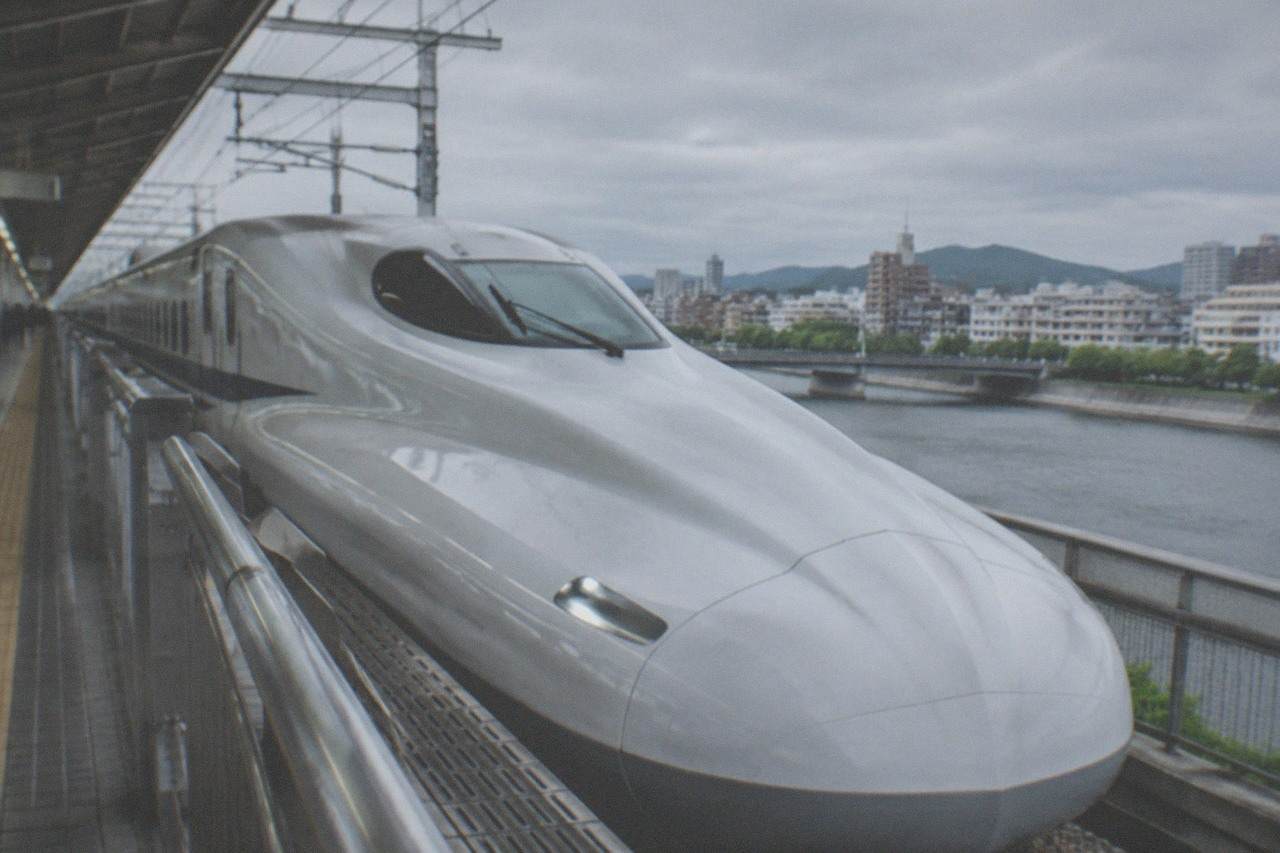
You board the Sanyo Shinkansen at Hakata Station, Fukuoka's main rail hub, and ride direct to Hiroshima with no transfer. The line is operated by JR West, so JR Kyushu passes do not cover it. The subway from Fukuoka Airport to Hakata costs ¥260, and a full day in Hiroshima covering the Peace Memorial Park and Miyajima is realistic with an early start.
Hakata Station is the western anchor of the Sanyo Shinkansen, the high-speed line that runs from Kyushu up towards Osaka, and Hiroshima is one of the major stops directly on that line. This is the single fact that makes the trip work: you do not change trains, you do not cross to a different island, and you do not need a domestic flight. Fukuoka and Hiroshima are neighbours on the same rail corridor, separated by a stretch of northern Kyushu and a short run under the Kanmon Strait into Honshu.
Before the practical detail, one correction that matters for every plan you make on this page. Hakata and Fukuoka are the same city. Hakata is the ward and the station name, Fukuoka is the city, and there is no such thing as a JR Fukuoka Station. Every Shinkansen ticket for this trip is bought to or from Hakata. Getting that straight at the booking stage saves confusion at the gate, and it is the error most outside guides make first. The Fukuoka Japan Travel Guide treats the two names as one place throughout.
How Do You Get to Hiroshima from Fukuoka by Shinkansen?
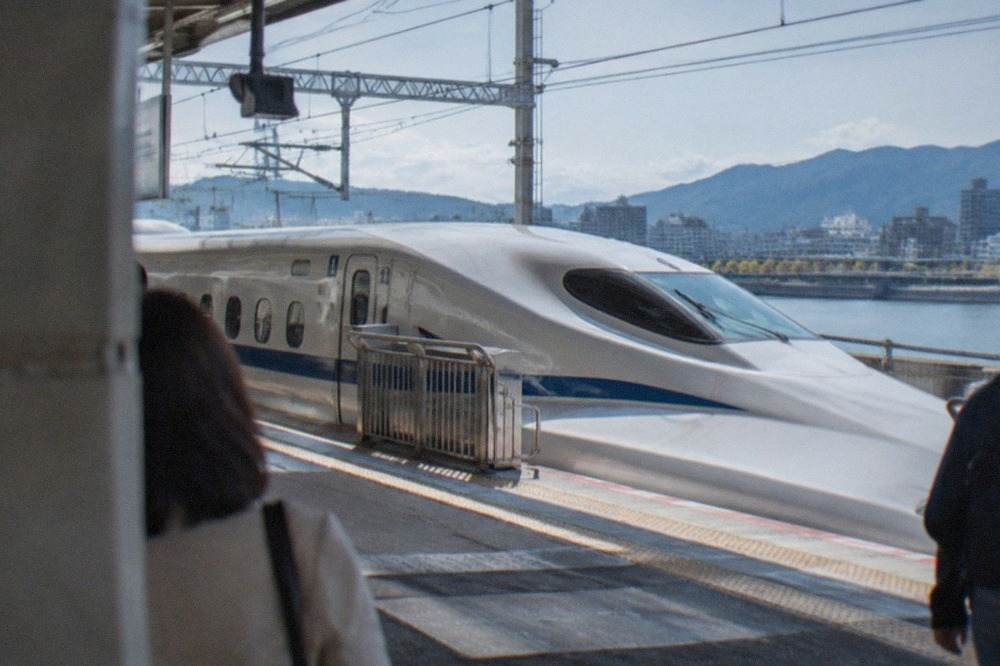
You walk into Hakata Station, buy or collect a Shinkansen ticket for Hiroshima, pass through the transfer gates to the bullet train platforms, and board a direct Sanyo Shinkansen service eastbound. There is no transfer and no other operator involved between the two cities. The ride is operated by JR West, not JR Kyushu, which decides which passes you can use and where you buy supplements.
The station itself is the largest rail hub in Kyushu and easy to navigate on foot once you are inside. The Shinkansen platforms sit on the east side of the complex, and the transfer gates between the conventional lines and the bullet train platforms are clearly signed in English, Korean and Chinese. If you are starting from Tenjin instead, the subway connects Tenjin to Hakata in a few minutes on the Airport Line, and the fare is the standard city subway rate. Our guide to getting around Fukuoka covers the subway, bus and Nishitetsu network in detail if your hotel sits outside the centre.
Travellers arriving by air should note that Fukuoka Airport is unusually close to the city centre for a Japanese major airport, and the subway's Kuko Line runs straight from the terminal into the network. The fare from the airport to Hakata is ¥260 for an adult, a figure derivable from the official 3 to 7 km fare band published by Fukuoka City Subway. Plenty of guides print a journey time in minutes for that leg, but no official page states one, so this site does not either. The honest version is that the airport sits on the same subway line as the station you need, two stops away.
If you land with heavy bags, a family, or a late-night arrival and would rather not manage the subway at all, a private transfer is the comfortable alternative. The Private Arrival Transfer from Fukuoka Airport meets you at the terminal and runs you to the city for from $149 per person, rated 5 from 2 reviews, a small review pool on a genuinely new listing rather than a verdict.
Where Do You Board, and Do You Need Seat Reservations?
You board at Hakata Station's Shinkansen platforms, which are inside the paid-fare zone, so you need a base ticket plus the Shinkansen supplement to reach them. Reserved seats are the safe choice on weekends, public holidays and during the summer travel peak, while on quiet weekdays you can often buy and go within minutes. Both reserved and non-reserved cars exist on the services running this corridor.
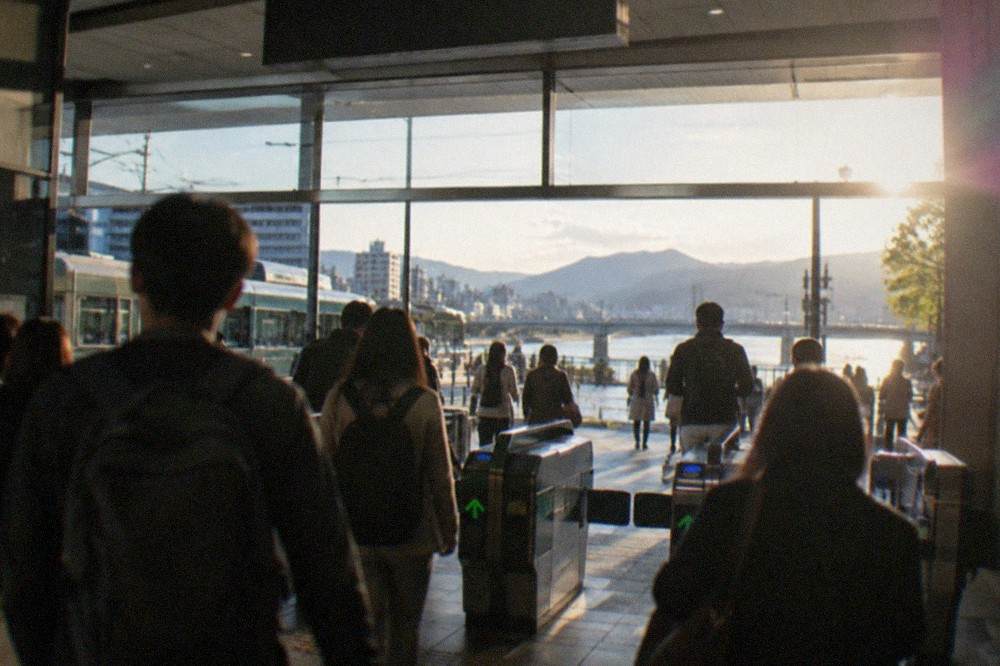
Ticket machines at Hakata carry an English menu and take cash and major cards, and the midori no madoguchi counters handle anything complicated, including pass exchanges and group bookings. If you are using a nationwide rail pass, you exchange or activate it at the JR office in the station before you head to the platforms, then reserve seats for the specific trains you want. Seat reservations on this line cost nothing extra for pass holders, which is why regulars reserve even on quiet days: the reservation costs a minute at the counter and buys a guaranteed window seat for the strait crossing.
The Kanmon Strait crossing is the scenic high point of the ride. The line dives under the water between Kyushu and Honshu, and on either side of the tunnel you get brief views of the ports at both ends. Sit on the north side of the train if you have the choice. After that the line runs through Yamaguchi Prefecture's coastal towns, and the arrival into Hiroshima comes quickly enough that you want your bags gathered before the final approach.
For a sense of how this trip fits among the other long rides out of Hakata, the overview of day trips from Fukuoka ranks the realistic same-day destinations. Hiroshima sits at the far end of the comfortable range, which is why the sections below treat it as a full-day commitment rather than a casual outing.
How Much Does the Trip Cost, and Do Any Passes Cover It?
The Sanyo Shinkansen between Hakata and Hiroshima is JR West territory, so the JR Kyushu passes that cover Kyushu itself do not apply, and neither does the Fukuoka Tourist City Pass, which is a local bus, subway and ferry ticket only. A nationwide Japan Rail Pass does cover the ride if your itinerary justifies one. Otherwise you buy an ordinary fare plus limited express supplement, the standard Shinkansen structure across Japan.
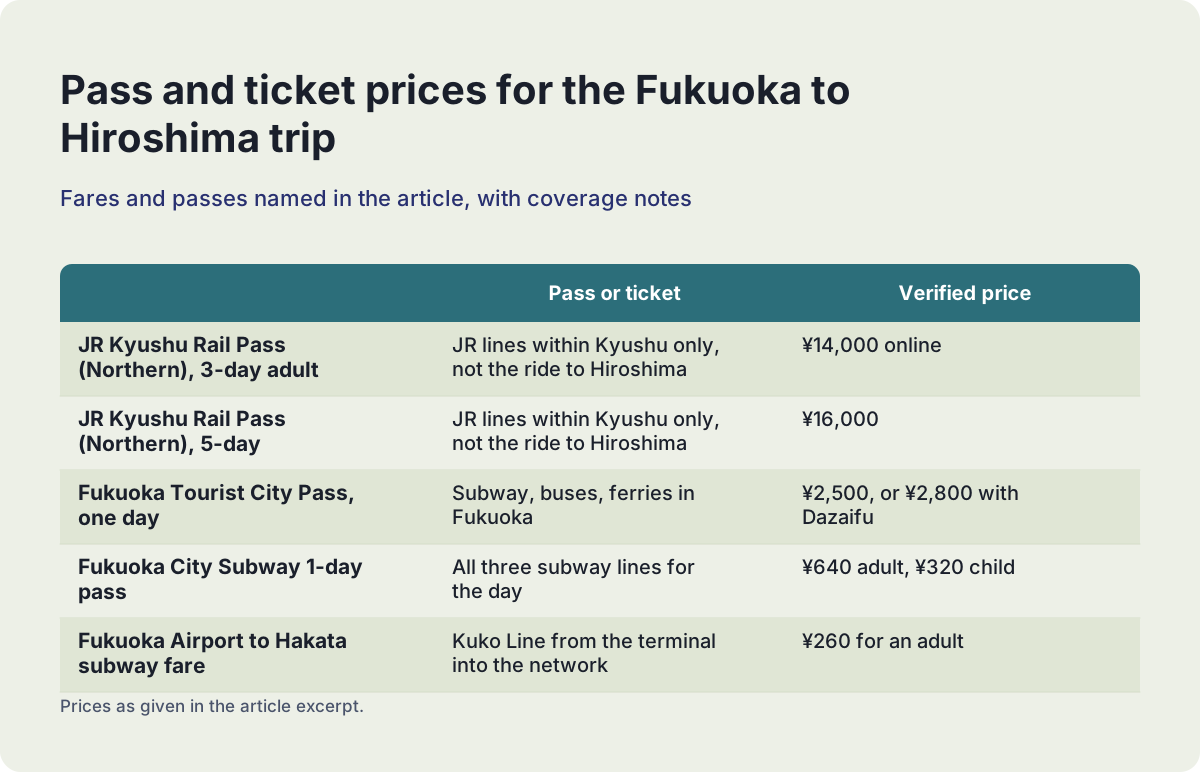
This is where travellers lose money, so it deserves a plain table. The JR Kyushu Rail Pass, sold at ¥14,000 for a 3-day Northern Kyushu adult pass online and ¥16,000 for the 5-day version per JR Kyushu's official pass page, is excellent value inside Kyushu and useless the moment your train passes under the Kanmon Strait towards Hiroshima. The Fukuoka Tourist City Pass at ¥2,500, or ¥2,800 with the Dazaifu extension, covers city subway, buses and ferries for one day and requires a passport check at the counter, as the city's official pass page states. It gets you to Hakata Station, not to Hiroshima.
| Ticket or pass | Covers the Hakata to Hiroshima Shinkansen? | What it does cover | Verified price |
|---|---|---|---|
| Single Shinkansen ticket | Yes, the ride itself | Base fare plus express supplement, reserved or non-reserved | Set by JR West's fare table, check at the counter |
| JR Kyushu Rail Pass (Northern) | No | JR lines within Kyushu | 3-day ¥14,000 online, 5-day ¥16,000 |
| Fukuoka Tourist City Pass | No | Subway, buses, ferries in Fukuoka for one day | ¥2,500, or ¥2,800 with Dazaifu |
| Nationwide Japan Rail Pass | Yes, subject to pass conditions | JR lines nationwide including the Sanyo Shinkansen | See the official pass site for current tiers |
| Fukuoka City Subway 1-day pass | No | All three subway lines for the day | ¥640 adult, ¥320 child |
If a nationwide pass is already in your pocket from a wider Japan itinerary, reserve your Hiroshima seats early in the exchange process, because pass holders crowd the same reservation system as everyone else. If your whole trip is Kyushu plus this one ride, the arithmetic usually favours a single ticket over any pass, and the money you do not spend on a pass can go towards a night in Hiroshima instead, which the section near the end of this page argues for.
What Should You Do with One Day in Hiroshima?
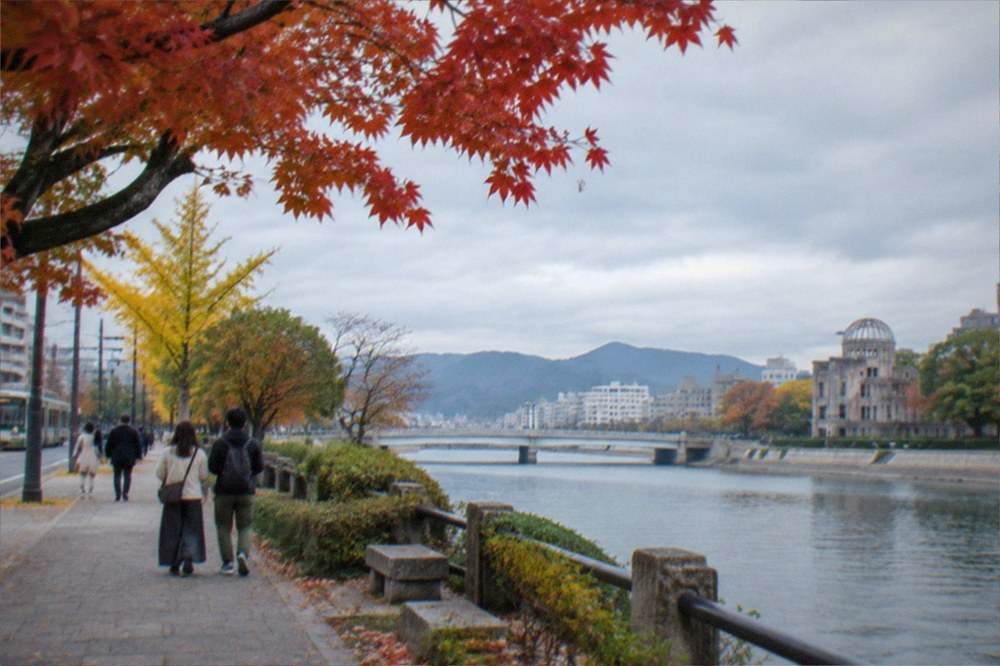
The core of a first visit is the Peace Memorial Park and the Atomic Bomb Dome on the river's edge, which together form the city's memorial landscape and need no ticket to walk through. The Peace Memorial Museum sits inside the park and is the one indoor stop worth protecting time for. Beyond that, Hiroshima's street food culture, especially its savoury pancakes, fills the evening or the gap between sights.
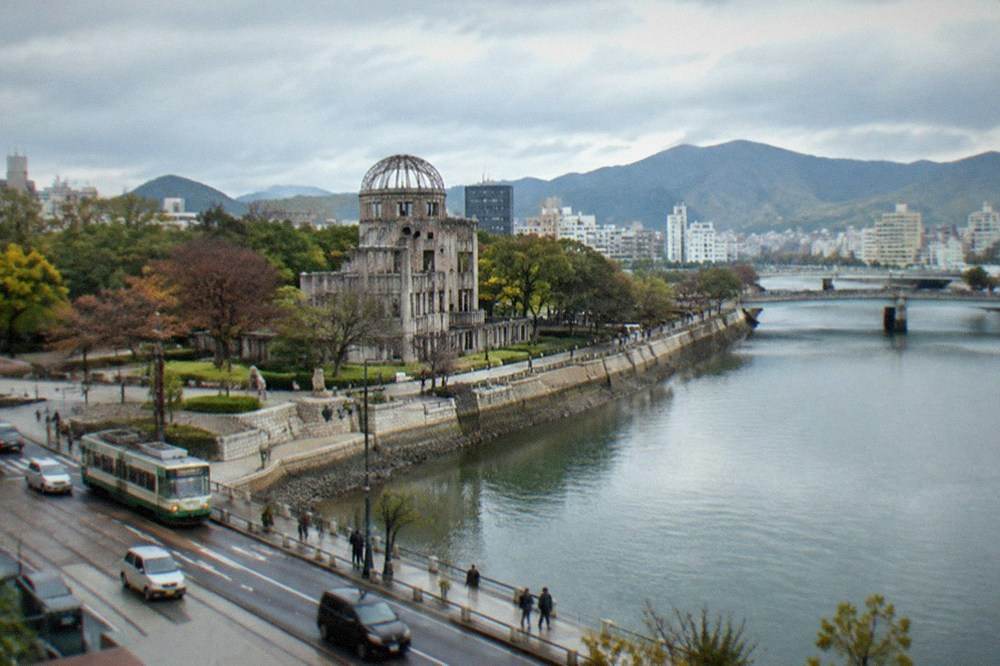
The park runs along the Motoyasu River, and the dome stands on the opposite bank, so the classic first hour is a slow loop: out of the station, down the main street, across the bridge, and along the water. The museum requires a ticket and queues at peak times, so if it is your priority, go there first and walk the park afterwards. Give the outdoor memorials their time too. The cenotaph, the flame and the children's memorial each carry their own weight, and the park is designed so you encounter them in sequence rather than all at once.
A day trip only holds together with a plan, and the shape below is the one that works for most first-time visitors. It front-loads the museum while your energy is high, banks the island before the afternoon ferries get busy, and keeps the return leg honest.
| Time of day | Where | What you are doing |
|---|---|---|
| Early morning | Hakata Station | Board the first comfortable Shinkansen east, reserved seats in hand |
| Late morning | Peace Memorial Park and museum | Museum first while queues are short, then the outdoor memorials |
| Midday | Central Hiroshima | Okonomiyaki lunch at a counter, cooked in front of you |
| Afternoon | Miyajima | Ferry across, the torii and shrine at the shore, the main street |
| Early evening | Hiroshima Station | A firm exit time, with slack for a delayed ferry or a tram |
| Night | Hakata | Back in Fukuoka in time for a yatai if you still have the appetite |
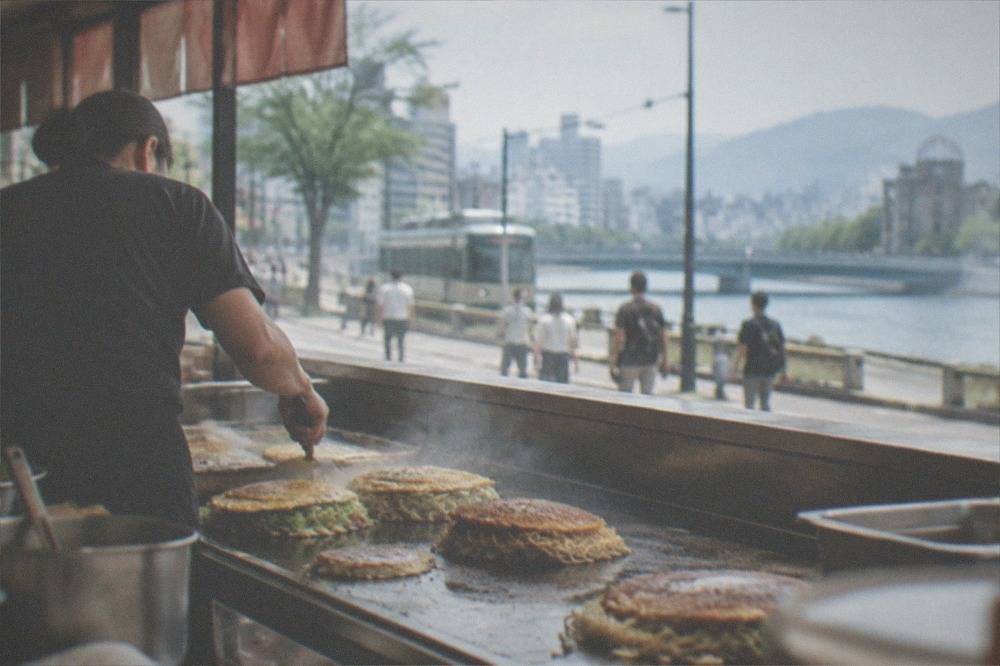
Hiroshima is a rebuilt city, and that fact shapes everything about how it reads on the ground. The streets are wide and gridded, the trams are a genuine working network rather than a tourist line, and the food scene is loud, casual and built around counter service. The local savoury pancake, okonomiyaki, is cooked on a griddle in front of you, layered with noodles in the Hiroshima style, and served by restaurants that range from multi-floor institutions to single-counter stalls. It is a lunch that doubles as theatre, and it sits well between the museum and the afternoon leg of the day.
For a wider comparison before you commit your day, our Fukuoka versus Hiroshima guide weighs the two cities as destinations in their own right, which is a different question from whether Hiroshima works as a day trip. The short version is that the day trip works, but the city rewards an overnight, and the reasons are practical rather than emotional.
Is Miyajima Realistic on the Same Day Trip?
Yes, but only as the second half of the day, and only with an early start and a firm exit time. Miyajima, the island formally home to Itsukushima Shrine and its great floating torii gate, sits in Hiroshima Bay reached by a short ferry from the mainland edge. Most day trippers pair the Peace Memorial Park in the morning with the island in the afternoon and return to Hiroshima for the evening train.
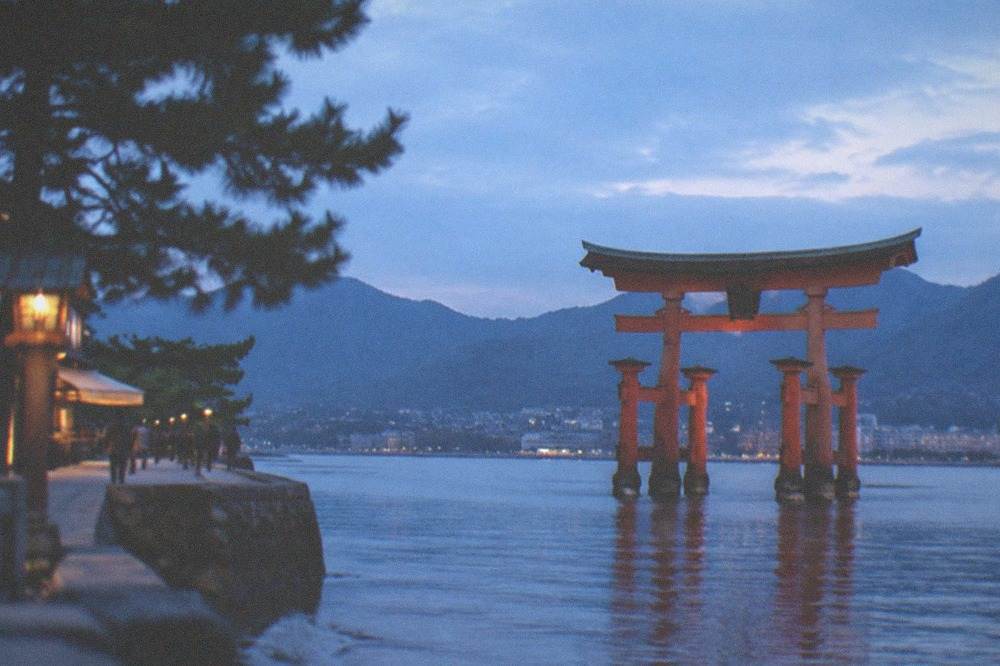
The shrine's torii is one of the most photographed structures in Japan, and it earns it. The gate stands in the water at the island's edge, and the view changes completely with the tide: at high water it appears to float, at low tide you can walk out towards its legs across the sand. The shrine itself sits behind the gate, raised on stilts over the shallows. Both are compact by the standards of major sights, which is what makes the half-day pairing possible at all.
The island is bigger than the shrine, with a main street of shops and grilled-oyster stalls running inland from the ferry pier, and forested hill trails behind. With a day trip's clock, the honest advice is to skip the summit climb and spend your hours at the shore and the main street. Save the mountain for the overnight version of this trip, where you can also see the island after the day crowds have gone, which is when regulars say it is at its best.
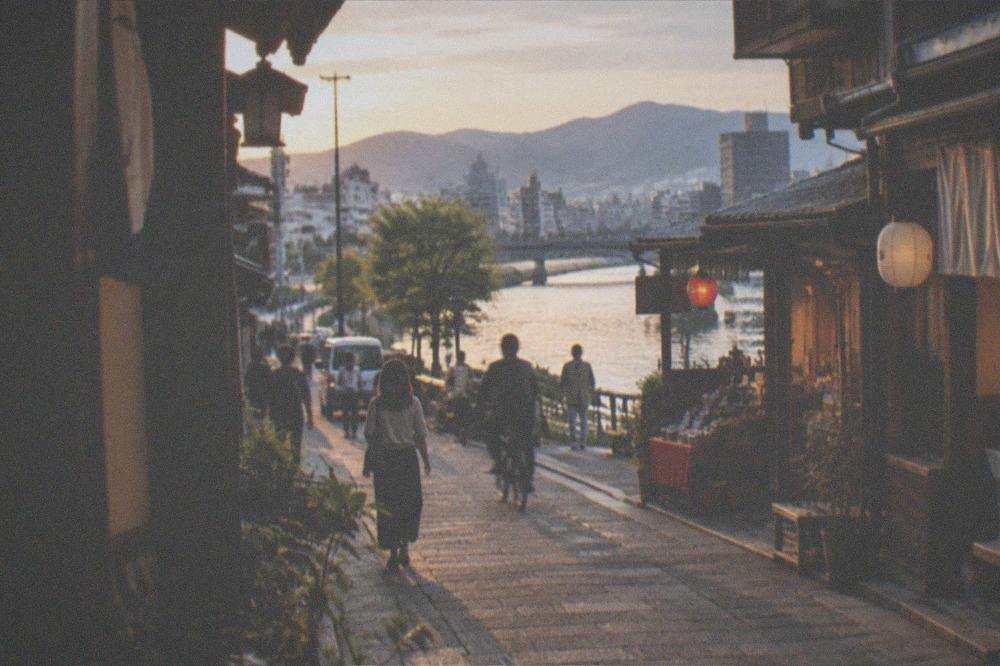
The ferry terminal connects to Hiroshima's tram and rail network, so the transfer from the city is straightforward but adds real minutes to the day. Check the last ferries back before you cross, because an island at dusk is charming and an island after the last boat is a hotel booking. This is the single most common way a Miyajima day trip goes sideways.
When Is the Best Time of Year for This Trip?
Spring and autumn are the strongest seasons, with comfortable temperatures and the clearest odds of a dry platform at both ends. Summer works but is the hardest version: July is statistically Fukuoka's wettest month at 299.1 mm of rain against June's 249.6 mm, and typhoon season runs roughly July through October, which can disrupt Shinkansen schedules on the Sanyo line as well as local ferries to Miyajima.
The rainfall fact surprises people, because June is the tsuyu rainy season and most guides treat it as the wet month to avoid. The Japan Meteorological Agency's 1991 to 2020 normals for Fukuoka say otherwise: July edges it, and July is also the month of the Hakata Gion Yamakasa festival, which fills the city you depart from. If your trip overlaps the festival, that is a reason to go, not a reason to stay away. Our guide to Fukuoka in summer covers the heat and the festival calendar together.
Autumn is the quiet champion. October averages 94.5 mm of rain in Fukuoka against July's 299.1 mm, the daily mean sits at a mild 19.6 degrees Celsius, and the sunshine hours are generous at 175.9. Hiroshima's autumn colour in the parks and on Miyajima extends the season's appeal to the destination end too. Winter is the emptiest season and perfectly workable, with Fukuoka's January mean at 6.9 degrees Celsius, though the island ferry in a cold wind is a different experience from the same crossing in October.
Whenever you go, build one slack hour into the plan. A delayed train, a museum queue or a missed ferry is recoverable on an overnight and painful on a day trip with a fixed return. The Fukuoka rainy day itinerary is the fallback if the weather turns on the Fukuoka end and you would rather stay local.
Day Trip or Overnight: Which Works Better?
The day trip works and thousands of travellers do it, but the overnight is the better product for the money. A day trip gives you the Peace Memorial Park and a compressed Miyajima afternoon, with the museum and the island both rushed. An overnight lets you see Miyajima after the day boats stop, eat a proper okonomiyaki dinner, and use the second morning for the museum or the island's summit trail before a relaxed return train.
| Factor | As a day trip | As an overnight |
|---|---|---|
| Peace Memorial Park | Morning only, full but fast | Unhurried, with museum time |
| Miyajima | Compressed afternoon window | After the day crowds, optional summit trail |
| Meals | One street food lunch at best | Lunch, dinner and breakfast, the full food city |
| Return leg | A fixed evening train you must not miss | A morning train chosen at leisure |
| Overall pace | Efficient but brittle | Comfortable, with weather slack |
| Best for | Cruise-style schedules, tight Kyushu itineraries | First visits, anyone who dislikes rushing |
The honest summary of the table is that the day trip is a scheduling triumph and the overnight is a holiday. If your days in Kyushu are counted and Hiroshima is the one thing you want from Honshu, take the day trip and protect the early train. If you have the flexibility, the second night costs one hotel room and returns an entire extra half-day of the city at its calmest.
What Are Closer Alternatives If Hiroshima Feels Too Far?
If the length of the Hiroshima day puts you off, Kyushu offers several full-day destinations that start from the same station with less rail time. Dazaifu, Yanagawa, Itoshima and Kumamoto all sit comfortably inside the day-trip band, and Nagasaki is the other big-historical-name option that works as a long but direct day out. The trade is simple: less travel, less of Honshu.
The Nagasaki day trip is the closest cousin to this page: a historic port city with heavy wartime history and a distinct food culture, reached by limited express train rather than Shinkansen. The Kumamoto day trip and the Miyazaki route from Fukuoka push into the island's interior and coast respectively, and organized coach tours cover some of these corridors for travellers who would rather not read a rail map on holiday.
One of those organized days deserves a specific mention for how different it is from the Hiroshima run. The YokaBus tea fields and Yanagawa river boat tour spends a full 9 hours 30 minutes in Yame's tea country and on Yanagawa's canals, from $92 per person, rated 4.9 from 29 reviews. It is the opposite of a Shinkansen day: slow, rural and green, with a boat instead of a bullet train.
And if your Hiroshima day leaves you with a spare half-day back in Fukuoka, the city's own bay side repays the time. Marine World at Uminonakamichi sells e-tickets from $16 per person, rated 4.8 from 9 reviews, a compact aquarium visit that pairs with the seaside park around it, and a gentle wind-down after a long rail day.
Whichever way you split your days, the practical spine of this page stays the same: Hakata Station, a JR West ticket, an early start, and a clear idea of which pass covers what before you reach the gate.
Common Questions About Traveling from Fukuoka to Hiroshima
How Do You Get To Hiroshima From Fukuoka By Shinkansen?
Board a direct Sanyo Shinkansen service at Hakata Station, Fukuoka's main rail hub, and ride east to Hiroshima with no transfer. The line is operated by JR West, so buy your ticket through JR West's machines or counters, and note that JR Kyushu passes do not cover the ride.
Do I need to reserve Shinkansen seats from Hakata to Hiroshima?
Reservations are recommended on weekends, public holidays and in the summer peak, when the corridor carries heavy traffic. On quiet weekdays you can often buy and board within minutes. If you hold a rail pass, seat reservations are free, so reserve anyway.
Does the JR Kyushu Rail Pass cover the trip to Hiroshima?
No. The Sanyo Shinkansen east of Hakata is JR West territory, and JR Kyushu passes stop being valid the moment the train leaves Kyushu. A nationwide Japan Rail Pass does cover the ride, subject to its own conditions.
Can you visit Miyajima and the Peace Memorial Park in one day trip?
Yes, with an early start. Most day trippers do the Peace Memorial Park and museum in the morning, take the ferry to Miyajima in the afternoon, and return to Hiroshima for the evening train. Check the last ferry times before you cross to the island.
Is there a JR Fukuoka Station?
No. The city's main station is Hakata Station, in the Hakata ward of Fukuoka. Hakata and Fukuoka are the same city, not two places, and every Shinkansen ticket for this trip is issued to or from Hakata.
What is the best season for a Hiroshima day trip from Fukuoka?
Spring and autumn, for comfortable temperatures and the best odds of dry weather. July is statistically Fukuoka's wettest month at 299.1 mm of rain, and typhoon season runs roughly July through October, which can affect both trains and the Miyajima ferry.