What Are the 7 Prefectures of Kyushu?
Kyushu has seven prefectures: Fukuoka, Saga, Nagasaki, Kumamoto, Oita, Miyazaki and Kagoshima. Here is what each one is known for and how to plan a trip around them.
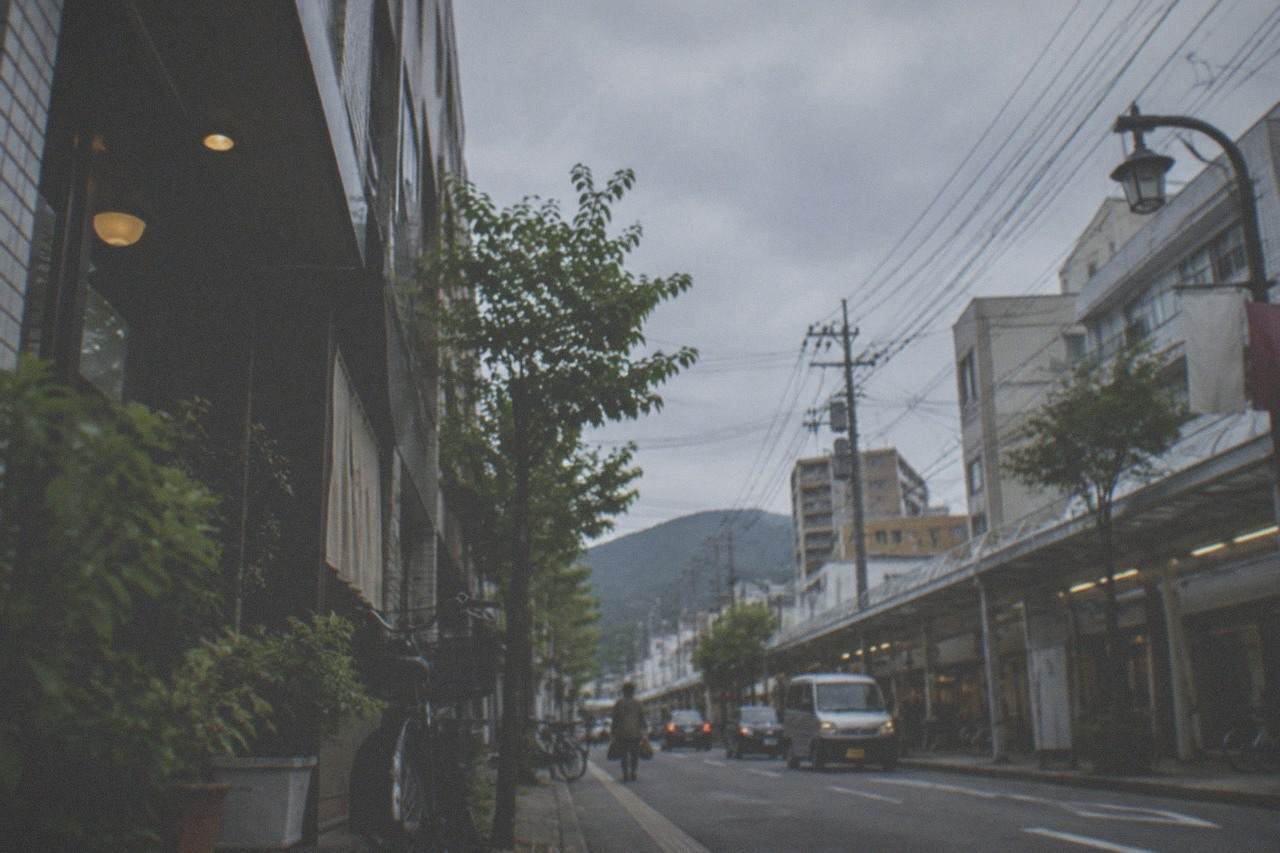
Kyushu is the third largest of Japan's four main islands, the big landmass at the southwest end of the archipelago, and it is divided into seven prefectures. Fukuoka, home of the region's biggest city and its busiest airport, sits at the northern gate. Most international flights land there, most Shinkansen lines end there, and almost every itinerary through the island starts from Hakata Station. This page answers the question directly, then goes further: what each prefecture is actually known for, how the seven connect by rail and road, and where a first trip should spend its days.
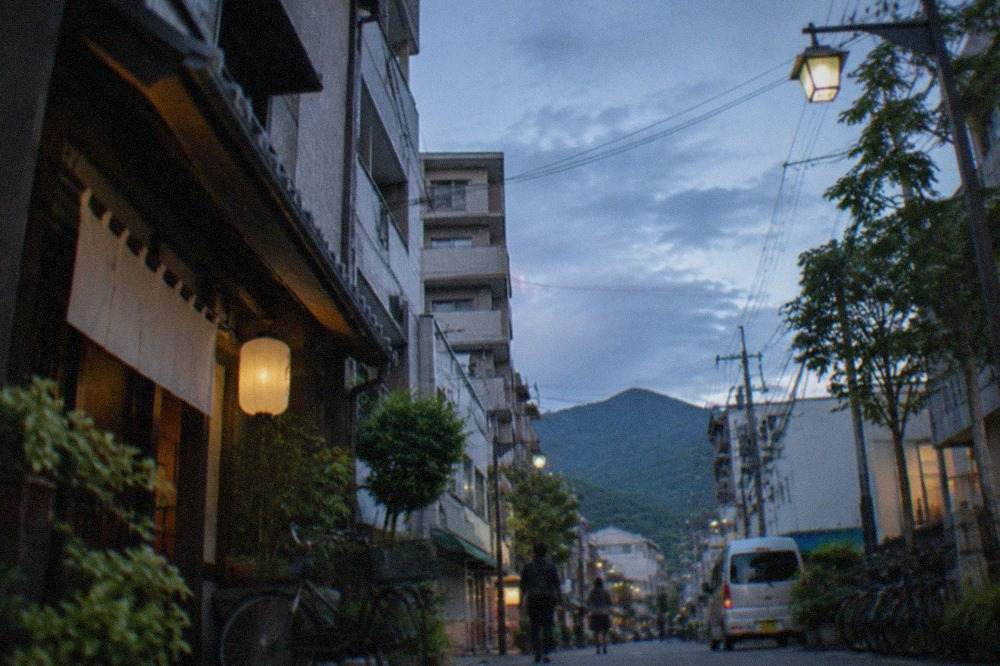
What Are the 7 Prefectures of Kyushu?
The seven prefectures of Kyushu are Fukuoka, Saga, Nagasaki, Kumamoto, Oita, Miyazaki and Kagoshima. Fukuoka Prefecture contains the region's largest city, Fukuoka, which serves as the transport hub for the whole island, while the other six spread west, south and east around it. Okinawa is administratively part of the Kyushu region today, but it is a separate island chain and is not counted among the seven prefectures of Kyushu itself.
That last point trips up a lot of travellers. When Japanese statistics and most maps speak of the seven prefectures, they mean the mainland island plus its near islands such as Iki and Tsushima off Nagasaki. Okinawa Prefecture was joined to the Kyushu regional administration after the war, so a government map of "Kyushu region" shows eight, but the island everyone calls Kyushu has seven. If you are planning a trip, the distinction matters mainly for rail passes, which cover the seven and not Okinawa at all.
Geographically the prefectures arrange themselves simply. Fukuoka and Saga sit across the north, with Nagasaki hanging off the west on a peninsula riddled with bays. Oita occupies the northeast, facing the Seto Inland Sea. Kumamoto sits in the centre, Miyazaki down the east coast, and Kagoshima at the southern tip, with its chain of volcanoes running off toward the smaller islands beyond. An overview of the whole island and its regions is on the Kyushu travel guide.
Which Prefecture Should You Visit First?
Fukuoka is the practical first stop for almost everyone, because Fukuoka Airport handles the region's international arrivals and the city's subway connects the airport to Hakata Station for ¥260. From there, day trips reach Dazaifu and Yanagawa inside an hour, and the Shinkansen and limited express trains fan out to the other six prefectures. If you have a week or more, pair Fukuoka with Kumamoto and Kagoshima for volcanoes, or Oita for onsen.
The airport itself is unusually close to the centre, which is one of Fukuoka's genuine advantages over Osaka or Tokyo: the subway's Kuko line runs straight from the terminals into the city core. The city is also the natural base for a first excursion into the countryside. Two of the region's signature products, Yame gyokuro tea and the canal town of Yanagawa, both sit within Fukuoka Prefecture's own borders, so you can taste rural Kyushu without crossing a prefectural line on your first day.
For travellers who want structure rather than self-navigation, a guided day trip solves the transport question in one booking. The YokaBus Tea Fields and Yanagawa River Boat tour is the strongest example for this route: it runs from $92 per person, is rated 4.9 from 29 reviews, and covers nine and a half hours including the tea country of Yame and a donpo boat ride through Yanagawa's canals. The same operator also runs a longer tea and sake tasting expedition, rated 4.9 from 43 reviews, for visitors who want the drinks without the boat.
How Do You Travel Between the Kyushu Prefectures?
Rail is the backbone: the Kyushu Shinkansen runs down the island's west side from Hakata through Kumamoto to Kagoshima, while limited express trains reach Oita, Nagasaki, Miyazaki and the smaller cities. A JR Kyushu rail pass covering northern Kyushu is sold online and at counters, and Fukuoka's Tourist City Pass costs ¥2,500 for the city or ¥2,800 with Dazaifu added, but only for overseas visitors on short-stay visas, with a passport checked at the counter.
The pass detail is where most guides go wrong. The Fukuoka Tourist City Pass is run by the city's own tourist office, and its current prices are published on the official pass page at gofukuoka.jp. Many competing articles still quote an older, much cheaper fare, which no longer exists. The passport check is not a formality either: the counter staff verify your visa status before selling, and the digital app version is restricted to visitors from a small number of countries.
For the rest of the island, JR Kyushu's own rail pass pages list the coverage and prices for the northern and full-island versions at jrkyushu.co.jp. One trap worth knowing before you buy: the Shinkansen between Hakata and Kokura runs on JR West's Sanyo line, not JR Kyushu's network, so that specific leg is not covered by a Kyushu pass. Buses fill the gaps where rail does not reach, and rental cars are the standard choice for the Itoshima coast, the Shimabara peninsula and the interior of Miyazaki.
| Route | Best transport | Roughly |
|---|---|---|
| Fukuoka to Kumamoto | Kyushu Shinkansen | About 40 minutes from Hakata |
| Fukuoka to Kagoshima | Kyushu Shinkansen | About 80 minutes from Hakata |
| Fukuoka to Nagasaki | Limited express train | About 90 minutes from Hakata |
| Fukuoka to Oita (Beppu, Yufuin) | Limited express train | Around 2 hours from Hakata |
| Fukuoka to Miyazaki | Limited express train | Around 3 hours from Hakata |
| Fukuoka to Saga | Local or rapid JR train | Under an hour from Hakata |
A full circuit of the island by rail is a realistic week-long project, and the Kyushu itinerary from Fukuoka lays out a version that hits the highlights without backtracking. Comparing the pass options line by line, to see whether a rail pass pays for itself against individual tickets, is worth an hour of planning before you commit to either.
What Is Each Prefecture Known For?
Fukuoka is known for its food culture, yatai stalls and Hakata ramen; Saga for pottery and Yoshinogari ruins; Nagasaki for its harbour history; Kumamoto for its castle and Mount Aso; Oita for Beppu's hot springs and Yufuin; Miyazaki for coastal shrines and the Takachiho Gorge; and Kagoshima for Sakurajima volcano. Each prefecture has one headline attraction that anchors most visits, and most of them are reachable from Fukuoka as a long day trip.
| Prefecture | Known for | Headline sight |
|---|---|---|
| Fukuoka | Yatai stalls, Hakata ramen, tonkotsu broth | Dazaifu Tenmangu and the Nakasu stalls |
| Saga | Arita and Imari porcelain, ancient ruins | Yoshinogari Historical Park |
| Nagasaki | Harbour city history, Dutch and Chinese heritage | Glover Garden and the peace park |
| Kumamoto | One of Japan's great castles, Aso caldera | Kumamoto Castle and Mount Aso |
| Oita | The highest concentration of onsen in Japan | Beppu's "hells" and Yufuin |
| Miyazaki | Myths, gorge and coastline | Takachiho Gorge and Aoshima Shrine |
| Kagoshima | An active volcano beside a city | Sakurajima and Chiran |
Fukuoka's own claim deserves a sentence of honesty rather than hype. The city's roughly 100 licensed yatai stalls are governed by a city ordinance that bans market-price menus, so every stall must post its prices where customers can see them, which answers the most common worry about eating at one. The stalls take walk-ins and cannot be booked; only guided yatai crawls are sold as products, and the etiquette around seating, sharing and ordering is worth reading before your first night. The deeper background on the region's reputation is in what is Kyushu best known for, and the island's noodle culture, from tonkotsu bowls in Hakata to the champon of Nagasaki, deserves its own evening of research.
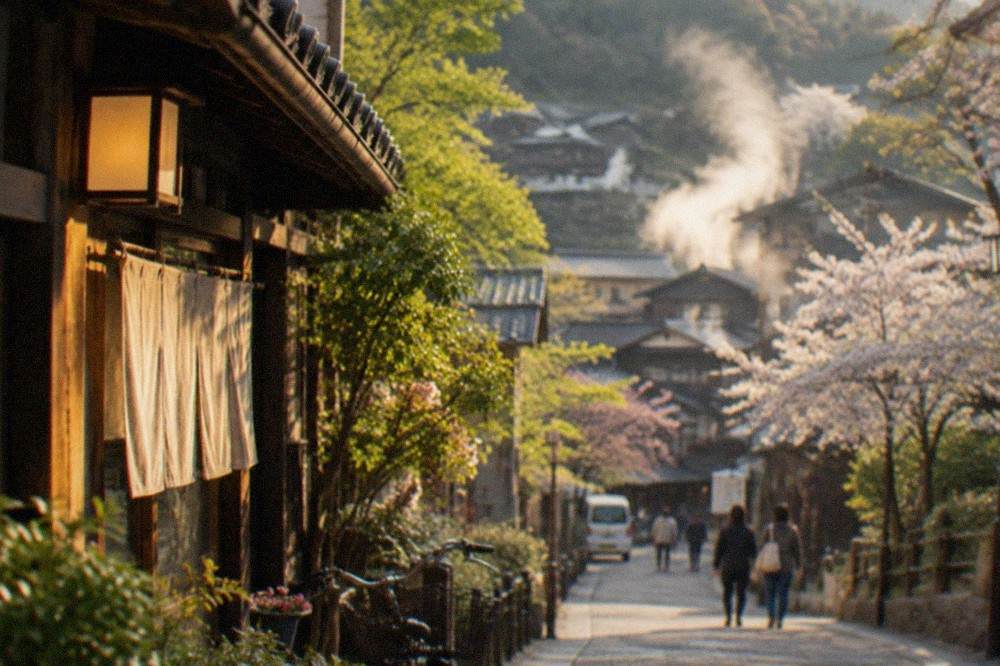
Oita is the prefecture most first-time visitors underestimate. Beppu and Yufuin sit barely two hours from Hakata by limited express, which puts Japan's most famous onsen town inside a comfortable day trip from Fukuoka, and the day tours that bundle the Beppu "hells", the frog temple at Nyoirinji and free time in Yufuin run around ten hours for from $48 per person. If you would rather move at your own pace, the Beppu day trip page covers the trains, the baths and where to stay overnight, and Yufuin works as either a second stop on the same line or an overnight in its own right.
Kumamoto and Kagoshima form the volcano spine of the island. Mount Aso holds one of the world's largest calderas, and tours from Fukuoka that reach the volcano, the Kusasenri grasslands and Aso Shrine run about ten hours from $46 per person. Further south, Sakurajima smokes across the bay from Kagoshima City in a way that reshuffles your sense of what a "city view" means. Kumamoto Castle, rebuilt after the 2016 earthquake damage, anchors the prefectural capital and pairs naturally with a Shinkansen hop down to the volcano country.
Miyazaki, on the east coast, is the one prefecture that does not sit on the main west-side rail spine, which is why it sees fewer casual visitors despite holding Takachiho Gorge, one of the most photographed ravines in Japan. The gorge's boat rental and the Amaterasu railway are the two headline activities, and the Takachiho Gorge trip page covers how the day tours from Fukuoka, around eleven hours from $48 per person, actually run.
When Is the Best Time to Visit Kyushu?
Spring and autumn are the best windows: cherry blossoms peak in Fukuoka in late March into early April, and autumn colour runs mid to late November into early December. Summer is hot and July is Fukuoka's wettest month at 299.1 mm, more than June, though July also brings the Hakata Gion Yamakasa festival. Typhoon season runs roughly July through October and is a genuine planning factor for coastal prefectures such as Miyazaki and Kagoshima.
That July figure surprises people who assume the tsuyu rainy season in June must be the wet month. The Japan Meteorological Agency's 1991 to 2020 normals for the Fukuoka station put July at 299.1 mm against June's 249.6 mm, and August is both hotter and drier than either, with 210.0 mm of rain and the second most sunshine of any month after May. What this means in practice: a Golden Week or October trip gives you the most reliable weather, a June trip gives you green rice fields and fewer crowds, and a July trip gives you the festival, at the price of the rainiest month of the year.
The typhoon season deserves respect rather than fear. Storms track toward the island's west and south coasts between roughly July and October, and when one approaches, the practical effects are cancelled boats, closed viewpoints and a day of heavy rain rather than anything dramatic. The typhoon season in Fukuoka page explains how to read forecasts and what actually closes. Winter, by contrast, is quiet, mild by Japanese standards and dramatically cheaper, and the shoulder months either side of it are when the island's gardens and gorges are at their emptiest.
Common Questions About the Kyushu Prefectures
What Are The 7 Prefectures Of Kyushu?
Fukuoka, Saga, Nagasaki, Kumamoto, Oita, Miyazaki and Kagoshima. Okinawa is part of the wider Kyushu administrative region but is a separate island chain and is not one of the seven prefectures of the island itself.
Is Okinawa one of the prefectures of Kyushu?
No. Okinawa Prefecture is grouped with Kyushu for administrative purposes, so some government maps show the "Kyushu region" with eight prefectures, but the island of Kyushu itself has seven. Rail passes and most travel itineraries treat the two separately.
Which prefecture has the biggest city?
Fukuoka. The city of Fukuoka is the largest on the island and the transport hub for the region, with the busiest airport and the Shinkansen terminus at Hakata Station. Hakata is the ward and station name within the city, not a separate place.
Can you visit more than one prefecture in a day?
Yes, easily in the north. Fukuoka to Kumamoto by Shinkansen takes about 40 minutes, and Dazaifu, Yanagawa and the Yame tea country all sit within Fukuoka Prefecture itself. Longer combinations, such as Beppu or Nagasaki, work as full-day trips from Hakata.
Do you need a car in Kyushu?
Not for the main cities and the Shinkansen corridor, where rail covers everything. A car earns its cost on the Itoshima coast, the Shimabara peninsula, inland Saga and rural Miyazaki, where bus frequencies drop sharply. Many visitors rent for two or three days only.
How many days do you need for Kyushu?
Three to four days covers Fukuoka city plus one or two nearby prefectures. A full circuit of all seven realistically needs ten days to two weeks. Most first-timers split the difference: four or five days in and around Fukuoka, then a second trip for the south once they know what the island actually feels like.
For everything that sits beyond the seven prefectures, including the ferry to Busan and the onward routes down the island, the where to go after Fukuoka guide picks up where this one ends. The whole island is on Fukuoka Japan Travel Guide, from the yatai stalls of Nakasu to the smoking crater of Sakurajima.