Is Yatai Ramen Expensive?
No, and Fukuoka's own price-display ordinance is the reason. Here is what actually shapes the bill at a yatai ramen stall, cluster by cluster.
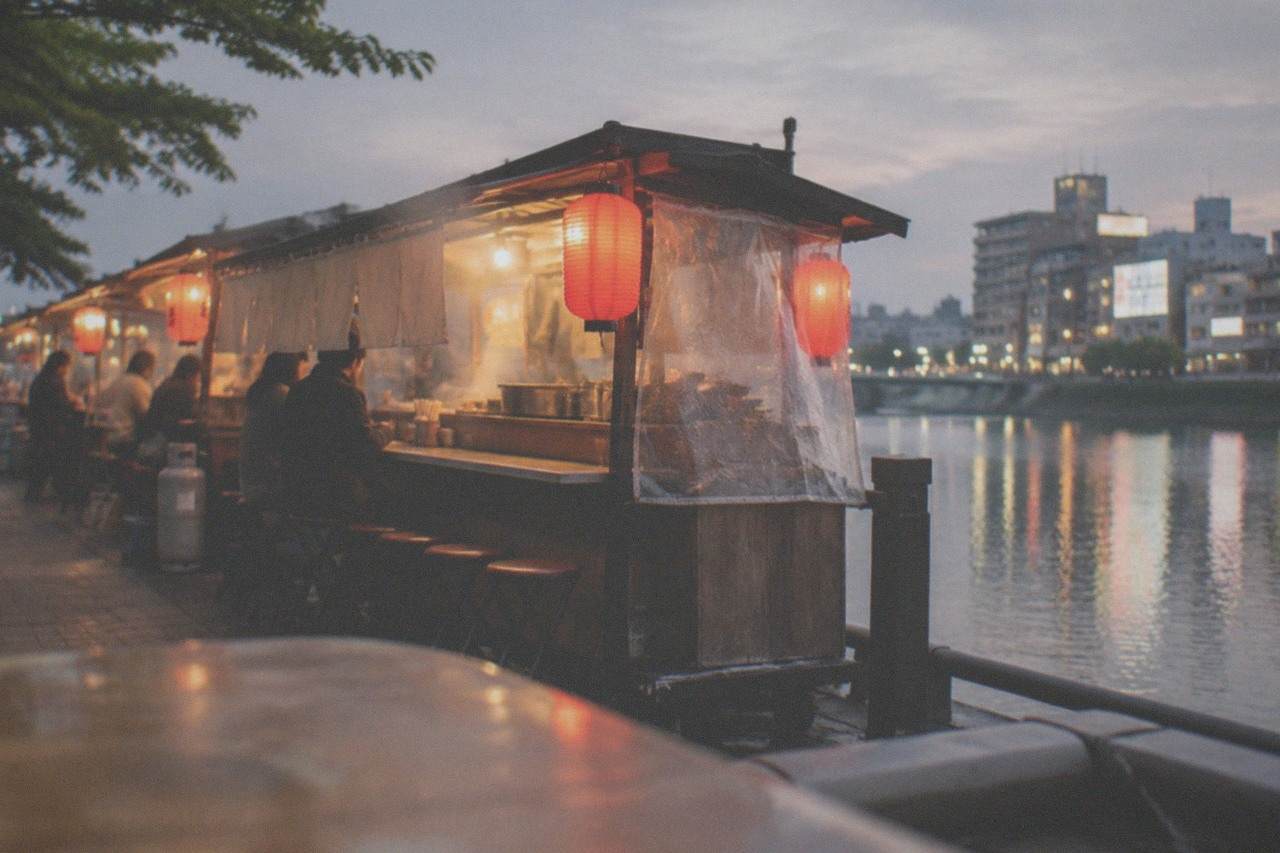
Is Yatai Ramen Expensive?
Is Yatai Ramen Expensive?
No, yatai ramen is not expensive by the standards of eating out in Japan, and Fukuoka is unusually well set up to keep it that way. The city's Yatai Basic Ordinance bans market-price menus, which means every stall must post its prices where customers can easily see them before ordering. You will know what a bowl costs before you sit down, which removes the single biggest way a street-food bill surprises a visitor. What you spend ultimately depends on how long you stay and what you drink.
That last sentence is the real answer. A bowl of tonkotsu ramen at a yatai is a modest, working-class purchase, and it always has been. The stalls began as cheap feeding stations for labourers and market workers, and that DNA survives in the format: a small cart, a handful of seats, one cook, no rent for a dining room. What turns a yatai evening into a bigger bill is the second bowl, the beer, the side of yakitori, and the hour you end up spending wedged between strangers who started the night as strangers and did not stay that way.
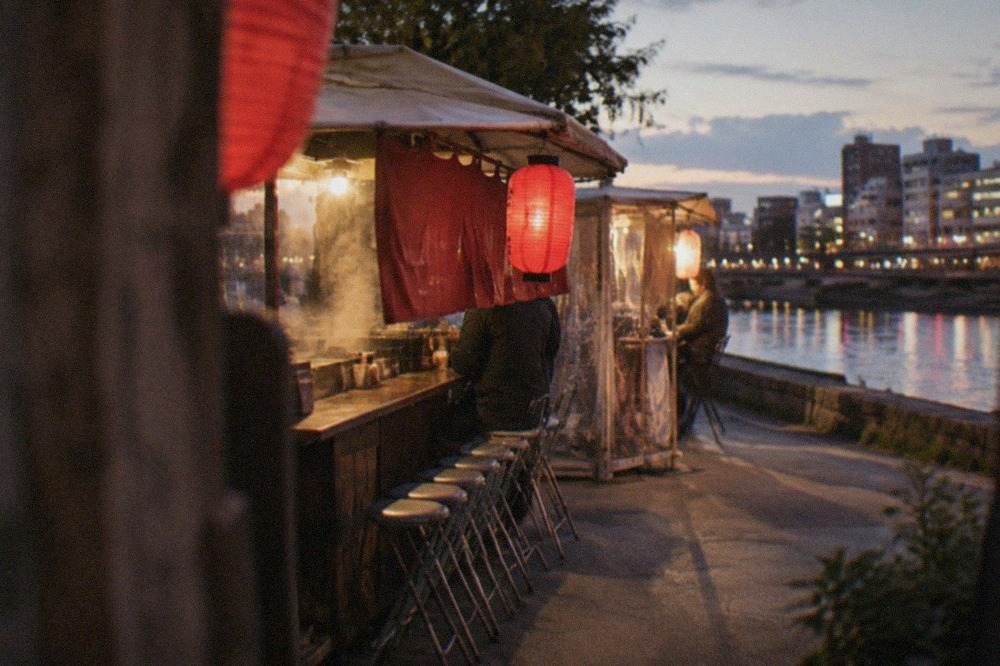
There are about 100 of these stalls across the city, more than any other city in Japan has, and the count has held steady for years because Fukuoka runs a public recruitment system that backfills plots as operators retire. The city's own yatai Q&A page is the primary source for that number, and it is the number to trust, because nobody, including the city, publishes a precise count. If a guide tells you there are exactly 102 stalls, it is guessing.
The question "is yatai ramen expensive" usually hides two different worries. One is whether the ramen itself costs more than it would in a shop. The other is whether the stall will quietly load the bill with charges the visitor never agreed to. The second worry is the one Fukuoka has legislated out of existence, and that is the genuinely useful part of this answer.
What Does a Bowl Actually Cost at a Yatai?
Fukuoka City publishes no average price for yatai food, and this site will not invent one. What can be said with confidence is that the ordinance requires every stall to display its prices clearly, and that inspectors check periodically, so the price you see on the stall is the price you pay. Any dish whose cost varies with the day's market must show that day's actual figure, not a vague "market price" label. Budget from the posted menu, not from a blog's average.
The city is explicit about this. The Yatai Basic Ordinance, enacted in 2013, requires prices to be shown where customers can easily see them, and it bans the 時価, or "market price", convention that lets a menu dodge the question entirely. If a stall is serving something priced on the day's market, it must post that day's real number. The ordinance's own page spells out the responsibilities it places on the city, the operators and the users, and price transparency is the headline item.
This is the opposite of the warning that travels around English-language forums, where yatai are sometimes painted as tourist traps with padded bills. That reputation is stale, and more to the point, it is now illegal in the specific way people fear. A stall that does not display prices is out of compliance with a city ordinance, not just behaving badly. If you ever see no prices at all, that is your cue to walk to the next stall, and in a city with about 100 of them, the next stall is rarely more than a few minutes away.
What the ordinance does not do is fix prices. A stall sets its own menu and its own figures, and a bowl of tonkotsu at one cart can differ from the bowl at the cart beside it. That is normal market behaviour, and it is fine, because the rule guarantees you can comparison shop from the pavement before committing a single yen. For a deeper look at what makes the ramen itself distinctive, the Hakata ramen guide covers the broth, the thin noodles and the kaedama refill custom, and what makes yatai ramen unique tackles the format specifically.
Why Posted Prices Change the Whole Calculation
When every price is visible before you sit, the cost of a yatai meal becomes a decision you make rather than one made for you. The variables that move the bill are the ones you control: how many bowls, how many drinks, whether you order sides, and how long the evening runs. None of those carry hidden surcharges under the ordinance, and there is no city-mandated seating charge or closing day to plan around. The honest planning advice is to read the stall's menu like any other menu.
It helps to lay the variables out, because they are the whole story. The table below is not a price list, since no official one exists, but it is a fair map of what actually moves the total at a stall.
| What shapes the bill | How much control you have | What the rules say |
|---|---|---|
| The bowl itself | Full: pick the stall after reading its posted menu | Prices must be displayed clearly under the ordinance |
| Market-priced items | Full: the day's actual price must be posted, never "market price" | 時価 pricing is banned; the real figure must be shown |
| Drinks and sides | Full: order or do not, the price is on the stall | Same display rule applies to everything sold |
| Seating or cover charge | None needed | No city-mandated seating charge exists in the ordinance |
| Weather closures | None: rain and wind close stalls at the operator's discretion | Stalls occupy the road from 17:00 to 04:00, opening varies |
| Payment method | Partial: some stalls now take cards and QR, many are cash-first | Acceptance varies stall to stall, confirm on site |
Two of those rows deserve a sentence each. The weather point matters more than visitors expect: a yatai is a cart on a public road, and rain or strong wind closes a lot of them, so an expensive evening can become an impossible one through no fault of the stall. The payment point matters because cash remains the safe assumption even though the city has been pushing digital tools and some stalls now accept cards and QR payments through newer systems. Carry enough notes for the evening and the question never arises.
The payment question connects to a second question people ask less often but should: is the experience worth queuing for at all, given that a shop two streets away serves the same broth in a chair with a back on it? The honest answer is that you are not only buying soup. You are buying the counter conversation, the seven or eight seats, the cook who remembers your order without writing it down. If that holds no appeal, a shop will serve you faster and cheaper. If it does, the yatai premium, where one exists, is small and knowable in advance.
Do Nakasu, Tenjin and Nagahama Differ on Price?
They differ in character more than in price structure, and the ordinance applies identically to all three, so posted prices are the rule everywhere. Nakasu, along the Naka River, is the photogenic, tourist-facing row. Tenjin's stalls sit scattered through the business district and lean toward after-work locals. Nagahama, near the old fish market, is historically the ramen-focused cluster. None of the three is a bargain district or a rip-off district, and treating them as interchangeable misses what each is good at.
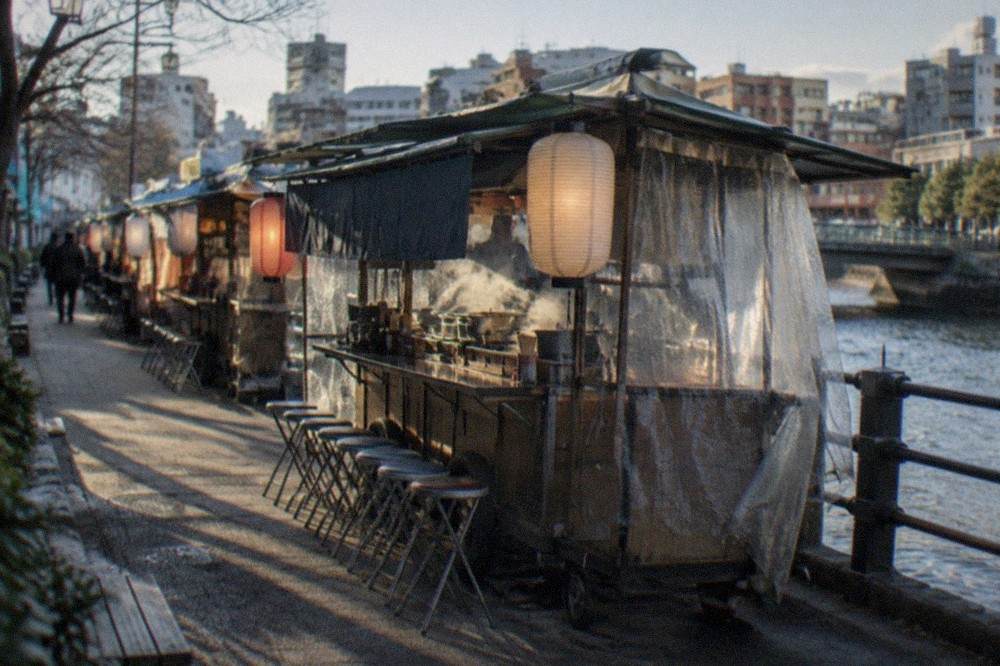
A stall's location does not change its legal obligations, so the price-display rule travels with the cart wherever it sits. What location changes is the crowd, the pace and the mood, and those shape the bill indirectly, because a Nakasu stall beside the water invites a longer, slower evening than a Tenjin stall serving office workers who want a fast bowl and a train home. The Nakasu yatai street page covers the riverside row in detail, and the Fukuoka yatai guide treats all three clusters.
If the free-form stall experience sounds like hard work, there is a structured middle path. A guided evening through the stalls handles the language, the ordering and the route, and the site's yatai tours guide compares the options. One of them, the Fukuoka Nishinakasu Japanese sake tasting with three appetizers, is rated 4.6 from 7 reviews and runs about two hours from $51 per person, a fixed-price format that suits anyone who wants the evening costed in advance rather than assembled bowl by bowl.
A word on etiquette, because it is the other thing people fear will cost them. The rules of a yatai counter are simple and social rather than financial: do not linger excessively after finishing when others are waiting, keep conversation with the cook, and follow the stall's lead on ordering. None of that carries a fee. The etiquette answer page covers the customs properly, and the short version is that good behaviour is free everywhere.
How to Keep the Bill Sensible at a Yatai?
Treat the stall like any posted-menu restaurant and the bill stays modest almost automatically. Read the prices on the cart before sitting, decide roughly what you want before the cook asks, and remember that drinks and extra bowls, not the ramen, are what lift the total. Go on a dry evening rather than a wet one, carry cash, and pick the cluster that matches the night you want: Nakasu to linger, Tenjin for a quick local bowl, Nagahama for the ramen tradition.
None of that is trickery, and none of it needs a guide's insider list. The single most effective habit is the one the ordinance makes possible: look at the posted menu first. Everything after that is ordinary restaurant behaviour, and the format itself enforces moderation, because a cart with a handful of seats turns over quickly and a long, expensive session is physically awkward.
For context on how a yatai evening fits a wider Fukuoka food budget, the city's street food and general food scenes place the stalls among the shops and markets around them, and the Tokyo comparison answers the bigger cost question visitors usually arrive with. This Fukuoka Japan Travel Guide treats the yatai as the city's signature food format, which is what they are.
Common Questions About Yatai Ramen Costs
Is Yatai Ramen Expensive?
No. A bowl at a yatai is a modest purchase by Japanese eating-out standards, and Fukuoka's Yatai Basic Ordinance requires every stall to post its prices visibly, so you know the cost before you sit. The bill grows through drinks, sides and time, not through hidden charges.
Do yatai charge a seating fee or cover charge?
No city-mandated seating charge exists in the ordinance, and no standard cover charge appears in official materials. If a stall displays prices, those displayed prices are the whole story. Anything not posted is worth asking about before ordering, which is easy to do by pointing.
Can I book a yatai stall in advance?
No. Yatai take walk-ins and cannot be reserved, so there is nothing to book and no reason to. Only guided yatai crawls are bookable, and those are tours with a guide, not stall reservations.
Can I pay by card at a yatai?
It varies stall to stall. Traditional operations were cash-first, and some stalls now accept cards or QR payments through newer systems. Carrying cash is the safe assumption for any yatai evening.
Which yatai area is cheapest: Nakasu, Tenjin or Nagahama?
None is a bargain district and none is a rip-off district. The price-display ordinance applies identically to all three clusters, so read the posted menu at any stall before sitting. The areas differ in atmosphere, not in price rules.