Is Nagoya or Fukuoka Better?
A head-to-head comparison of Nagoya and Fukuoka on food, transport, day trips and cost, to help you decide which Japanese city suits your trip.
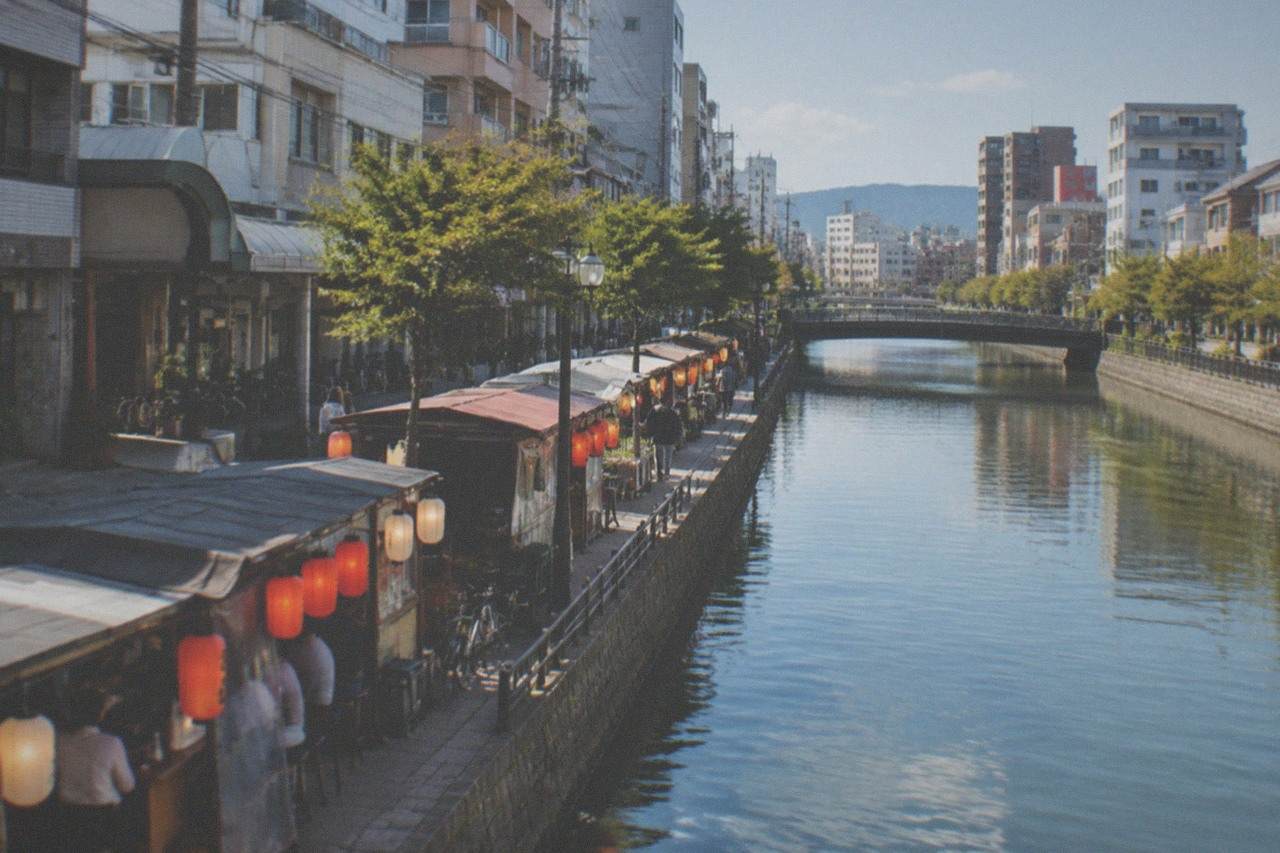
Two Japanese cities that rarely appear on the same itinerary, Nagoya and Fukuoka attract travellers for opposite reasons. Nagoya is the country's fourth-largest urban area, a manufacturing and logistics hub that most visitors pass through on the Tokaido Shinkansen line between Tokyo, Kyoto and Osaka. Fukuoka is the largest city on Kyushu, a port town on Hakata Bay facing the Genkai Sea, closer to Seoul and Busan than to Tokyo in flying time. Comparing them fairly means comparing two different kinds of trip: the well-connected central stop versus the western gateway that most travellers under-rate until they arrive.
Is Nagoya or Fukuoka Better?
For most leisure travellers, Fukuoka is the better pick: it has a more distinctive food culture, a more compact and walkable centre, easier airport access, and day trips into volcanic Kyushu that Nagoya cannot match. Nagoya wins if your itinerary is anchored on the Golden Route between Tokyo, Kyoto and Osaka, or if you want castles, Toyota-related attractions and central Honshu position above all else. Neither city is a wrong choice, but they reward different trips.
The comparison deserves more than a verdict, though, because the two cities serve completely different plans. Nagoya's strength is geography. It sits on the main shinkansen spine, so a visitor can sleep there and day-trip to Kyoto, Osaka, Kanazawa, Takayama, Ise and the Nakasendo trail posts, all within roughly ninety minutes to two hours by train. That is a genuinely formidable base, and no honest comparison should pretend otherwise.
Fukuoka's strength is character. It is a food city first: the birthplace of tonkotsu ramen, home of the yatai street stalls, the place where motsunabe and mentaiko became everyday dishes. Its centre is small enough that Hakata Station, Tenjin, Nakasu and Ohori Park sit within a short subway ride of each other, and the city's own numbers back its rise. Fukuoka grew by 3.2 percent between the last two national censuses, the highest growth rate of any of Japan's designated cities, and its population now stands at 1,663,892. People are moving there, which says something that guidebook adjectives cannot.
Here is how the two cities stack up on the questions that usually decide it:
| Question | Nagoya | Fukuoka |
|---|---|---|
| Best for | Honshu Golden Route trips, Kyoto and Osaka in reach | Food, compact centre, Kyushu exploration |
| Signature food | Miso katsu, hitsumabushi, tebasaki | Tonkotsu ramen, yatai stalls, motsunabe, mentaiko |
| Airport access | Centrair on an island bay, transfer needed | Airport unusually close to centre, ¥260 subway fare |
| Day-trip reach | Kyoto, Osaka, Kanazawa, Takayama, Ise | Mount Aso, Beppu, Takachiho, Dazaifu, Nagasaki |
| City transport | Extensive subway, huge station hub | Three subway lines, ¥640 one-day pass, walkable core |
If you want a deeper read on what the city offers, see what Fukuoka is famous for, and for a similar either-or question with a different rival, our Osaka or Fukuoka comparison covers the same ground against Japan's western metropolis.
Which City Is Easier to Reach and Get Around?
Fukuoka is the easier city to arrive in and move around, and it is not close. Its airport sits unusually near the centre, the subway fare from the airport into the city is a verified ¥260, and the whole urban core fits within a 640 yen one-day subway pass. Nagoya is a bigger rail hub with more long-distance connections, but its airport requires a train or bus transfer and its attractions are more spread out.
Start with arrival. Fukuoka Airport (FUK) is famously close to the city centre, and while the "five minutes to Hakata" claim that appears in almost every competing guide has never been verified on an official page, the fare has been: the airport-to-Hakata leg falls in the 3 to 7 km band of the official subway fare table, which puts it at ¥260. Chubu Centrair, Nagoya's airport, sits on an island in Ise Bay and needs a dedicated airport train or bus to reach the city, so door-to-door the arrival experience is longer and more expensive.
One naming trap catches a lot of first-time visitors, and it is worth clearing up here. There is no JR Fukuoka Station: the city's main rail hub is Hakata Station, and Hakata is a ward of Fukuoka, not a separate city. Travellers who search for "Fukuoka Station" find confusing results because the name simply does not exist, a quirk covered in full in is there a Fukuoka Station.
Within the city, Fukuoka's subway runs three lines, and a one-day pass covering all of them costs ¥640 for an adult, sold at station machines and the tourist information counters at Tenjin, Hakata Station and the airport. The pass also carries discounts at partner facilities on the day of use. A visitor staying in Hakata or Tenjin can genuinely dispense with transit for whole days, since the yatai rows of Nakasu, the Kawabata shopping arcade and Kushida Shrine are all walkable from one another.
For travellers who prefer to be met rather than to navigate a new system with luggage, a private arrival transfer from the airport into the city removes the arrival question entirely. It runs from $149 per person and is rated 5 from 2 reviews on the live listing, and it makes particular sense for late-evening landings, families with children, or anyone arriving after a long-haul flight.
Nagoya is no transit disaster, to be fair. Its subway is extensive, the station complex is one of the largest in the country, and its position on the Tokaido line means Tokyo, Kyoto and Osaka are all under two hours away by shinkansen. If your trip is a Honshu circuit, Nagoya's connectivity is a real asset. But connectivity to elsewhere is not the same as ease within, and on arrival simplicity and everyday walkability, Fukuoka takes it.
For a full picture of the western city's transport, including the subway, the Nishitetsu line to Dazaifu and the IC cards that work on both, our Fukuoka versus Osaka guide includes a transport section that applies here too.
How Do the Food Scenes Compare?
Fukuoka has the stronger and more distinctive food identity: tonkotsu ramen born in the Nagahama and Hakata stalls, about 100 licensed yatai street stalls, motsunabe, mentaiko and goma saba as local staples. Nagoya has its own respected cuisine, including miso katsu, hitsumabushi eel and tebasaki chicken wings, but its food culture is less tied to the streets and less of a destination in itself.
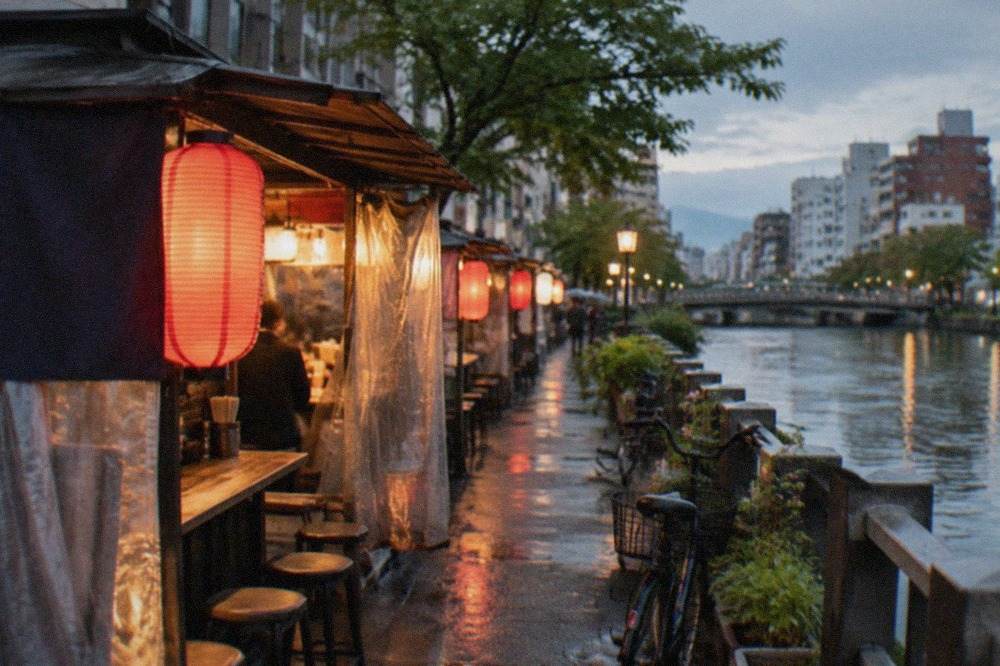
Fukuoka's food case rests on one thing above all: the yatai. About 100 licensed food stalls operate across the city, more than any other Japanese city, concentrated in three areas: Nakasu along the Naka River, Tenjin around the business district, and Nagahama near the old fish market. The city's yatai ordinance, in force since 2013, requires every stall to display its prices where customers can easily see them, and bans the vague "market price" labelling that makes visitors nervous elsewhere. You cannot book a stall, they take walk-ins, and the honest answer on cost is that the city publishes no average, so read the posted prices on site. The rest of the planning pages sit on Fukuoka Japan Travel Guide.
Nagoya's food is real and loved, but it is restaurant food rather than street food. Its miso culture, built on the region's red hatcho miso, gives the city miso katsu, miso nikomi udon and the kishimen flat noodles; hitsumabushi, the eel dish served in three stages, is a Nagoya institution; tebasaki wings are a late-night staple. A dedicated eater will eat well in Nagoya. The difference is that in Fukuoka the eating is itself the sightseeing: an evening walk along the Naka River past lit stalls is the city's signature scene, and a food crawl is a genuinely sensible way to structure a day there.
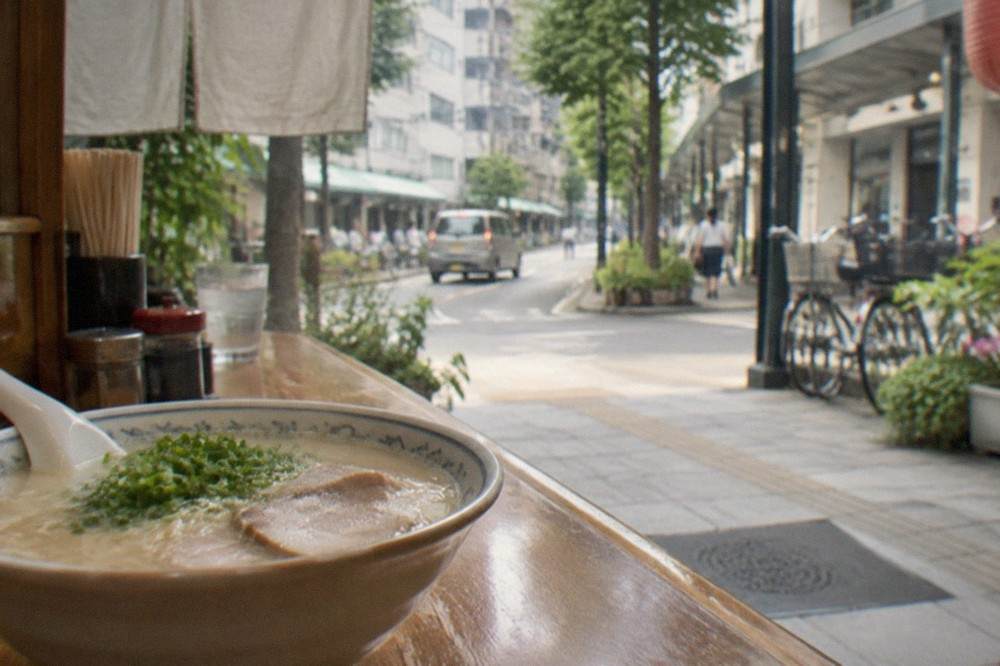
The ramen comparison deserves its own sentence. Tonkotsu ramen, the rich pork-bone broth style now eaten worldwide, originated in Fukuoka, and the kaedama system of ordering an extra noodle refill into your remaining broth is a local custom that still surprises first-timers. Nagoya's noodle identity, kishimen and miso nikomi, is respected but has never travelled the way tonkotsu has.
What About Day Trips from Each City?
Nagoya's day trips are Honshu classics: Kyoto, Osaka, Kanazawa, Takayama, Ise. Fukuoka's are wilder and more varied: an active volcano at Mount Aso, the Beppu hot spring hells, Takachiho Gorge, the Dazaifu shrine town, the Itoshima coast and Nagasaki. If your ideal day trip is a famous city, pick Nagoya; if it is a volcano, a gorge or an onsen town, pick Fukuoka.
The Nagoya list is a roll call of Japan's most visited places. The trade-off is crowds and cost: you will be queueing alongside the same international flow that fills Kyoto and Osaka, and the trips are expensive on the shinkansen. What Nagoya cannot offer is terrain. Central Honshu around the city is mostly plain and coast; the drama lies further into the Japanese Alps, which makes Takayama the standout option.
Fukuoka's day-trip reach is the single most under-rated thing about the city. Within a full day you can reach Mount Aso, one of the world's largest calderas, with its Kusasenri grasslands; the Beppu hot spring "hells" and the onsen town of Yufuin; the basalt cliffs of Takachiho Gorge with its optional boat ride; the canal town of Yanagawa; the shrine town of Dazaifu; the Itoshima peninsula's beaches; and Nagasaki, a full-day trip by any measure. These are not half-day outings dressed up, and a well-planned Kyushu itinerary shows how to chain several of them together.
A guided option makes the volcano realistic without a rental car. The Mount Aso, Kusasenri and Grasslands day tour from Fukuoka runs from $46 per person, is rated 4.7 from 224 reviews, and takes a full day, which is the honest duration for a caldera of that scale.
On pure variety and spectacle, Fukuoka's day-trip radius wins the section. On access to Japan's marquee tourist cities, Nagoya wins. Which matters more depends entirely on whether your trip is a first-time Honshu circuit or a second visit pushing west.
Which City Should You Actually Pick?
Pick Fukuoka if food is a priority, you want walkable streets and a compact centre, your trip extends into Kyushu, or you are arriving from Seoul, Busan or elsewhere in Asia. Pick Nagoya if you are riding the Tokaido corridor, want Kyoto, Kanazawa and Takayama within reach, or have already seen western Japan. Split a longer trip between them only if you have ten days or more.
The decision usually resolves itself once you state your route. A first-time visitor doing Tokyo, Kyoto and Osaka will find Nagoya a sensible, cheaper overnight base with day trips radiating out. A traveller who has done the Golden Route, or who is flying in from Korea or Taiwan, will get far more from Fukuoka, where the airport-to-hotel leg is short, the evenings end at a yatai, and the second and third days open onto volcanoes and gorges rather than more cities.
Cost is often the deciding question, and the honest answer is that neither city is a budget trap by Japanese standards. Fukuoka's verified figures help you plan precisely: the subway one-day pass is ¥640, the airport-to-Hakata fare is ¥260, Fukuoka Tower charges ¥1,000 for an adult, and both city art museums charge ¥200 for their collection galleries with free entry for under-15s. Comparable Nagoya figures are not verified in our research, so we will not print them, but the general pattern travellers report is that the two cities price out similarly, with Fukuoka's street food pulling the eating budget down.
Weather is a quieter differentiator. Fukuoka's climate is mild, with a July mean of 27.4 degrees Celsius and July, not June, as its wettest month at 299.1 mm of rain, a counter-intuitive fact given that June is the tsuyu rainy season. Typhoon season runs roughly July through October on the Genkai Sea side, a real planning factor that Nagoya, tucked inside three bays of terrain, feels less sharply. Neither makes a city unvisitable, but a September or October trip should factor it in.
For readers still weighing the city against other rivals, our pieces on whether Fukuoka is worth visiting and the best area to stay in Fukuoka cover the follow-up questions most travellers ask after this one.
Common Questions About Nagoya or Fukuoka
Is Nagoya Or Fukuoka Better?
For most leisure travellers, Fukuoka, thanks to its food culture, compact centre, easy airport access and Kyushu day trips. Nagoya is better if your trip runs along the Tokyo-Kyoto-Osaka corridor and you want Honshu's famous cities within day-trip range.
Is Fukuoka cheaper than Nagoya?
The two cities price out similarly, but Fukuoka's street food scene, including the about 100 yatai stalls with posted prices, tends to pull the eating budget down. Verified Fukuoka figures include a ¥640 subway day pass and a ¥260 airport fare; we do not print unverified Nagoya prices.
Which city has better food, Nagoya or Fukuoka?
Fukuoka. Tonkotsu ramen, motsunabe, mentaiko and the yatai stall culture give it a food identity that is a destination in itself. Nagoya's miso katsu, hitsumabushi and tebasaki are respected, but the scene is more restaurant-bound.
Is Fukuoka Airport really close to the city?
Yes, unusually close, and the subway fare into Hakata is a verified ¥260. The widely repeated "five minutes" journey time is not verified on any official page, so we do not print a minute figure.
Can you day trip to Kyoto from Nagoya and to Aso from Fukuoka?
Both are realistic. Kyoto is under an hour from Nagoya by shinkansen, and Mount Aso is a full-day tour from Fukuoka, with guided options from $46 per person. Neither should be squeezed into a half day.