Is Osaka or Fukuoka Better?
An honest comparison of Osaka and Fukuoka for travellers: food, transport, day trips, costs and which city suits your trip better.
Is Osaka or Fukuoka Better?
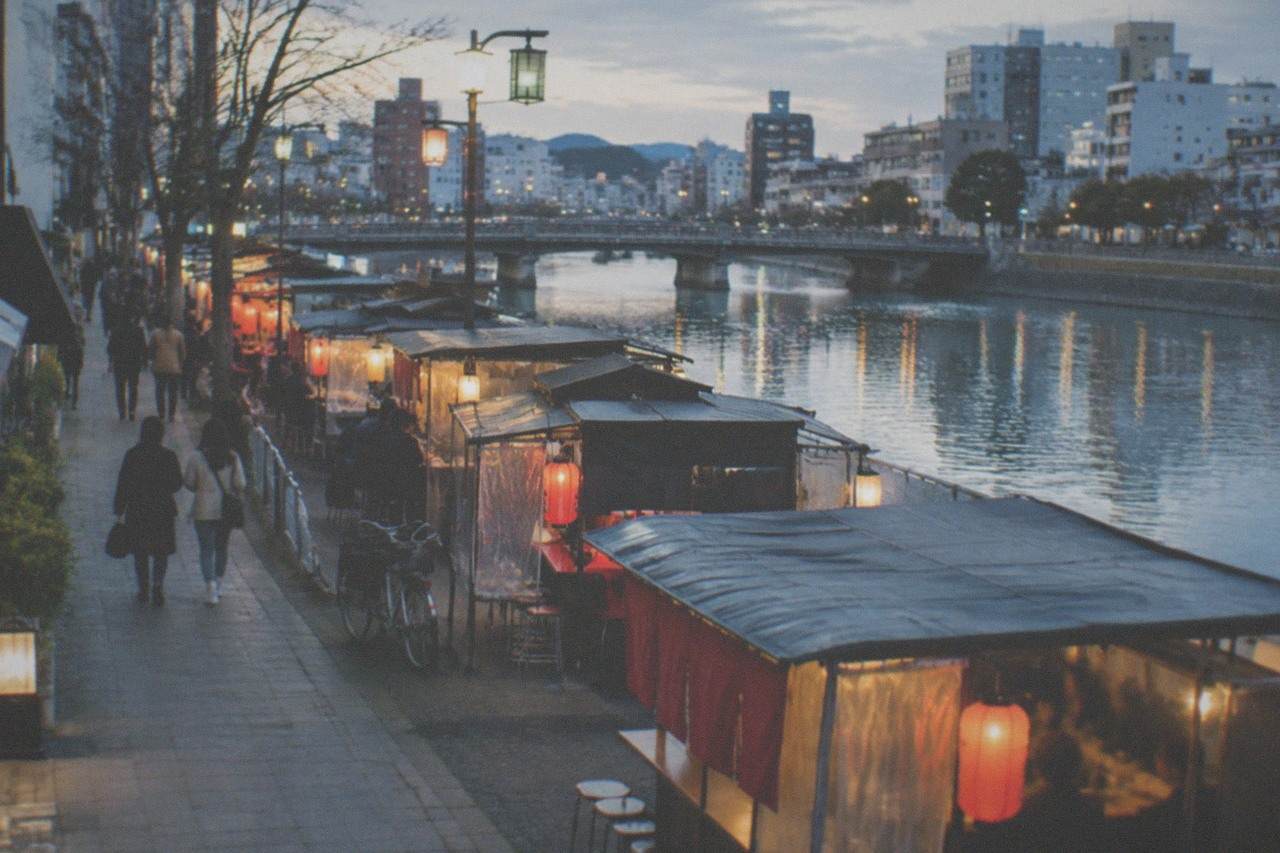
Fukuoka is better for a relaxed, food-first trip with easy access to rural Kyushu, while Osaka is better for travellers who want dense sightseeing, big-city energy and proximity to Kyoto and Nara. Fukuoka is smaller, cheaper to base yourself in and has Japan's closest major airport to a city centre, with a verified ¥260 subway fare into Hakata. Osaka wins on volume of attractions; Fukuoka wins on ease, atmosphere and day-trip variety.
The honest answer is that neither city is objectively better, because they serve two different trips. Osaka is Japan's third-largest urban area, a metropolis of 19 million people in its wider region, stacked with neon districts, theme-park scale attractions and some of the loudest street food culture in the country. Fukuoka, by contrast, is a compact port city of 1,663,892 people on Hakata Bay, on the Genkai Sea side of northern Kyushu, that has quietly become one of Japan's fastest-growing places. The 2025 census quick report put its growth at 3.2 percent since the previous count, the highest rate of any of Japan's ordinance-designated cities.
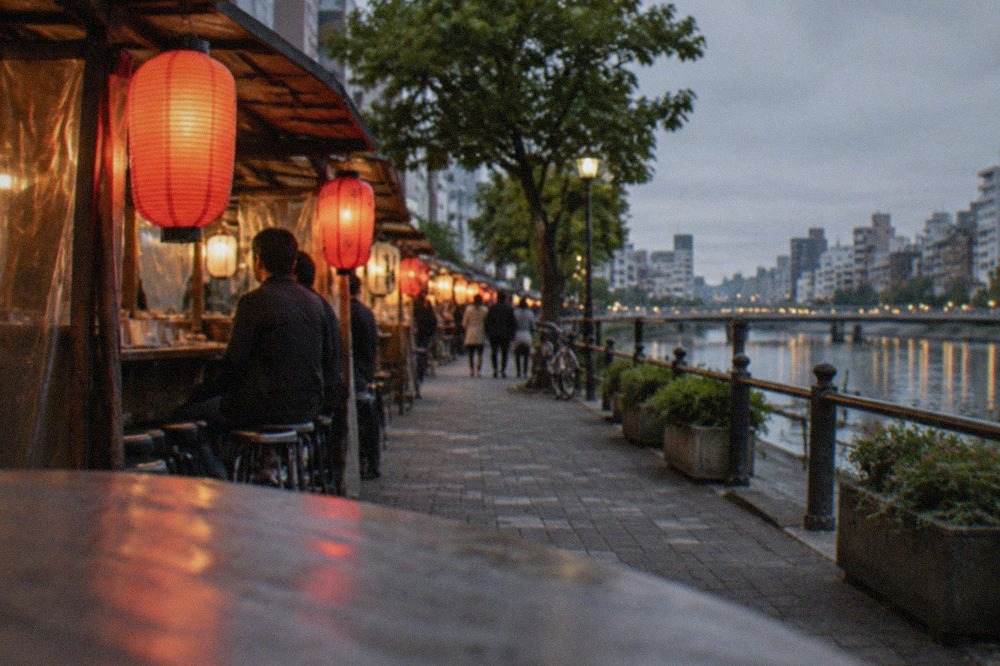
What Fukuoka offers that Osaka cannot match is intimacy. Everything a visitor comes for sits within a short subway ride: the yatai food stalls along the Naka River, the castle ruins at Maizuru Park, Ohori Park's lakeside walk, the tonkotsu ramen shops of Nagahama. Osaka offers scale instead, and scale is genuinely valuable if your itinerary also includes Kyoto, Nara or Kobe, all of which sit on Osaka's doorstep. The deeper comparison, including a head-to-head on food, cost and pace, is covered in the site's Fukuoka vs Osaka comparison guide, and the question of whether Fukuoka justifies the detour at all gets its own treatment in is Fukuoka worth visiting.
A quick way to frame the choice:
| What you want from the trip | Better fit | Why |
|---|---|---|
| Maximum sightseeing density, day and night | Osaka | Bigger city, more districts, more attractions per square kilometre |
| Food as the main event, at a relaxed pace | Fukuoka | Yatai stalls, tonkotsu ramen, motsunabe, all walkable and inexpensive |
| Easy add-ons to other famous destinations | Osaka | Kyoto, Nara and Kobe are short train rides away |
| Rural day trips, coast, onsen and gorges | Fukuoka | Dazaifu, Itoshima, Yufuin, Beppu and Takachiho all radiate from Hakata |
| Simple arrival and a compact base | Fukuoka | Airport unusually close to the centre, ¥260 subway fare to Hakata |
Which City Is Easier to Reach and Get Around?
Fukuoka is the easier city to arrive into and move around, and it is not close. Its airport sits unusually close to the city centre, the subway fare into Hakata is a verified ¥260, and a one-day subway pass costs ¥640. Osaka's Kansai Airport is far further from the centre, and Osaka's rail network, while excellent, is bigger and more complex to learn.
The airport difference is the single biggest practical gap between the two cities, and it is worth understanding precisely, because most guides print a claim this site will not repeat: the "five minutes to Hakata" figure appears everywhere online and no official page verifies it. What is verified is the fare. Fukuoka Airport sits on the subway's Kuko line, and the airport-to-Hakata leg falls in the 3 to 7 km band of the official fare table, which puts the adult fare at ¥260. The airport's closeness to the centre is real and sourced; the specific minute count is not, so it stays out of this article.
One naming trap catches a lot of first-time visitors. There is no JR Fukuoka Station. The city's main station is Hakata, and Hakata is also the name of the ward around it. Hakata and Fukuoka are not two places you travel between: Hakata is a ward of Fukuoka, the same way Umeda is a district of Osaka. A guide that tells you to "get from Hakata to Fukuoka" is telling you to walk across your own hotel lobby. This site keeps a full answer on the question is there a Fukuoka station.
Once you are in the city, Fukuoka's three subway lines cover nearly everything a visitor needs, and single fares run from ¥210 for the shortest hops up to ¥380 for the longest. The one-day pass, sold as the Chikamaru-kun, is ¥640 for adults and ¥320 for children, valid on all three lines from first train to last. Overseas visitors on a short-stay visa can go further: the Fukuoka Tourist City Pass costs ¥2,500 for the city version or ¥2,800 with Dazaifu included, covers subway, buses, trains and ferries for a day, and is sold with a passport check at the counter, a detail most competing guides still miss because they quote prices from years ago. The official pass page lists the coverage and purchase points in full.
If you would rather not navigate the first hour at all, a private arrival transfer from the airport to your accommodation can be arranged in advance.
Osaka's arrival story is the reverse. Kansai International Airport sits on an artificial island well south of the city, and reaching the centre means a longer and pricier express train ride. In exchange, Osaka gives you a far denser rail web once you arrive, including the loop line that circles the main districts. Neither city is difficult. Fukuoka is simply smaller, and smaller is faster to learn.
How Do the Food Scenes Compare?
Both cities are food capitals, but they eat differently. Osaka is famous for takoyaki, okonomiyaki and kushikatsu, eaten standing or in boisterous restaurants. Fukuoka's food identity is tonkotsu ramen, motsunabe hot pot and mentaiko, eaten at riverside yatai stalls, of which the city licenses about 100, more than anywhere else in Japan, under an ordinance that requires every stall to post its prices.
Osaka's nickname, the nation's kitchen, goes back centuries, and its street food is loud, buttery and fun. But Fukuoka's claim is arguably stronger for a traveller who cares about where food came from rather than how famous it is. Tonkotsu ramen, the rich pork-bone broth that conquered the world under the name of its Hakata district, was born here. Motsunabe, a beef offal hot pot, is a Fukuoka winter dish you will struggle to find done properly elsewhere. Mentaiko, spiced pollock roe, is the city's other signature, sold at every souvenir counter in Hakata Station.
The yatai are the part no other Japanese city can replicate. These licensed street stalls, about 100 of them across the city, seat perhaps eight people at a time along the Naka River in Nakasu, in the Tenjin business district and near the old fish market area of Nagahama. The city's yatai ordinance requires prices to be displayed where customers can easily see them, and it bans the vague "market price" wording that lets a bill drift upward, so the honest answer to whether you will be overcharged is that the law says you cannot be. Stalls open in the early evening, occupy their plots until 4 a.m. under city rules, and close for rain and wind, so no two nights look the same. You cannot book a stall; you walk up, you wait, you sit down next to strangers. Guided yatai and izakaya crawls exist for visitors who want a translator and an introduction, which is the only sense in which this food scene is bookable.
Wondering how to build a trip around eating your way through the city?
For planning purposes, a night at a yatai is one of the cheapest memorable meals in Japan, and a bowl of tonkotsu with a kaedama noodle refill is a small outlay for what it delivers. Osaka counters with the sheer variety of its Namba and Dotonbori districts, where the eating never stops and the signage is a spectacle in itself. If your trip is a food pilgrimage with evenings as the highlight, Fukuoka is the better stage. If you want food as one course of a bigger urban feast, Osaka serves that better. The question of what food Fukuoka is famous for gets a full answer elsewhere on this site.
What About Day Trips and Nature?
Fukuoka is the clear winner for day trips into nature and rural Japan. From Hakata you can reach Dazaifu, Yanagawa, the Itoshima coast, Nokonoshima island, and full-day destinations including Yufuin, Beppu, Mount Aso and Takachiho Gorge. Osaka's day trips, Kyoto, Nara and Kobe, are famous but overwhelmingly urban or temple-focused, and the rural options are further away.
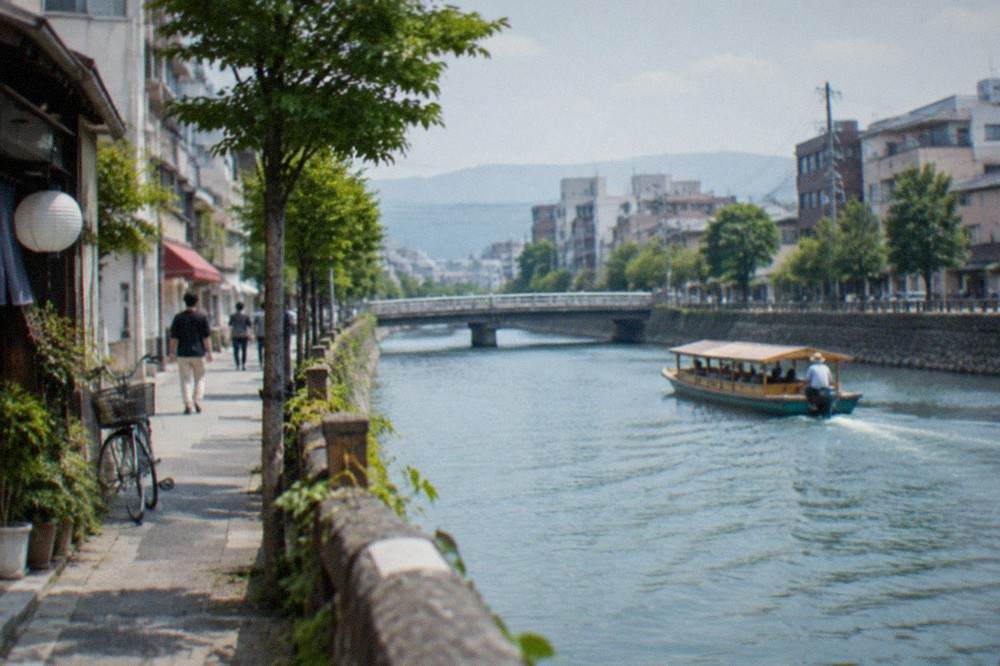
This is where the two cities genuinely diverge. Osaka's neighbours are the most celebrated tourist cities in Japan, and that is a real advantage: no other base puts Kyoto, Nara, Kobe and Himeji within a morning's train ride. But those are cities and monuments. Fukuoka's day trips are landscape. The Itoshima peninsula west of the city gives you beaches, the Sakurai Futamigaura twin rocks in the sea and Shiraito Falls. East and south, the options go deep into Kyushu: the onsen towns of Yufuin and Beppu, the volcanic grasslands of Mount Aso, the boat ride through Takachiho Gorge. These are full-day trips, and the site's day-trip coverage breaks down the realistic travel times.
A useful way to compare the day-trip rosters:
| Day trip from Fukuoka | Type of experience | Time needed |
|---|---|---|
| Dazaifu Tenmangu | Shrine town, plum trees, museum | Half day |
| Itoshima coast | Beaches, seafood, coastal drives | Half to full day |
| Yufuin and Beppu | Onsen towns, hot spring "hells" | Full day |
| Takachiho Gorge | Gorge boat ride, shrines, rural scenery | Full day |
| Mount Aso | Volcano, grasslands, Kurokawa Onsen | Full day |
The weather is a planning factor here in a way it is not for Osaka's temple circuit. Fukuoka's climate is mild, with an annual mean of 17.3 degrees Celsius, but July is its wettest month at 299.1 mm of rain, wetter even than the June tsuyu rainy season, and typhoon season runs roughly July through October. None of that makes the city unvisitable, but a gorge boat ride and a volcano viewpoint are weather-dependent in a way that Kyoto's indoor temples are not, so check forecasts when the trip involves the outdoors.
Which City Should You Choose for Your Trip?
Choose Osaka if your itinerary is a Kansai circuit, if you want maximum attractions per day and if you have never seen Kyoto or Nara. Choose Fukuoka if you have already done the golden route, if food is the point of the trip, or if you want a compact, walkable base with rural Kyushu on the doorstep. A first trip to Japan usually points to Osaka; a second or third trip increasingly points to Fukuoka.
There is also a practical middle path worth naming. The two cities are connected by the Shinkansen, and the site's Osaka to Fukuoka guide covers the ride, so a two-centre trip is entirely realistic: Kansai first, then the bullet train west to finish in Fukuoka, or the reverse if you fly home from Kansai. Travellers weighing Fukuoka against other Japanese cities will also find the site's answer to is Nagoya or Fukuoka better useful. This whole comparison, and every other page on the site, sits under the Fukuoka Japan Travel Guide.
Length of stay matters too. Osaka rewards a packed schedule and can absorb four or five full days without repeating a district. Fukuoka is smaller, and the honest answer to how many days is enough is two to three for the city itself, plus one more for every day trip you add. The site's how many days in Fukuoka is enough answer works through the arithmetic, and a short visit can be covered comfortably in three days with the right plan.
For most travellers asking this question, the deciding factors come down to three: whether this is a first trip, whether evenings matter more than attractions, and whether the day trips you want are cities or countryside. Score those three and the answer usually falls out on its own.
Common Questions About Osaka vs Fukuoka
Is Osaka Or Fukuoka Better?
Neither is objectively better. Osaka suits first-time visitors doing a Kansai circuit with Kyoto and Nara nearby; Fukuoka suits food-focused travellers and anyone who wants rural Kyushu, onsen towns and coastal day trips from a compact, easy base.
Is Fukuoka Worth Visiting?
Yes, for most travellers beyond their first Japan trip. It offers Japan's best yatai street food scene, the birthplace of tonkotsu ramen, unusually easy airport access and the widest range of rural day trips of any major Kyushu city.
How Many Days In Fukuoka Is Enough?
Two to three days cover the city itself, including the yatai stalls, Ohori Park, the castle ruins and the food districts. Add a day each for trips such as Dazaifu, Itoshima or Yufuin and Beppu.
What Is Fukuoka Famous For?
Tonkotsu ramen, motsunabe, mentaiko and the about 100 licensed yatai food stalls, plus Hakata Gion Yamakasa in July, the November Grand Sumo tournament and easy access to rural Kyushu.
Is Fukuoka Cheaper Than Tokyo?
Generally yes, on accommodation and food, though the gap narrows on rail travel. As a base, Fukuoka is one of the more affordable large cities in Japan.