Is It Worth It to Go to Fukuoka in the Winter?
A straight answer on winter in Fukuoka: real JMA temperature and rainfall numbers, what stays open, what closes, and what a cold-season trip actually costs.
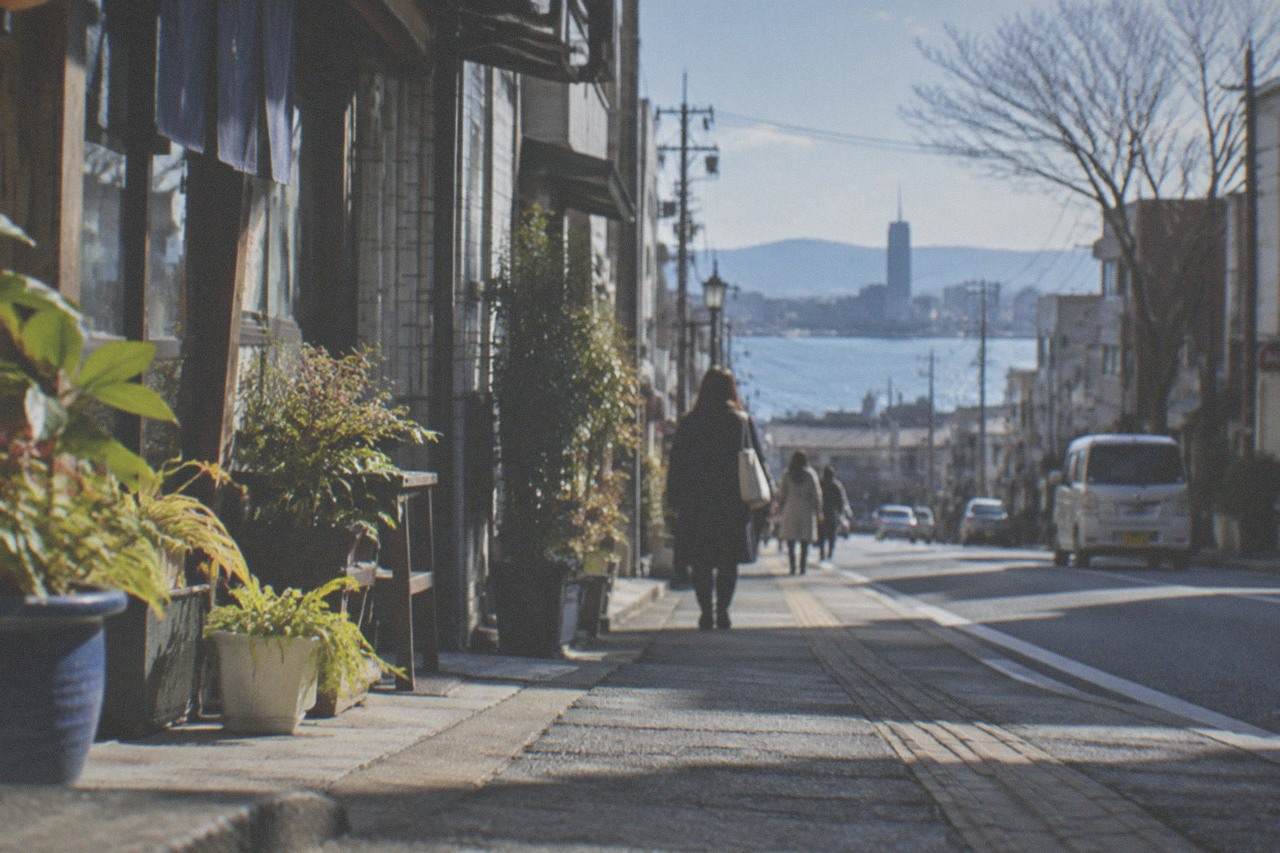
Fukuoka in winter is the city at its most liveable. The crowds that pack Hakata Station in July for the Yamakasa festival are gone, the yatai stalls along the Naka River glow against the dark at 6 p.m., and the Japan Meteorological Agency's own 1991-2020 normals put January rainfall at just 74.4 mm, the second-driest month of the entire year. The honest question is not whether winter Fukuoka is worth it, because it plainly is, but what you trade for the low prices and short queues, and this page answers that with the actual numbers rather than the usual vague cheerleading.
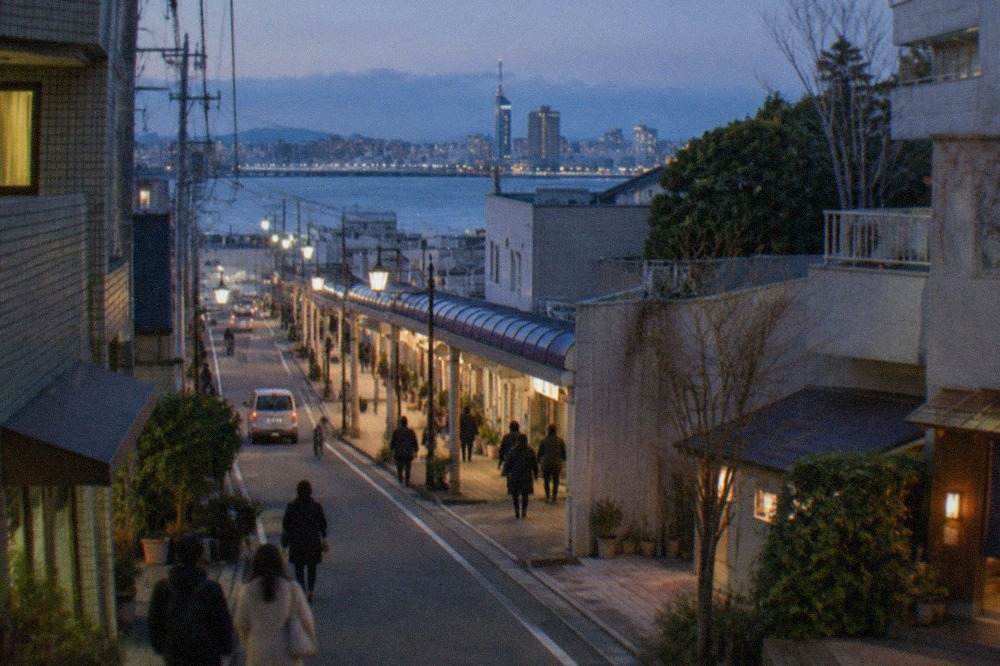
Is It Worth It to Go to Fukuoka in the Winter?
Yes, for most travellers winter is a genuinely good time to visit Fukuoka. December, January and February are among the driest sightseeing months of the year, with 67.5 mm, 74.4 mm and 69.8 mm of rain respectively, against 299.1 mm in July. Mean temperatures sit between 6.9°C and 9.1°C, cold enough for a coat but rarely punishing, and the city's indoor food culture, from yatai stalls to motsunabe restaurants, is built for exactly this weather. The trade-offs are short daylight hours, a few seasonal closures and a subdued festival calendar.
The case for winter starts with a fact that surprises people who only know Fukuoka's summer reputation. July, not the June rainy season, is the city's wettest month at 299.1 mm, while the three winter months are among the driest in the JMA's 1991-2020 normals for the Fukuoka station. Winter is when the sky is most likely to cooperate with your plans.
It is also the low season for hotels and the quiet season at major sights. Fukuoka Castle ruins and Ohori Park are free to wander at any time of year, and in winter you get their bare, skeletal beauty, the castle's stone walls under a clear sky, without the spring hanami crowds or the summer humidity. If you are still weighing the city against other Japanese destinations, the broader case for the city at any time of year is laid out in is Fukuoka worth visiting, and the season-by-season detail, including what to pack, is in the winter in Fukuoka guide here on Fukuoka Japan Travel Guide.
How Cold Does Fukuoka Actually Get?
Fukuoka winters are genuinely mild by Japanese standards, with mean monthly temperatures of 6.9°C in January, 7.8°C in February, and 9.1°C in December, and daily highs of 10.2°C, 11.6°C, and 12.6°C respectively. Overnight lows dip to 3.9°C in January, so pack a real coat, though sustained freezing weather is rare. Winter rainfall of 67.5 mm to 74.4 mm per month, roughly a quarter of July's total, makes it a reliable season for dry sightseeing.
These figures come from the Japan Meteorological Agency's 1991-2020 normals for the Fukuoka observation station, which you can read directly on the JMA normals page. They describe a maritime winter on Hakata Bay, on the Genkai Sea side of northern Kyushu: grey, damp-chilled and occasionally windy, but not the deep-freeze of Hokkaido or even the colder snaps inland Kyushu can take.
| Month | Mean temp | Daily max | Daily min | Rainfall | Sunshine hours |
|---|---|---|---|---|---|
| December | 9.1°C | 12.6°C | 5.8°C | 67.5 mm | 112.2 |
| January | 6.9°C | 10.2°C | 3.9°C | 74.4 mm | 104.1 |
| February | 7.8°C | 11.6°C | 4.4°C | 69.8 mm | 123.5 |
| July (for contrast) | 27.4°C | 31.2°C | 24.6°C | 299.1 mm | 172.2 |
Two practical readings of that table. First, sunshine hours sit near their annual low, at 112.2, 104.1 and 123.5 hours across the three winter months, which with winter's short days means you should front-load outdoor sightseeing before mid-afternoon and keep evenings for food. Second, the low rainfall is a genuine advantage over summer: a winter day here is more likely to be dry than almost any other month of the year, which matters when your itinerary leans on walks through Ohori Park or the shrine approaches of Hakata.
If you are building a short winter break around the city, these three options cover the evening, the indoor and the view-from-above angles of a cold-season day.
What Can You Actually Do in Fukuoka in Winter?
Most of what Fukuoka is famous for keeps running through winter, and some of it improves: yatai food stalls feel most atmospheric in the cold, hot-pot restaurants reach peak season, and the two city art museums charge adults just ¥200. Fukuoka Tower keeps its usual 9:30 to 22:00 hours with last admission at 21:30, ideal for short winter days. The main closure to plan around is the Fukuoka Castle Tenshudai, closed to entry until the end of December 2026 for an archaeological dig.
The tower deserves a specific mention because winter is its best season. The observation decks sit at 123 m, 120 m and 116 m, and on a clear, dry winter evening the view across Hakata Bay is sharper than the hazy summer equivalent. Admission is ¥1,000 for adults, ¥500 for elementary and junior high students and ¥200 for children aged four and over, per the tower's own official charge page, and the annual closure falls on 28 and 29 June, which no winter traveller needs to worry about. The full sightseeing picture is on the Fukuoka Tower page.
A pre-bought tower ticket earns its keep in winter for a simple reason: the decks are busiest in the hour after sunset, which in December arrives before 17:30, and a ticket in hand lets you time your arrival for the window between dusk and the 21:30 last admission instead of queuing at the base in the cold.
Beyond the tower, the winter-friendly list is long. The Fukuoka Art Museum and the Fukuoka Asian Art Museum both charge just ¥200 general admission, with free entry for anyone under 15, and the Asian Art Museum's building is free to enter altogether, with only the Asia Gallery charging. teamLab Forest, the immersive digital art space, is entirely indoors and makes an obvious grey-day plan. The city's shrines and temples, including Kushida Shrine, Tochoji and Shofukuji, keep their grounds open year-round, and Hakata's temple quarter is quiet and atmospheric on a cold morning in a way July never allows.
The one thing you should not do is assume the castle keep base is climbable. The Tenshudai at the Fukuoka Castle ruins has been closed to entry since 26 May 2026 and stays closed until the end of December 2026, while the city excavates following the discovery of a document describing a keep that may never have been built. The rest of the castle park remains free and open, so this costs you one viewpoint, not the whole site, and the story behind the dig is reason enough to visit the castle ruins anyway.
Is Winter Good for Yatai and Food?
Winter is arguably the best food season Fukuoka has. The city's roughly 100 licensed yatai stalls, per Fukuoka City's own count, are at their most appealing when the cold makes a bowl of tonkotsu ramen at a riverside counter feel earned. A city ordinance requires every stall to post its prices visibly, so the bill holds no surprises. Motsunabe, the Hakata beef-offal hot pot, is a winter dish by design, and the season is when the city's izakaya culture makes the most sense.
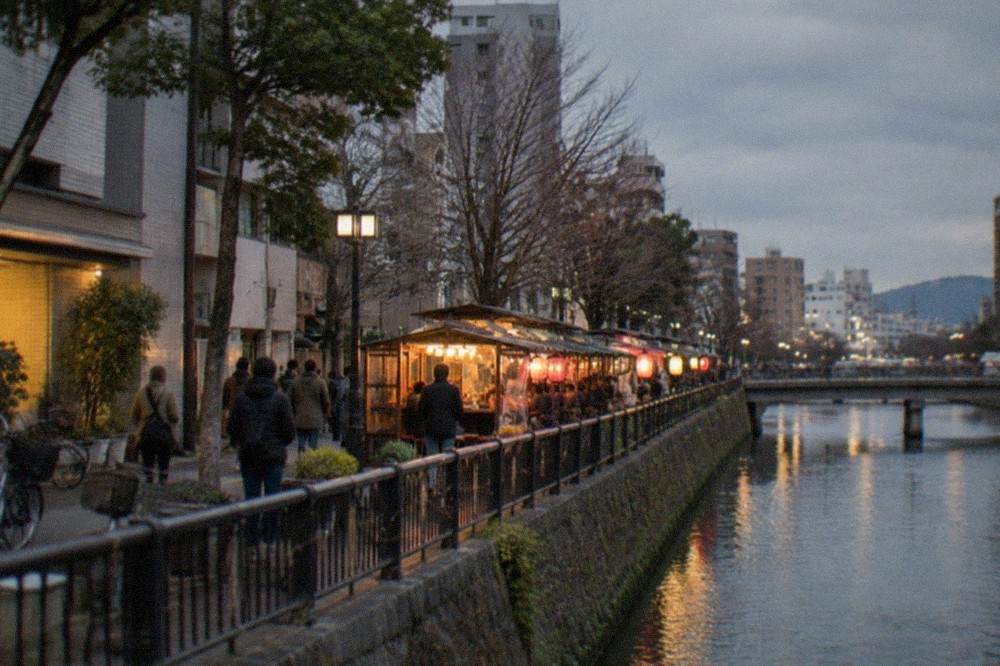
The yatai are the signature winter experience. Fukuoka has more of these licensed street stalls than any other Japanese city, about 100 of them, concentrated in Nakasu along the Naka River, scattered through Tenjin and clustered in Nagahama. They set up from around 17:00 and typically open near 18:00 or 18:30, running into the small hours, which lines up perfectly with a winter day that goes dark before 17:30. Rain and strong wind close many stalls, so the dry winter statistics work in your favour here too.
One honest note on pricing: the city publishes no average per-dish or per-person figure, and this site will not invent one. What is verified is the ordinance side: prices must be displayed where customers can easily see them, and a dish priced on the day's market must show that day's actual price, never a vague "market price" label. City inspectors check periodically. That is a stronger consumer protection than most street-food scenes anywhere offer.
If you would rather have a guide handle the stall-hopping, there are bookable evening tours, and a guided crawl solves the two real yatai frictions, the language barrier and the seven-to-ten-seat capacity of a typical stall.
What Are the Downsides of a Winter Visit?
The honest costs of a winter trip are short days, a thin festival calendar and a handful of weekday and seasonal closures at museums, none of which is severe. Daylight shrinks to roughly ten hours in late December, so sightseeing needs a tighter structure than in May or June. The big festivals, Yamakasa in July and Dontaku in May, are months away, though the New Year period brings its own shrine-visit rituals, and the November sumo tournament has already finished by the time winter begins.
Closures deserve a short checklist. Both city art museums close on a fixed weekday, Mondays for the Fukuoka Art Museum and Wednesdays for the Asian Art Museum, plus year-end blocks in late December and early January. The Ohori Park Japanese Garden, a lovely winter walk when its maples hold late colour, closes Mondays and from 29 December to 3 January. If your trip spans the New Year holiday, expect the museum-and-gallery tier of the city to thin out while the shrines, temples and food scenes run at full tilt.
The flip side of the thin festival calendar is the New Year experience itself. Hakozakigu's Tamaseseri ball-scramble falls on 3 January, and the year's first shrine visits fill Hakata's temples with a local crowd you otherwise never see. Early November visitors get a different set of advantages, laid out in Fukuoka in November, where the autumn colour and the sumo tournament overlap; winter trades those for low season prices and empty pavements.
How Much Does a Winter Trip Cost?
A winter trip to Fukuoka is cheaper than the same trip in spring or summer, mostly through hotel rates rather than attraction prices, which barely move. The subway costs ¥210 to ¥380 per single ride depending on distance, a one-day subway pass is ¥640, and the Fukuoka Tourist City Pass is ¥2,500 for the city version or ¥2,800 with Dazaifu included, with a passport check at the counter. The city's major free sights, the castle park, Ohori Park and the shrines, cost nothing in any season.
The Tourist City Pass is worth a paragraph because most competing guides still quote a stale ¥820 or ¥1,340 price. The verified figures are ¥2,500 for the Fukuoka City version and ¥2,800 for the city-plus-Dazaifu version, and the pass is restricted to overseas tourists on a short-stay visa, with your passport checked at purchase. It covers unlimited subway, bus, train and ferry rides for one day, though the Dazaifu liner bus called Tabito is excluded from the Dazaifu version.
| Winter budget item | Typical figure | Notes |
|---|---|---|
| Subway single fare | ¥210 to ¥380 | Six distance zones, child fares roughly half |
| Subway one-day pass | ¥640 | All three lines, valid on the day of purchase |
| Tourist City Pass | ¥2,500 / ¥2,800 | Passport required, overseas short-stay visitors only |
| Fukuoka Tower | ¥1,000 / ¥500 / ¥200 | Adult / school child / age 4 and over |
| City art museums | ¥200 / ¥150 | General and student, under 15 free |
| Ohori Park Japanese Garden | ¥250 / ¥120 | Adult and child, 65 and over free |
Add the food layer and the winter picture stays favourable. A yatai evening or a motsunabe dinner is the same price in January as in July, but the low-season hotel rates in Hakata and Tenjin typically drop well below their spring peaks, and that is where the real winter saving lives.
So, is it worth it? The numbers say yes: the driest sightseeing months of the year, mild cold, ¥200 museums, free parks and shrines, and a food scene that winter improves rather than interrupts. If your dates are flexible, these are the three experiences that best match what the season itself offers.
Common Questions About Visiting Fukuoka in Winter
Is It Worth It To Go To Fukuoka In The Winter?
Yes. Winter is Fukuoka's driest sightseeing season, with 67.5 mm to 74.4 mm of rain per month against 299.1 mm in July, mild mean temperatures of 6.9°C to 9.1°C, low-season hotel prices and a food culture built for cold weather. You trade short days and a thin festival calendar for all of that.
Is Fukuoka too cold in winter?
No. Mean temperatures run from 6.9°C in January to 9.1°C in December, with daily maxima above 10°C in all three winter months. Overnight lows reach about 3.9°C at the coldest, so a warm coat suffices, and heavy snow is rare.
Do the yatai food stalls open in winter?
Yes. The roughly 100 licensed stalls set up from around 17:00 and typically open near 18:00 or 18:30, and winter is their natural season. Individual stalls close at the operator's discretion and in rain or strong wind, and the city mandates no fixed closing day, so some nights are quieter than others.
What is closed in Fukuoka in winter?
The main items are weekday closures at the museums, Mondays at the Fukuoka Art Museum and Wednesdays at the Asian Art Museum, plus year-end holiday blocks, and the Fukuoka Castle Tenshudai, closed to entry until the end of December 2026 for excavation. Shrine and temple grounds, Ohori Park, the castle park and the tower stay open.
Is winter cheaper than other seasons in Fukuoka?
Generally yes, through hotel rates rather than attraction prices. Subway fares, museum admission and food prices hold steady year-round, while low-season accommodation in Hakata and Tenjin typically drops well below spring and summer peaks.