Yanagabashi Rengo Market
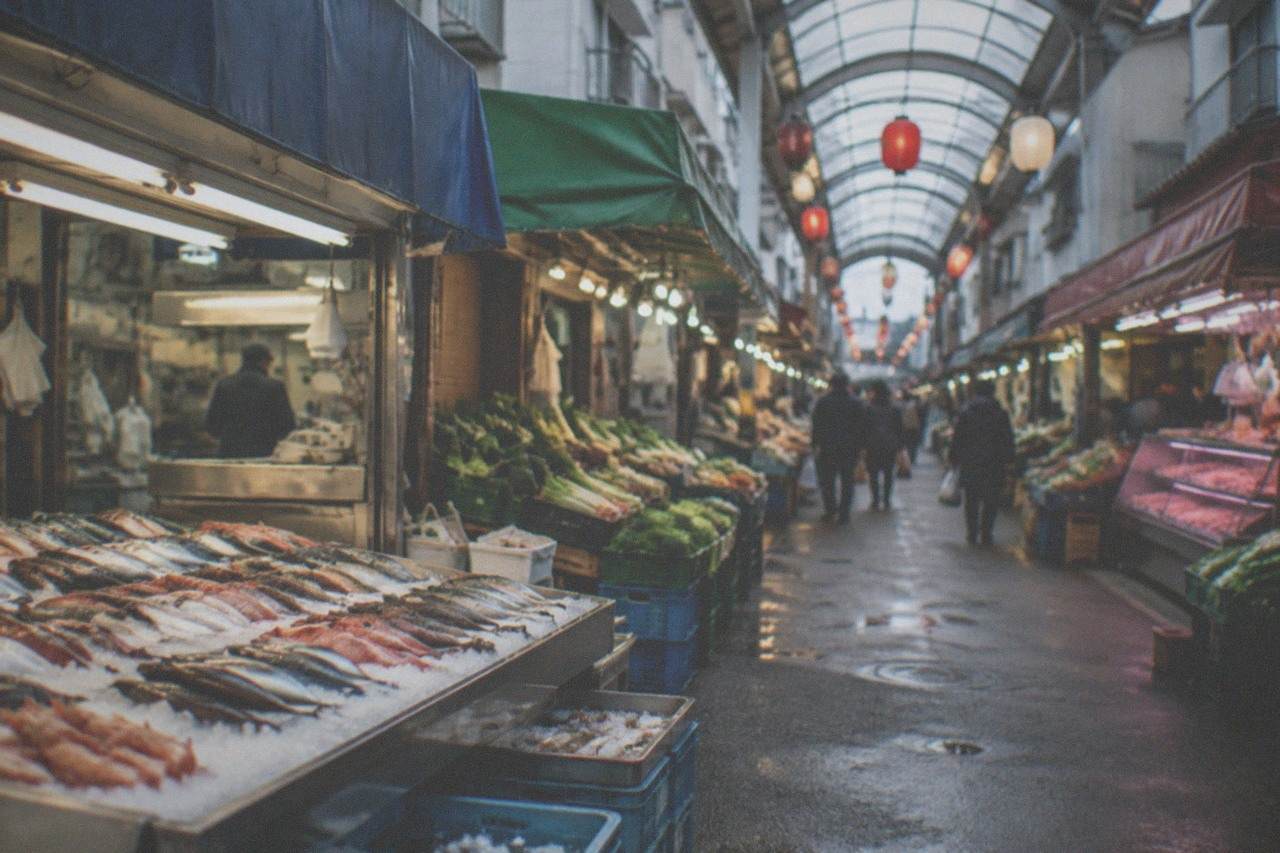
Yanagabashi Rengo Market is a narrow covered arcade of fishmongers, pickle sellers and tiny cooked-food counters a short walk from Hakata Station, and it is where Hakata cooks have shopped for generations.
Short answer
Yanagabashi Rengo Market is worth visiting if you want to see the working food culture behind Hakata's restaurants rather than another polished attraction. Entry is free, it sits within walking distance of Hakata Station and Kushida Shrine, and its signature dish is goma-saba, sesame-marinated mackerel. Expect a short visit of thirty to sixty minutes rather than a half-day.
Yanagabashi Rengo Market is the kind of place that does not appear on many first-visit lists, which is precisely why locals defend it so fiercely. A narrow, covered arcade of fishmongers, vegetable stalls, pickle barrels and six-seat cooked-food counters, it sits in the Kamikawabata district between Hakata Station and the Naka River, and it has supplied the kitchens of Hakata's restaurants for longer than most of the city's headline attractions have existed. People call it "Hakata's kitchen", and the nickname is earned rather than marketed. This page explains what the market actually is, what to eat there, how to reach it, and whether it deserves a slot in a crowded itinerary.
What Is Yanagabashi Rengo Market?
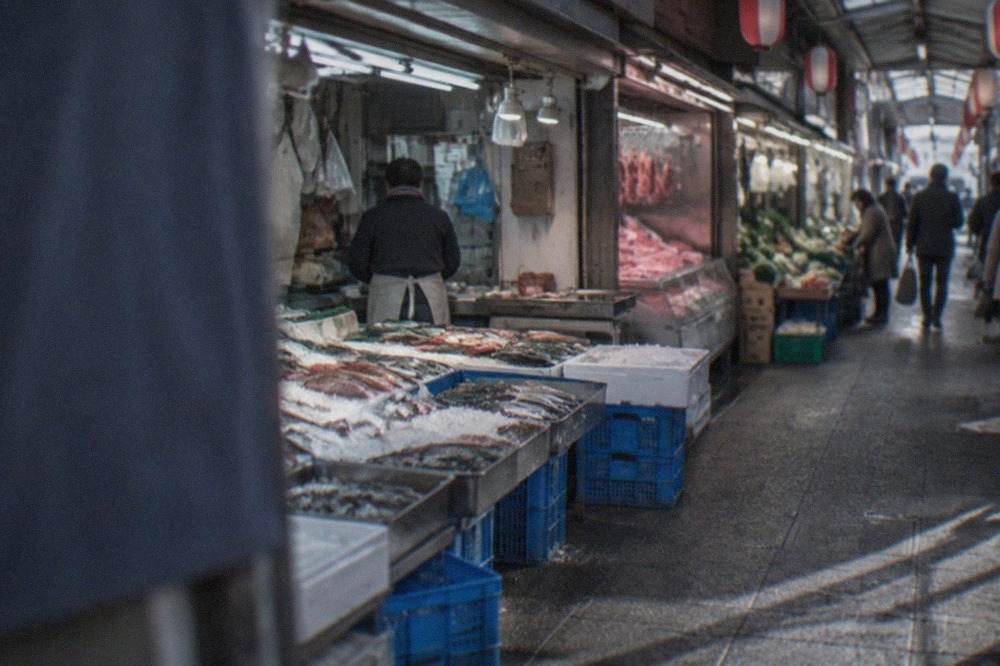
Yanagabashi Rengo Market is a small, roofed shopping street of independent food shops in Hakata ward, Fukuoka, roughly ten minutes on foot from Hakata Station and even closer to Kushida Shrine, and it is best understood as a working larder rather than a tourist attraction. It is not a single market hall with one operator but a federation of separate family-run businesses, which is what "rengo", meaning union or federation, refers to in the name. The arcade specialises in the raw ingredients of Hakata cooking: fresh and dried fish, pickles, seaweed, dashi stock components, and ready-to-eat dishes sold from counters too small for a queue. It is a working market first and a sightseeing stop second, and that ordering matters. Vendors sell to restaurant buyers in the morning and to household shoppers all day, so the atmosphere is practical rather than performative. Nothing here is staged for cameras, no stall sells branded merchandise, and the only entertainment is watching people who genuinely know fish argue over it.
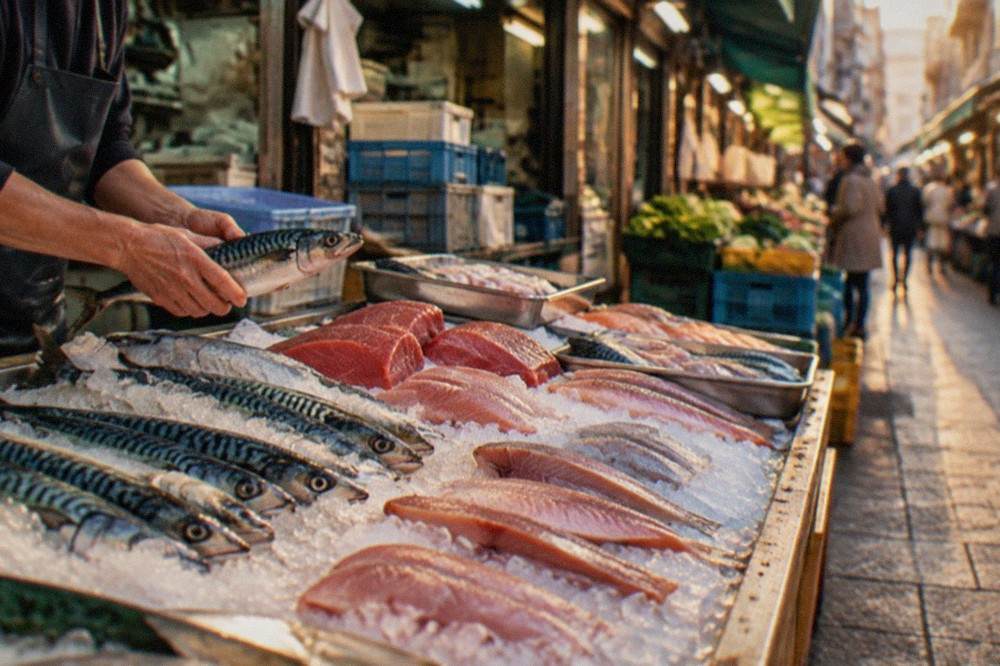
The market's reputation rests on seafood, and the geography explains why. Fukuoka sits on Hakata Bay on the Genkai Sea side of northern Kyushu, historically one of Japan's richest inshore fishing grounds, and the city's wholesale fish trade grew up around this neighbourhood long before the modern station district enclosed it. The old Nagahama fish market, a few blocks away, is gone, and Yanagabashi inherited much of its retail role. That inheritance is why the arcade still feels closer to a working port town than to a city-centre shopping street, even though the skyscrapers of the Hakata Station area now rise directly behind it.
One point of naming worth getting right before anything else: Hakata is a ward of Fukuoka and the name of the city's main station, not a separate city. There is no JR Fukuoka Station; the station is Hakata. So the market is not "between Hakata and Fukuoka", it is simply in central Fukuoka, in the Hakata ward, a distinction that matters when you are reading maps and train signs. For a wider sense of what the city offers beyond its food streets, see is Fukuoka worth visiting.
Is Yanagabashi Rengo Market Worth Visiting?
Yes, but mainly if you like food markets as working places where locals shop rather than attractions built for tourists. Yanagabashi Rengo Market is a traditional shopping arcade with plenty of eating options, and it can make a fun stop for a couple of hours. Just do not expect polish: English signage is limited, seating areas are scarce, and there is no defined visitor route through the stalls. The honest case for going is that Yanagabashi shows you the supply side of the cuisine you will eat everywhere else in Fukuoka: the mentaiko before it is packed into souvenir jars, the mackerel before it becomes goma-saba, the dashi ingredients before they land in a bowl of udon. It costs nothing to enter, it takes under an hour to see properly, and it sits conveniently beside several sights you are probably already visiting. The honest case against is that it is small, cramped, mostly Japanese-language, and short on things to do beyond looking and eating, so a visitor who wants structure and commentary will get more from a guided evening than from wandering alone.
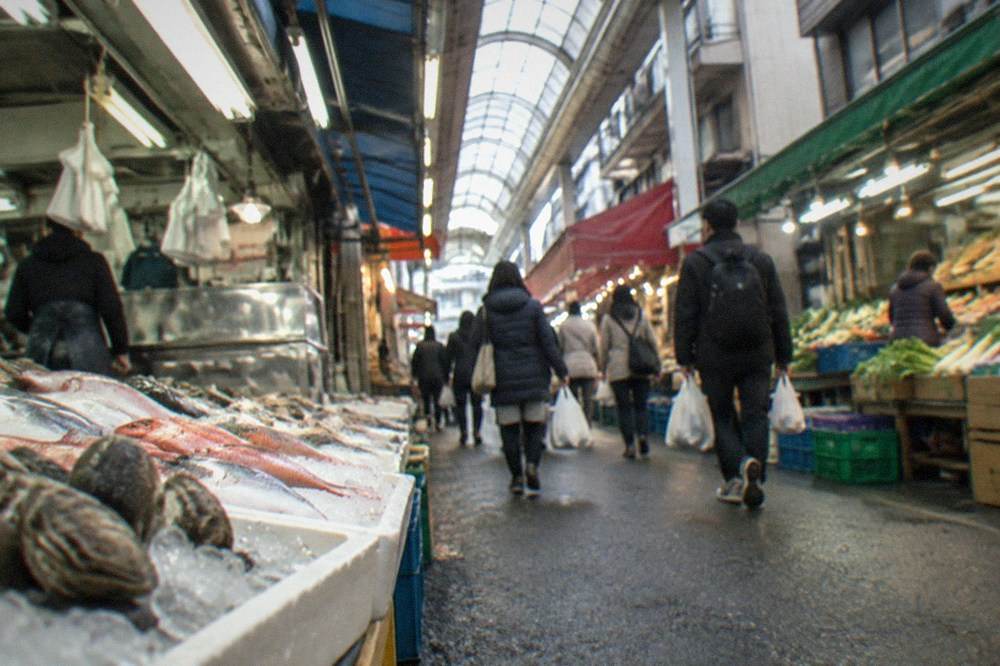
The market rewards a particular kind of traveller. If you photograph wet fish with enthusiasm, enjoy pointing at things and trusting the vendor to hand you something good, and do not require a chair to enjoy lunch, it will be a highlight. If your ideal morning is a museum with captions, budget your time elsewhere. A useful compromise for many visitors is to treat Yanagabashi as a walk-through on a route that also takes in Kushida Shrine, the Kawabata shopping arcade and the Naka River, rather than as a destination in itself. That routing costs nothing extra and turns the market's small size from a limitation into a convenience.
Worth noting too is what the market is not: it is not a tourist trap in the usual sense. Prices are posted, as they must be across Fukuoka's food stalls and shops under the city's yatai ordinance and general retail practice, and the posted-price rule the city enforces on its street stalls reflects a local culture of visible pricing that the market shares. Vendors here sell to repeat local customers, which is the strongest discipline against tourist pricing there is. Nobody in the arcade depends on one-time visitors for a living.
What to Eat at Yanagabashi Rengo Market?
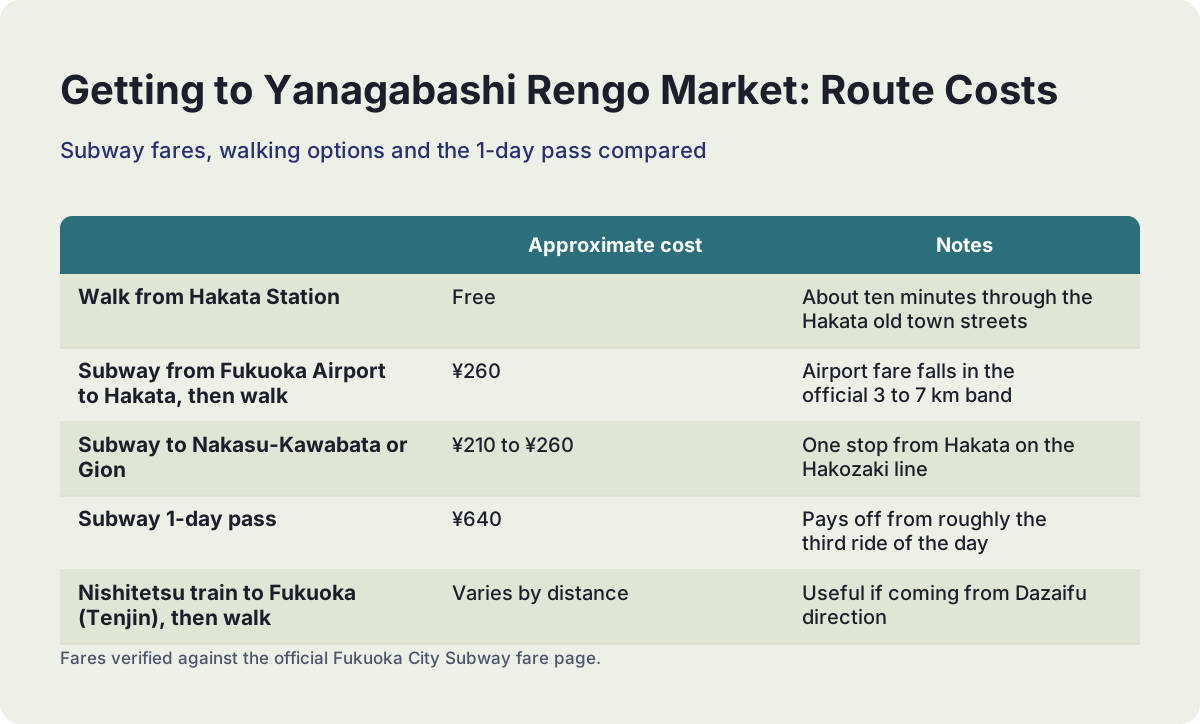
The signature dish is goma-saba, raw mackerel cured in a sesame-soy dressing, and the arcade is the traditional home of Hakata's best-known versions; beyond it, look for grilled and dried fish, mentaiko, pickles and small cooked dishes sold by the piece. Goma-saba deserves the headline because it is a dish the market effectively owns. Mackerel does not keep, so it has to be cured to be eaten raw safely, and the sesame dressing masks the faint oiliness that puts some people off the fish. Market shops prepare it daily and sell it by the pack to eat on the spot or take away, and the versions here are the ones local cooks measure all others against. Mentaiko, pollock roe spiced in the Hakata style, is the city's other defining food and the arcade sells it fresh from specialist counters rather than in souvenir packaging.
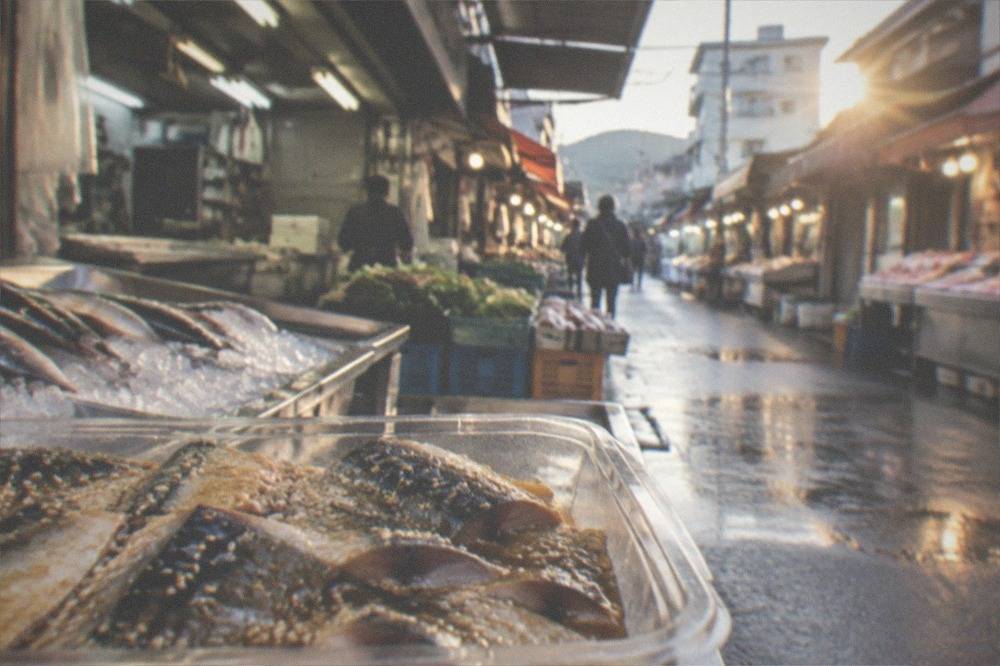
A practical note on eating here: this is a buy-and-stand market more than a sit-down one. Some shops have a stool or a ledge; few have anything resembling a restaurant. The standard move is to buy two or three small things from different counters and eat them as you walk, or carry your purchases to a bench by the nearby Naka River. Vendors will often heat grilled items for you if you ask, and pointing works as an ordering method everywhere in the arcade. English is limited, but food is a shared language here and the transactions are simple ones.
| Food | What it is | Why get it here |
|---|---|---|
| Goma-saba | Raw mackerel cured in sesame and soy dressing | The market's signature dish, prepared daily by specialist shops |
| Mentaiko | Spiced and seasoned pollock roe, Hakata style | Sold fresh from the counter, not vacuum-packed for souvenirs |
| Grilled fish | Salt-grilled mackerel, sea bream and seasonal catch | Often cooked to order and eaten standing |
| Dried fish and shiokara | Air-dried fish and salted innards, classic izakaya fare | The same products Hakata's bars buy from these shops |
| Tsukemono | Pickled vegetables in local styles | Sold by weight from barrels and trays |
| Dashizakana | Small cooked side dishes ready to eat | Cheap, fast and made for the neighbourhood's own tables |
For the wider food context, from tonkotsu ramen to motsunabe, the Fukuoka markets guide covers how this arcade fits into the city's broader shopping and eating geography.
How to Get to Yanagabashi Rengo Market?
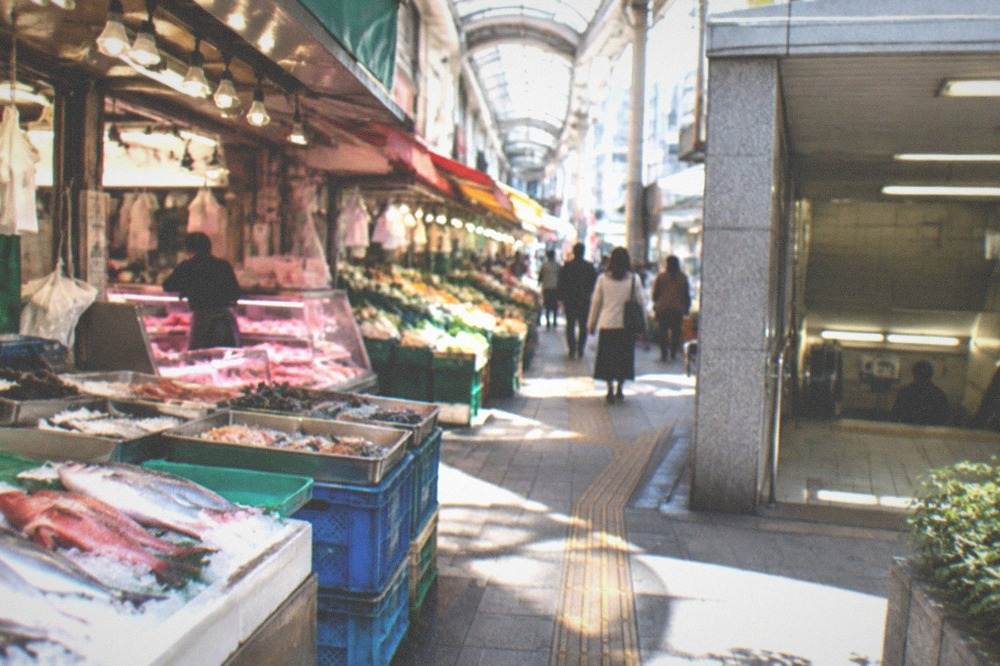
The market is a short walk from Hakata Station and from Nakasu-Kawabata subway station, and the simplest route for most visitors is the subway to Nakasu-Kawabata or Gion, both within a few minutes on foot of the arcade. Fukuoka's subway is the easiest rail system in Japan for visitors: three lines, all signed in English, with single fares starting at ¥210 for journeys up to 3 km and rising by distance band to ¥380 at over 19 km, per the official fare table. Nakasu-Kawabata and Gion stations both sit on the Hakozaki line, one stop from Hakata in either direction, and both put you within an easy walk of the market. If you are already in the Hakata Station area, walking is quicker than the subway: the arcade sits between the station and the Naka River, and the route passes through the Hakata old town streets.
| Route | Approximate cost | Notes |
|---|---|---|
| Walk from Hakata Station | Free | About ten minutes through the Hakata old town streets |
| Subway from Fukuoka Airport to Hakata, then walk | ¥260 | Airport-to-Hakata fare falls in the official 3 to 7 km band |
| Subway to Nakasu-Kawabata or Gion | ¥210 to ¥260 | One stop from Hakata on the Hakozaki line |
| Subway 1-day pass | ¥640 | Pays off from roughly the third ride of the day |
| Nishitetsu train to Fukuoka (Tenjin), then subway or walk | Varies by distance | Useful if coming from Dazaifu direction |
The airport deserves a specific mention because Fukuoka Airport is unusually close to the city centre, closer than almost any other major Japanese airport to its downtown, which is why so many visitors reach the market within an hour of landing. The subway fare from the airport to Hakata is ¥260, verified against the official fare bands, and the airport station sits directly on the Kuko line. One caution: many guides print a journey time in minutes for this leg, and no official page states one, so plan by fare and transfer rather than by a promised minute count. If you would rather not navigate the subway with luggage, a private arrival transfer can take you from the airport straight to your hotel before you set out on foot.
The subway's own fare structure is published on the official Fukuoka City Subway fare page, which lists every distance band and the 1-day pass price, and it is worth a look before a day of heavy sightseeing. The ¥640 pass covers all three lines for a calendar day and includes discount partnerships at some attractions, so a day combining the market, Ohori Park and a museum can pay for itself.
When to Visit: Mornings, Days of the Week and Seasons
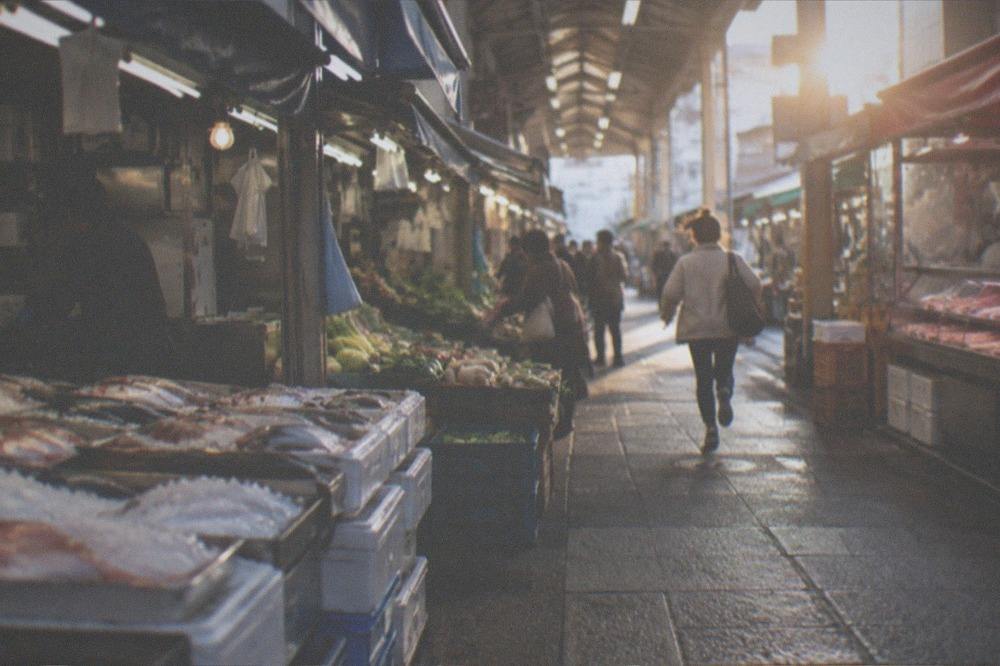
Go in the morning, ideally before noon, because that is when the fish is freshest, the selection is widest and the arcade is at its most active; afternoons are quieter, and some cooked-food counters sell out of their best items by early afternoon. Markets run on the rhythm of their supply, and a market selling raw fish runs hardest on the early hours. The practical consequences for a visitor are simple: morning brings the full display, the busiest energy and the best chance of seeing the arcade as the neighbourhood's working larder rather than as a quiet corridor. Late afternoon shifts the mood as shops begin closing one by one, and there is no single published closing hour because each shop keeps its own. Do not plan an evening visit; this is not the yatai district, and by the time the riverside stalls light their lanterns the arcade has long since shut.
Season matters less here than at outdoor attractions, since the arcade is covered and walkable in any weather, which makes it a genuinely useful rainy-day stop in a city whose wettest month is July, with 299.1 mm of rain against June's 249.6 mm in the Japan Meteorological Agency's 1991 to 2020 normals. That fact surprises visitors who assume the June rainy season, tsuyu, is the wet time to avoid; for Fukuoka it is not. The market's produce does shift with the year, though: autumn brings Pacific saury and matsutake accompaniments, winter brings fugu preparation and crab, and spring overlaps with the cherry blossom season that draws crowds to Maizuru Park and the castle ruins nearby. Any month works; what changes is what is on the ice.
A note on timing around holidays: over the New Year period, Japanese home cooks do their biggest shopping of the year, and markets like this one are at their most crowded and most interesting in the days before January 1. If your trip includes the New Year holiday, the market in late December is a spectacle in itself, with queues of locals buying fish and prepared dishes for the family table. In August, the city's biggest festival, Hakata Gion Yamakasa, is finished, but the summer streets around the market stay lively late into the night.
How Does Yanagabashi Compare with Fukuoka's Other Food Streets?
Yanagabashi is the raw-ingredient market; the yatai stalls are the cooked-street-food experience; the Kawabata arcade is the shopping street; and Yanagibashi's own niche, the supply side of Hakata cooking, is one no other stop in the city covers. Visitors often conflate these, expecting one to deliver all of them, and the confusion leads to disappointment. The yatai, Fukuoka's roughly 100 licensed street stalls concentrated in Nakasu, Tenjin and Nagahama, serve ramen, yakitori and oden to customers seated at the stall, and the city's ordinance requires them to post prices openly, banning vague "market price" labelling, a rule documented on the city's official yatai Q&A page. That is a sit-down dinner culture. Yanagabashi is where some of those stalls and many restaurants source in the first place. The two experiences complement each other, and doing the market in the morning and a yatai in the evening is the natural pairing.
| Stop | What it is | Best for | When |
|---|---|---|---|
| Yanagabashi Rengo Market | Covered arcade of fish and food shops | Raw ingredients, goma-saba, market atmosphere | Morning |
| Nakasu yatai street | Riverside food stalls along the Naka River | Ramen, yakitori, drinking with strangers | Evening |
| Kawabata shopping arcade | Conventional covered shopping street | Souvenirs, cafes, browsing between sights | Any time |
| Yanagibashi's cooked counters | Six-seat stands inside the market | A fast standing lunch of grilled fish | Midday |
| Yanagawa and Itoshima day trips | Coastal and canal food destinations outside the city | A full day of regional eating | Daytime, by tour or train |
The comparison also answers the question of who should skip the market. If your Fukuoka time is one evening only, the yatai are the better use of it, and a guided evening tour that moves through stalls, izakaya and karaoke covers more ground than solo wandering. If you have a morning free and any interest at all in how the city eats, the market wins.
What Else to Do Near Yanagabashi Rengo Market?
The market sits inside the densest cluster of historic sights in Fukuoka: Kushida Shrine is a few minutes away on foot, the Kawabata shopping arcade runs alongside it, and the temples of Hakata old town, including Jotenji and Shofukuji, are all within a short walking loop. This is the strongest practical argument for visiting, because nothing in the neighbourhood requires a train. A sensible two-hour circuit starts at the market, continues down to Kushida Shrine, Fukuoka's most important shrine and the anchor of the Yamakasa festival, then follows the Naka River past the Nakasu yatai stands, and finishes in the Hakata old town lanes around Jotenji, the temple said to be the origin of the city's famous Gion festival connections. The distances involved are measured in minutes of walking, not rides.
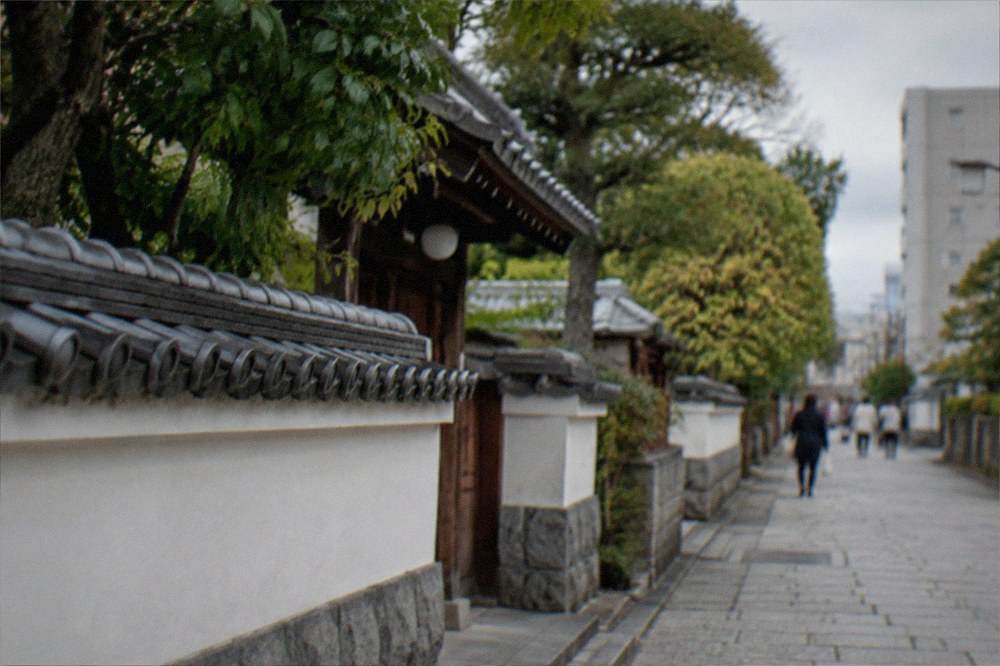
Visitors with more time can extend the loop. The Fukuoka viewpoints guide covers the city's best outlooks, several of which sit a subway ride west of the river, and the castle ruins and Ohori Park area make a natural afternoon after a market morning. For anyone based in the city for several days, the market also makes a good launch point before a regional day trip: the Yufuin day trip guide covers one of the most popular, and a morning of Hakata food shopping followed by an onsen afternoon in the hills is a very Fukuoka way to spend twenty-four hours.
The neighbourhood's evening personality deserves a mention too. By day the arcade is about shopping; by night the same few blocks fill with the yatai stalls, izakaya and bars that make Hakata one of Japan's best cities for an evening walk with a drink in hand. If you enjoy the market, plan to return to the same streets after dark, because the district changes character completely and the contrast is part of the experience.
Practical Tips for Visiting Yanagabashi Rengo Market
Carry cash, go in the morning, expect to eat standing, keep the visit to under an hour, and do not arrive expecting English signage or a tourist infrastructure, because the arcade is a neighbourhood shop street and works best when you meet it on its own terms. Cash remains the dependable method at small Japanese food shops, and while some Fukuoka stalls now accept cards and QR payments, coverage in a market like this is inconsistent shop to shop, so assume notes and coins. Photography is generally tolerated but the shops are workplaces, so ask before shooting a vendor's face or a counter at length. There is no admission fee, no ticket and no fixed route: you simply walk in from either end of the arcade.
| Practical point | The honest answer |
|---|---|
| Admission | Free, no ticket |
| Payment | Cash is the safe assumption; card acceptance varies by shop |
| Language | Mostly Japanese; pointing and cash handle almost every transaction |
| Eating arrangements | Standing or walking; very limited seating |
| Time needed | 30 to 60 minutes |
| Best arrival | Weekday morning, before noon |
| Accessibility | Covered and flat, but the aisle is narrow and can crowd |
| Nearby facilities | Toilets and seating are better sought in the station or river park |
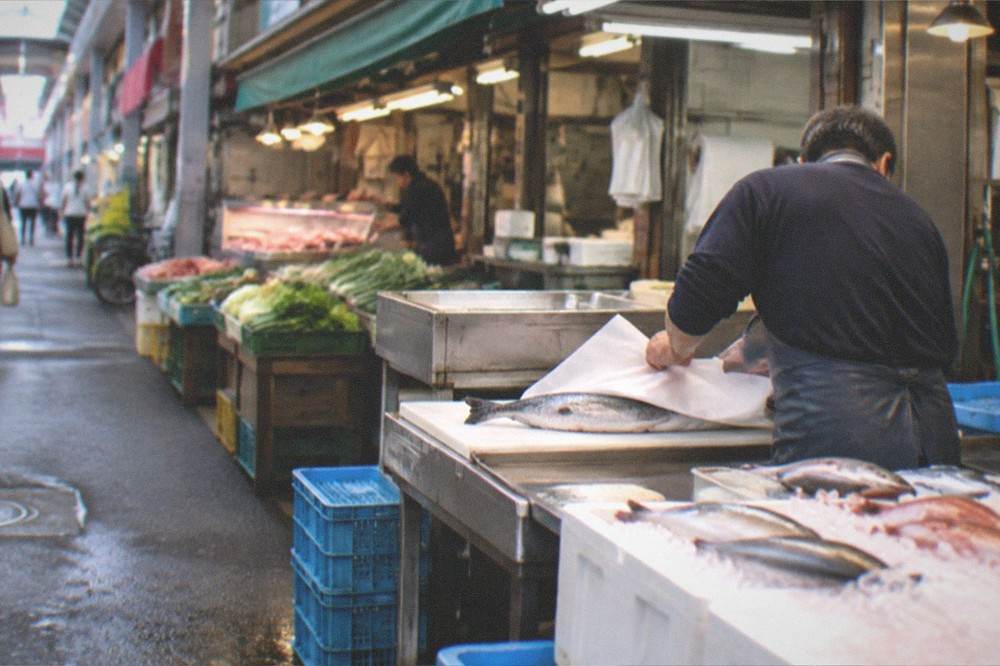
Two final notes. First, the market is a legitimate stop for travellers who care about food provenance, and it is the one place in central Fukuoka where you can see the region's fishing economy at counter level rather than on a plate. Second, it pairs best with the rest of the neighbourhood rather than standing alone: the market, the shrine, the arcade and the river make a coherent half-day that costs almost nothing, which is a rare combination in a major Japanese city. This Fukuoka Japan Travel Guide covers the rest of the city, from Ohori Park to the temples and towers, if the market has earned the city a longer stay.
For travellers who prefer a structured introduction to the city before striking out alone, a half-day essentials tour with a local guide covers the history and culture that gives this market its context, and it pairs naturally with a morning spent here. Whichever way you choose to build the day, the market itself needs nothing booked, nothing paid and nothing planned beyond an early start and a handful of yen.
Common Questions About Yanagabashi Rengo Market
Is Yanagabashi Rengo Market Worth Visiting?
Yes, if you enjoy food markets and want to see where Hakata's restaurants actually shop. The arcade is free to enter, close to Hakata Station and Kushida Shrine, and its signature dish, goma-saba, is worth the trip on its own. It is not a polished attraction: expect a short, cramped, working market rather than a sightseeing venue, and plan thirty to sixty minutes.
What is the most famous food at Yanagabashi Market?
Goma-saba, raw mackerel cured in a sesame-soy dressing, is the dish the market is known for. Shops prepare it daily and sell it by the pack. Mentaiko, Hakata's spiced pollock roe, is the other signature, sold fresh from specialist counters rather than in souvenir packaging.
How do I get to Yanagabashi Market from Hakata Station?
Walk. The arcade sits between Hakata Station and the Naka River, roughly ten minutes on foot through the Hakata old town streets. By subway, take the Hakozaki line one stop to Nakasu-Kawabata or Gion; single fares start at ¥210 for journeys up to 3 km.
When is the best time of day to visit?
Morning, ideally before noon. Fish displays are fullest, the arcade is busiest and the cooked-food counters still have their best stock. Afternoons are quieter and some counters sell out; the market is not an evening destination.
Do I need to speak Japanese to shop there?
No. English signage is limited, but transactions are simple, prices are posted, and pointing at what you want is a fully accepted way to order. Carry cash, since card acceptance varies from shop to shop.
Is Yanagabashi Market good for kids or picky eaters?
Reasonably. The arcade is covered and flat, so it works in any weather, and grilled fish and pickles suit cautious eaters better than raw preparations do. The aisle is narrow and it is a working shop street, so keep the visit short and expect to eat standing or walking.