What Is a Must Do in Fukuoka?
The single must-do in Fukuoka is eating at a yatai food stall, plus the tower, the castle ruins and the day trips that make the city worth the flight.
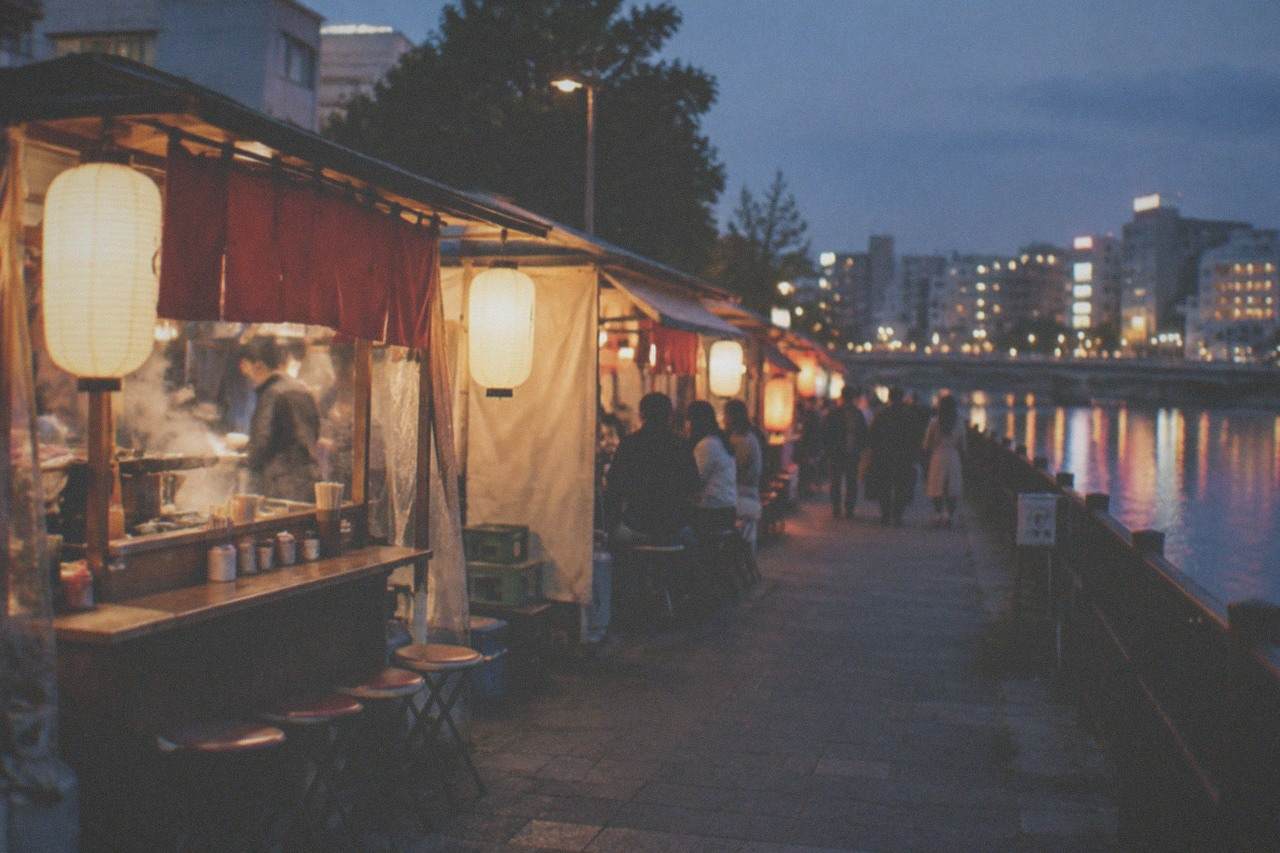
Fukuoka is Japan's fifth largest city by most measures people actually notice, and it packs its food, its festivals and its waterfront into a walkable core that most visitors can cover on foot. The honest answer to the must-do question is not a monument. It is a meal, taken standing or squeezed onto a stool at one of the roughly 100 licensed yatai food stalls the city permits to occupy its streets each night. Everything else on this page is the supporting cast, and this Fukuoka Japan Travel Guide exists to make each piece of it easy to plan.
What Is a Must Do in Fukuoka?
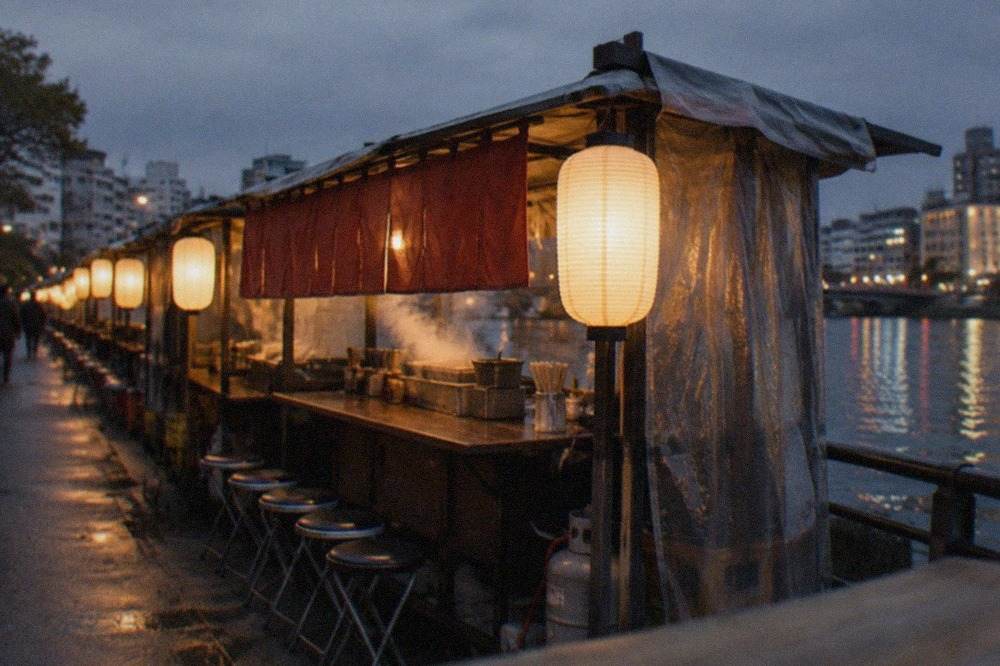
The one thing you should not leave Fukuoka without doing is eating at a yatai, the mobile food stall that serves ramen, yakitori and oden from around 18:00 into the small hours. Fukuoka has about 100 of them, more than any other Japanese city, and they are the last street-food culture of this scale left in Japan. A bowl of tonkotsu ramen at a stall counter, elbow to elbow with strangers, is the experience the city is known for.
The word yatai literally means "stand" or "stall", and the format is simple: a wheeled cart, a counter with a handful of seats, one owner-cook, a short menu. What makes Fukuoka's version unusual is the scale and the official backing. The city runs a public recruitment system for stall plots, which is why the count has held steady at about 100 while other Japanese cities lost theirs decades ago. The stalls cluster in three areas, each with a different character, and choosing between them is the first real decision of a first visit.
Tonkotsu ramen is the signature order, a pork-bone broth boiled until it turns milky white, and Fukuoka is where it was invented. If you want the deeper background on the dish itself, the page on what is the signature dish of Fukuoka covers the broth, the noodles and the kaedama refill custom in detail. The short version: order the ramen, and when the noodles are gone but the broth remains, ask for kaedama and a fresh handful of noodles goes in for a small extra charge.
Where to Find the Best Yatai Streets
The three yatai areas are Nakasu, Tenjin and Nagahama. Nakasu, along the Naka River, is the photogenic row that appears on every postcard of the city and the most tourist-facing choice. Tenjin's stalls are scattered through the business district and draw an after-work local crowd. Nagahama, near the old fish market, is the traditional ramen row. All serve the same ordinance-regulated format, so you cannot pick badly.
One detail that surprises visitors, and that the city itself publishes: prices must be displayed where customers can easily see them, and a dish priced on the day's market cost must show that day's actual price, not a vague "market price" tag. That rule comes from the Fukuoka City yatai ordinance, and inspectors check it periodically. The honest answer to "will I get ripped off at a stall" is that the menu is posted and the city checks it, which is more consumer protection than most street food anywhere offers.
Stalls set up from around 17:00 and are permitted to occupy their plots until 04:00 the next day, with most opening near 18:00 or 18:30 and closing in the small hours. There is no city-mandated closing night. Rain and strong wind close a lot of them, so a wet evening is the one situation where the plan needs a backup, and an indoor motsunabe or izakaya dinner is the usual substitute.
| Area | Location | Character | Best for |
|---|---|---|---|
| Nakasu | Along the Naka River by Seiryu Park | The postcard row, riverside, most tourist-facing | First-timers, photos, atmosphere |
| Tenjin | Watanabe-dori and Showa-dori | Scattered stalls, after-work office crowd | Variety, a more local scene |
| Nagahama | Near the former fish market | The traditional ramen-focused row | Tonkotsu purists |
A guided crawl is worth considering if the stall counter feels intimidating, and the site's overview of Fukuoka food tours compares the guided options. A guide handles the ordering, explains the etiquette and moves a small group between stalls, which removes the language barrier entirely. Walking in alone is equally legitimate, and nobody needs a booking to eat at a yatai; the stalls take walk-ins by design.
See the City from Fukuoka Tower
Fukuoka Tower is the city's observation deck, 234 metres tall with decks at 116, 120 and 123 metres, and admission is ¥1,000 for adults, ¥500 for elementary and junior high students and ¥200 for children aged four and over. It is open 9:30 to 22:00 with last admission at 21:30, so it works as a night activity after the yatai or as a rainy-day fallback. The views sweep across Hakata Bay and the Genkai Sea.
The tower sits in the Momochi Seaside Park area, a short subway and walk from the centre, and the deck's floor sections of glass are the standard test of nerve. The official admissions page lists the full rate table, including the ¥900 rate for Fukuoka residents aged 65 and over and the disability rates. Payment is flexible: cash, the major card networks and several Japanese QR and pay-app services are all accepted at the gate.
One planning note: the tower closes for its annual maintenance on the last Monday and Tuesday of June, which falls on 28 and 29 June in 2027. If your trip lands in late June, check the operator's calendar before promising anyone the view. A skip-the-line tower ticket is one of the cheapest paid add-ons in the city and pairs naturally with a Momochi afternoon.
Getting from Fukuoka Airport Into the City
Fukuoka Airport is unusually close to the city centre, and the subway fare to Hakata is ¥260, sitting in the official 3 to 7 km fare band. The airport sits on the subway's Kuko line, so the transfer is a single train with no transfers. Note that the station in the city centre is Hakata, not "Fukuoka Station", because Hakata is the ward and the station name inside the one city of Fukuoka.
The airport's closeness is the genuine advantage here, and it is one of the reasons a short trip to Fukuoka works so well: you can be at your hotel within roughly half an hour of the aircraft door opening, depending on queues. The subway runs from the airport through Hakata and on to Tenjin, and a single adult fare anywhere in the central zones costs between ¥210 and ¥300 depending on distance. The full fare logic, the ¥640 one-day subway pass and the IC card options are laid out in the guide to getting around Fukuoka.
For travellers landing late, moving with children, or simply unwilling to navigate a subway after a long flight, a private arrival transfer removes the entire decision. The Private Arrival Transfer from Fukuoka International Airport to the city runs 30 minutes to an hour, costs from $149 per person, and carries a 5 rating from 2 reviews, a small pool that reflects a genuinely new listing rather than a verdict on the service.
The free inter-terminal shuttle bus between the international and domestic terminals takes about 10 minutes, so transferring between the two is not a hardship either. Once in the centre, everything on this page is reachable by subway, on foot, or by the Nishitetsu trains that run south toward Dazaifu.
Walk Ohori Park and the Fukuoka Castle Ruins
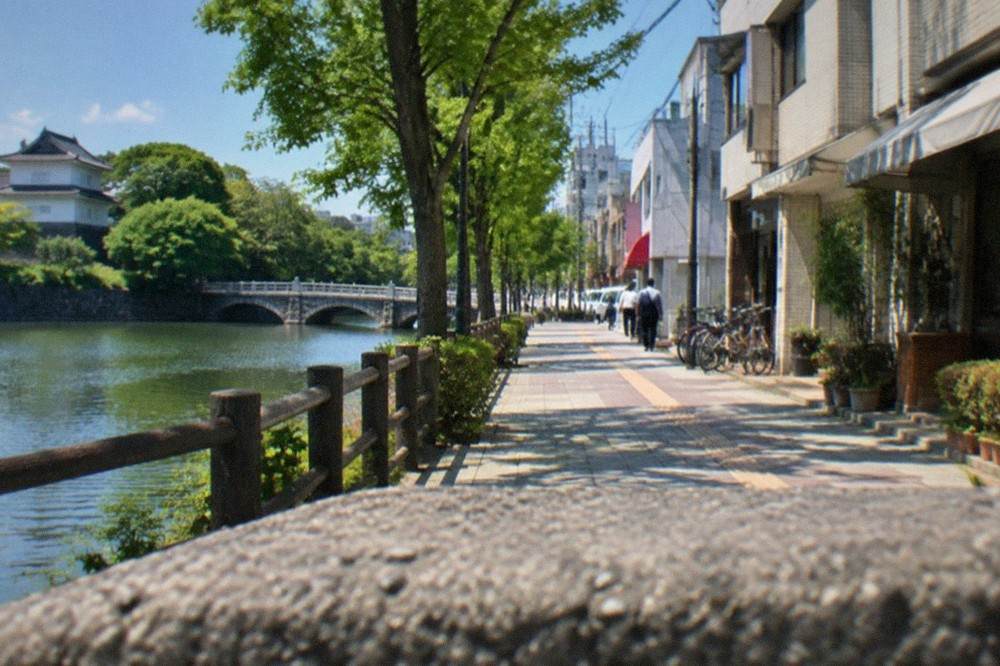
Ohori Park and the adjoining Maizuru Park castle ruins form the city's green heart, free to enter and open around the clock in the park's case. The Japanese Garden inside Ohori Park charges ¥250 for adults and ¥120 for children, with under-6s and visitors aged 65 and over admitted free. The castle ruins are free too, though the main keep base, the Tenshudai, is closed to entry until the end of December 2026 for an archaeological dig.
The dig is the best story in the city right now, and almost nobody outside Fukuoka is telling it. A document found in December 2024 described a keep that may never have existed, the city dug in 2025, and in 2026 it tripled the excavation area. Whether the "phantom keep" was real is still an open question, and the closure that makes way for the work expires at the end of 2026, so the ruins will read differently in 2027 than they do now.
Ohori itself is a former moat, widened into a pond with a 2 km walking loop around it, and it is where the city goes to run, picnic and view cherry blossoms in late March and early April. The Fukuoka Art Museum sits on its eastern edge, collection admission ¥200, and the Fukuoka Asian Art Museum a short subway ride away lets you into the building free and charges only ¥200 for its Asia Gallery. For a fuller rundown of what the city holds beyond the headline sights, the companion page on what is Fukuoka famous for is the deeper cut.
Take One Day Trip Into Kyushu
The must-do beyond the city is a day trip into Kyushu, and the strongest budget option is the Mount Aso volcano and Kusasenri grasslands tour, from $46 per person for a full day, rated 4.7 from 224 reviews. Aso's caldera is one of the largest in the world, and the tour pairs it with the shrine and grasslands in about ten hours. Dazaifu, Yanagawa and Itoshima are the easier half-day and full-day options closer to the city.
Fukuoka's real role for most travellers is as the gateway to northern Kyushu, and the transport makes that painless. Nishitetsu trains run direct from Tenjin toward Dazaifu, JR lines fanning out across the island, and the Kyushu itinerary from Fukuoka maps the realistic sequences. Beppu and Yufuin work as full days, Takachiho Gorge is a long but popular day, and Nagasaki is a full-day commitment at twelve hours or more each way.
| Day trip | Travel character | Time needed | Best for |
|---|---|---|---|
| Dazaifu Tenmangu | Nishitetsu train from Tenjin, one transfer | Half to full day | Shrines, plum trees, museum |
| Mount Aso | Guided coach tour from the city | About 10 hours | Volcano scenery, grasslands |
| Itoshima coast | Coach tour or rental car | Full day | Beaches, coastal drives, seafood |
| Beppu and Yufuin | Guided coach tour | About 10 hours | Hot springs, onsen towns |
Dazaifu Tenmangu itself charges no entrance fee, its grounds open from 6:00 or 6:30 depending on season, and it closes between 18:30 and 19:30 across the year. The shrine's approach, lined with shops selling Umegae Mochi, is as much the attraction as the sanctuary.
How Many Days You Need for the Must-Dos
Two days covers the must-do list comfortably: yatai in Nakasu, the tower, Ohori Park and the castle ruins on day one, then Dazaifu or a half-day trip on day two. Three days adds a full-day excursion into Kyushu, such as Aso or Beppu, without rushing the evenings. Four days is generous but not excessive if day trips are the priority, and five lets you combine two regions of Kyushu.
The honest planning question is whether the day trips matter to you. If they do, three days is the realistic minimum, because the yatai evenings are the point of the city and you do not want to trade one away for an early night before a tour. The detailed breakdowns live on the site's page on how many days in Fukuoka is enough, which sequences the sights day by day.
Timing matters too, and not in the way most guides claim. July is Fukuoka's wettest month at 299.1 mm against June's 249.6 mm, despite June being the tsuyu rainy season, and July is also Yamakasa festival month, when the city stages its biggest event from July 1 to 15. Typhoon season runs roughly July through October and is a real planning factor, though neither it nor the rainy season makes the city unvisitable. The page on the best month to visit Fukuoka works through the calendar in full.
Common Questions About Must-dos in Fukuoka
What Is A Must Do In Fukuoka?
Eat at a yatai food stall. Fukuoka has about 100 licensed stalls, more than any other Japanese city, and a bowl of tonkotsu ramen at a counter in Nakasu, Tenjin or Nagahama is the experience the city is built around. The stalls open around 18:00, prices must be posted by city ordinance, and no booking is needed or even possible.
Can you book a yatai stall in advance?
No. The yatai take walk-ins by design; there is no booking system for a stool. The only bookable version is a guided yatai crawl with a local guide, which reserves the guide's time rather than the stall itself.
Is Fukuoka Tower worth the admission?
At ¥1,000 for adults it is one of the cheaper observation decks in Japan, and the 9:30 to 22:00 hours make it a flexible night option after dinner. The view covers Hakata Bay and the Genkai Sea side of the city. It closes for annual maintenance on 28 and 29 June 2027.
How do you get from Fukuoka Airport to the city?
The subway runs from the airport on the Kuko line, and the fare to Hakata is ¥260, within the official 3 to 7 km band. The airport is unusually close to the centre. The station in the centre is Hakata; there is no JR Fukuoka Station, because Hakata is the ward and the station name within the single city of Fukuoka.
What is the best day trip from Fukuoka?
Dazaifu is the easiest, a short Nishitetsu ride from Tenjin with no entrance fee at the shrine. For scenery, the Mount Aso volcano and Kusasenri grasslands tour runs about ten hours from $46 per person. Beppu's hot springs and Yufuin work as full days too.
Is two days enough for Fukuoka?
Yes, for the must-do list. Two days covers the yatai, the tower, Ohori Park, the castle ruins and Dazaifu. A third day is what buys you a full-day excursion into Kyushu without sacrificing an evening at the stalls.