Is Fukuoka Cheaper Than Tokyo?
A cost comparison of Fukuoka and Tokyo using verified Fukuoka prices: subway fares, attraction entry, day passes and where the two cities actually differ.
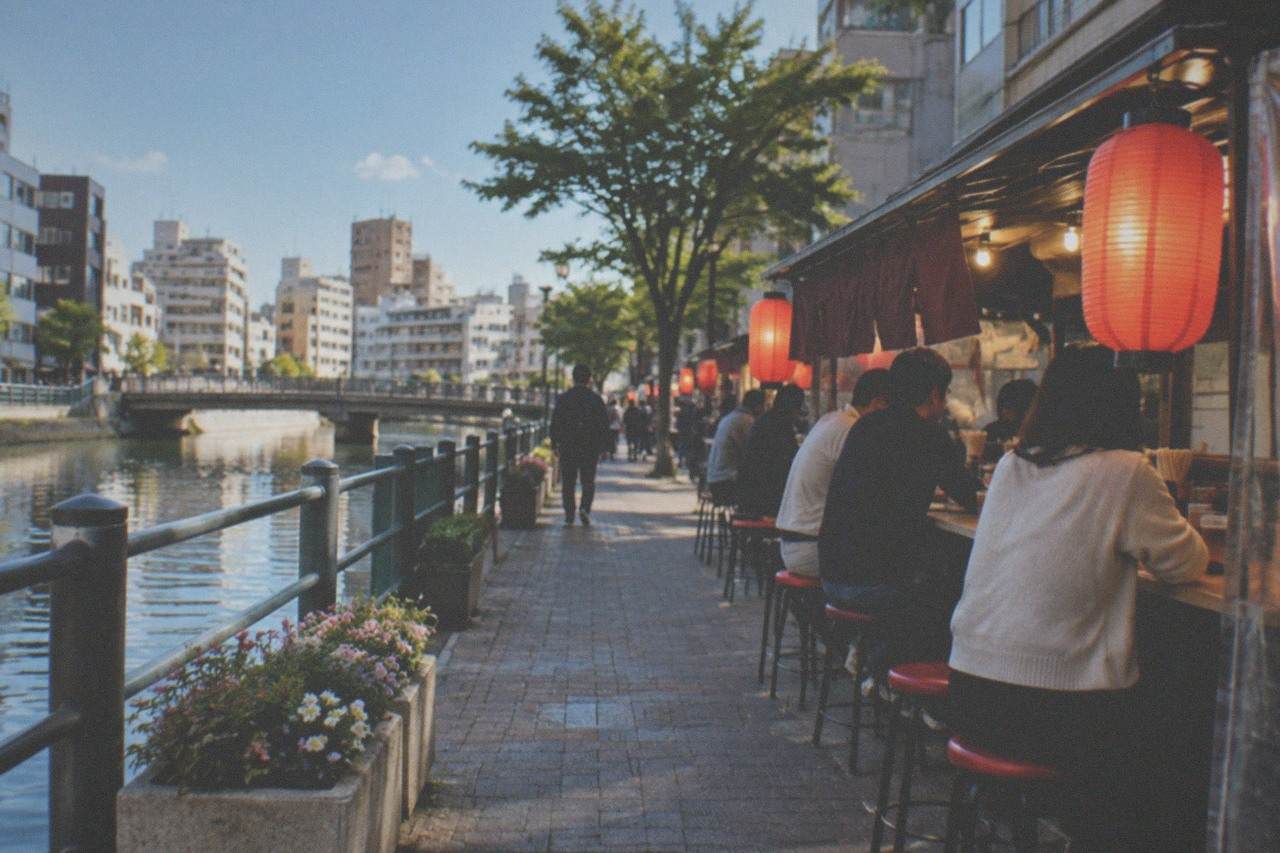
Fukuoka is consistently the cheaper of the two cities for the things a visitor actually pays for: getting around, eating well and entering attractions. Tokyo rewards you with scale, but scale costs money. Fukuoka's own published prices, the subway fare table, the attraction admission rates and the tourist pass prices, are low enough that the comparison is less a matter of opinion than arithmetic. This page lays out the verified Fukuoka figures and explains where the savings actually come from, so you can judge the gap against your own Tokyo spending habits rather than a vague impression. For a broader head-to-head, the Fukuoka versus Tokyo comparison guide covers pace, food and character as well as cost.
Is Fukuoka Cheaper Than Tokyo?
Yes, in most categories a visitor spends on. Fukuoka's subway single fares run ¥210 to ¥380, its one-day subway pass is ¥640, major attractions charge between ¥200 and ¥1,000, and the Tourist City Pass covering subway, trains, buses and ferries costs ¥2,500 for a day. Tokyo's equivalent everyday costs sit above those levels across the board, and Fukuoka's compact centre means you spend less getting between things in the first place.
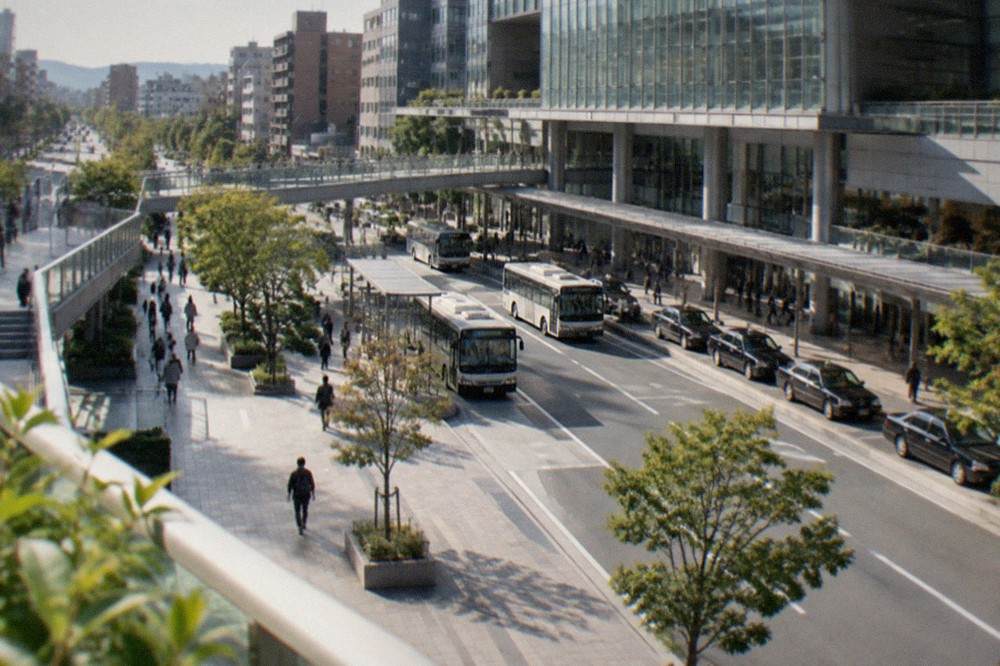
The honest framing is that Fukuoka is a small, walkable city where the expensive parts of a Japan trip, long intercity legs and daily transport, shrink naturally. Hakata, Tenjin and Nakasu, the three areas most visitors spend their time in, sit within a few kilometres of each other on three subway lines that all cross at one interchange. Tokyo spreads its highlights across a metropolis, and the fare meter reflects that.
Two structural points drive most of the saving. First, Fukuoka Airport sits unusually close to the city centre, on the subway's Kuko line, so the arrival leg that costs a Tokyo visitor a long train ride is here a ¥260 subway trip. Second, the city's headline attractions are either free or cheap: Dazaifu Tenmangu, Kushida Shrine, Tochoji, Shofukuji, Ohori Park and the Fukuoka Castle grounds all cost nothing to enter, which is not the pattern in Tokyo's marquee sightseeing district.
That said, "cheaper" is not the same as "cheap everywhere". Fukuoka has expensive meals, and a night out in Nakasu can cost whatever you want it to. What the city offers is a lower floor: the cheap options are genuinely cheap and plentiful, from yatai stalls that must post their prices by city ordinance to the ¥200 museum collections. If you are still weighing whether the city merits the trip at all, is Fukuoka worth visiting runs through the case.
What Do the Everyday Costs Look Like in Fukuoka?
Entry prices in Fukuoka cluster low. The two city art museums charge ¥200 for adults, Ohori Park's Japanese Garden costs ¥250, Fukuoka Tower is ¥1,000, the city zoo ¥600 and Uminonakamichi Seaside Park ¥450, with children under 15 free at the park, the zoo and both museums. A full day of sightseeing in Fukuoka rarely requires more than two or three paid entries, because the shrine and temple grounds that anchor the city cost nothing.
The table below pulls together the verified admission figures for the sights most visitors actually go to. These are the city's own published prices, not estimates.
| Sight | Adult entry | Notes |
|---|---|---|
| Dazaifu Tenmangu | Free | Shrine states there is no entrance fee |
| Kushida Shrine, Tochoji, Shofukuji | Free | Grounds and halls open at no charge |
| Ohori Park | Free | Japanese Garden inside costs ¥250 |
| Fukuoka Art Museum collection | ¥200 | Junior high and under free |
| Fukuoka Asian Art Museum Asia Gallery | ¥200 | Building entry itself is free |
| Fukuoka Tower | ¥1,000 | Age 4 and over ¥200 |
| Fukuoka City Zoo | ¥600 | Free-entry days announced in October 2026 |
| Uminonakamichi Seaside Park | ¥450 | Gate takes cash only |
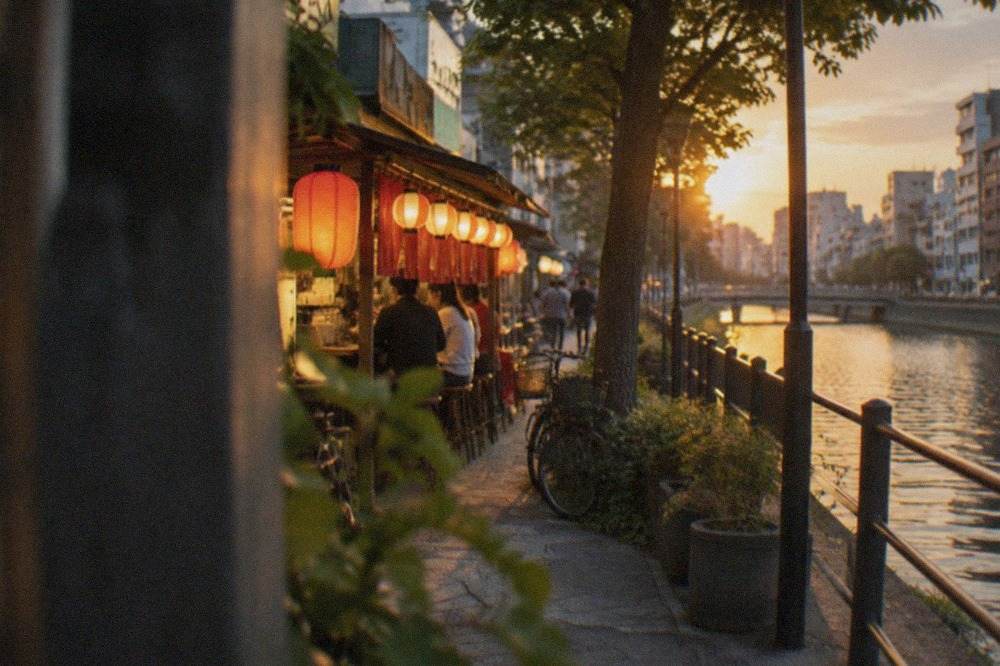
A pattern worth noticing: the free tier in Fukuoka is not the boring tier. The city's most photographed and most historically significant places, the castle grounds, the Hakata temples, the riverside yatai rows, are all free to walk through. The paid tier then tops out at ¥1,000 for the tower's observation decks. A visitor who did only free things for two days would miss nothing essential.
Food follows the same shape. The yatai stalls, about 100 of them across the city, are governed by a Fukuoka ordinance that requires prices to be displayed where customers can easily see them and bans vague "market price" labelling, so the fear of a tourist-price surprise at a stall is largely unfounded. City inspectors check compliance. A bowl of tonkotsu ramen at a counter, the city's signature dish, remains one of the cheapest complete meals in urban Japan, and the signature dish of Fukuoka page explains why the local style evolved that way.
If you are travelling with family, the child pricing is unusually generous: under-15s enter the zoo, Uminonakamichi and both art museums free, and the subway charges children roughly half the adult fare at every distance band.
How Do Transport Costs Compare?
Fukuoka's subway single fares run ¥210 for up to 3 km up to ¥380 for over 19 km, with a one-day all-line pass at ¥640. The Tourist City Pass, restricted to overseas visitors on short-stay visas with a passport check, costs ¥2,500 for the city version or ¥2,800 with Dazaifu included, and covers subway, Nishitetsu trains and buses, some JR lines and ferries. Tokyo's equivalent single fares and passes are higher at every tier.
The subway fare table is published by the city, and it is short enough to reproduce in full. This is the entire cost structure of urban rail in Fukuoka.
| Distance band | Adult fare | Child fare |
|---|---|---|
| Up to 3 km | ¥210 | ¥110 |
| 3 to 7 km | ¥260 | ¥130 |
| 7 to 11 km | ¥300 | ¥150 |
| 11 to 15 km | ¥340 | ¥170 |
| 15 to 19 km | ¥360 | ¥180 |
| Over 19 km | ¥360 band ends at ¥380 | ¥190 |
The ¥640 one-day pass breaks even after about three longer rides, and it is sold at station machines and the tourist information counters at Tenjin, Hakata Station and the airport. The city also runs a bus day pass at ¥1,200, and the Tourist City Pass stacks subway, bus, Nishitetsu trains and ferries into one ¥2,500 ticket. Note the passport condition: it is checked at the counter, and the digital app version is limited to visitors from South Korea, Taiwan and Thailand, so most nationalities buy the paper version. The city's official pass page at gofukuoka.jp lists the current terms.
The airport leg is where Fukuoka's geography pays off most visibly. The airport is on the Kuko line, two subway stops from Hakata, and the fare is ¥260, derivable from the official 3 to 7 km band on the operator's fare page at subway.city.fukuoka.lg.jp. The airport is genuinely close to the centre, which is true and sourced; what you should not do is plan around the widely repeated journey time in minutes, which no official page verifies. There is also no such thing as a JR Fukuoka Station: the city's main station is Hakata, and Hakata and Fukuoka are the same city, not two places you travel between. The is there a Fukuoka station page untangles that naming trap.
For getting to Fukuoka from Tokyo in the first place, the Tokyo to Fukuoka guide compares flight, shinkansen and overnight options, because the intercity leg is the one place the trip can get expensive if you book it badly.
Are Fukuoka's Paid Attractions Worth the Money?
Most of Fukuoka's paid entries cost less than a Tokyo lunch. Fukuoka Tower at ¥1,000, Marine World at ¥2,500 and the Uminonakamichi park at ¥450 are the top of the range, and the museums sit at ¥200. Because the free sights are the city's best ones, the paid ones are optional extras rather than the core itinerary, which is the opposite of the Tokyo budget pattern.
Marine World Uminonakamichi is the clearest example of a paid attraction earning its price: a full aquarium on the bay side of the city, reachable by ferry or the JR Uminonakamichi line, with e-tickets available from $16 per person through the operator's live listing. The aquarium is rated 4.8 from 9 reviews, a small pool but a positive one. The surrounding seaside park charges its own ¥450 entry at a gate that takes cash only, a detail worth knowing before you arrive, and children under 15 enter the park free. Other pages covering the same trip are gathered on Fukuoka Japan Travel Guide.
Because the aquarium sits at the far end of Uminonakamichi, pairing it with the park in a single visit day is the economical way to do both, one transit fare covering two entries. On a tight budget, the e-ticket route also removes any queueing at the gate, which on a busy weekend can matter as much as the price difference.
One planning note on the park: it closes on selected Tuesdays that shift with the season, so it is not a flat "open daily" destination, and the aquarium's hours also vary by calendar date. Check the operator's own pages for the day you plan to go.
Fukuoka Tower rewards the ¥1,000 with observation decks at 123 m, 120 m and 116 m of a 234 m structure, open from 9:30 to 22:00 with last admission at 21:30. It closes for two days each year in late June, with the next closure on 28 and 29 June 2027. At the other end of the scale, both city art museums charge ¥200 and are free for under-15s, and the Asian Art Museum's building is free to enter with only the Asia Gallery charging, so even the indoor rainy-day options are light on the wallet.
Where Does the Tokyo Comparison Break Down?
Tokyo wins on flight availability, on the density of free corporate attractions and on the sheer range of spending tiers, and it can be cheaper for intercity connections because more routes compete. Fukuoka's savings are real but concentrated in daily costs: once you add a shinkansen leg or a domestic flight to reach Kyushu, the arithmetic depends on how you book the long distance, not on the city itself.
The honest caveat is that most of Fukuoka's cheapness is a property of its size, not of some hidden discount. A city where the three main districts sit within a few kilometres will always have lower transport totals than one spread across a plain. If your Tokyo trips already lean on cheap noodles, free shrines and a single day pass, you will find the per-day gap between the two cities smaller than a headline suggests. What Fukuoka adds is not a discount version of Tokyo but a different shape of trip: shorter distances, fewer paid entries and a food culture built around counter seating.
Intercity travel is the other exception. Fukuoka is the gateway to northern Kyushu, and day trips to Dazaifu, Yanagawa, Itoshima or Yufuin add train or tour costs that a Tokyo day trip to Kamakura or Nikko does not quite match in structure. Those trips are excellent value for what they deliver, but they are not free, and a "Fukuoka is cheap" budget that ignores them will be wrong. The how many days in Fukuoka is enough page helps you size the stay so the day trips fit the budget rather than bloating it.
How Should You Budget a Cheaper Fukuoka Trip?
Build the trip around the free tier and the passes. Walk Ohori Park and the castle grounds, enter the shrines and temples at no charge, buy the ¥640 subway day pass only on days with three or more rides, and reserve your spending for one or two paid anchors such as the tower or the aquarium. A visitor doing this in Fukuoka spends noticeably less per day than the same traveller in Tokyo, without eating less or seeing less.
The pass decisions are where most travellers leak money without noticing. The ¥640 subway pass only pays off on a heavy-riding day; on a light day, three ¥210 short hops total ¥630 and the pass saves you nothing. The ¥2,500 Tourist City Pass needs a full multi-modal day to justify itself, and it excludes the Dazaifu liner bus "Tabito" even in the Dazaifu version, so check that the things you want to reach are actually covered. The best area to stay in Fukuoka question matters here too: sleeping in Hakata or Tenjin puts you inside walking distance of enough sights that some days need no transport budget at all.
On accommodation, this site does not publish nightly rates, and honest comparison requires checking live prices for your dates. What can be said from the city's structure is that Fukuoka's hotel stock clusters around Hakata Station and Tenjin, both directly on the airport subway line, so the location decision doubles as a transport-cost decision. A hotel one stop from the airport line saves a fare and a transfer every single day of the trip.
Finally, do not budget for a guided walking tour, because free walking tours do not exist in Fukuoka: the platforms that list them elsewhere returned no inventory here at all. The free things to do in this city are sights, not tours, and the honest answer is to plan around the parks, shrines and yatai rows that cost nothing to enjoy.
Common Questions About Fukuoka Costs
Is Fukuoka Cheaper Than Tokyo?
Yes, for most visitor spending. Fukuoka's subway fares run ¥210 to ¥380, a day pass is ¥640, headline attractions cost between free and ¥1,000, and the compact centre means fewer paid rides per day. Tokyo's everyday costs sit above those levels, though the intercity leg to reach Kyushu can offset part of the saving.
How much is the subway in Fukuoka?
Single adult fares run from ¥210 for up to 3 km to ¥380 for over 19 km, with children paying roughly half. A one-day pass covering all three lines costs ¥640 and is sold at station machines and tourist information counters.
What does the Fukuoka Tourist City Pass cost?
The city version costs ¥2,500 for adults and ¥1,250 for children. The version that adds Dazaifu costs ¥2,800 and ¥1,400. It is restricted to overseas visitors on short-stay visas and a passport is checked at the counter; the Dazaifu liner bus is excluded.
Are Fukuoka's attractions free?
Many of the best ones are. Dazaifu Tenmangu, Kushida Shrine, Tochoji, Shofukuji, Ohori Park and the castle grounds all cost nothing to enter. Paid sights top out around ¥1,000 for Fukuoka Tower and ¥2,500 for Marine World, with museums at ¥200.
Is food expensive in Fukuoka?
It does not have to be. The city's yatai stalls must display their prices visibly under a city ordinance, and counter ramen remains one of the cheapest complete meals in urban Japan. Nakasu's nightlife can be as expensive as you choose to make it.
How many days do I need to keep costs down in Fukuoka?
Two to three days covers the core city sights cheaply, because the free tier is the main tier. Add extra days only for paid day trips into Kyushu, and budget those separately from the city's daily costs.