Is 3 Days Enough for Fukuoka?
Three days is enough to see Fukuoka's core sights, eat at a yatai and take one day trip, but the answer depends on what you want from the city.
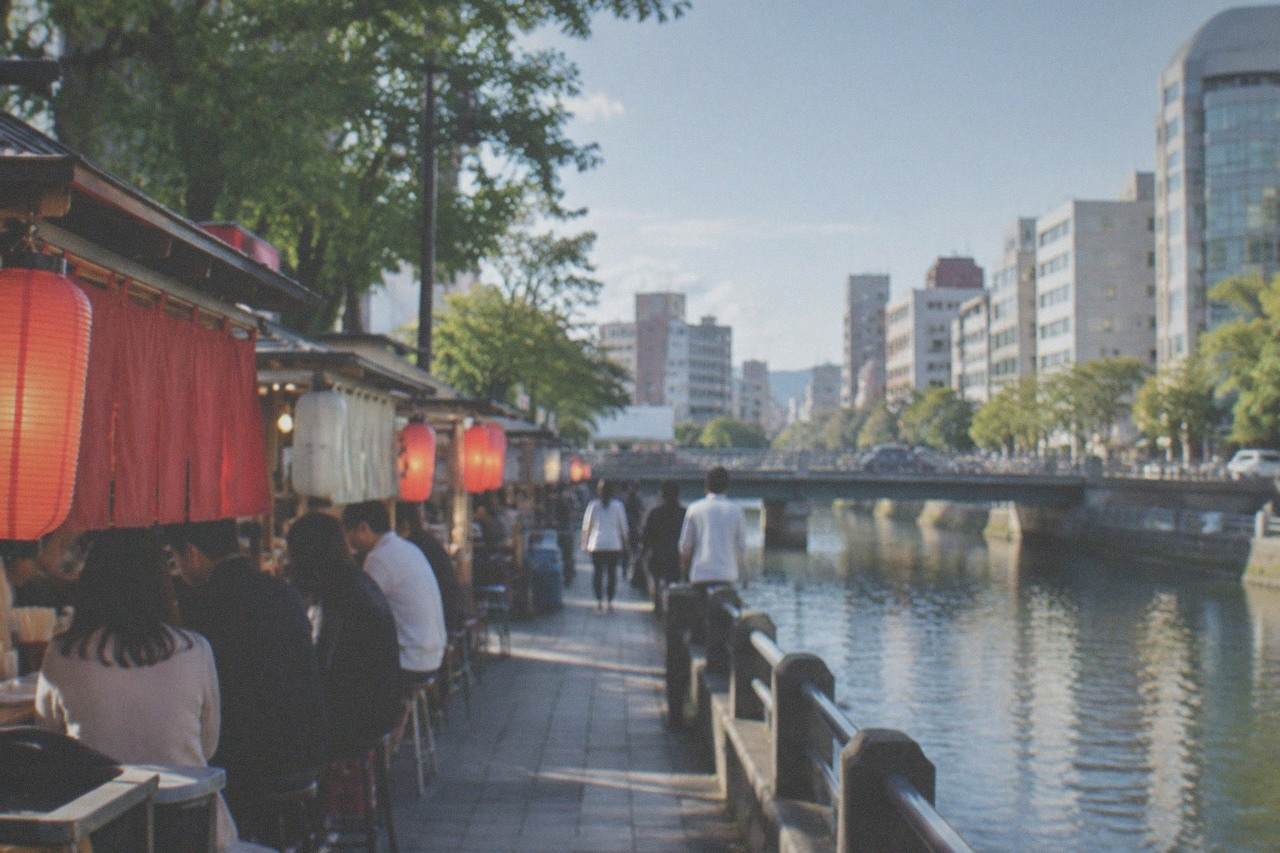
Fukuoka rewards a short visit better than almost any other large Japanese city. The airport sits unusually close to the centre, the subway fare from the airport to Hakata Station is a verified ¥260, and the main sights cluster in a corridor you can walk between. That closeness is exactly why the three-day question comes up so often, and why the honest answer is more nuanced than a simple yes. Hakata, for the record, is not a separate destination: it is the ward and the station inside Fukuoka, a distinction that matters when you are planning train times.
Is 3 Days Enough for Fukuoka?
Yes, three days is enough for Fukuoka's core experience: the Hakata old town shrines and temples, Ohori Park and the castle ruins, an evening at the yatai stalls, and one day trip to Dazaifu or the coast. It is not enough if you want to add a second day trip into Kyushu, a deep food crawl through several neighbourhoods, or time at the slower pace many Japan itineraries assume. The city itself is compact, but Kyushu's big draws, from Beppu to Takachiho, all sit beyond it, and each one eats a full day.
Fukuoka is also a city where the best material is cheap or free. Dazaifu Tenmangu charges no entrance fee, Ohori Park costs nothing, and about 100 licensed yatai stalls serve the city's most famous food at street prices. A three-day budget stretches further here than in Tokyo or Kyoto, which is one reason the question of how many days in Fukuoka is enough usually resolves in the city's favour.
The honest framing is this: three days is enough for Fukuoka, and it is not enough for Fukuoka plus Kyushu. Decide early which of those two trips you are actually taking. Travellers who try to do both in three days end up seeing the city through a train window.
What Can You Realistically See in Three Days?
Day one covers Hakata: Kushida Shrine, the Hakata Machiya Folk Museum, Tochoji and its Great Buddha, Shofukuji, and Canal City Hakata, all walkable in one loop. Day two takes in Ohori Park, the Japanese Garden, the castle ruins and the art museums. Day three goes to Dazaifu, or stays in the city for teamLab Forest and Momochi. That is a full, varied three days without rushing.
The Hakata loop deserves the first day because everything in it sits within a kilometre or two. Kushida Shrine is the spiritual home of the Hakata Gion Yamakasa festival, and the folk museum next door explains the neighbourhood's merchant history. Tochoji's Great Buddha is one of the largest seated Buddha statues in Japan, and Shofukuji, the country's first Zen temple, is a quiet five-minute walk further. Canal City Hakata, open every day of the year with shops from 10:00 to 21:00, breaks up the temples with a canal-side rest. The whole area is covered in detail in the Hakata old town guide, which is worth a read the night before you arrive.
Day two moves west. Ohori Park is free and its Japanese Garden charges just ¥250 for adults, ¥120 for children, with free entry at 65 and over. The Fukuoka Castle ruins sit beside it, though note the Tenshudai, the main keep base, is closed for archaeological excavation until the end of December 2026, after a document found in December 2024 described a keep that may never have existed. Both city art museums charge only ¥200 for their collections and are free for under-15s. The full index of guides sits on Fukuoka Japan Travel Guide.
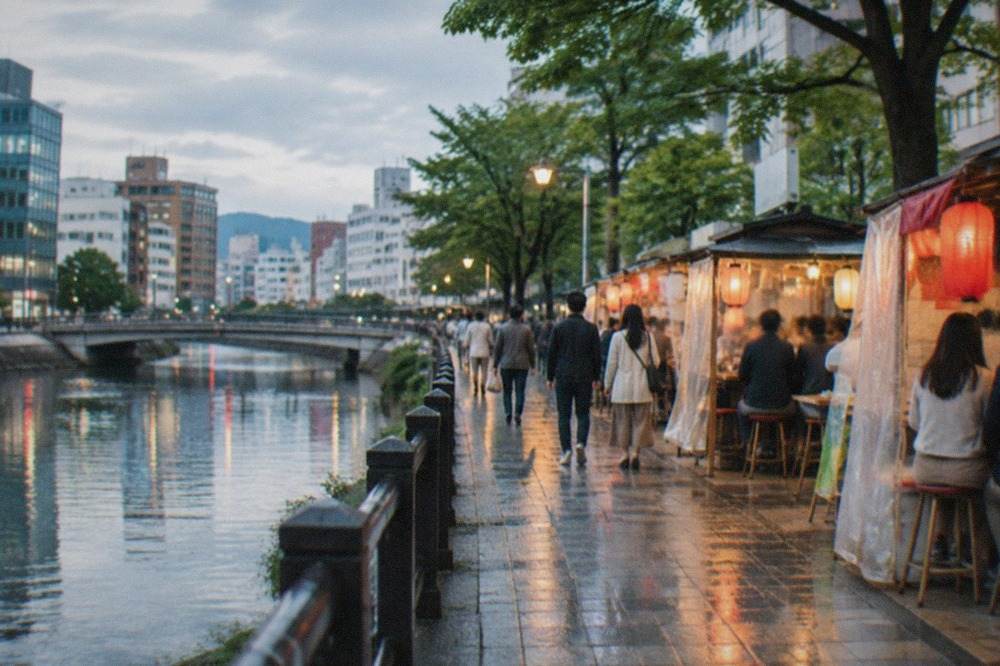
The yatai deserve a specific mention here because they are the thing most three-day visitors come for. The city's own ordinance, which you can read on the Fukuoka City yatai Q&A page, requires prices to be displayed where customers can easily see them, and bans the vague "market price" listings that worry first-time visitors. There is no city-mandated closing night; stalls close for weather and at the operator's discretion.
If you want a guided hand for the first day, the evening food options are worth comparing early, because the best ones book out.
The trio above spans three different ways to spend a Fukuoka evening or a spare day: a sake tasting in Nishinakasu, a night cruise on Hakata Bay, and a full-day run into the Kyushu interior. For a strict three-day city visit, the first two fit; the Mount Aso and Kurokawa Onsen tour is a 10-hour commitment that belongs to a longer itinerary.
How Should You Structure the Three Days?
Structure the visit as two city days and one excursion day. Put the Hakata old town loop on day one while your legs are fresh, the Ohori Park and museum quarter on day two, and Dazaifu on day three, when the train ride out and back gives the day a natural shape. Resist the temptation to split a day between Dazaifu and Yanagawa, two half-day trips squeezed together; it works, but it turns the relaxed final day into a timetable exercise.
Dazaifu is the default third day because the rail link is direct and cheap. Nishitetsu runs from Tenjin with one transfer at Futsukaichi, and the shrine itself charges nothing to enter. The approach street, lined with shops selling umegae mochi, is part of the experience rather than a detour from it. The shrine's own FAQ states plainly that there is no entrance fee at Dazaifu Tenmangu, and its grounds open from 6:00 or 6:30 in the morning depending on the season.
| Day | Base | Anchor sights | Evening plan |
|---|---|---|---|
| 1 | Hakata old town | Kushida Shrine, Tochoji, Shofukuji, Canal City | Yatai stalls along the Naka River in Nakasu |
| 2 | Ohori and Maizuru | Ohori Park, Japanese Garden, castle ruins, art museums | Tenjin izakaya or Kawabata arcade |
| 3 | Dazaifu | Dazaifu Tenmangu, approach street, Kyushu National Museum | Return for a quiet final dinner in Hakata |
The evening column matters as much as the daytime one. Fukuoka's food culture is its headline attraction, and a three-day visit that treats evenings as downtime misses half the city. The yatai take walk-ins, so no booking is needed to eat at one, though rain and strong wind close many stalls, so keep a covered backup such as Kawabata Shopping Arcade in mind. A fuller version of this plan, with hour-by-hour timings, is laid out in the three-day Fukuoka itinerary.
A sake tasting makes a good anchor for one of the three evenings, especially if the yatai stalls close for weather.
Should You Spend a Day of the Three on a Day Trip?
If your three days are your entire trip to Kyushu, spend one of them outside Fukuoka: Dazaifu is the easy choice, and Itoshima or Nokonoshima suit a coastal mood. If Fukuoka is one stop on a longer Japan route, keep all three days in the city and save Kyushu's big excursions for a dedicated trip. The city's own sights comfortably fill two full days, and only the third day is genuinely contested.
The distinction matters because Fukuoka's most famous day trips are far. Beppu, Yufuin, Takachiho Gorge and Mount Aso are all full-day commitments, most running 9 to 11 hours door to door. Squeezing one into a three-day visit means the city itself gets two days, which is workable but leaves the Hakata food scene compressed into a single evening. The shorter excursions, Dazaifu at roughly half a day and Yanagawa similar, fit the three-day format far better.
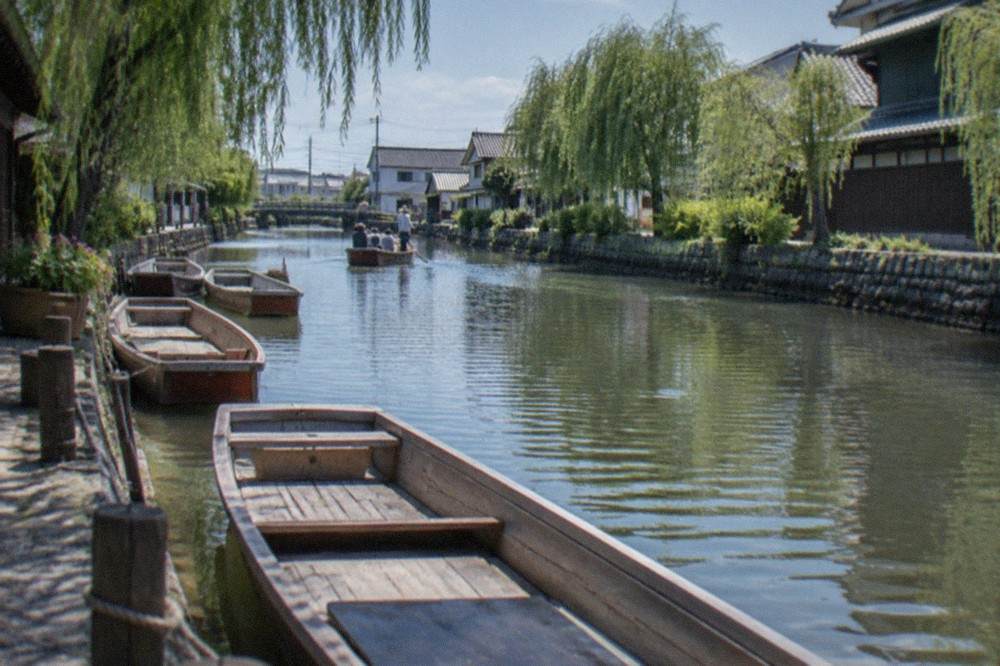
For travellers who do want a taste of Kyushu within the three days, the Nishinakasu sake tasting offers a compromise: two hours in the city, no travel time, and a genuine local speciality. Fukuoka's position as Kyushu's gateway means its own sake and shochu culture is a destination in itself.
The tasting is rated 4.6 from 7 reviews, a small pool, and costs from $51 per person including three appetizers. It sits in Nishinakasu, the entertainment district across the river from Nakasu, so it pairs naturally with a yatai evening or a walk along the Naka River afterwards.
When Do You Need More Than Three Days?
You need a fourth or fifth day if you want two or more of Kyushu's major excursions, if you are visiting during a festival such as Hakata Gion Yamakasa in July, or if you prefer slow mornings and unplanned afternoons over a structured plan. Travellers who ask whether 4 days in Fukuoka is too much usually discover it is not, once a second day trip enters the plan.
Festival timing changes the calculus completely. Hakata Gion Yamakasa runs from July 1 to 15 every year, with the Oiyama finale race starting at 4:59 a.m. on July 15, and it draws spectators into the small hours across the whole fortnight. Hakata Dontaku fills May 3 and 4 with parades through the centre. Neither needs a ticket, but both deserve unhurried time, and both collide with the city's peak summer heat: July's mean daily maximum is 31.2°C.
The other honest reason to extend is pace. A three-day plan for Fukuoka that works on paper can feel relentless in practice, because the city's appeal is partly its slack: a coffee in Daimyo, a second lap of Ohori Park, a long stall-side conversation at a yatai. If that sounds like your travel style, read the Fukuoka itinerary planner and consider stretching to four days rather than compressing three. And if you are weighing Fukuoka against a bigger rival on the same trip, the comparison in is Osaka or Fukuoka better is a fair starting point.
Common Questions About Spending Three Days in Fukuoka
Is 3 Days Enough For Fukuoka?
Yes, for the city itself. Three days covers Hakata's shrines and temples, Ohori Park and the castle ruins, a yatai evening and one short excursion such as Dazaifu. It is not enough if you also want Kyushu's big day trips like Beppu, Takachiho or Mount Aso, which each consume a full day.
Is 2 Days Enough In Fukuoka?
Two days works for the city core only: one day for Hakata old town and one for Ohori Park and the museums, with a yatai evening between them. It leaves no room for Dazaifu or the coast, which is the main thing you lose by cutting to two.
What Is The Best Day Trip From Fukuoka On A Three-Day Visit?
Dazaifu, because it is close, cheap to reach by Nishitetsu train and free to enter at the shrine. Yanagawa and Itoshima are the other realistic half-day or day options. Beppu, Yufuin and Takachiho are superb but too time-hungry for a three-day trip that also wants to see the city.
Do You Need A Tour Guide For Three Days In Fukuoka?
No. The core sights are walkable and the subway is simple, with single fares from ¥210 and a ¥640 day pass. A guided food or evening tour adds value on a short visit because it compresses the eating and drinking decisions that would otherwise eat your evenings.
What Should You Skip If You Only Have Three Days?
Skip the distant Kyushu excursions, and skip a second museum day. Fukuoka's strengths are outdoors and edible: the yatai stalls, the river, Ohori Park and the shrine approach streets. Prioritise those over adding more indoor attractions.