Is 2 Days Enough in Fukuoka?
A straight answer to whether two days is enough in Fukuoka, with a realistic two-day scope, what you will have to skip, and how to squeeze the most from a short stay.
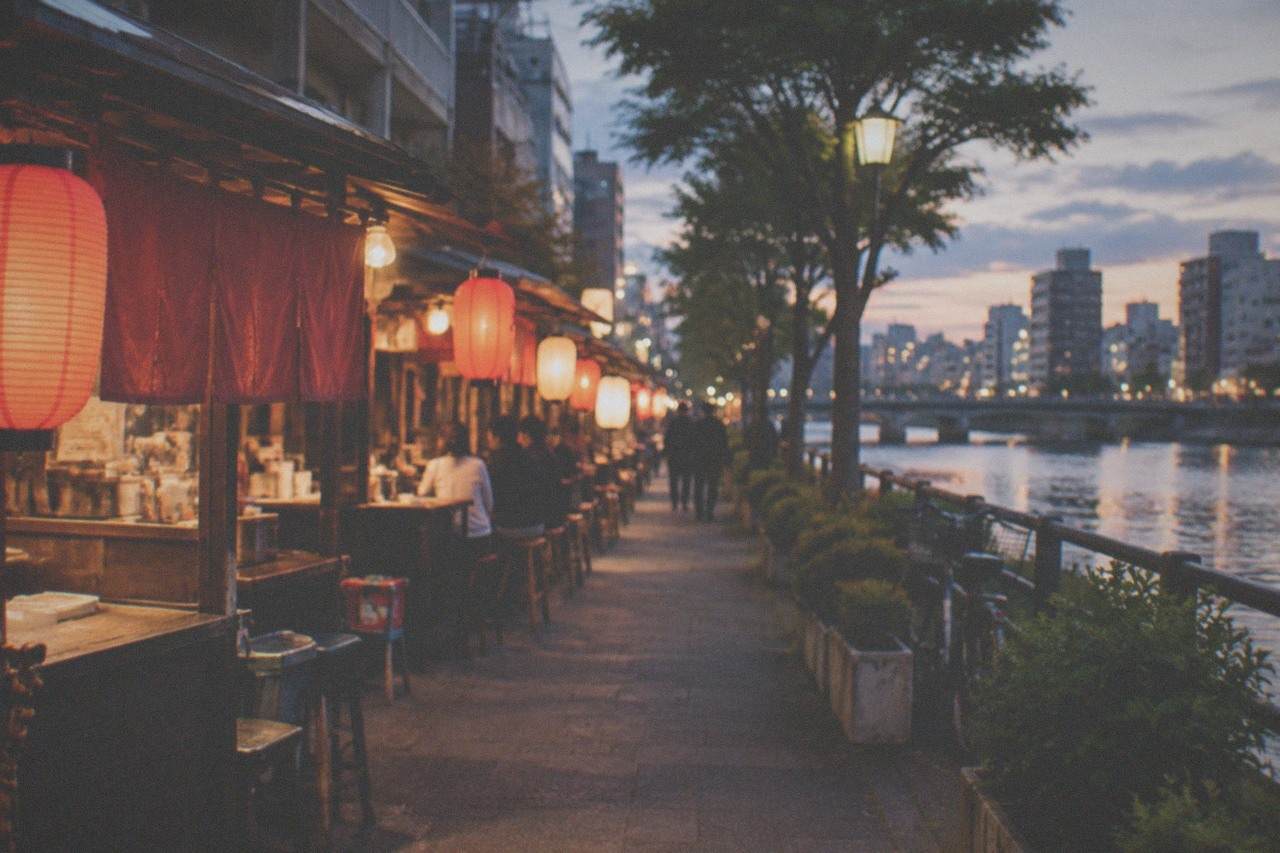
Is 2 Days Enough in Fukuoka?
Yes, two days is enough for Fukuoka itself: the city's headline sights sit within a few kilometres of each other, the subway connects them in minutes, and the food scene concentrates around Hakata, Tenjin and Nakasu. Two days is not enough if you want a Kyushu day trip as well, because the best ones, Takachiho, Beppu, Mount Aso, consume a full day on their own.
The honest framing is that Fukuoka is one of Japan's most compact major cities for a visitor. The airport sits unusually close to the centre, the subway fare from the airport to Hakata Station is ¥260, and most of what people come for, the yatai stalls, Kushida Shrine, Ohori Park, Canal City, Tenjin's shopping, clusters in a walkable band between Maizuru Park and Nakasu. You are not crossing a metropolis the way you would in Tokyo or Osaka.
What two days cannot absorb is Kyushu. The island is bigger than it looks on a map, and the day trips people rave about, Takachiho Gorge, the Beppu hells, Mount Aso, are nine to eleven hour round commitments. If those are on your list, read how many days in Fukuoka is enough before you lock anything in, because the answer changes.
One thing worth knowing before you plan: there is no JR Fukuoka Station, the station is Hakata, and Hakata and Fukuoka are the same city. Hakata is the ward and the station name; Fukuoka is the city. Guides that treat them as two destinations are wrong, and it matters here because it means your "Hakata" hotel and your "Fukuoka" sightseeing are in one place.
If you are landing and want to remove the first friction of a short trip, a private arrival transfer from Fukuoka Airport to the city runs from $149 per person, rated 5 from 2 reviews.
What Can You Realistically See in Two Days?
In two days you can cover the core comfortably: Kushida Shrine and Hakata old town, Canal City, Tenjin and its underground mall, Ohori Park and the castle ruins, the Nakasu yatai at night, and either Momochi Seaside Park or a half-day trip to Dazaifu. That is a full, satisfying visit, not a rushed one, because the subway puts all of it within 15 minutes of Hakata.
Day one should be the city core. Kushida Shrine is Hakata's guardian shrine and free to enter, Tochoji holds one of Japan's largest seated Buddhas, and Shofukuji was the first Zen temple in Japan, all within a short walk of each other. Canal City Hakata sits between the old town and Nakasu, is free to enter and open every day of the year, with shops from 10:00 to 21:00. In the evening, the yatai come out: Fukuoka has about 100 licensed food stalls, more than any other Japanese city, concentrated in Nakasu, Tenjin and Nagahama, and they take walk-ins, no booking needed.
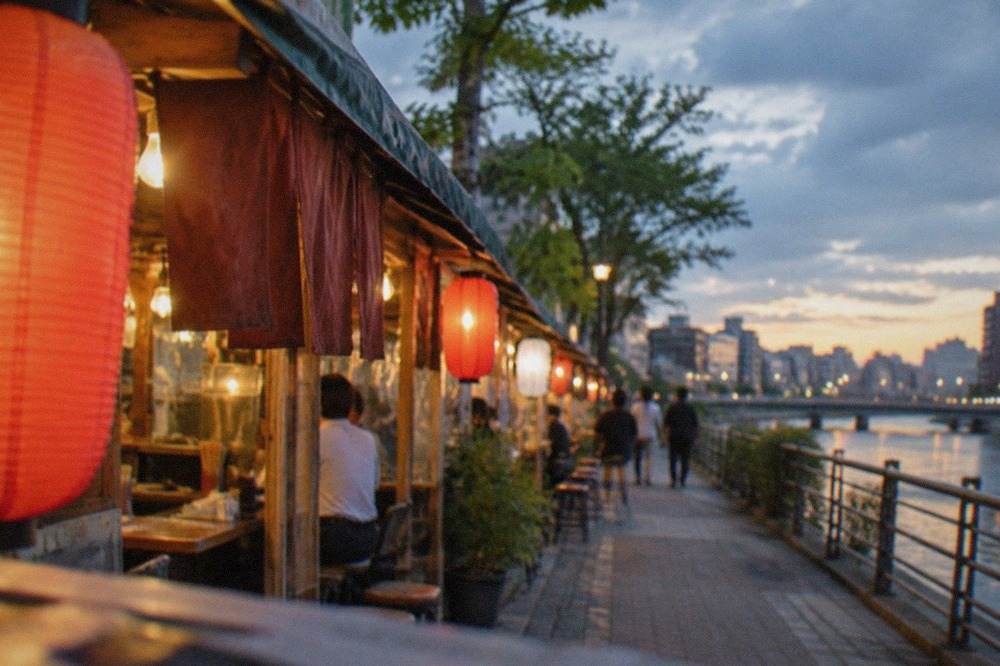
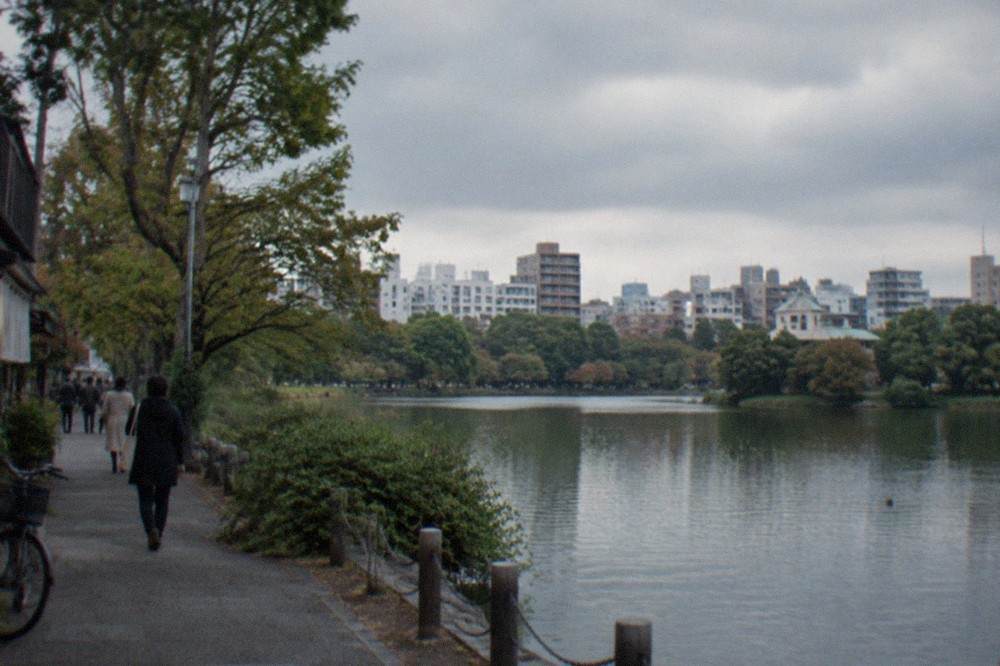
Day two should split between a park morning and a side trip. Ohori Park is one of Japan's nicer water-park walks and free; its Japanese Garden charges ¥250 for adults. The neighbouring castle ruins in Maizuru Park are also free, though note the Tenshudai, the main keep base, is closed from 2026-05-26 until the end of December 2026 for an archaeological excavation prompted by a document found in December 2024 that describes a keep historians are still unsure ever existed. In the afternoon, Nishitetsu trains run from Tenjin toward Dazaifu, home of the famous Tenmangu shrine, which states plainly that there is no entrance fee.
Two planning facts most guides get wrong. First, the Fukuoka Tourist City Pass costs ¥2,500 for the city version and ¥2,800 with Dazaifu included, and it is restricted to overseas tourists on a short-stay visa, with a passport checked at the counter, per the official pass page. Many competitors still quote stale, much lower prices. Second, the subway's single fares run ¥210 to ¥380 by distance, and a one-day pass is ¥640, per the official subway fare table.
A few timing details make the two-day plan easier to execute. The yatai generally open around 18:00 and close by 02:00, so plan dinner rather than lunch around them. The Nishitetsu ride from Tenjin to Dazaifu takes about 15 to 25 minutes depending on whether you catch a limited express or a local train, which is why a half-day there works without cutting the park morning short. If you are leaning toward Momochi Seaside Park instead of Dazaifu, the beach is a 15 to 20 minute subway or bus ride from Tenjin, and Fukuoka Tower stands nearby for a view back across the city and the bay.
One more note on the yatai, since they are the evening highlight of most two-day visits: seating is tight, with typically around seven to ten seats per stall, so solo travellers and pairs get seated fastest, and larger groups may wait or split up. Stalls usually seat parties together with strangers, which is part of the experience rather than a drawback. Cash is the safest assumption, and the posted prices required by the city ordinance make it easy to see your total before you sit down.
For a full two-day plan laid out hour by hour, the two-day Fukuoka itinerary does exactly this routing with transit times.
Where Do Two Days Fall Short?
Two days falls short in three specific places: Kyushu day trips, the festival calendar, and the slow evening culture. Takachiho, Beppu, Aso and Nagasaki each eat a full day; Yamakasa and Dontaku happen on fixed dates you cannot compress; and the yatai, izakaya and nightlife scene rewards a third evening. If any of those matter to you, two days is the wrong number.
The day-trip problem is the big one. The roster of trips from Fukuoka is genuinely excellent, and that is the trap. A Takachiho Gorge tour runs about 11 hours. A Beppu and Yufuin day runs about 10. Mount Aso runs 10 hours or more. You cannot bolt one onto a two-day city visit without sacrificing a whole day of Fukuoka itself, at which point you have a one-day city visit, which is a different question. Everything else covered here is indexed on Fukuoka Japan Travel Guide.
Here is how the trade-off actually looks:
| What you want from the trip | Days realistically needed | Why |
|---|---|---|
| City core, food, yatai evenings | 2 | Everything clusters around Hakata, Tenjin and Nakasu |
| City plus Dazaifu or Yanagawa | 2 to 3 | Both are half-day side trips by Nishitetsu train |
| City plus one Kyushu day tour | 3 | Takachiho, Beppu or Aso each consume a full day |
| City plus the November sumo basho | 3 | Tournament days run about 4 hours plus transit |
| City, a day tour, and slow evenings | 4 | The evening scene rewards repetition |
The festival calendar is the other honest limitation. Hakata Gion Yamakasa runs July 1 to 15 with its famous Oiyama race at 4:59 a.m. on the 15th; Hakata Dontaku fills the city on May 3 and 4; Hojoya runs September 12 to 18 at Hakozakigu. None of these are ticketed events you can schedule around, they simply happen on their dates, and if your two days miss them, they are missed. The November Kyushu Basho, the only time sumo is competitively staged in the city, is the same: November only, annually.
If you are weighing whether an extra day is worth it, the comparison between 2 days versus 3 days in Fukuoka comes down almost entirely to whether a day trip is on your list.
How Do You Squeeze the Most from Two Days?
Stay in Hakata or near Tenjin, ride the subway instead of buses, put your day trip on day two only if it is short, and book nothing that pins you to a schedule before midday. Two days rewards ruthless geography: every hour spent crossing the city is an hour not spent in it, and Fukuoka's compactness is the whole advantage.
Base yourself at Hakata Station or in Tenjin. Hakata puts the subway, the Nishitetsu line toward Dazaifu, and the yatai rows within a short walk; Tenjin trades that for the shopping district and the underground mall. Either works; Nakasu is the third option and the most fun at night. What you should not do is stay out toward the airport or the suburbs to save money, because transit time is the one thing a two-day visit cannot refund.
On timing, the best month to visit Fukuoka matters more than usual on a short trip, because weather can delete a day. July is statistically the city's wettest month, 299.1 mm against June's 249.6 mm in the 1991 to 2020 normals, despite June being the rainy season, and typhoon season runs roughly July through October. Neither makes the city unvisitable, but a two-day window in those months carries more risk than a five-day one, where a washed-out day still leaves four.
The itinerary planner on this site exists for exactly this decision: the Fukuoka itinerary planner breaks the city into half-day blocks you can shuffle, which is the right mental model for a two-day visit.
If you decide a third day is warranted after all, the three-day Fukuoka itinerary adds a day trip without disturbing the two-day core described above, and the four-day itinerary adds two.
Common Questions About Spending 2 Days in Fukuoka
Is 2 Days Enough In Fukuoka?
Yes, for the city itself. Fukuoka's main sights, food districts and nightlife cluster within a compact central band, and the subway connects them quickly. Two days is not enough if you also want a full-day Kyushu trip such as Takachiho, Beppu or Mount Aso, which each consume a whole day.
Can you do a day trip from Fukuoka in a 2-day visit?
Only a short one. Dazaifu and Yanagawa work as half-day side trips by Nishitetsu train from Tenjin. The big Kyushu tours, Takachiho Gorge, the Beppu hells, Mount Aso, run 10 to 11 hours and would take over your entire second day, leaving Fukuoka itself with one day.
What is the best area to stay in for a short visit?
Hakata Station or Tenjin. Hakata gives direct subway access, the Nishitetsu line toward Dazaifu, and walking access to the yatai rows. Tenjin suits shoppers. Nakasu is the most atmospheric at night. All three are within minutes of each other by subway.
Is Fukuoka walkable enough to skip transit?
Partly. Hakata old town, Canal City, Nakasu and Tenjin are walkable as clusters, but Ohori Park, Momochi and the castle ruins are a subway or bus ride away. The one-day subway pass at ¥640 pays for itself after about three rides.
How much does 2 days in Fukuoka cost?
Less than the equivalent in Tokyo or Osaka for most travellers, because the sights are largely free: the shrines, temples, castle ruins and parks charge nothing, and the yatai offer cheap evening meals. The main costs are accommodation, food and any day tour you add.