What Is Must Buy in Fukuoka?
The souvenirs and local specialities actually worth carrying home from Fukuoka, from mentaiko and Hakata dolls to tea from Yame, and where to buy each one.
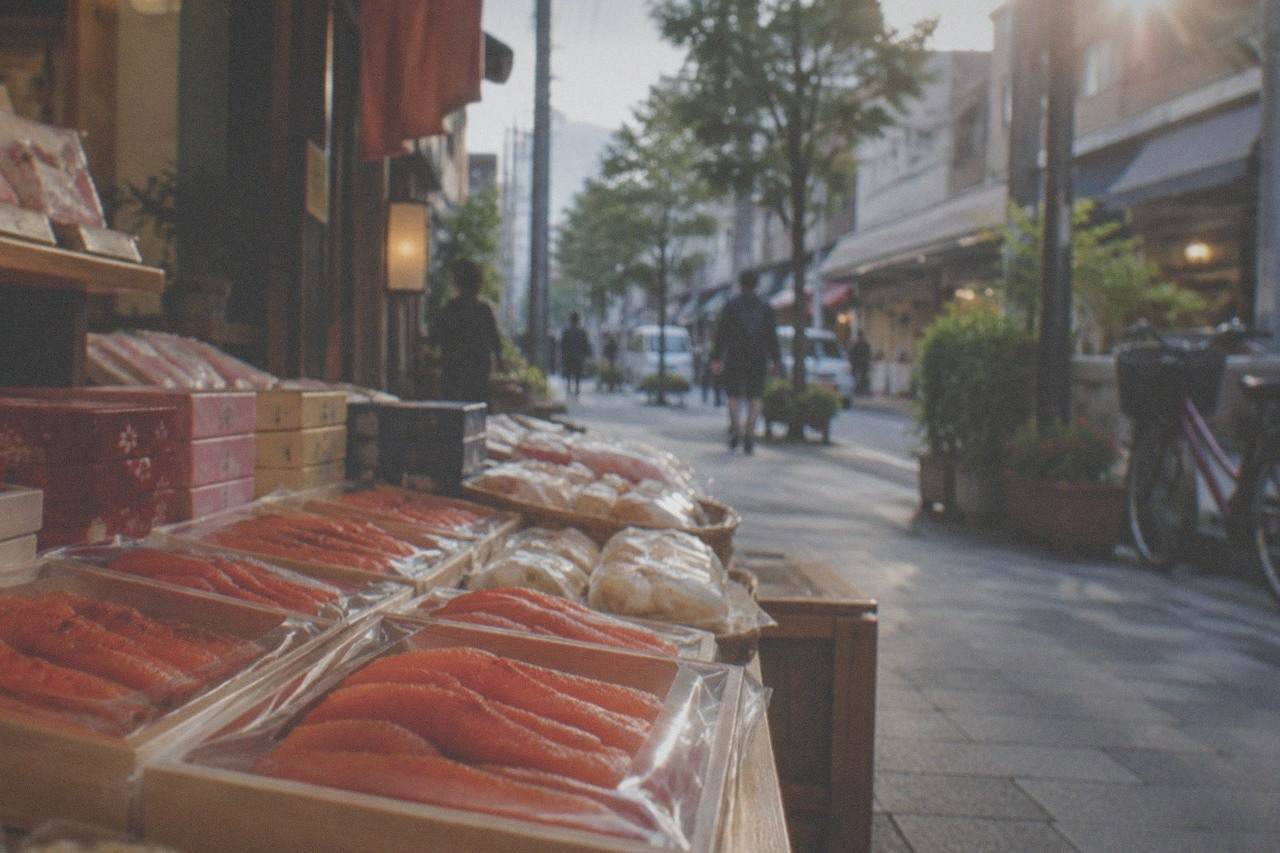
Fukuoka is a food city before it is anything else, and its shopping reflects that. The things people carry home from here are mostly edible: mentaiko, the spiced pollock roe the city consumes at breakfast; ramen kits that recreate a bowl of tonkotsu in another kitchen; tea grown a short train ride south in Yame. Around the food sits a compact set of crafts, Hakata dolls above all, that the city has produced for generations. This page runs through what is genuinely worth buying, where to get it, and what to skip.
What Is Must Buy in Fukuoka?
The five purchases most worth making are mentaiko, a tonkotsu ramen kit, tea from Yame, a Hakata doll or other Hakata textile craft, and Umegae Mochi from Dazaifu. Mentaiko is the city's signature food and the most-bought souvenir; the ramen kit and tea let you reproduce local flavours at home; Hakata dolls are the traditional craft; and Umegae Mochi is the sweet tied to the region's most-visited shrine town. Everything on that list is made in or around Fukuoka and hard to buy at the same quality elsewhere.
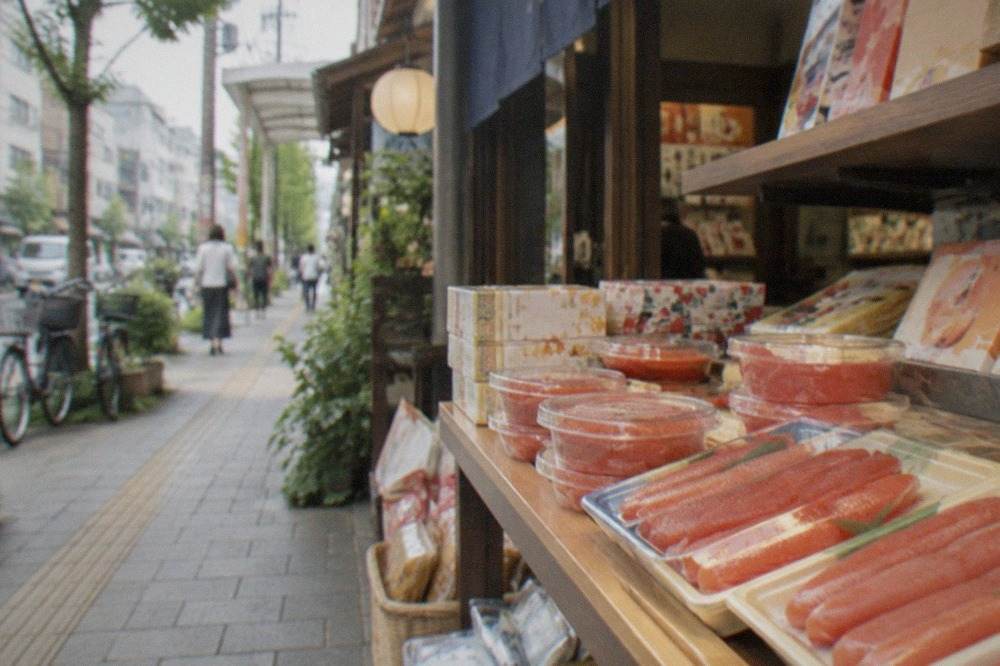
Mentaiko deserves the top spot for one simple reason: it is the food Fukuoka itself eats. Spiced cod or pollock roe, seasoned with chilli and served over rice, it appears on hotel breakfast buffets and in convenience store onigiri across the city. The major local producers, Fukutaro and Mentaiko Yamaya among them, both run shops in Hakata Station and around town, and both sell vacuum-sealed packs designed for travel. Some are shelf-stable, some need refrigeration, so check the label before you buy if your flight home is long.
The ramen kit is the second reliable choice. Fukuoka is the birthplace of tonkotsu ramen, the pork-bone-broth noodle style known here as Hakata ramen, and the famous shops sell take-home packs of the same broth concentrate with noodles. A kit from a well-known shop is a gift that explains the city better than a keychain does. The broader food scene behind it is covered in what food is Fukuoka famous for, which is worth reading before you shop.
Which Food Souvenirs Travel Best?
Mentaiko in shelf-stable packs, ramen kits, Yame tea, mentaiko-flavoured snacks and packaged kurume-style sweets all survive a suitcase. Fresh mentaiko needs refrigeration and should be bought on your last day; the shelf-stable version tastes nearly identical and carries no risk. Tea is the safest gift of the group, since it is light, unbreakable and Yame, in neighbouring Yame City, is one of Japan's most decorated tea-growing areas.
Yame tea is the sleeper pick on this list. The town sits south of Fukuoka on the Nishitetsu line, and its gyokuro and sencha routinely take top prizes in national competitions. You do not need to visit the tea fields to buy it: department store food halls in Tenjin and souvenir floors in Hakata Station stock it, and the packaging is usually good enough to give as a gift without wrapping. There is even a guided option that pairs the tea with sake tasting if you want to see where it comes from.
Below the serious purchases sit the snack-tier souvenirs: mentaiko-flavoured potato chips, mentaiko mayonnaise, individually wrapped sweets and the small boxes of hitokuchi gyoza dumplings the region is fond of. These are the things to buy in multiples for office gifts, and they are the reason the souvenir floors at Hakata Station are worth twenty minutes even on a tight schedule.
| Item | What it is | Where to buy | Travels well? |
|---|---|---|---|
| Mentaiko (shelf-stable) | Spiced pollock roe in vacuum packs | Fukutaro or Yamaya shops, Hakata Station | Yes, room temperature packs |
| Mentaiko (fresh) | Refrigerated roe, fuller texture | Producer shops in Hakata | Buy last day, keep cold |
| Tonkotsu ramen kit | Broth concentrate plus noodles | Famous ramen shops, souvenir floors | Yes |
| Yame tea | Gyokuro and sencha from Yame City | Tenjin department store food halls | Yes, light and unbreakable |
| Umegae Mochi | Grilled mochi with sweet red bean, from Dazaifu | Shops on the Dazaifu approach | Eat fresh or same day |
| Hakata doll | Hand-painted clay figurine | Craft shops, department stores | Fragile, pack carefully |
If your shopping list is long and your days are few, it helps to plan the trip around what you want to buy rather than drifting. The Fukuoka souvenirs guide covers gift shops by district in more depth, and how many days in Fukuoka is enough is the companion question if you are still building the itinerary.
Where Should You Shop for Gifts in Fukuoka?
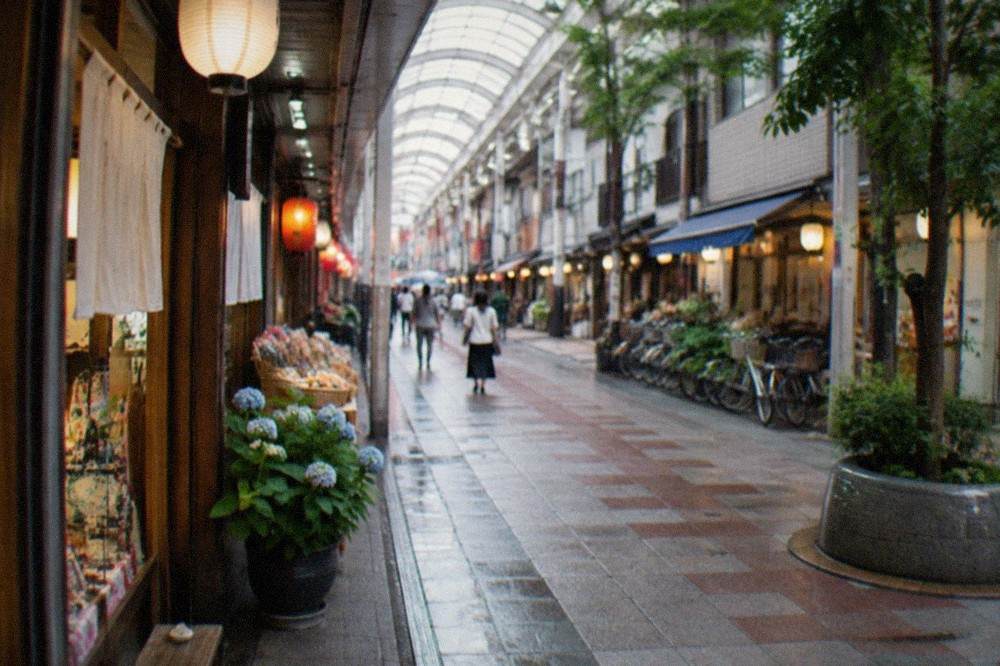
Hakata Station is the single best souvenir stop, with entire floors of mentaiko shops, sweet shops and craft counters; Tenjin's department stores carry the higher-end tea and crafts; Canal City Hakata mixes shopping with dining; and the Dazaifu approach road is the place for Umegae Mochi. Kawabata Shopping Arcade, beside Nakasu, is the traditional option, a covered Meiji-era street of small shops. A visitor with one free afternoon should pick Hakata Station plus one of the others.
Hakata Station wins on density alone. The building functions as the city's front door and its main retail floor at once, and the souvenir concentration there is unmatched: mentaiko producers, a ramen street, craft counters and a department store all sit within a few minutes' walk of each other. Note the naming, because it confuses people: the station is Hakata, there is no JR Fukuoka Station, and Hakata is a ward of Fukuoka rather than a separate city. The question is there a Fukuoka station untangles this fully.
Canal City Hakata, a five-minute walk from the station area, is the modern option. It is free to enter, open every day of the year, with shops running 10:00 to 21:00 and restaurants to 23:00, according to its own service information page, so it works for an evening of browsing after the museums close. The complex leans lifestyle and fashion more than local speciality, but its food floor and cinema make it a good half-stop between purchases.
Dazaifu is the one shopping trip that doubles as a sightseeing day. The approach road to Dazaifu Tenmangu is lined with shops selling Umegae Mochi, the grilled rice-cake sweet that is the town's signature, and the shrine itself charges nothing to enter, as its official frequently asked questions page states plainly. The mochi is best eaten fresh off the grill rather than carried home, so treat it as a reward for the trip rather than a souvenir. The Tabi Kippu ticket from Tenjin, which folds the train fare and a mochi voucher into one ¥1,000 purchase, makes the day cheap.
What Crafts and Traditional Gifts Are Worth Buying?
Hakata dolls are the craft buy: hand-painted clay figurines, often of samurai, geisha or kabuki figures, produced in the city for generations and recognised as a traditional national craft. Hakata-ori silk textiles, woven into ties and wallets, are the second choice, and calligraphy brushes from the region make a small, affordable third. Serious pieces belong to collectors, but studios sell small dolls and textile goods at gift prices.
Hakata ningyo, the dolls, began as simple clay toys made by roof-tile workers and grew into one of Japan's most refined figurine traditions. The painting is the skill: faces and kimono patterns are done by hand in fine detail, and even a palm-sized doll shows it. Workshops in the city let you paint your own, which turns the souvenir into the activity itself, and the finished piece is yours to carry home the same day.
Hakata-ori weaving is the quieter cousin. The dense silk fabric, originally used for obi, carries subtle geometric patterns and is now cut into neckties, card cases and coin purses, gifts that survive a suitcase better than ceramics do. Department store craft floors in Tenjin and the station souvenir areas both stock it, and prices climb with the silk content, so decide your budget before you start browsing.
How Do You Get Your Purchases Home Safely?
Buy fragile items like Hakata dolls on your last full day, ask the shop to box them, and pack them in the middle of your luggage surrounded by soft goods. Shelf-stable mentaiko and tea can be bought any day and stored in your hotel room. Fresh mentaiko must be refrigerated, so buy it the morning you leave if it is going in checked luggage, and consider an insulated bag for the journey. Most producers also ship internationally.
The practical move is to sequence your shopping backwards from your departure. Tea, ramen kits and snack-tier items can come home with you from day one. Crafts should wait until you know how your luggage is sitting. Fresh food goes last. If that sounds like a lot of logistics for a holiday, it is worth remembering that Fukuoka Airport sits unusually close to the city centre, and the subway fare from the airport into Hakata is a verified ¥260, so a forgotten purchase is a short round trip rather than an ordeal.
Travellers who land with shopping plans and a lot of luggage often book a private arrival transfer from the airport to the city, which removes the subway step entirely on day one and leaves hands free for the return.
For the wider picture of what the city offers beyond its shops, what is a must do in Fukuoka covers the sights, and the site's own Fukuoka Japan Travel Guide hub collects the food, transport and itinerary pages in one place.
What Should You Skip?
Skip the generic Japan-branded goods sold in every airport in the country, the individually wrapped "Hakata" sweets that are made elsewhere, and any mentaiko priced far below the producer shops' rates, which is usually imported roe. Fukuoka's souvenir floors do contain filler, and the filler is exactly the stuff you could buy in Tokyo or Osaka at the same price. The test is simple: if the item names the city and a local maker, buy it; if it names only the country, leave it.
One honest note on the food stalls, since visitors often ask about them as a shopping-adjacent experience. The yatai, about 100 licensed stalls across the city, are covered by a city ordinance that requires prices to be displayed openly where customers can see them, and the ordinance bans vague "market price" wording on variable dishes. City inspectors check periodically. So a stall is not a place to worry about being overcharged, but it is also not a place to buy souvenirs: it is a place to eat, and the take-home version of that experience is the ramen kit, not the stall.
Common Questions About Shopping in Fukuoka
What Is Must Buy In Fukuoka?
Mentaiko, a tonkotsu ramen kit, Yame tea, a Hakata doll and Umegae Mochi from Dazaifu are the five purchases most worth making. Mentaiko is the city's signature food; the ramen kit and tea reproduce local flavours at home; Hakata dolls are the traditional craft; and Umegae Mochi is the sweet tied to the region's most-visited shrine town.
Is mentaiko from Fukuoka safe to take on a plane?
Shelf-stable vacuum packs are, and many are designed for exactly that. Look for packaging marked room temperature rather than refrigeration required. Fresh mentaiko needs cold storage and should be bought on your last day, kept chilled, and eaten or frozen soon after you arrive home.
Where is the best place to buy souvenirs in Fukuoka?
Hakata Station has the densest concentration of mentaiko shops, sweet shops and craft counters in the city. Tenjin's department stores carry higher-end tea and crafts, Canal City Hakata adds a modern shopping-and-dining complex, and the Dazaifu approach road is the place for Umegae Mochi.
What is Umegae Mochi and where does it come from?
Umegae Mochi is a grilled rice cake filled with sweet red bean paste, associated with Dazaifu, the shrine town a short Nishitetsu train ride from Tenjin. Shops along the approach to Dazaifu Tenmangu grill it in front of you. It is best eaten fresh rather than carried home as a souvenir.
Are Hakata dolls expensive?
They range from small gift-priced pieces to collector items that cost as much as a flight. Studios and department store craft counters sell palm-sized dolls at accessible prices, and painting workshops in the city let you decorate your own, which keeps the cost down and turns the purchase into an experience.
Can I buy Fukuoka ramen to make at home?
Yes. The city's famous tonkotsu ramen shops sell take-home kits containing broth concentrate and noodles, available both at the shops themselves and on the souvenir floors of Hakata Station. A kit is one of the most reliable gifts from the city because it reproduces a real local product rather than picturing one.